

Visual explanationFree resource
Visual medical education by Armando Hasudungan
Medical science, drawn into focus.
Explore visual explanations that reveal how the facts, processes and clinical patterns fit together—then discover the coming AH study platform, built to guide what you study next and check what stuck.
Connected studyComing soon
Clear visual explanations used by medical and allied-health learners around the world.
Explore the free library
Start with the topic in front of you.
Browse by subject or jump straight into the explanation you need. No account required.
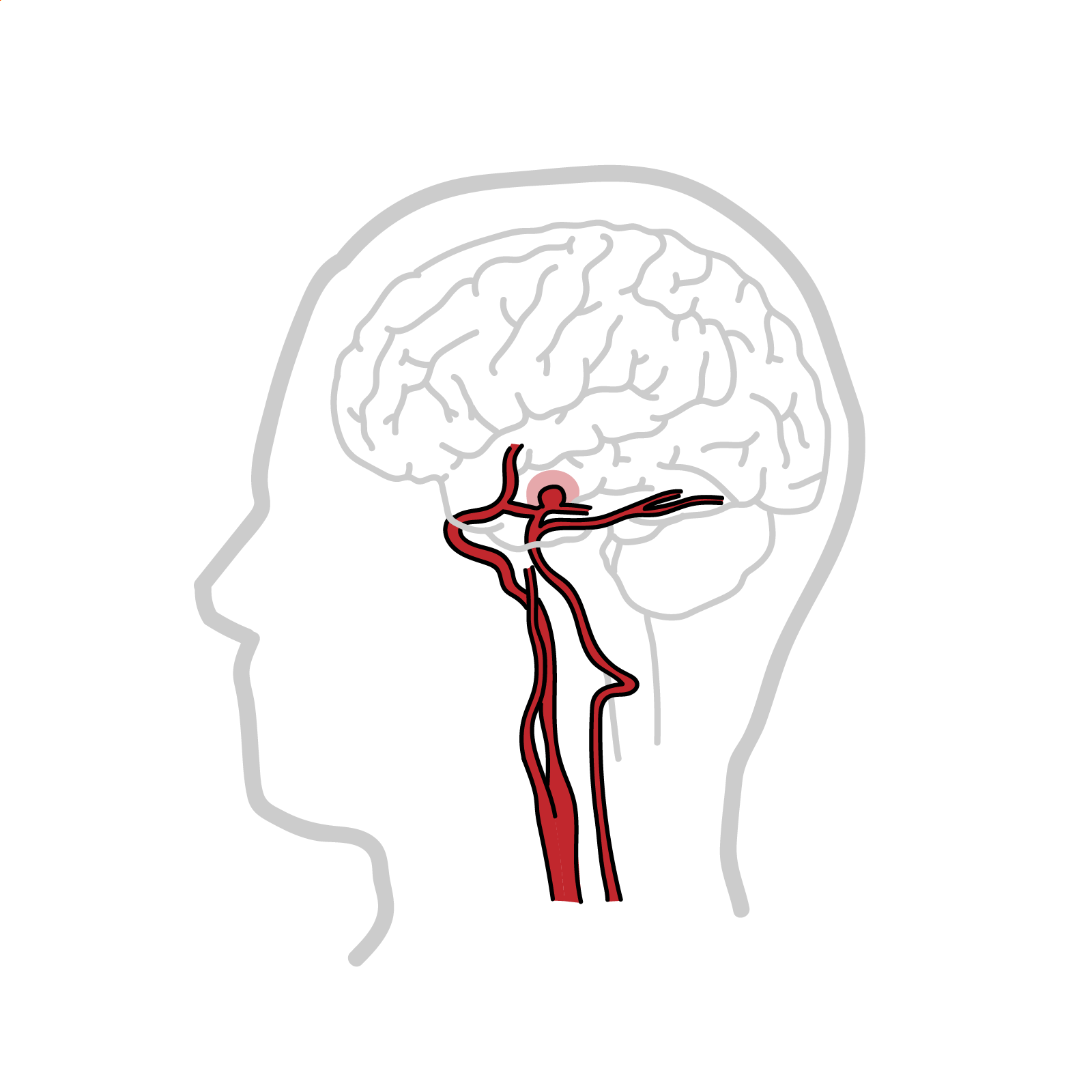
Aneurysm
Overview An aneurysm is an abnormal localised dilatation of a blood vessel with at least 50% increase in diameter compared to its normal diameter. It is seen more often in arteries compared to veins. Aneurysms are usually asymptomatic until they are very large or they rupture. A ruptured aneurysm can cause massive bleeding and death.…
View topic ↗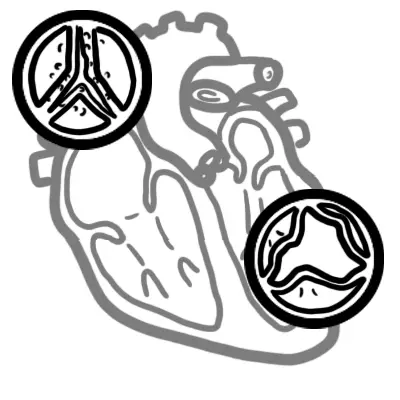
Valvular Heart Disease
Overview Valvular disease can come to clinical attention due to stenosis, insufficiency (regurgitation/incompetence) or both. Stenosis is the failure of a valve to open completely, which impedes forward flow. Insufficiency results from failure of a valve to close completely, thereby allows reversed flow. Doppler echocardiogram is the best technique for assessing patients with valvular heart disease, but…
View topic ↗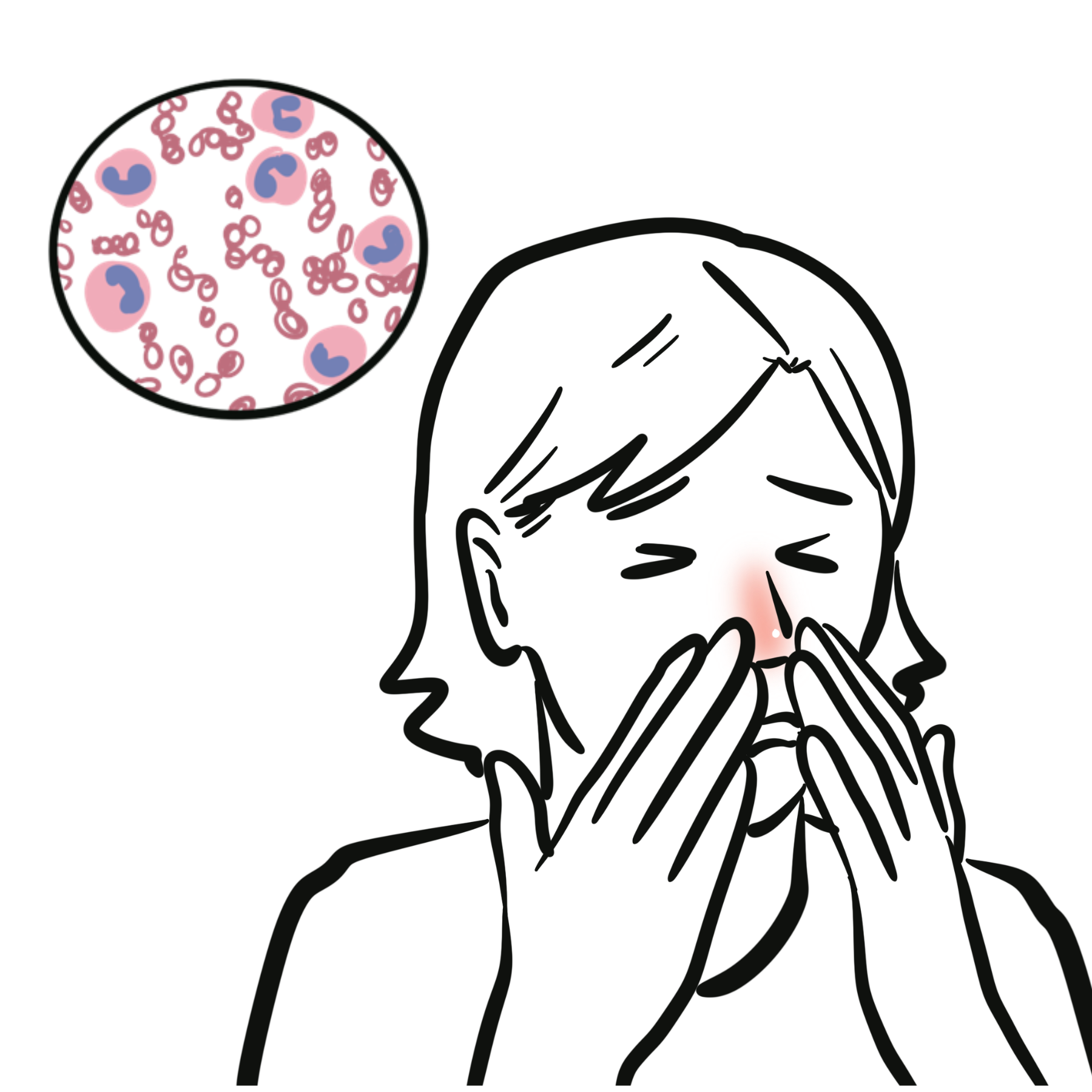
Eosinophilic Granulomatosis with Polyangiitis
Overview EGPA (formerly Churg-Strauss syndrome) is a rare, small-to-medium vessel necrotizing vasculitis characterized by asthma, eosinophilia, and extravascular granulomas. It commonly affects the lungs, skin, peripheral nerves, and heart. Annual incidence: ~1–3 per million; peak onset in 40s–60s; no significant gender bias. Strongly associated with MPO-ANCA positivity in ~40–60% of patients; others are ANCA-negative. Eosinophilia…
View topic ↗
Acute Coronary Syndrome
Overview Coronary artery obstruction or rupture can result in a variety of ischaemic condition which fall under the term of acute coronary syndrome. This does not include stable angina. Ischaemic heart disease is the leading cause of death world wide. The mortality of myocardial infarction is believed to be 45% with 70% of these deaths…
View topic ↗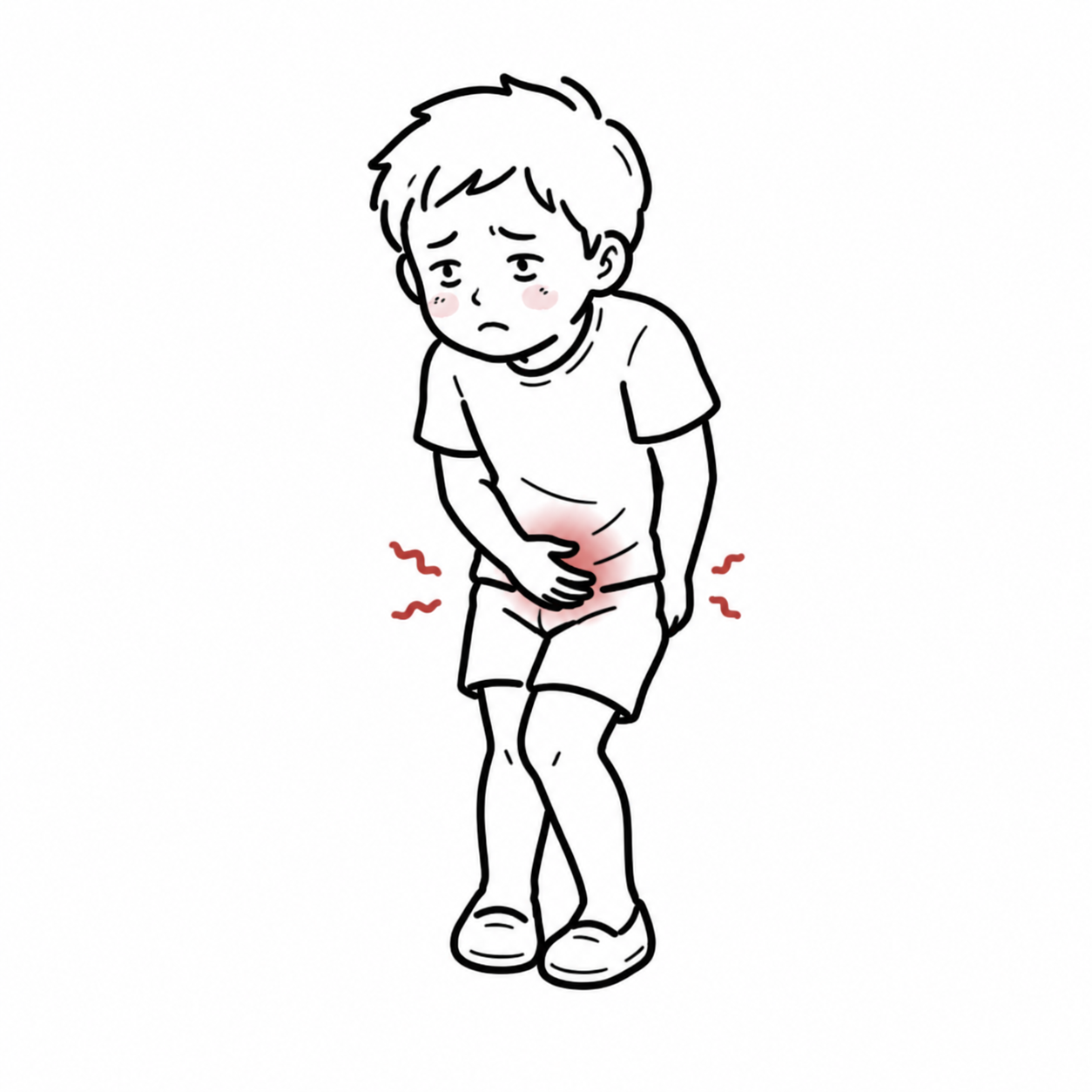
Urinary Tract Infection (Children)
Overview Urinary Tract infections (UTIs) in children are common and usually carry low risk. UTIs are often non-specific and can not be diagnosed on symptoms alone. A clean specimen (urine) is required for the diagnosis of UTI. Any child who is unwell, and most children under 6 months, should be admitted for IV antibiotics. The…
View topic ↗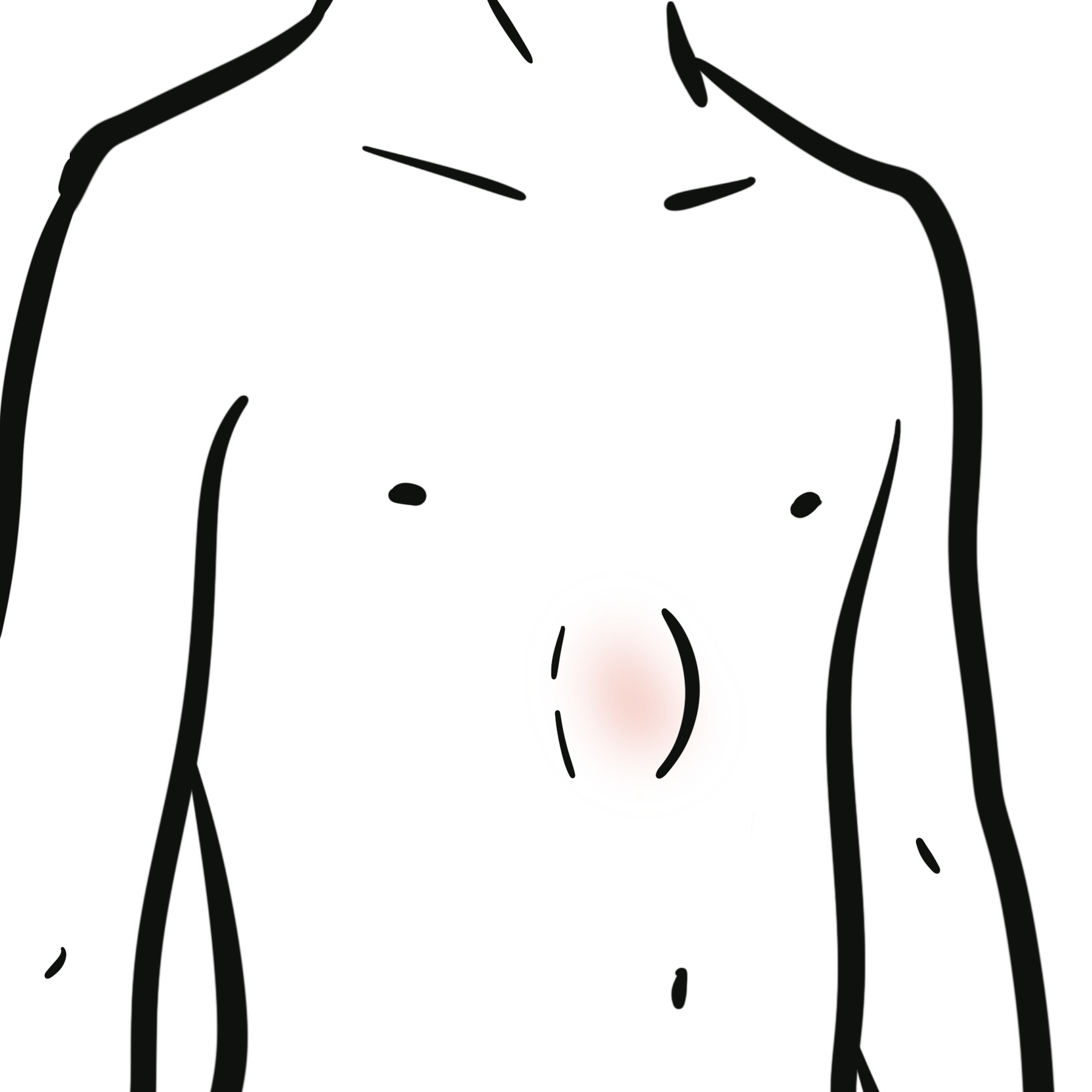
Umbilical and Epigastric Hernia
Overview Umbilical and Epigastric hernias are types of Primary Ventral abdominal wall hernias. Epigastric hernias are two to three times more common in men. Umbilical hernias are three times more likely in females. Most epigastric hernias contain preperitoneal fat, while most umbilical hernias contain omentum or bowel. These hernias are usually asymptomatic unless incarcerated, obstructed…
View topic ↗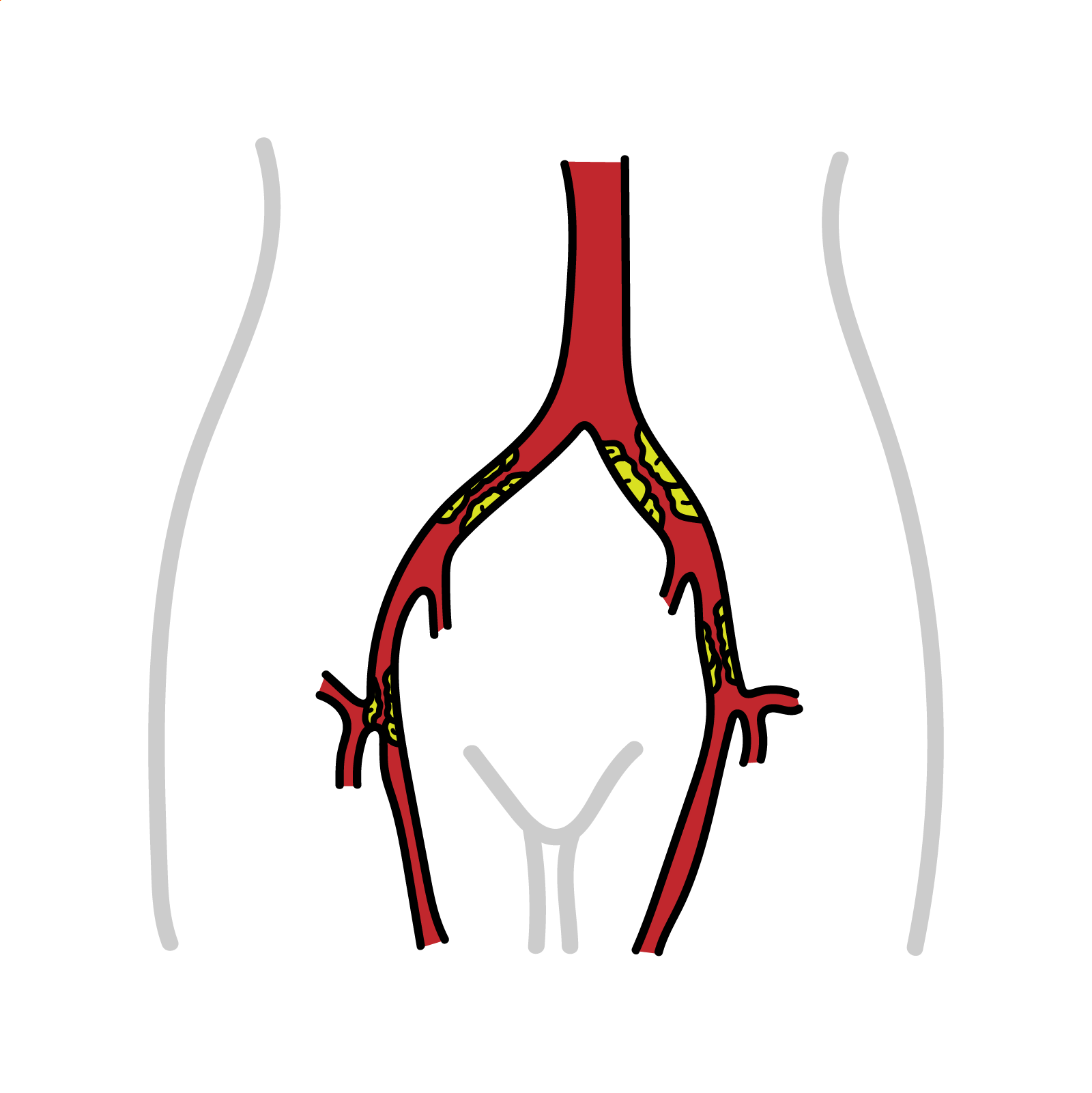
Peripheral Arterial Disease (Chronic Lower Limb Ischaemia)
Overview Peripheral arterial disease (PAD) is most commonly caused by atherosclerotic narrowing or occlusion of the arteries supplying the lower limbs. It may be asymptomatic, produce exertional intermittent claudication, or progress to chronic limb-threatening ischaemia (CLTI) with rest pain, ulceration or gangrene. Acute limb ischaemia (ALI) results from a sudden reduction in limb perfusion and…
View topic ↗Full resource library
Browse all topics ↗Choose how you learn
One idea. More than one way to see it.
Use the format that helps the topic click, then switch formats when you need to reinforce it.
01 / WATCH02 / READ03 / SEE04 / CHECK
Videos
Hand-drawn explanations that build the big picture as the concept unfolds.
Notes
Clear written explanations for review, reference and filling in the details.
Diagrams
Visual snapshots that help you easily review topics.
Questions
Test whether the explanation stayed with you—not just whether it looked familiar.
Good places to begin
Explanations learners return to.
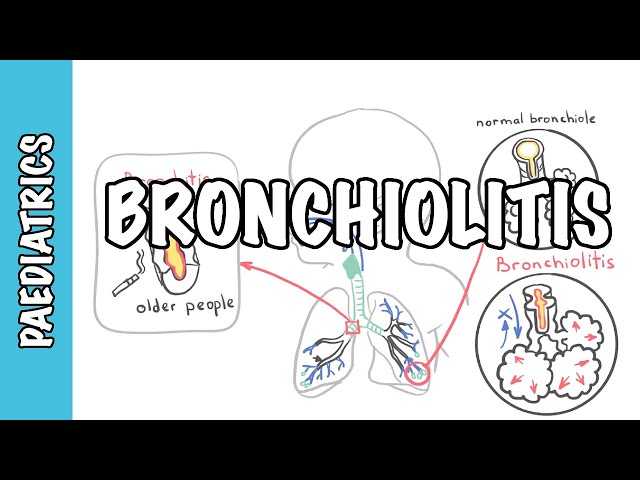
Bronchiolitis (causes, pathophysiology, signs and symptoms, treatment)
Bronchiolitis is a common lower respiratory tract infection in infants, often caused by RSV. This video covers its pathophysiology, clinical features, and current treatment approaches to help guide understanding and care.
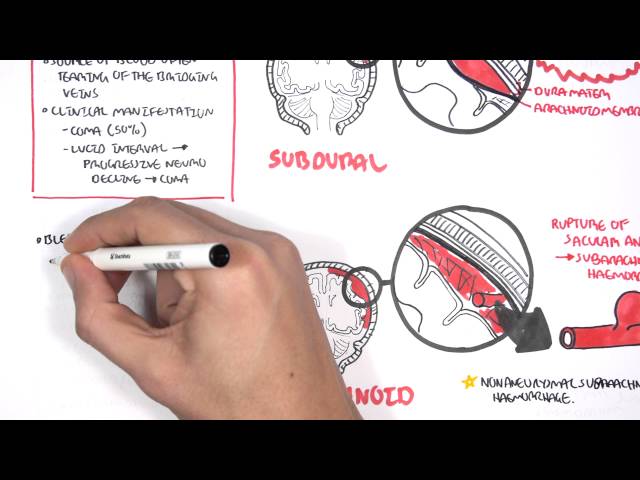
Introduction to Intracranial Haemorrhage
Learn about the different types of intracranial hemorrhage, including their causes, signs, and symptoms for timely diagnosis. This video covers key clinical features to help recognize and manage brain bleeds effectively.
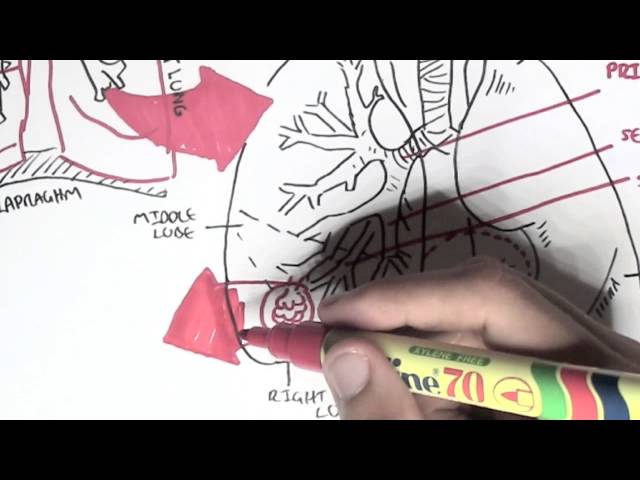
Respiratory System – Overview
Discover the key structures and functions of the respiratory system, from airways to alveoli, and how they work together for gas exchange. This video provides a clear overview of respiratory anatomy and physiology to support your understanding of breathing and oxygen transport.
Our mission
Medical science is complex. Understanding it should feel possible.
Armando Hasudungan turns difficult medical science into clear visual explanations and connected learning experiences—so learners can see the whole picture, remember what matters and find a clearer way forward.
See it clearly
Turn abstract processes and invisible relationships into something the learner can picture.
Connect the pieces
Build understanding around how concepts fit together—not a pile of isolated facts.
Make it useful
Help learners move from explanation to recall, revision and the next logical step.
What clarity feels like
When the topic stops being a blur.
Learners do not come back because the subject became easy. They come back because the explanation gave them a picture they could work with.
“Armando's teaching style gives me the foundational knowledge.
Jessica Payne-Burnett
Medical Student, Charles Sturt University
“The notes I make during his videos help me retain everything better.
Ayesha RaiStudent, Islamabad Medical and Dental College
“The drawings are amazing and super easy to remember.
Reem Mohamed Khair Abdalrazig
Student, Neelain University
Coming soon: the AH study platform
The explanation is only the start.
The free library helps you find a clear explanation. The AH platform is being built to help you connect the resources, follow a clearer path and check what actually stuck.
- Watch in a focused, ad-free study environment.
- Move between connected videos, notes, diagrams and questions.
- Know what belongs next instead of rebuilding the study path yourself.
- Test your understanding while the topic is still fresh.
New and worth a look
Keep building the picture.
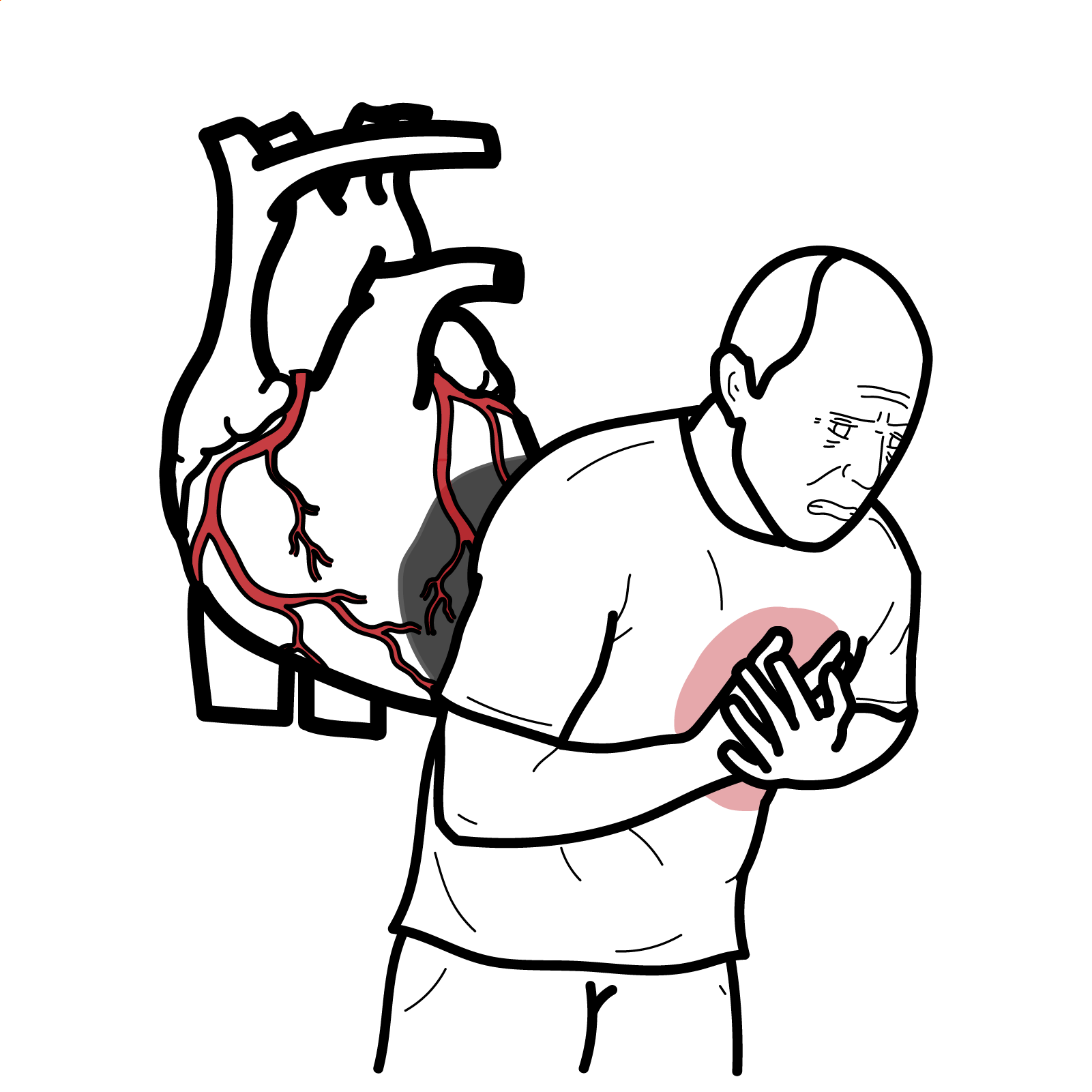
Acute Coronary Syndrome: Myocardial infarction (STEMI, NSTEMI)
Overview Acute coronary syndrome (ACS) describes acute myocardial ischaemia caused by an abrupt reduction in coronary blood flow. It includes myocardial infarction (MI) and unstable angina and is a time-critical medical emergency. This article focuses on ST-segment elevation myocardial infarction (STEMI) and non-ST-segment elevation myocardial infarction (NSTEMI). 1 Myocardial infarction is diagnosed when there is…
View this topic ↗About Visualising Medicine
Good education does not remove complexity. It makes complexity feel simple.
Visualising Medicine is the team behind Armando Hasudungan. We bring together medicine, illustration, writing and technology to make difficult ideas clearer—and build better ways for learners to use them.