

Visual explanationFree resource
Visual medical education by Armando Hasudungan
Medical science, drawn into focus.
Explore visual explanations that reveal how the facts, processes and clinical patterns fit together—then discover the coming AH study platform, built to guide what you study next and check what stuck.
Connected studyComing soon
Clear visual explanations used by medical and allied-health learners around the world.
Explore the free library
Start with the topic in front of you.
Browse by subject or jump straight into the explanation you need. No account required.
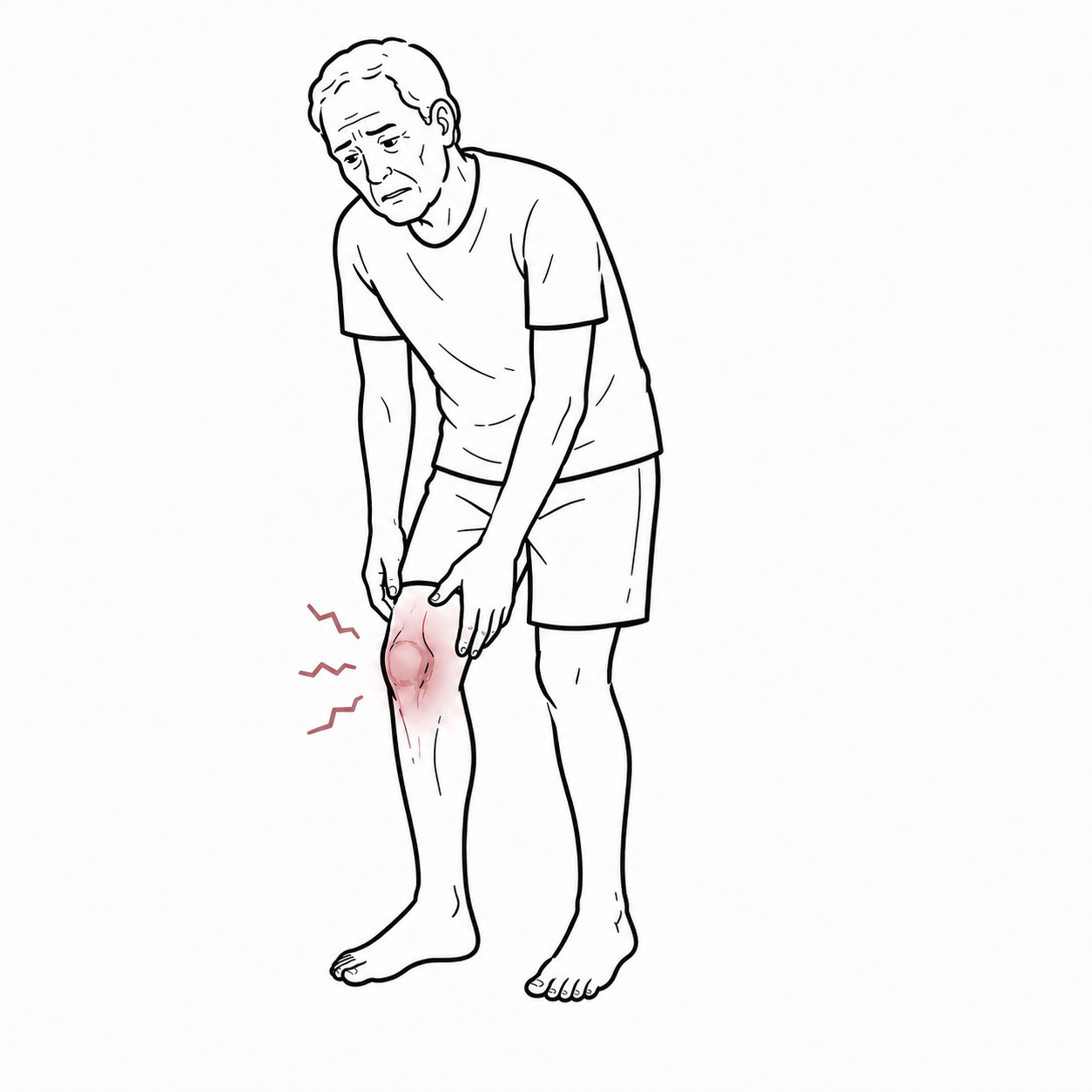
Knee Osteoarthritis (KOA)
Overview Knee osteoarthritis is a chronic, whole-joint disorder characterized by pain, stiffness, functional limitation and progressive structural change affecting cartilage, subchondral bone, synovium, menisci, ligaments and peri-articular muscles. Prevalence rises with age and obesity and contributes substantially to global disability; recent GBD analyses and reviews highlight knee OA as a leading cause of pain and…
View topic ↗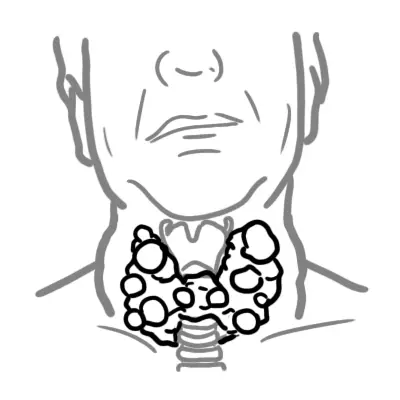
Goitre and Nodules
Overview Goitre refers to an enlarged thyroid gland. Thyroid nodules are common in the general population, especially in women. Goitre results from follicular cell hyperplasia at one or multiple sites within the thyroid gland. Goitre can be classified based on morphology into diffuse or nodular. Nodular thyroid denotes the presence of single or multiple palpable…
View topic ↗
Lymphoma
Types of Lymphoma Lymphoma is malignancy originating in the lymph nodes. There are two types: Hodgkins lymphoma Non-hodgkins lymphoma Classic Clinical Presentation Lymphadenopathy Constitutional symptoms Fever Night sweats Weight loss Differential Diagnosis of Lymphadenopathy Lymphoma Leukaemia Metastasis Infection Connective tissue disease – rheumatoid arthritis, SLE Infiltration – sarcoidosis Drugs – phenytoin Hodgkin's lymphoma Non-Hodgkin's lymphoma…
View topic ↗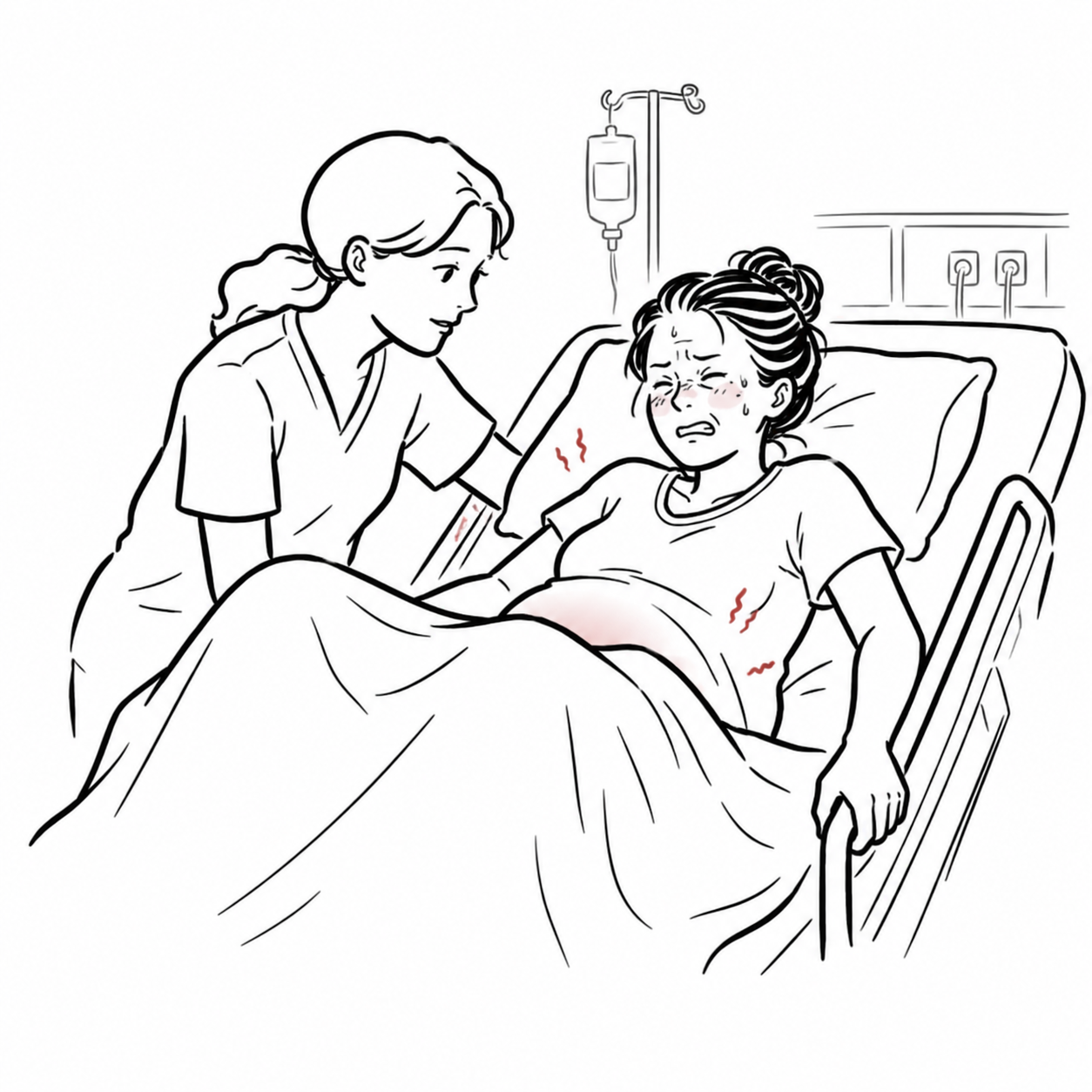
Delivery (Labour) and Delivery Complications
Normal Labour Labour: Cervical change accompanied by regular uterine contractions Abnormal Labour (Dystocia or arrest): Any deviation from the definition of normal labour "Show": As a result of the dilatation of the cervix, the operculum, which formed the cervical plug during pregnancy is lost. The women may see a blood stained mucoid discharge hours before,…
View topic ↗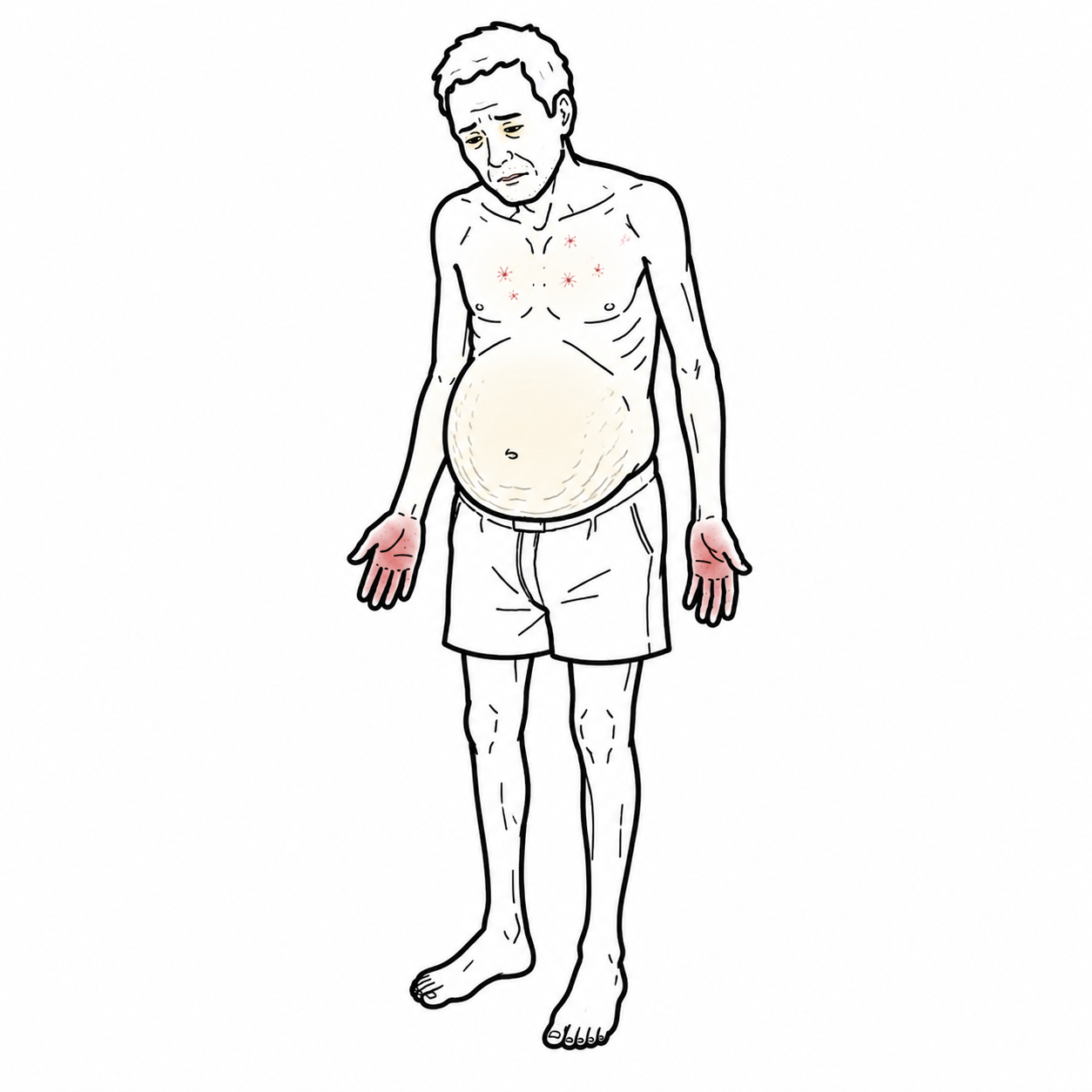
Liver Cirrhosis Complications
Portal Hypertension Overview Normal portal vein pressure is 5–10mmHg. Portal hypertension develops when the portal pressure is greater than 12mmHg. Mechanism of disease Increased Intrahepatic resistance of blood flow through the liver due to cirrhosis Increased splanchnic blood flow secondary to vasodilation leading to increased portal flow through liver Cirrhosis is the most common…
View topic ↗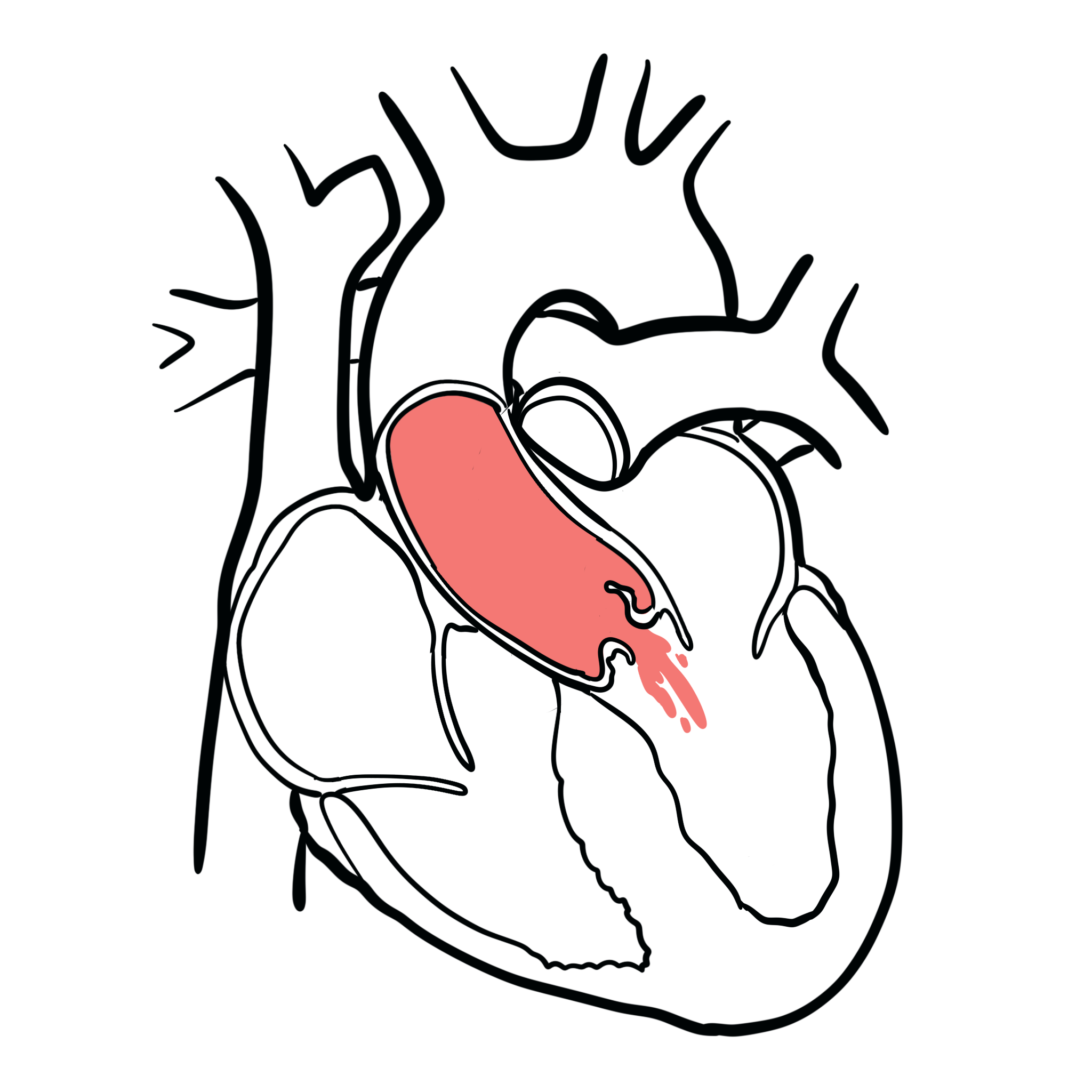
Aortic Regurgitation (incompetence)
Overview Patients with acute mitral regurgitation (MR) are often gravely ill with significant hemodynamic abnormalities that require urgent medical and usually surgical treatment . Aortic Reguritation produces a “diastolic murmur”, which is a murmur heart after the second heart sound (S2 – aortic and pulmonary valve closure) when the ventricles are filled with blood. Aetiology &…
View topic ↗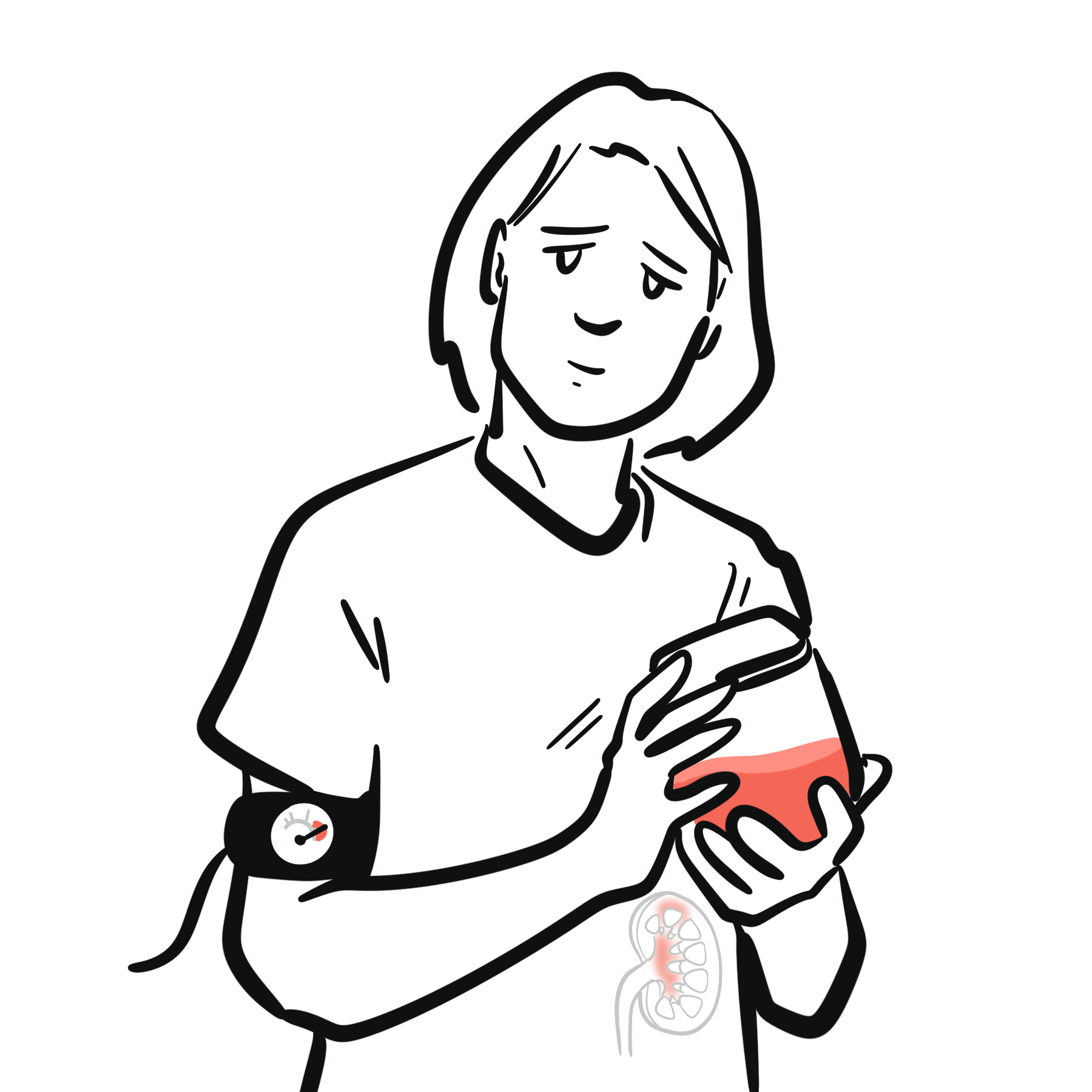
Glomerulonephritis
Overview Glomerulonephritis is inflammation of the glomerulus. Glomerulonephritis is classified by clinical syndrome/presentation (e.g. nephritic or nephrotic syndrome), histological appearance , or by aetiology. We will divide glomerulonephritis broadly into two broad types: Nephritic glomerulonephritis and nephrotic glormerulonephritis. Classification Two Types of Glomerular disease: Nephrotic Syndrome Nephritic Syndrome DIFFERENCE BETWEEN NEPHROTIC AND NEPHRITIS SYNDROME …
View topic ↗Full resource library
Browse all topics ↗Choose how you learn
One idea. More than one way to see it.
Use the format that helps the topic click, then switch formats when you need to reinforce it.
01 / WATCH02 / READ03 / SEE04 / CHECK
Videos
Hand-drawn explanations that build the big picture as the concept unfolds.
Notes
Clear written explanations for review, reference and filling in the details.
Diagrams
Visual snapshots that help you easily review topics.
Questions
Test whether the explanation stayed with you—not just whether it looked familiar.
Good places to begin
Explanations learners return to.
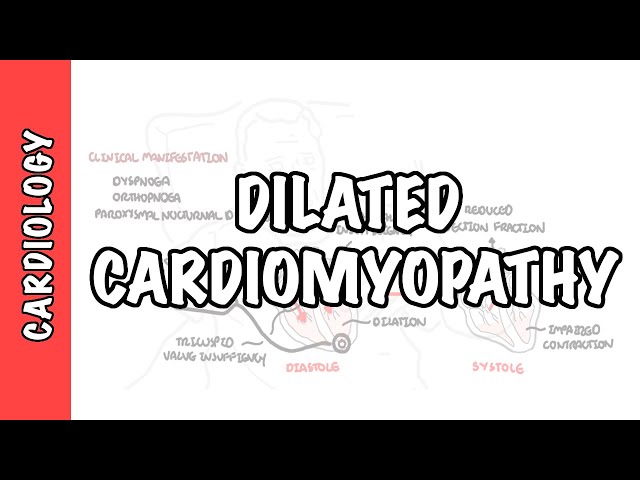
Dilated Cardiomyopathy – causes, symptoms, pathophysiology and treatment
Learn about dilated cardiomyopathy, a condition where the heart's chambers enlarge and weaken, leading to reduced pumping efficiency. This video covers its causes, clinical symptoms, underlying pathophysiology, and current treatment strategies to manage heart failure and improve function.
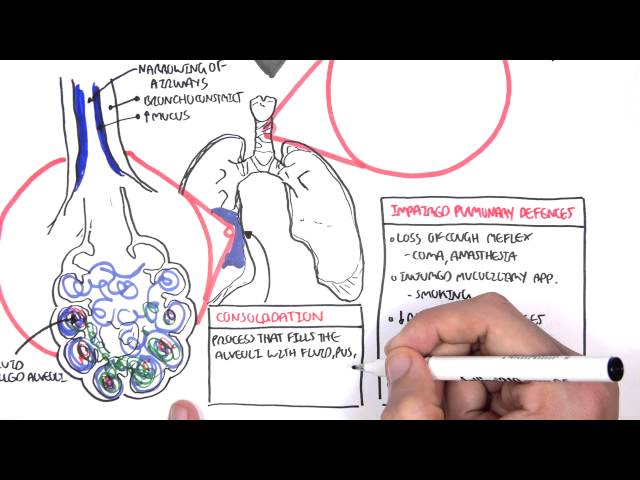
PART I – Pneumonia (Overview, Lobar and Bronchopneumonia)
Learn the essential differences between lobar and bronchopneumonia in this clear overview of pneumonia, including its clinical presentation and basic classification. Understand how inflammation patterns affect lung segments and set the stage for diagnosis and treatment.
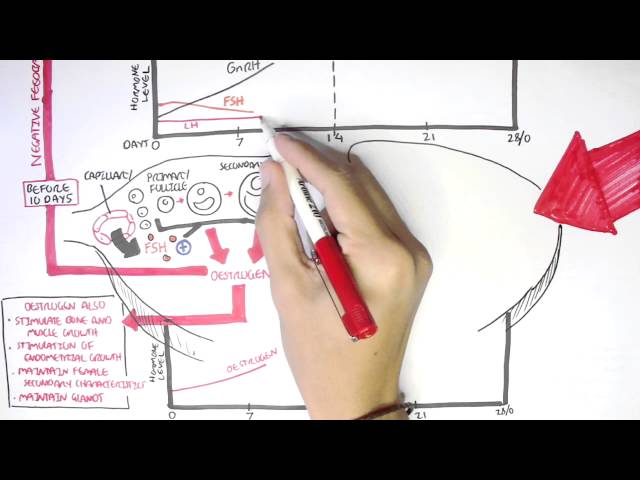
Menstrual cycle – hormonal regulation and feedback mechanisms
Master the hormonal regulation of the female reproductive cycle with a clear, visual walkthrough of FSH, LH, estrogen, progesterone, inhibin, and the hypothalamic-pituitary-ovarian axis. This video explains the menstrual cycle’s two phases—follicular and luteal—while showing how gonadotropin-releasing hormone from the hypothalamus drives FSH and LH release from the anterior pituitary, and how ovarian hormones feedback…
Our mission
Medical science is complex. Understanding it should feel possible.
Armando Hasudungan turns difficult medical science into clear visual explanations and connected learning experiences—so learners can see the whole picture, remember what matters and find a clearer way forward.
See it clearly
Turn abstract processes and invisible relationships into something the learner can picture.
Connect the pieces
Build understanding around how concepts fit together—not a pile of isolated facts.
Make it useful
Help learners move from explanation to recall, revision and the next logical step.
What clarity feels like
When the topic stops being a blur.
Learners do not come back because the subject became easy. They come back because the explanation gave them a picture they could work with.
“Armando's teaching style gives me the foundational knowledge.
Jessica Payne-Burnett
Medical Student, Charles Sturt University
“The notes I make during his videos help me retain everything better.
Ayesha RaiStudent, Islamabad Medical and Dental College
“The drawings are amazing and super easy to remember.
Reem Mohamed Khair Abdalrazig
Student, Neelain University
Coming soon: the AH study platform
The explanation is only the start.
The free library helps you find a clear explanation. The AH platform is being built to help you connect the resources, follow a clearer path and check what actually stuck.
- Watch in a focused, ad-free study environment.
- Move between connected videos, notes, diagrams and questions.
- Know what belongs next instead of rebuilding the study path yourself.
- Test your understanding while the topic is still fresh.
New and worth a look
Keep building the picture.
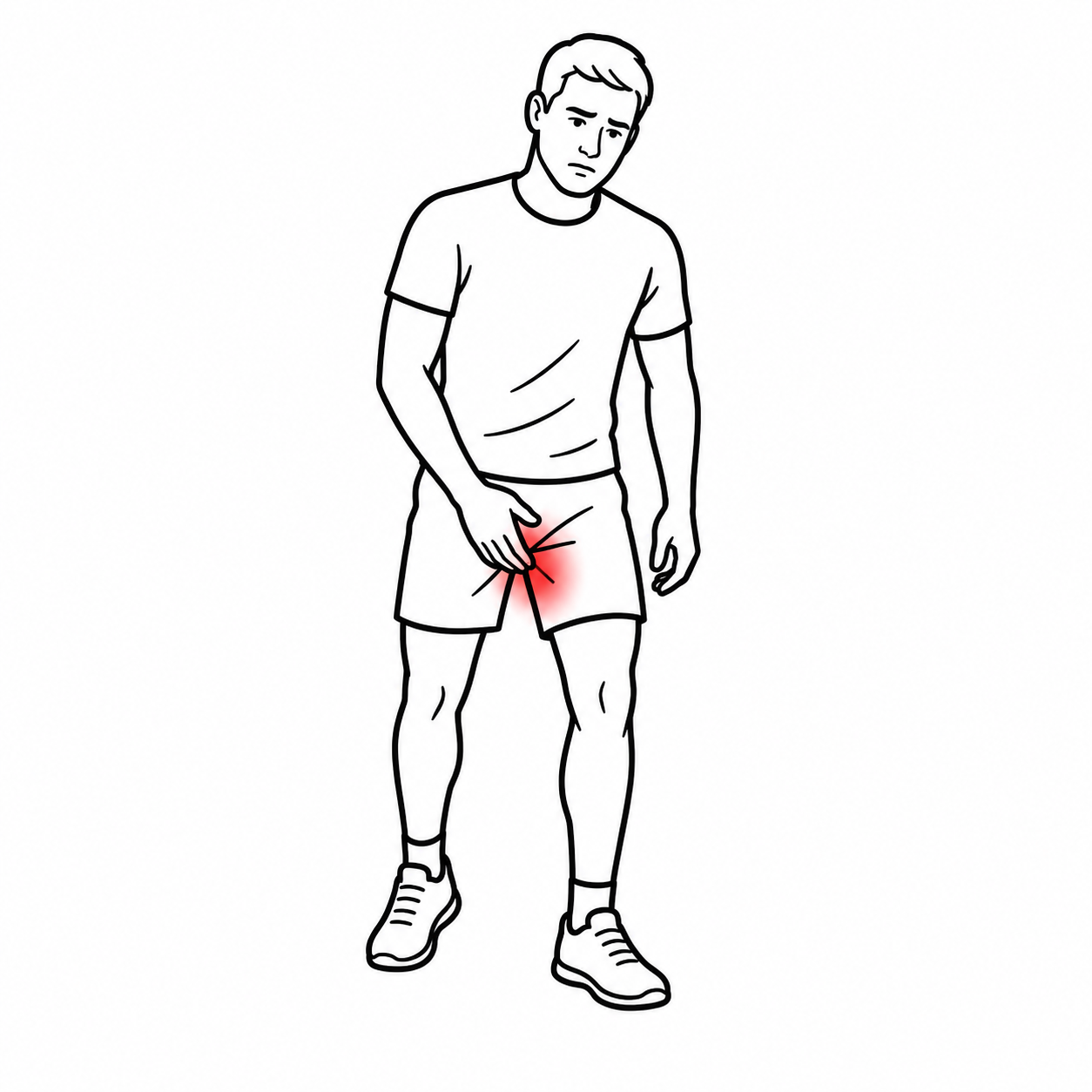
Adductor-related Groin Pain
Overview Adductor-related groin pain is a clinical entity characterised by pain localised to the hip-adductor region, with both tenderness of the adductors and recognisable pain reproduced by resisted hip adduction. It commonly affects athletes participating in sports involving kicking, sprinting, rapid acceleration, cutting or change of direction. 1 The term encompasses acute adductor injuries and…
View this topic ↗About Visualising Medicine
Good education does not remove complexity. It makes complexity feel simple.
Visualising Medicine is the team behind Armando Hasudungan. We bring together medicine, illustration, writing and technology to make difficult ideas clearer—and build better ways for learners to use them.