

Visual explanationFree resource
Visual medical education by Armando Hasudungan
Medical science, drawn into focus.
Explore visual explanations that reveal how the facts, processes and clinical patterns fit together—then discover the coming AH study platform, built to guide what you study next and check what stuck.
Connected studyComing soon
Clear visual explanations used by medical and allied-health learners around the world.
Explore the free library
Start with the topic in front of you.
Browse by subject or jump straight into the explanation you need. No account required.
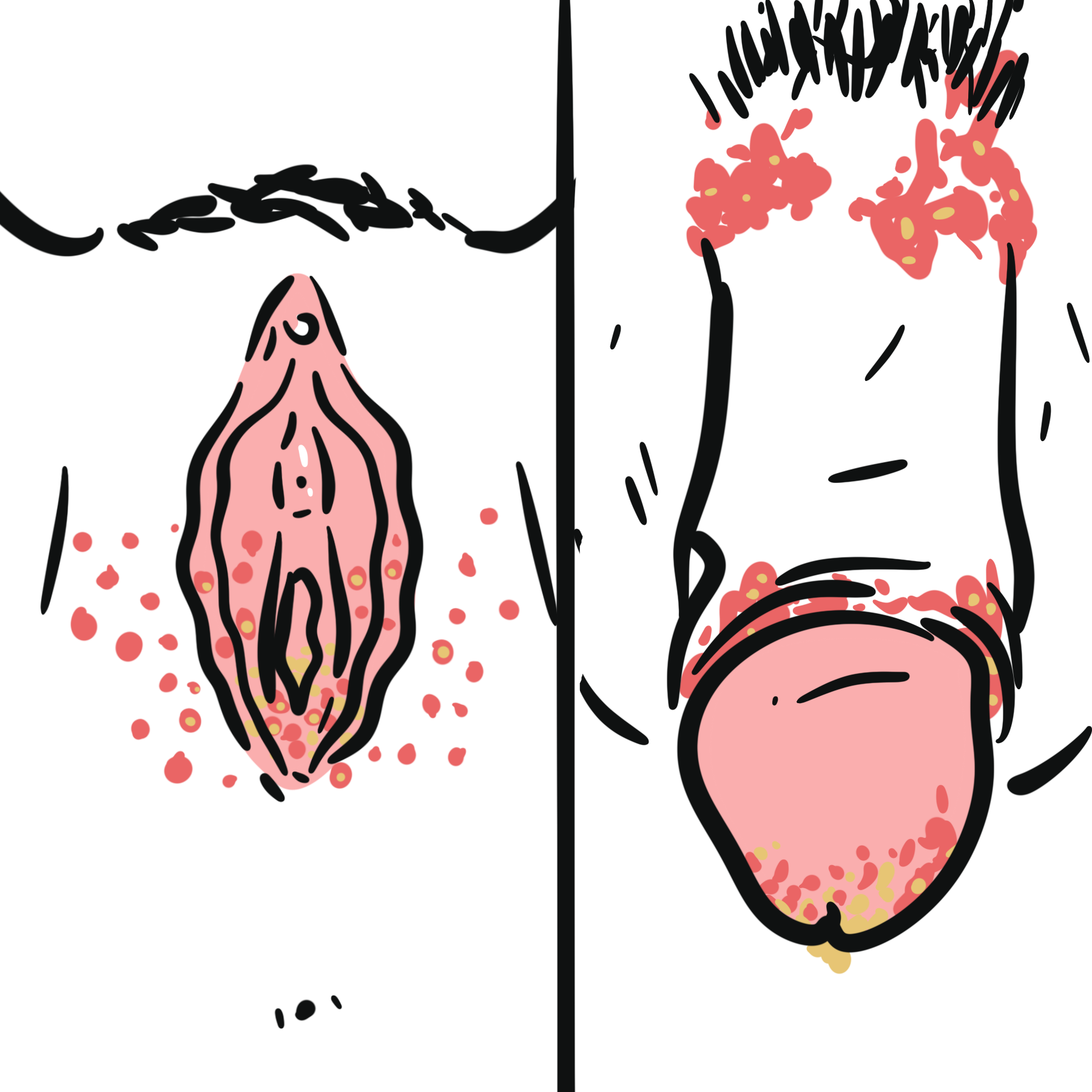
Sexual Transmitted Infection
Overview Sexually transmitted infections (STI) are a significant public health worldwide. STI can result in chronic disease, pregnancy complications, infertility, and even death. Globally, congenital syphilis is still a leading cause of stillbirth and neonatal death. Antibiotic-resistant Neisseria gonorrhoeae continues to be a significant public health concern. Chlamydia trachomatis infection is the most frequently reported…
View topic ↗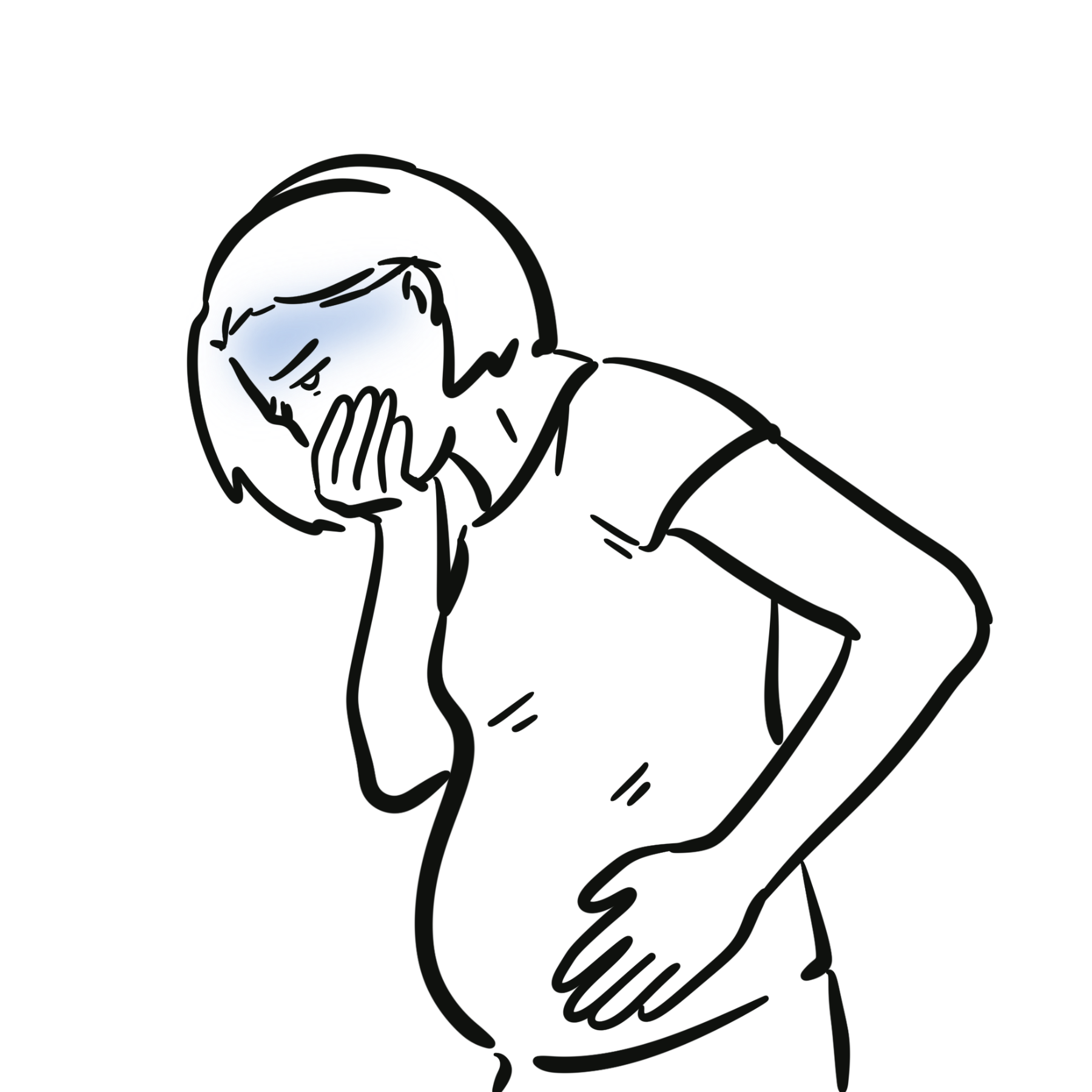
Hyperemesis Gravidarum
Overview Hyperemesis gravidarum (HG) exists on a spectrum of nausea and vomiting in pregnancy (NVP). NVP refers to symptoms of nausea, vomiting or dry retching commencing in the first trimester, with no other cause identified. 1 HG refers to severe, persistent vomiting that may result in malnutrition, dehydration, weight loss and debility due to illness.…
View topic ↗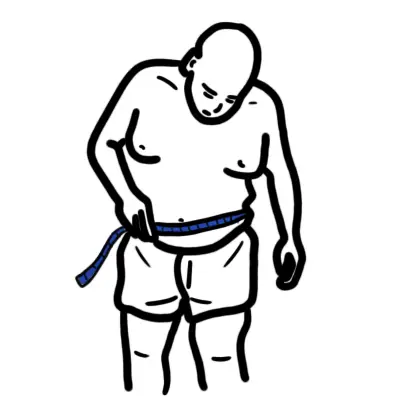
Obesity
Overview Overweight and obesity are common worldwide and are associated with many conditions, particularly diabetes, hypertension and dyslipidemia. Overweight and obesity are defined as a moral or excessive fat accusation that presents a risk to health Obesity is now dramatically on the rise in low and middle-income countries. Management should include diet, physical activity, and…
View topic ↗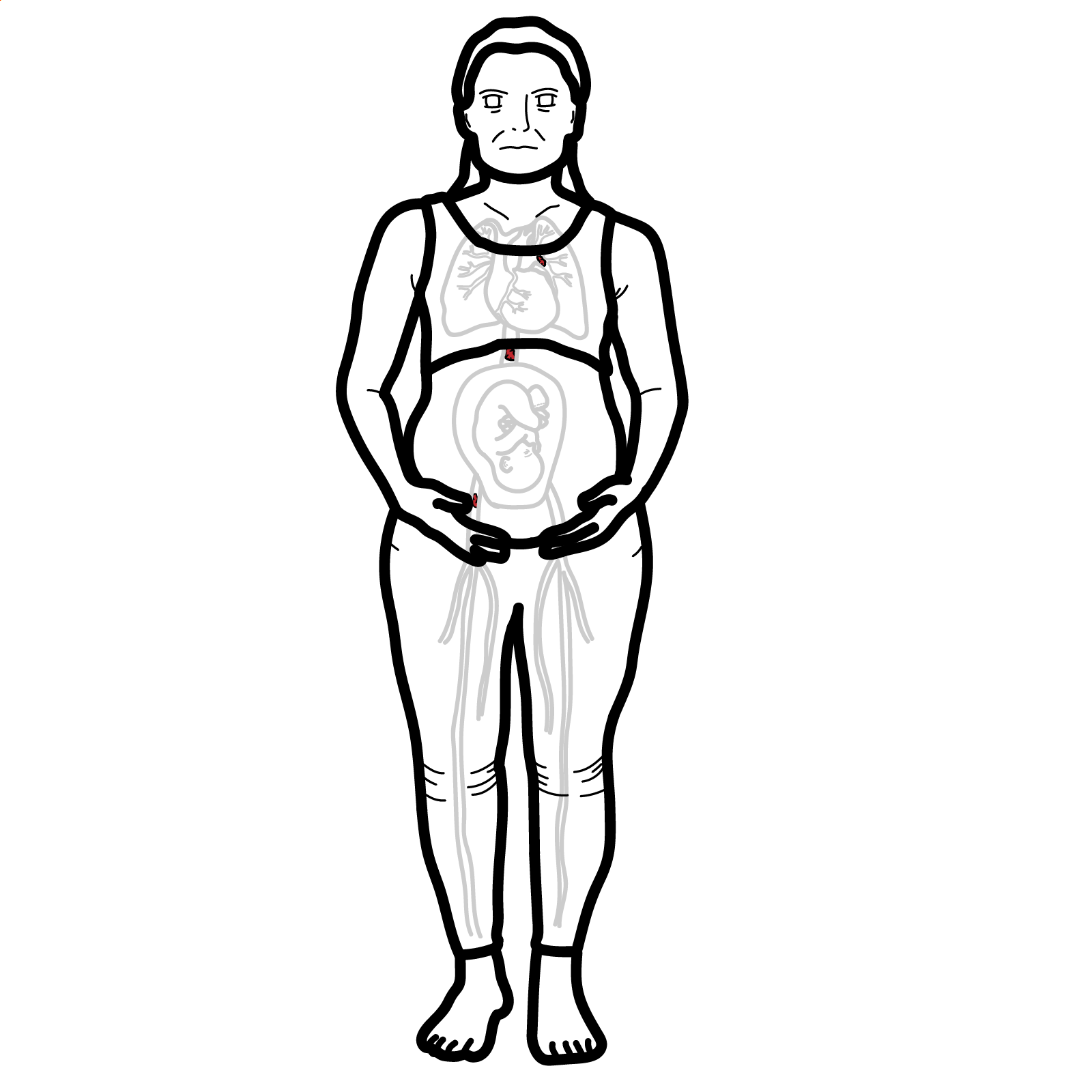
Antiphospholipid Syndrome (APS)
Overview Antiphospholipid Syndrome (APS) is an acquired autoimmune thrombophilia characterized by recurrent venous or arterial thromboses and/or pregnancy morbidity in the presence of persistent antiphospholipid antibodies (aPL). APS may occur as a primary condition or secondary to systemic lupus erythematosus (SLE). Prevalence of aPL in the general population is ~2%, but true APS is rare…
View topic ↗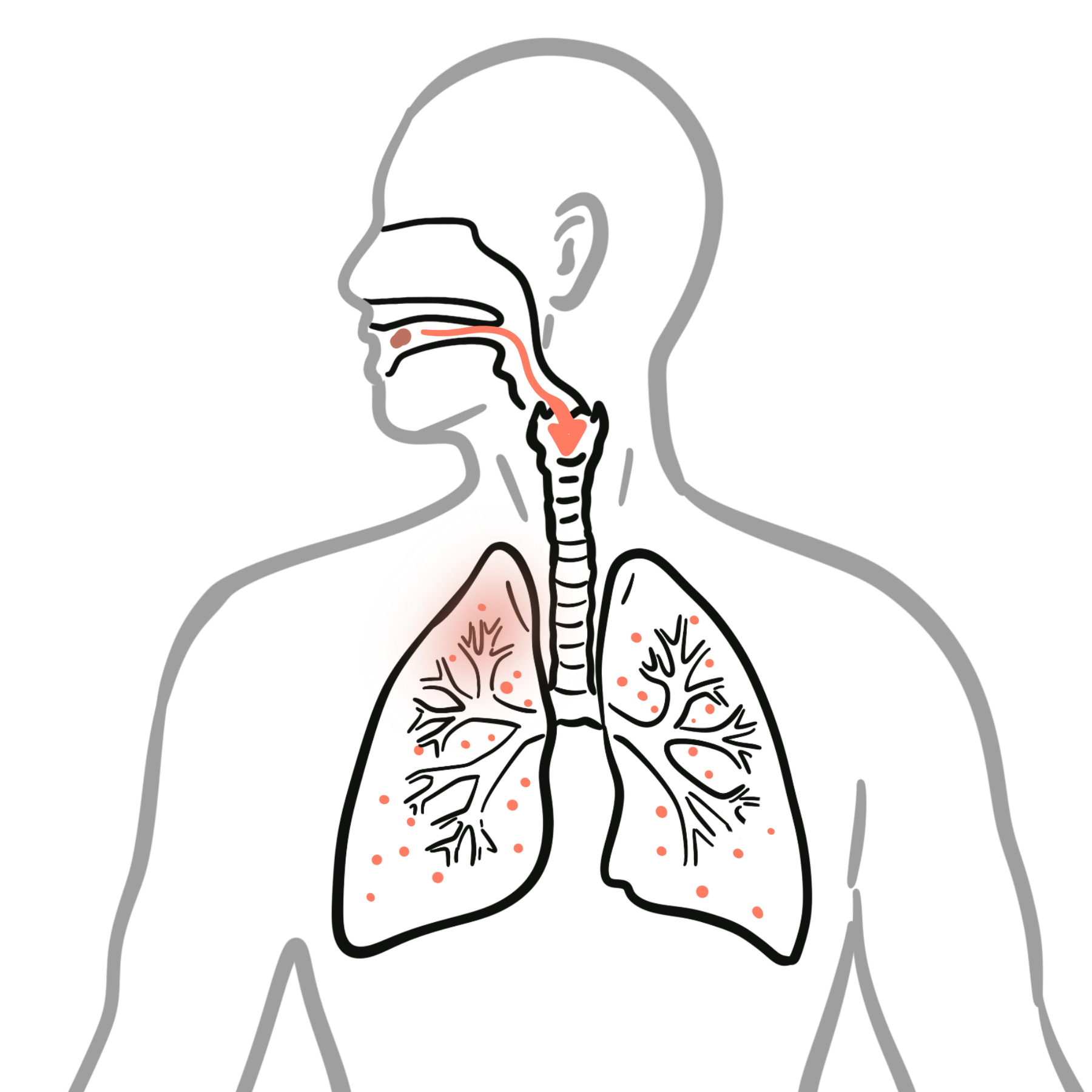
Aspiration Pneumonia
Overview Aspiration pneumonia is an acute pulmonary infection caused by inhalation of bacteria-rich oropharyngeal or upper gastrointestinal material into the lower respiratory tract. It occurs when aspiration is combined with impaired airway protection, ineffective clearance and sufficient pathogenic bacterial burden. It is particularly important in older adults, people with neurological disease, frailty, dysphagia or reduced…
View topic ↗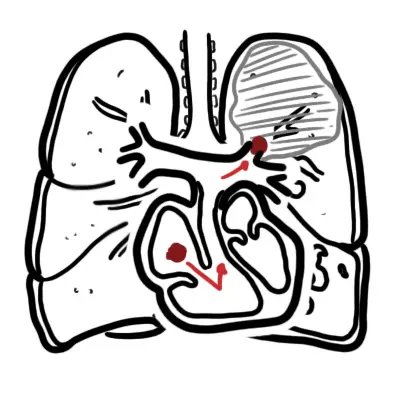
Pulmonary Embolism
Overview Pulmonary embolism occurs most often from a dislodged thrombus from the lower limb (DVT). The embolus travels towards the lung and becomes lodged in the pulmonary artery resulting in infarction of the lung tissue. Pulmonary Embolism: Deep Vein Thrombosis (DVT): Blood clot in the deep venous system that usually affects the lower extremities or…
View topic ↗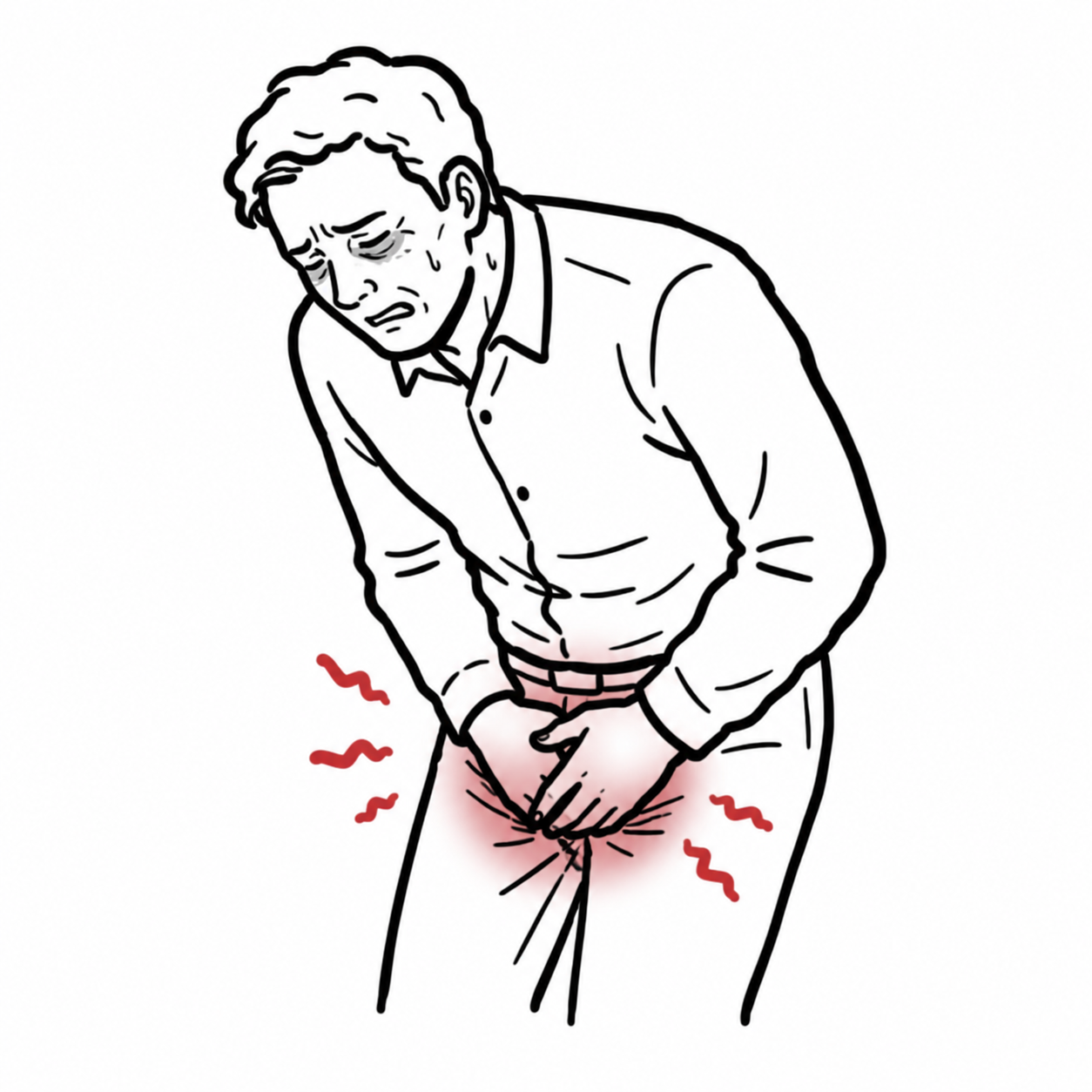
Testicular Torsion
Overview Testicular torsion is a urological emergency caused by twisting of the spermatic cord, leading to acute interruption of blood flow to the testis and rapid ischemia. It most commonly occurs in adolescents (peak 12–18 years) but can occur at any age, including neonates. The incidence is approximately 1 in 4,000 males under 25 years. Early…
View topic ↗Full resource library
Browse all topics ↗Choose how you learn
One idea. More than one way to see it.
Use the format that helps the topic click, then switch formats when you need to reinforce it.
01 / WATCH02 / READ03 / SEE04 / CHECK
Videos
Hand-drawn explanations that build the big picture as the concept unfolds.
Notes
Clear written explanations for review, reference and filling in the details.
Diagrams
Visual snapshots that help you easily review topics.
Questions
Test whether the explanation stayed with you—not just whether it looked familiar.
Good places to begin
Explanations learners return to.
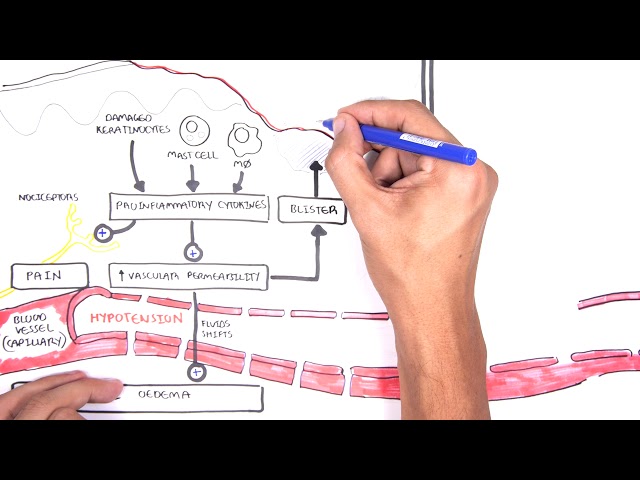
Burns – Pathophysiology
Understand the pathophysiology of burns, including the types of tissue damage and systemic responses involved. This video covers the cellular and inflammatory processes that occur after burn injury to aid in clinical comprehension and treatment planning.
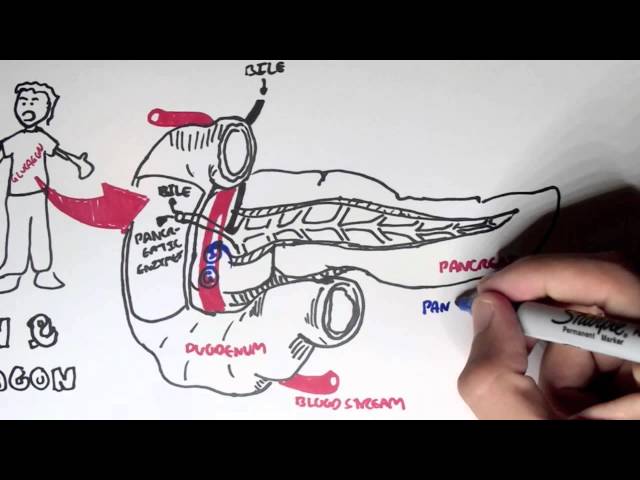
Insulin and Glucagon Overview
Understand the opposing roles of insulin and glucagon in regulating blood glucose levels, energy storage, and metabolic balance. This educational video explains their mechanisms of action, hormonal control during fed and fasting states, and clinical relevance in diabetes and endocrine physiology.
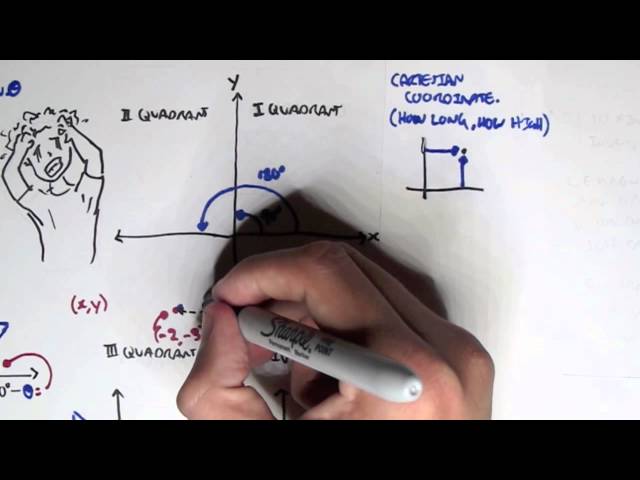
Physics Revision – Trigonometery II
Strengthen your understanding of trigonometry in physics with this video covering advanced applications like vector resolution, angle calculations, and wave analysis. Ideal for exam prep, this lesson reinforces how sine, cosine, and tangent are used to solve real-world physics problems.
Our mission
Medical science is complex. Understanding it should feel possible.
Armando Hasudungan turns difficult medical science into clear visual explanations and connected learning experiences—so learners can see the whole picture, remember what matters and find a clearer way forward.
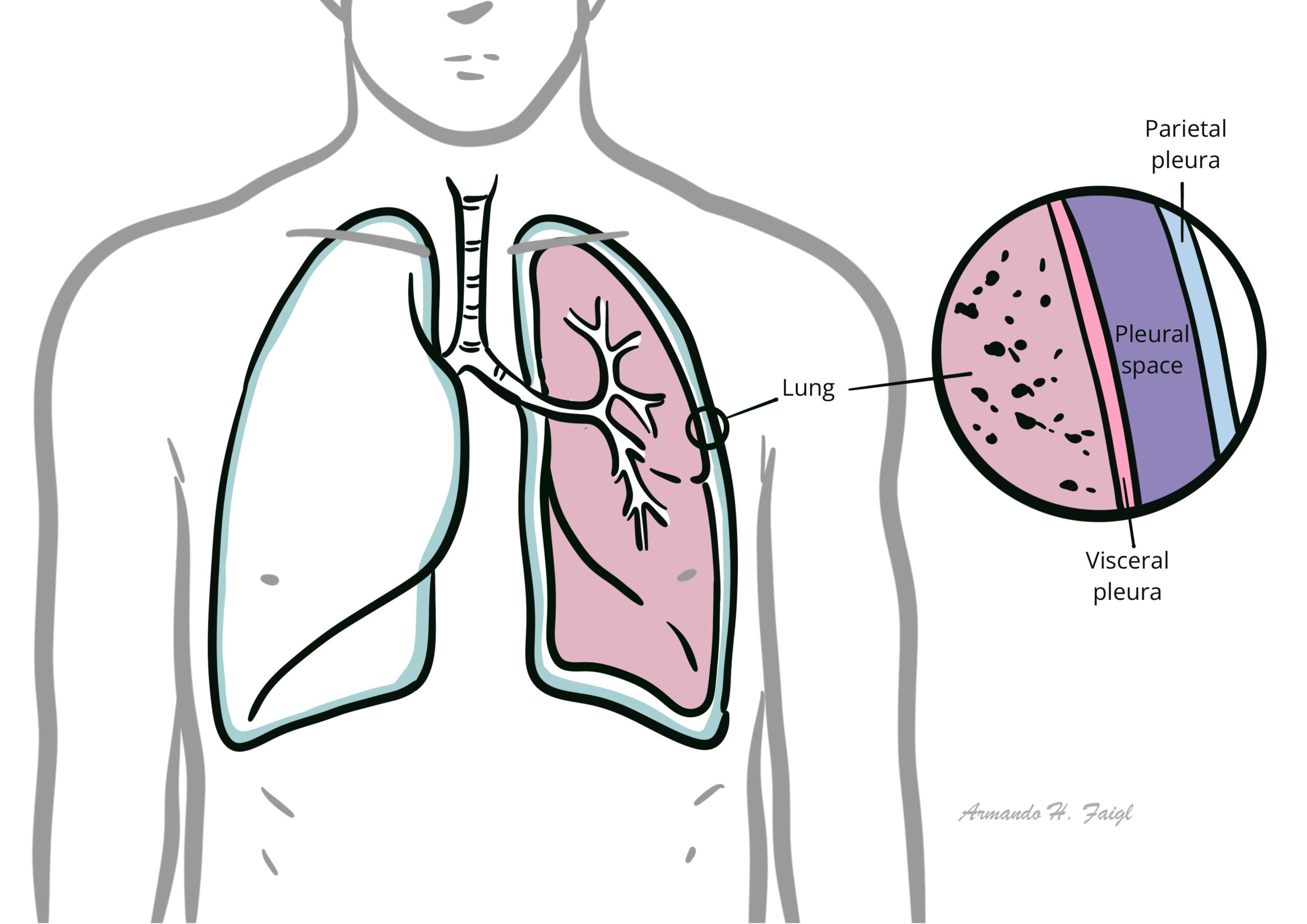

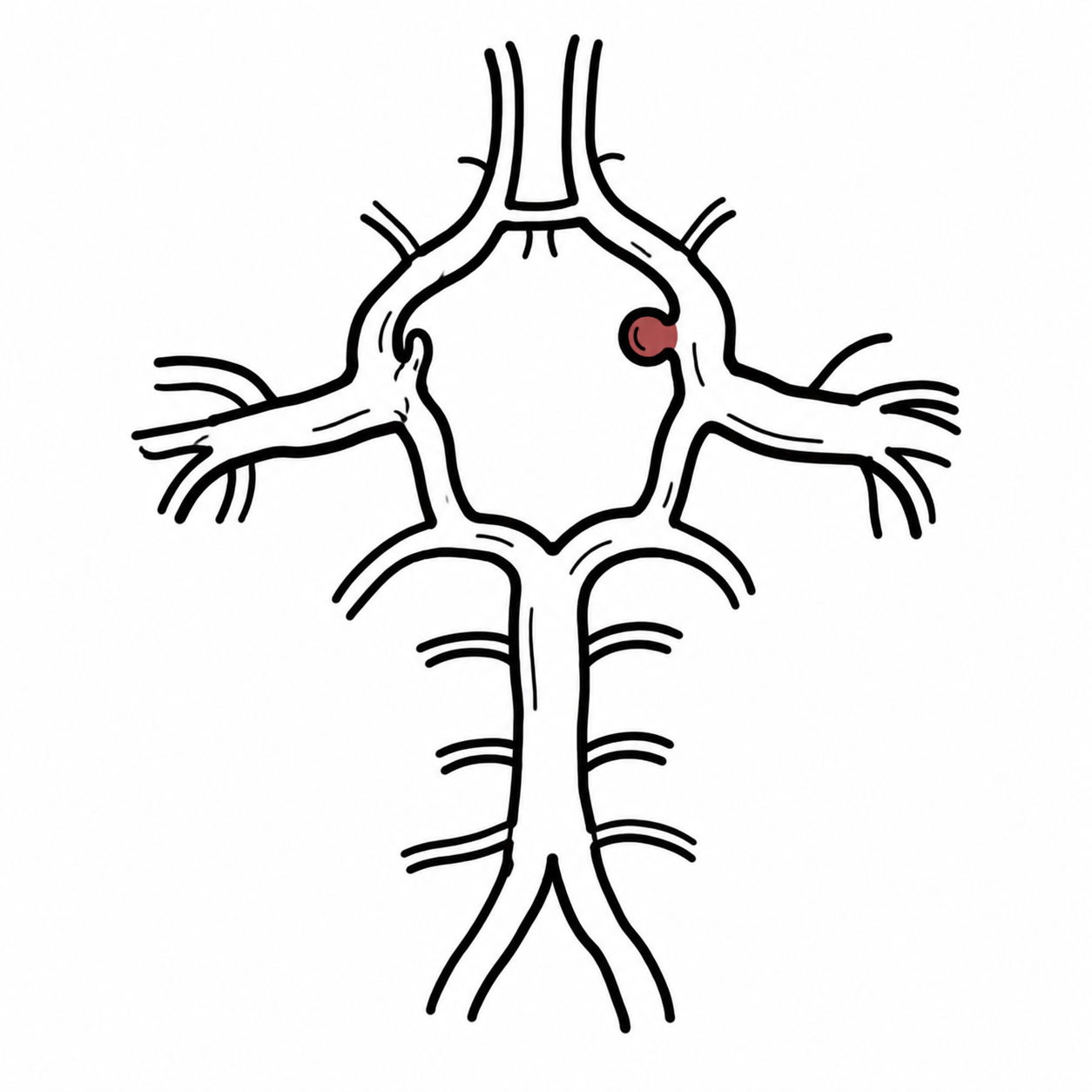
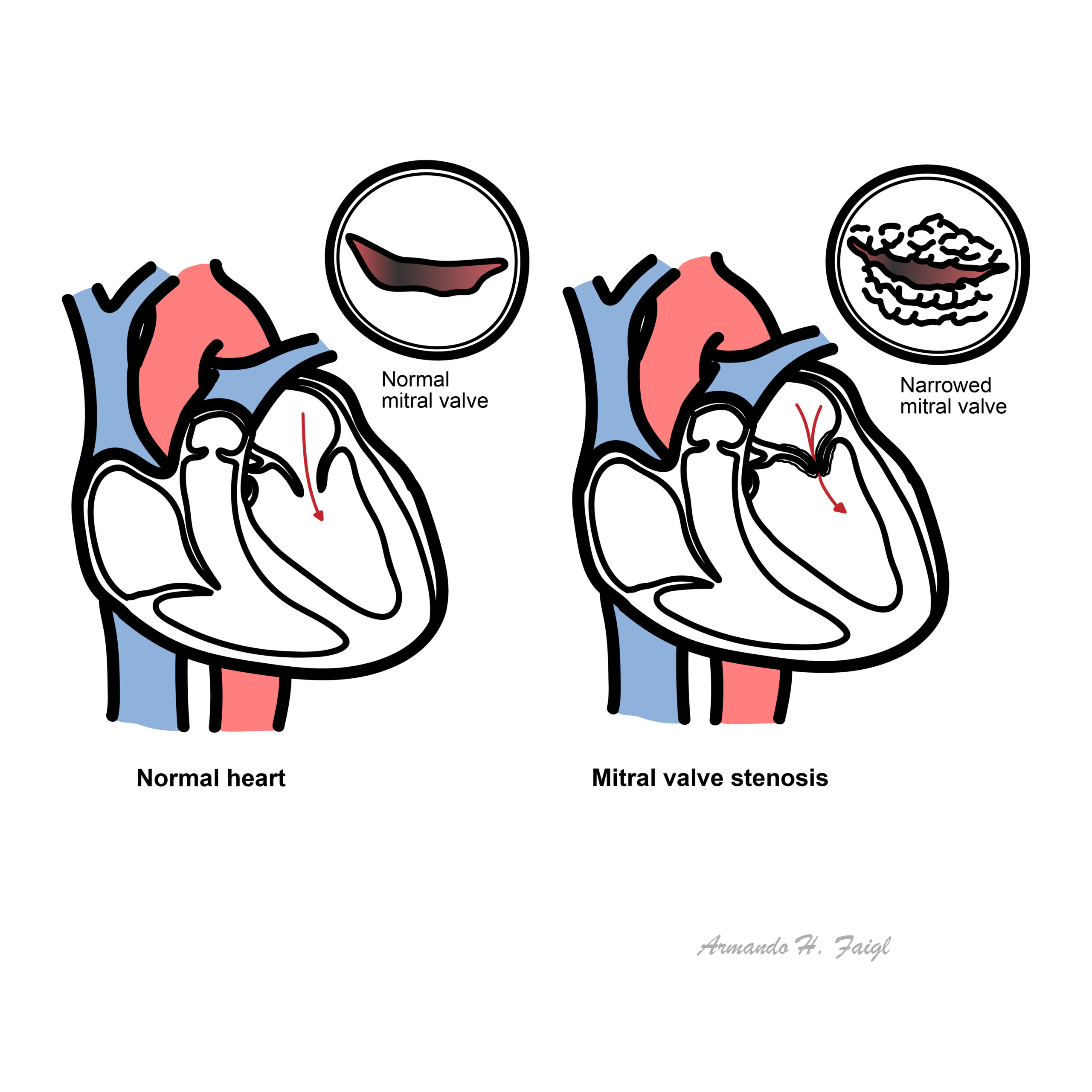
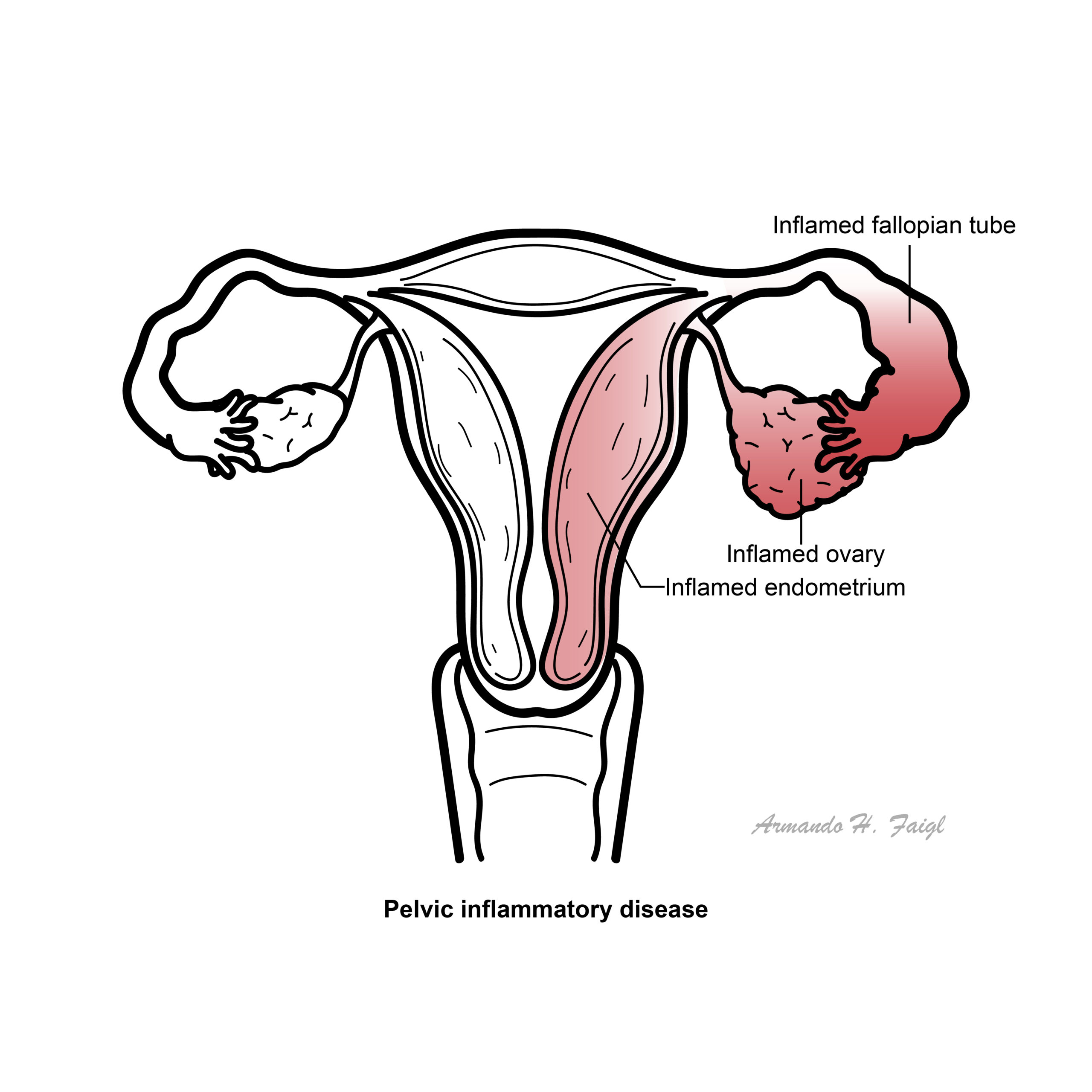
See it clearly
Turn abstract processes and invisible relationships into something the learner can picture.
Connect the pieces
Build understanding around how concepts fit together—not a pile of isolated facts.
Make it useful
Help learners move from explanation to recall, revision and the next logical step.
What clarity feels like
When the topic stops being a blur.
Learners do not come back because the subject became easy. They come back because the explanation gave them a picture they could work with.
“Armando's teaching style gives me the foundational knowledge.
Jessica Payne-Burnett
Medical Student, Charles Sturt University
“The notes I make during his videos help me retain everything better.
Ayesha RaiStudent, Islamabad Medical and Dental College
“The drawings are amazing and super easy to remember.
Reem Mohamed Khair Abdalrazig
Student, Neelain University
Coming soon: the AH study platform
The explanation is only the start.
The free library helps you find a clear explanation. The AH platform is being built to help you connect the resources, follow a clearer path and check what actually stuck.
- Watch in a focused, ad-free study environment.
- Move between connected videos, notes, diagrams and questions.
- Know what belongs next instead of rebuilding the study path yourself.
- Test your understanding while the topic is still fresh.
New and worth a look
Keep building the picture.
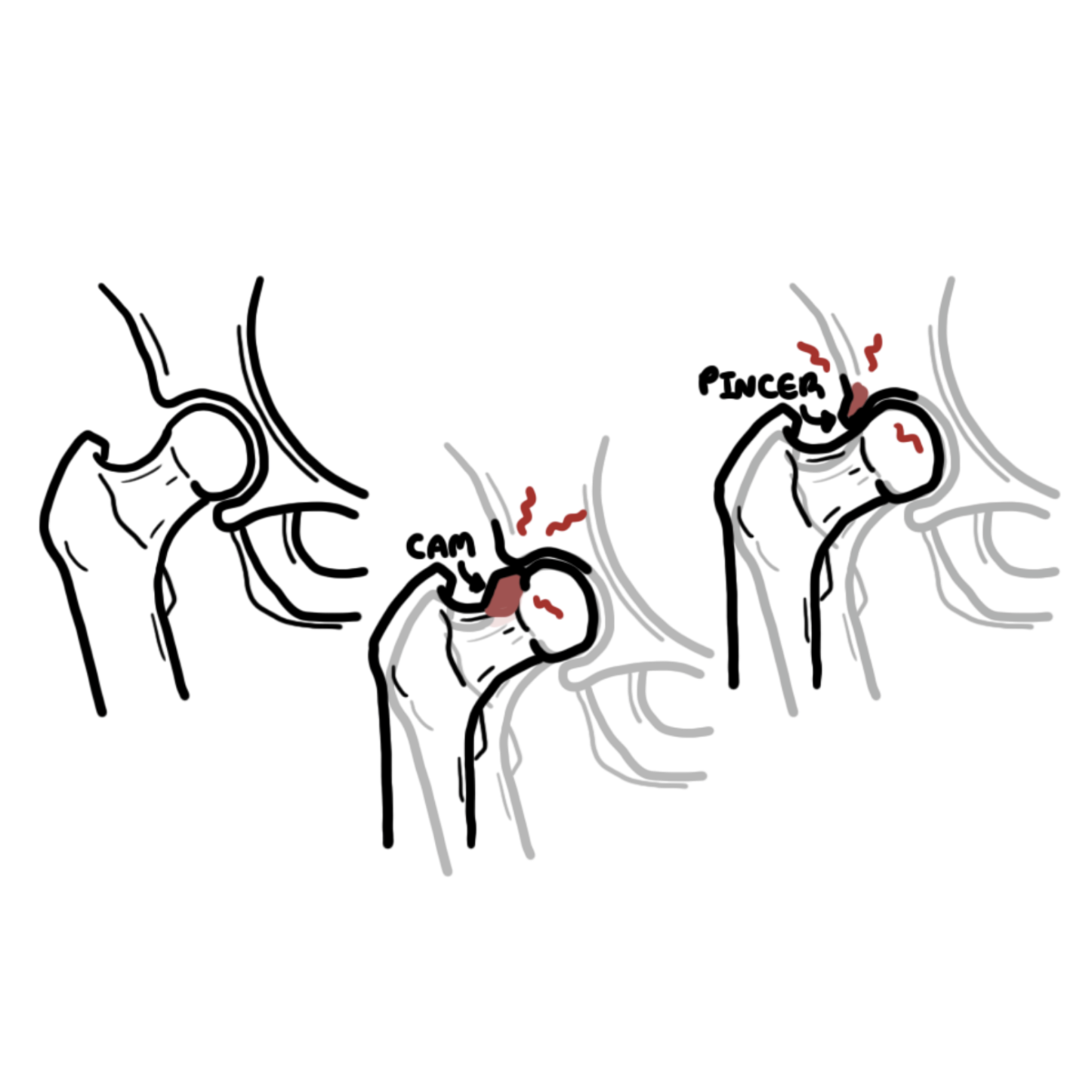
Femoroacetabular Impingement Syndrome
Overview Femoroacetabular impingement syndrome (FAIS) is a motion-related clinical disorder of the hip in which symptoms and clinical signs occur in association with characteristic femoral and/or acetabular morphology. The accepted diagnostic concept is a triad of symptoms, clinical signs and imaging findings ; bone morphology alone does not establish the syndrome. Patients commonly present with…
View this topic ↗Deep Neck Infection Causes, specific syndromes and symptoms, Complications & TreatmentExtensor Tendon Anatomy & Injuries Explained | Zones, Clinical features and examinationApoptosis – internal and external pathwaysMCL Knee Tear Explained Symptoms, Grades and TreatmentPharmacodynamics Explained Agonists, Antagonists, Efficacy & AffinityFlexor Tendon Injury & Anatomy Explained Zones, Anatomy, Diagnosis & Treatment
About Visualising Medicine
Good education does not remove complexity. It makes complexity feel simple.
Visualising Medicine is the team behind Armando Hasudungan. We bring together medicine, illustration, writing and technology to make difficult ideas clearer—and build better ways for learners to use them.