

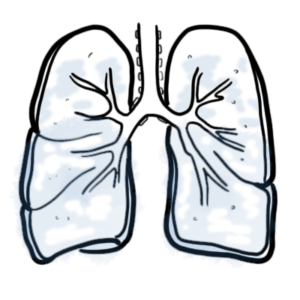
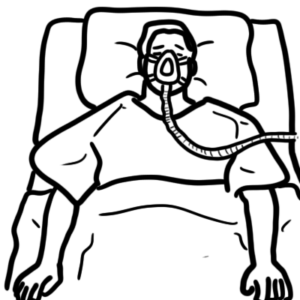
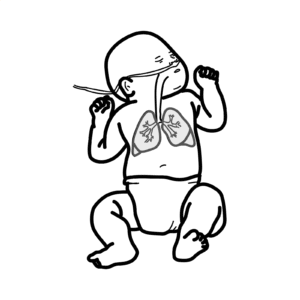
Pulmonary vascular permeability refers to the ability of fluid and solutes to pass through the walls of pulmonary blood vessels into the lung interstitium and alveoli. It is crucial in maintaining normal lung function and gas exchange, but increased permeability can lead to pulmonary oedema and impaired oxygenation. A key clinical association is acute respiratory distress syndrome, where heightened permeability causes life-threatening fluid accumulation in the lungs.
Please confirm you want to block this member.
You will no longer be able to:
Please allow a few minutes for this process to complete.