Glucuronidation
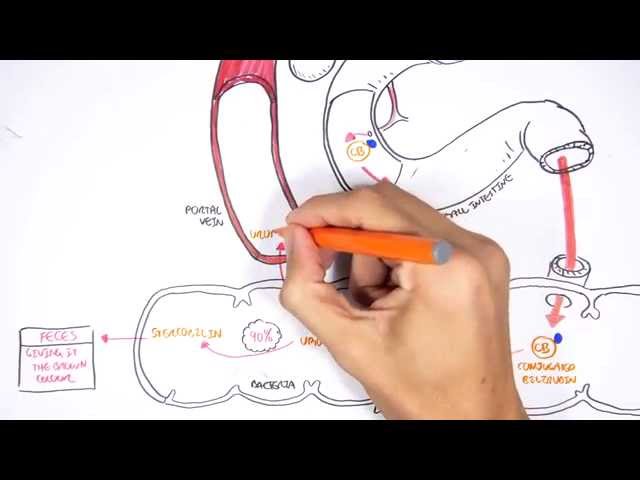
Glucuronidation is a metabolic process in which glucuronic acid is conjugated to a substrate, typically drugs or endogenous compounds, to enhance their solubility and facilitate excretion via urine or bile. This phase II reaction is crucial in pharmacology, as it influences drug clearance, efficacy, and toxicity. A key example is the metabolism of morphine, where glucuronidation produces active metabolites that can lead to altered analgesic effects and potential side effects.