

Members have early access to this video
Learn about membershipBunions (Hallux Valgus) – Causes, Symptoms & Treatment Explained
Learn how bunions (hallux valgus) form, cause pain, and what treatments really work — from footwear changes and physiotherapy to chevron, Lapidus, and Taylor surgeries. This clear, practical guide explains bunion anatomy, risk factors, symptoms, diagnosis, and stepwise management.
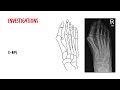
This video breaks down what viewers will learn: the mechanics behind medial deviation of the first metatarsal and lateral drift/rotation of the big toe, how toes should align during gait, and why weakened ligaments, muscle imbalance, genetics, age, and narrow/high-heeled shoes increase bunion risk. You’ll see how bunionettes (tailor’s bunions) differ, what to expect on clinical exam and weight-bearing X-rays, and the diagnostic threshold (typically >15°).
Key benefits of watching include actionable prevention and symptom-control strategies — simple footwear adjustments, targeted analgesia, and physiotherapy programs (stretching, strengthening, gait re-education) to slow progression and reduce pain — plus clear criteria for when surgical referral is appropriate. The video also outlines three main corrective procedures: the chevron osteotomy for mild deformities, the Lapidus fusion for tarsometatarsal hypermobility, and more extensive osteotomies for severe deformity or first MTP joint arthritis, with plain-language descriptions of what each surgery repairs and why.
If bunion pain is affecting your daily life, this video gives the knowledge to make informed choices with your clinician about conservative care versus surgical correction. Watch to understand your options and take the next step toward lasting foot comfort and function.