

Members have early access to this video
Learn about membershipIliopsoas Tendinopathy Explained | Anterior Hip Pain Causes, Diagnosis & Treatment
Iliopsoas tendinopathy and bursitis cause persistent anterior hip pain—learn how to diagnose, treat, and prevent iliopsoas-related groin pain. This video explains anatomy, causes, symptoms, imaging, and management of iliopsoas tendonopathy and bursitis for clinicians, athletes, and active patients.
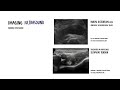
Discover how repetitive hip flexion, biomechanical imbalances, and sudden load increases create microtrauma to the iliopsoas tendon and inflame the iliopsoas bursa. You’ll learn to recognize classic signs—deep groin pain radiating to the thigh or knee, tenderness in the femoral triangle, pain with resisted hip flexion, snapping sensations—and how dynamic tests reproduce snapping internal hip phenomena. The video outlines key differential diagnoses (psoas abscess, femoral neck stress fracture, inguinal hernia) and why ultrasound and MRI are essential for confirming tendon thickening, bursal distension, and associated intra-articular pathology.
Benefit from clear, evidence-based treatment options: activity modification, targeted physiotherapy emphasizing iliopsoas stretching and hip stabilizer strengthening, NSAIDs/ice, and ultrasound-guided corticosteroid injections for diagnostic and therapeutic relief. Surgical tendon release is presented as a last resort for refractory snapping hip. Practical prognosis advice stresses excellent recovery with early recognition and load management, plus tips to prevent recurrence in athletes and active adults.
Watch to gain actionable diagnostic clues, imaging pointers, and a stepwise treatment plan to restore function and reduce pain—ideal for healthcare professionals and anyone seeking fast, lasting relief from iliopsoas-related hip pain.