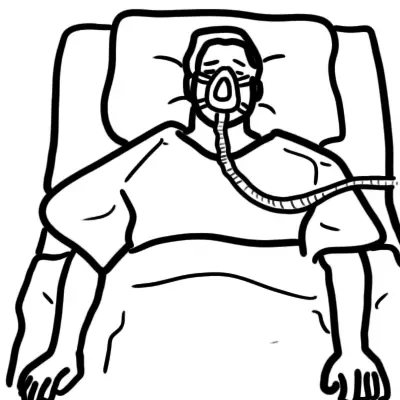
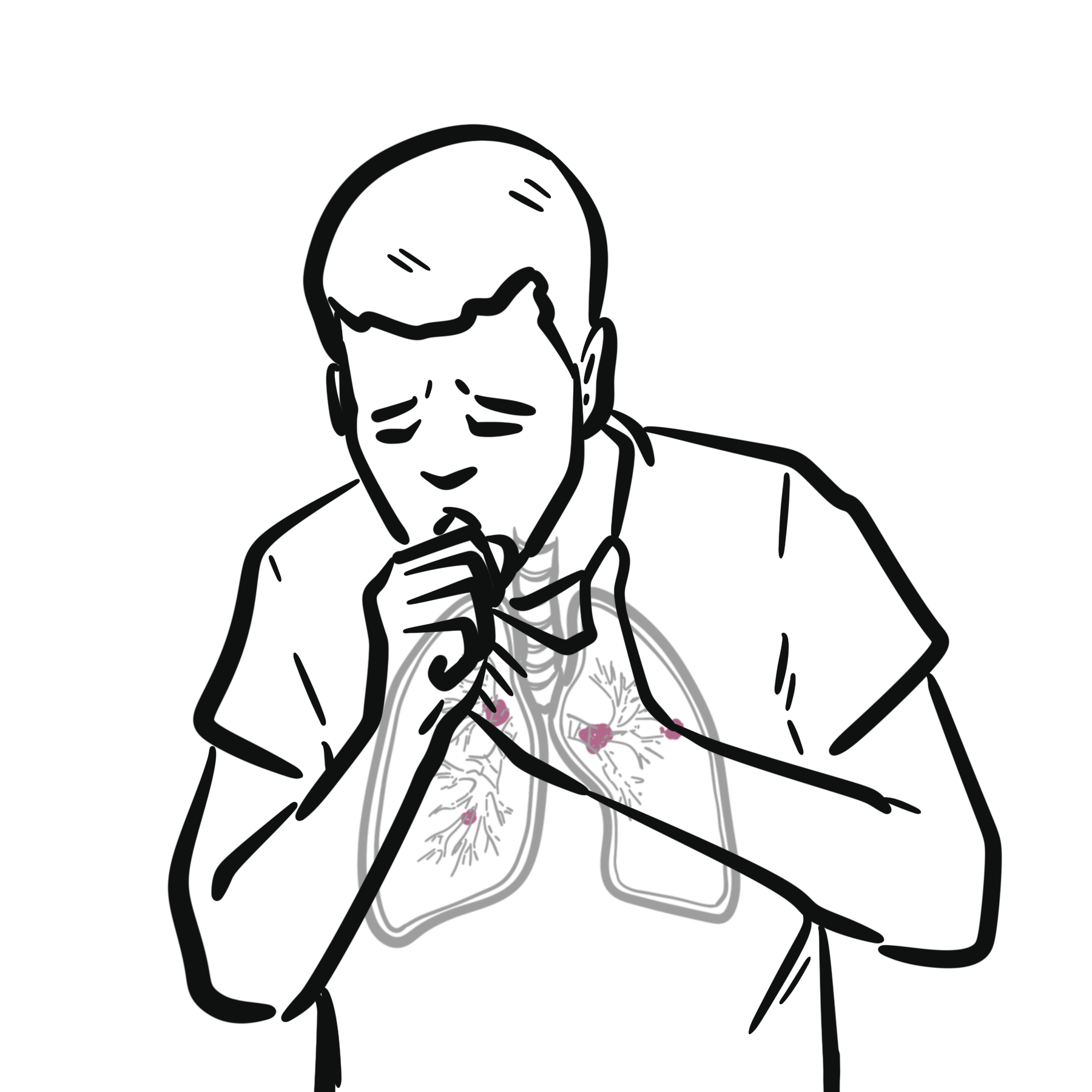
Dyspnea (Greek dys, meaning “painful,” “difficult,” and pneuma, meaning “breath. Dyspnea is the medical term for subjective experience of breathlessness or shortness of breath. Dyspnea can be acute when it develops over hours to days and chronic when it has been for more than four to eight weeks.
Remember As a rule, chronic dyspnea begins with breathlessness on exertion—which, in time, progresses to dyspnea at rest.
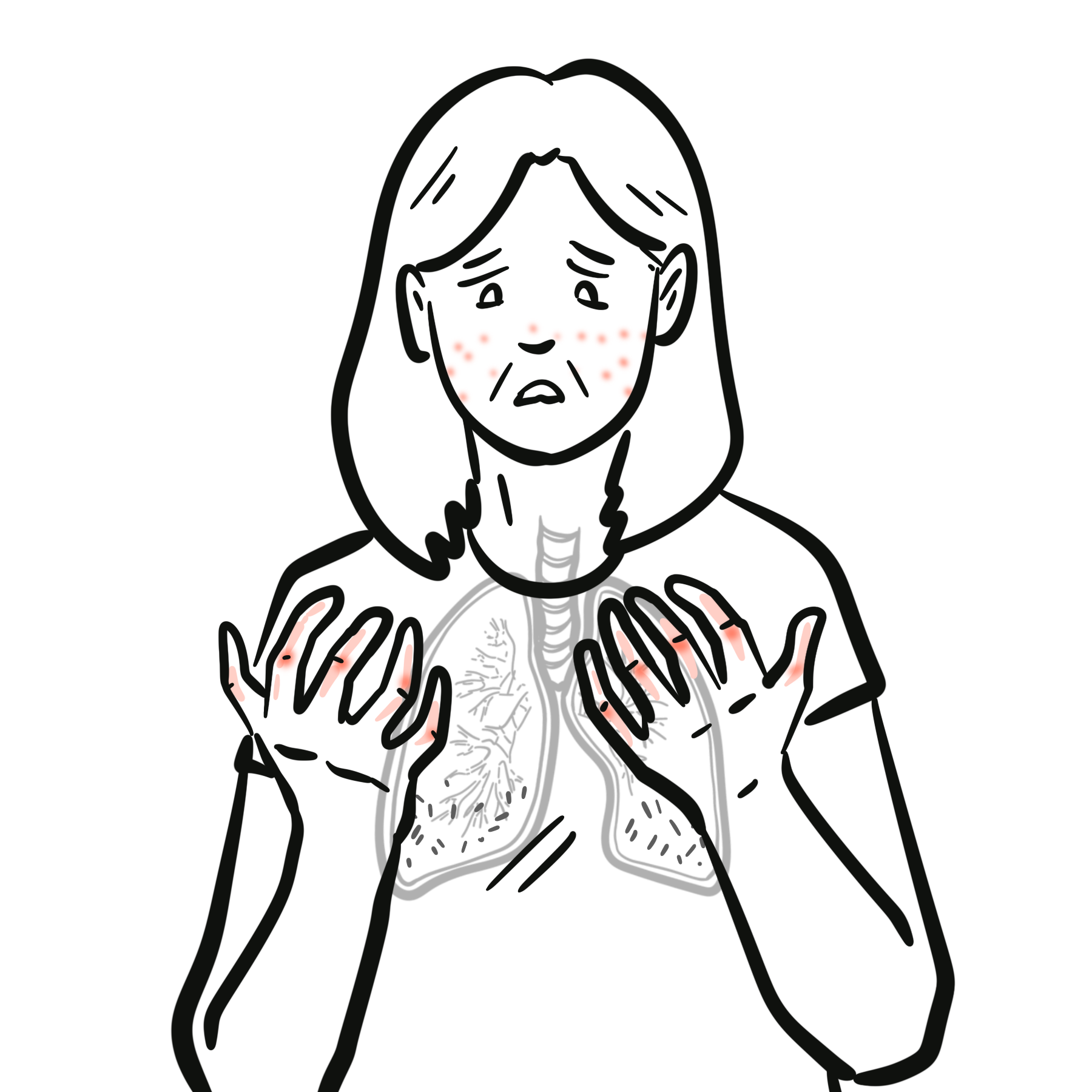
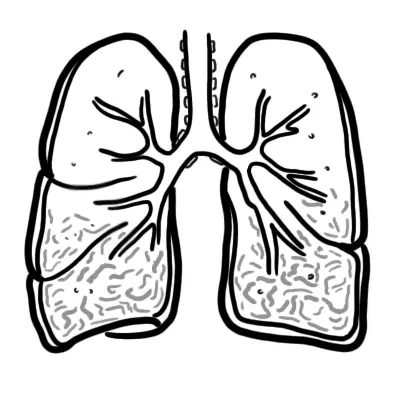
Dyspnea may be due to diseases in virtually any organ system, whether caused by interference with breathing, increased demand for breathing, or weakening of the respiratory pump. In most cases, however, patients with dyspnea can be categorized into one of two groups: respiratory related dyspnea or cardiovascular related dyspnea.
Full blood count (to exclude anaemia): The degree of dyspnea associated with anaemia may depend on the rapidity of blood loss and the degree of exertion that the patient undertakes.





Members only discussions coming soon…