

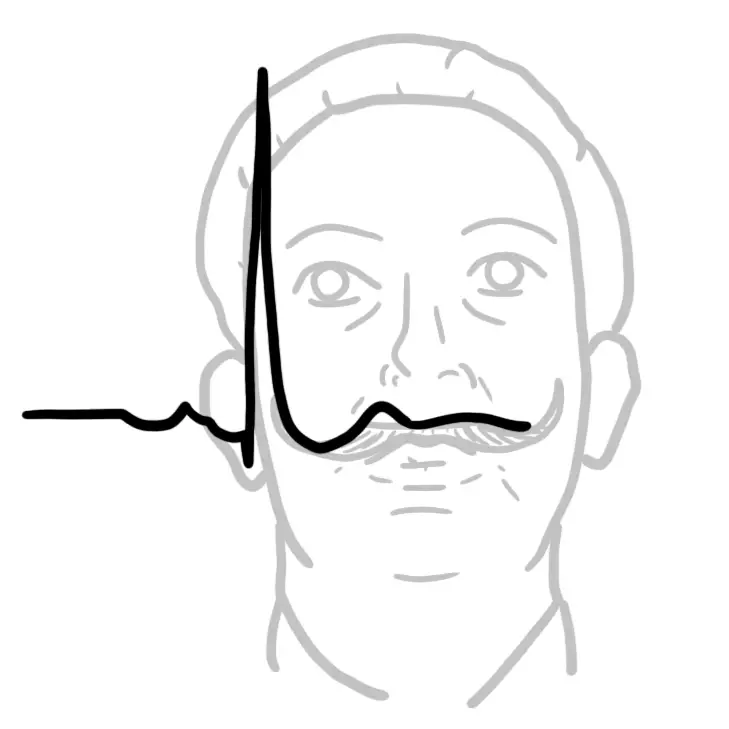
Delayed afterdepolarizations
Delayed afterdepolarizations (DADs) are abnormal depolarisations occurring after the completion of an action potential, primarily due to intracellular calcium overload or increased sodium influx, often seen in cardiac myocytes. Clinically, DADs can lead to arrhythmias, particularly in conditions such as heart failure or digitalis toxicity, increasing the risk of potentially life-threatening ventricular tachycardia. Recognising DADs is crucial for effective management of these arrhythmic events.