Members have early access to this video
Learn about membershipBacteria Structure and Function Explained | Microbiology Basics
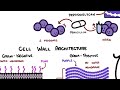
Bacterial structure explained: learn bacterial cell envelope, Gram-positive vs Gram-negative, peptidoglycan, LPS, plasmids, ribosomes, capsules, flagella, and pili. This concise video breaks down bacterial anatomy and its clinical importance, showing how cell membranes and peptidoglycan walls determine gram stain, antibiotic susceptibility, and targets like penicillin; how lipopolysaccharide (LPS) and lipid A drive severe gram-negative sepsis; and how plasmids spread resistance genes such as ESBL and carbapenemases. Viewers will understand prokaryotic traits—nucleoid DNA, 70S ribosomes (30S/50S) as antibiotic targets, and rapid binary fission—so you can connect structure to function, pathogenesis, and treatment strategies. Key benefits: clear comparisons of gram-positive (thick peptidoglycan, penicillin-sensitive) versus gram-negative (outer membrane, LPS barrier), practical examples (Streptococcus pyogenes, Staphylococcus aureus/MRSA, E. coli, Klebsiella, Neisseria, Salmonella, Haemophilus), and explanations of virulence factors like capsules (vaccine targets), flagella (motility), and pili (adherence and horizontal gene transfer). Whether you’re a student preparing for exams, a healthcare professional refreshing microbiology basics, or simply curious about how bacteria cause disease and resist antibiotics, this video offers actionable insights and memorable examples. Watch to strengthen your understanding of microbial structure–function links and improve diagnostic or treatment reasoning.