

Members have early access to this video
Learn about membershipLysosome Explained: Structure, Function, Autophagy & Clinical Correlates
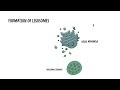
Lysosomes: how they digest, recycle, and protect cells — learn lysosome structure, enzymes, formation, functions, and disease. Lysosomes are membrane-bound organelles packed with hydrolytic enzymes (proteases, lipases, glycosidases, nucleases) that function in an acidic environment maintained by V-type ATPases. This video explains lysosome structure, how the Golgi and endoplasmic reticulum produce and target enzymes via mannose-6-phosphate tagging, and how endosome maturation creates active lysosomes. Viewers will learn the core processes lysosomes enable — intracellular digestion, autophagy, endocytosis, phagocytosis, immune defense, recycling of macromolecules, and their role in apoptosis — plus how lysosomal membrane integrity prevents cellular damage. The episode also covers clinical implications: lysosomal storage diseases like Tay–Sachs, Gaucher, Pompe, and Niemann–Pick, detailing enzyme deficiencies, substrate buildup, and resulting neurological, visceral, and muscular symptoms. Expect clear, practical explanations of mechanisms (proton pumps, enzyme classes, mannose-6-phosphate targeting), real-world applications for cell biology and medicine, and why lysosomal health matters for tissue function and immunity. Whether you’re a student, educator, or healthcare professional, this concise, engaging overview builds a solid foundation for understanding cellular waste management and related genetic disorders. Watch to master lysosomal biology and its medical relevance — subscribe for deeper dives into lysosomal storage diseases and therapeutic approaches.