

Members have early access to this video
Learn about membershipGrowth, Metabolism, and Survival of Bacteria / Microbe
Infectious Diseases
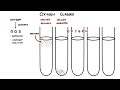
Microbes survive anywhere by mastering nutrients, oxygen use, and flexible metabolism—learn how these strategies drive infection, persistence, and lab diagnostics. This video explains microbial nutrient needs (macronutrients, trace elements like iron and siderophores), energy and carbon strategies (phototrophs, chemotrophs, autotrophs, heterotrophs), and why most pathogens are chemo-heterotrophs. Discover how oxygen shapes metabolism—obligate aerobes, obligate anaerobes, facultative anaerobes, microaerophiles, and aerotolerant species—plus the role of reactive oxygen species and defense enzymes (catalase, peroxidase, superoxide dismutase) in survival and diagnostic tests. Watch clear comparisons of aerobic respiration, anaerobic respiration, and fermentation (ATP yields, end products like lactic acid and ethanol) and how these pathways inform culture results such as lactose fermentation on MacConkey agar. Learn microbial stress responses—heat shock proteins, urease-mediated acid neutralization by Helicobacter pylori, osmotic solutes, and ROS detox systems—and how cells enter survival modes: persister cells that tolerate antibiotics and endospores that withstand extreme conditions. Practical takeaways include why iron sequestration (nutritional immunity) influences infection, how metabolic traits underpin lab identification, and how persistence mechanisms cause chronic or relapsing infections. Whether you’re a student, clinician, or science enthusiast, this concise guide equips you to understand pathogen behavior, diagnostic clues, and targets for treatment. Watch now to deepen your grasp of microbial survival and its implications for disease control.