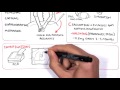
0:00 In this video, we're going to talk about opioid overdose, not opioid withdrawal 0:12 . 0:12 The signs and symptoms for opioid overdose include apnea, hypotension, low 0:18 blood pressure, 0:21 convulsions which are muscle contractions, meiosis, pupil constrictions, a 0:28 decreased 0:29 respiratory rate which is very dangerous. 0:32 Addicts can have signs, track marks on their arm, forehand and thrombosed veins 0:38 . 0:39 Chest X-ray may show signs of non-cardiogenic pulmonary edema on the chest X- 0:45 ray. 0:45 These signs include bat wings and curly bead lines. 0:49 The etiology of opioid overdose are obviously opioids, including morphine, 0:57 heroin, and 0:58 methadone. 0:59 Ethidine, coding, buprenorphine, and methadone. 1:06 The management is important to take a good history and examination, as many 1:11 conditions 1:11 can mimic the signs and symptoms we see in opioid overdose. 1:16 We look at A, airway, which is you're looking for airway patency, B is for 1:22 breathing, and 1:23 this includes giving a bag and mask, or patients may require intubation. 1:30 C is for circulation, get IV access, and administer naloxone. 1:36 This is for a therapeutic trial, about 0.8 milligrams every 2.2 to 3 minutes, 1:42 and this 1:42 is a trial to see if the patient actually has opioid overdose, because naloxone 1:48 is a 1:48 reversal agent. 1:51 So, administer naloxone and regularly check for response. 1:57 The investigations include performing an ECG, a chest X-ray, and doing an 2:04 opioid urinary 2:05 screen. 2:07 And also, abdominal X-ray, if drug packers are suspected. 2:12 Drug packers are essentially people that ingest a lot of opioid and pack them 2:18 up in their 2:19 essentially gut, in their abdomen, and this will allow them to cross borders 2:24 undetected 2:24 supposedly. 2:26 However, if these burst, it can cause signs of opioid toxicity. 2:32 Finally, bloods can be performed, including a full blood count, liver function 2:38 tests, 2:38 and electrolyte urea creatinine. 2:45 Also remember, if patients with retained opioid field drug package, consider 2:51 bowel irrigation. 2:54 Now if naloxone works, the effects of opioid will wear off. 2:59 However, for those addicted to opioids, there can be signs and symptoms of 3:04 withdrawal, 3:04 up to 2 hours post. 3:07 Those of opioid withdrawal include nausea, vomiting, abdominal cramps, and 3:15 diarrhea. 3:16 Finally there are treatment strategies available for the aim to reduce opioid 3:23 addiction. 3:24 These include counseling, a 12-step program, psychological therapy, and 3:30 medications, including 3:32 initially naltrexone, which is different to naloxone, buprenorphine, and methad 3:39 one. 3:40 However, these have to be strictly regulated for these individuals, as some may 3:46 still 3:46 abuse these drugs.