

Members have early access to this video
Learn about membershipOsteogenesis Imperfecta
Osteogenesis Imperfecta (brittle bone disease) causes fragile, osteoporotic bones and recurrent fractures due to defective type I collagen. In this clear, concise video you’ll learn the genetic basis, clinical signs, diagnostic approach, and treatment options for OI, including common COL1A1/COL1A2 mutations and bisphosphonate therapy.
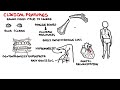
Watch to understand the core pathology—how collagen defects weaken the bone matrix and produce features like blue sclera, dentinogenesis imperfecta (brittle teeth), ligamentous hypermobility, and short stature in severe forms. The video explains the four commonly discussed types (Type I: mild with blue sclera; Type II: lethal prenatally; Type III: severe nonlethal with marked deformity; Type IV: mild–moderate) and highlights complications such as hearing loss, cardiac valve and aortic involvement, and pulmonary impairment from chest deformity and scoliosis.
Viewers will gain practical diagnostic insight: when ultrasound or prenatal screening can detect severe forms, what clinical history and exam findings to prioritize, key radiographic features (thin cortex, osteopenia, bowing, fracture lines, and bisphosphonate “zebra lines”), and when to use genetic testing. Treatment focus centers on antiresorptive therapy with bisphosphonates plus multidisciplinary monitoring of hearing, dental, cardiac, and respiratory function to reduce morbidity.
Whether you’re a clinician, student, or caregiver, this video delivers actionable knowledge about managing OI, recognizing red flags, and improving patient outcomes. Watch now to deepen your understanding and learn practical steps for diagnosis, treatment, and long-term care.