

Members have early access to this video
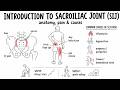
Learn about membershipIntroduction to Sacroiliac Joint (SIJ) anatomy, pain and causes
Sacroiliac joint pain explained: learn causes, symptoms, and practical diagnosis tips for SIJ dysfunction and sacroiliitis. This video breaks down sacroiliac (SI) joint anatomy, why women—especially during pregnancy—are more vulnerable, and the key differences between inflammatory and mechanical causes. Viewers will understand the joint’s limited motion, stabilizing ligaments (notably the interosseous sacroiliac ligament), and how surrounding muscles influence symptoms.
You’ll learn to recognize classic SIJ pain: deep unilateral buttock ache often localized with a single-finger sign, pain that may refer to the lateral thigh or groin but rarely below the knee, and common triggers like prolonged sitting, stair climbing, single-leg loading, or transitional movements. The video covers major causes—trauma, lumbar fusion overload, leg length discrepancy, scoliosis, overuse, pregnancy-related ligament laxity, fractures, infection, and autoimmune sacroiliitis (ankylosing spondylitis)—and highlights red flags such as constant severe pain with fever or elevated inflammatory markers.
Practical value: follow step-by-step clinical exam maneuvers clinicians use to assess SIJ involvement—the thigh thrust, distraction/gapping, compression, sacral thrust, Gaenslen’s, and Patrick’s tests—plus how combining multiple positive tests and imaging improves diagnostic confidence. Benefits include faster identification of SIJ pain, clearer differentiation from lumbar or hip pathology, and actionable clues for targeted treatment, rehab, or referral.
If you want clearer assessment strategies and to reduce misdiagnosis of low back and pelvic pain, watch to learn the signs, causes, and exam techniques you can use clinically or discuss with your healthcare provider.