

Visual explanationFree resource
Visual medical education by Armando Hasudungan
Medical science, drawn into focus.
Explore visual explanations that reveal how the facts, processes and clinical patterns fit together—then discover the coming AH study platform, built to guide what you study next and check what stuck.
Connected studyComing soon
Clear visual explanations used by medical and allied-health learners around the world.
Explore the free library
Start with the topic in front of you.
Browse by subject or jump straight into the explanation you need. No account required.
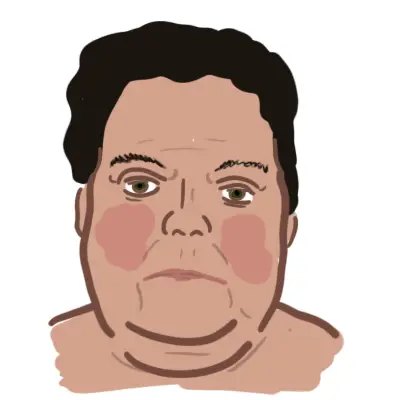
Cushing's Disease
Overview Cushing's syndrome is an over arching term to describe hypercortisolaemia dependent of independent of ACTH. Cushing's disease is a ACTH dependent syndrome characterised by excess corticosteroid production from the adrenal glands. It is ACTH dependent because it is triggered by an ACTH-secreting pituitary tumour. Adrenal Cushing's syndrome is different because it is hypercortisolaemia independent…
View topic ↗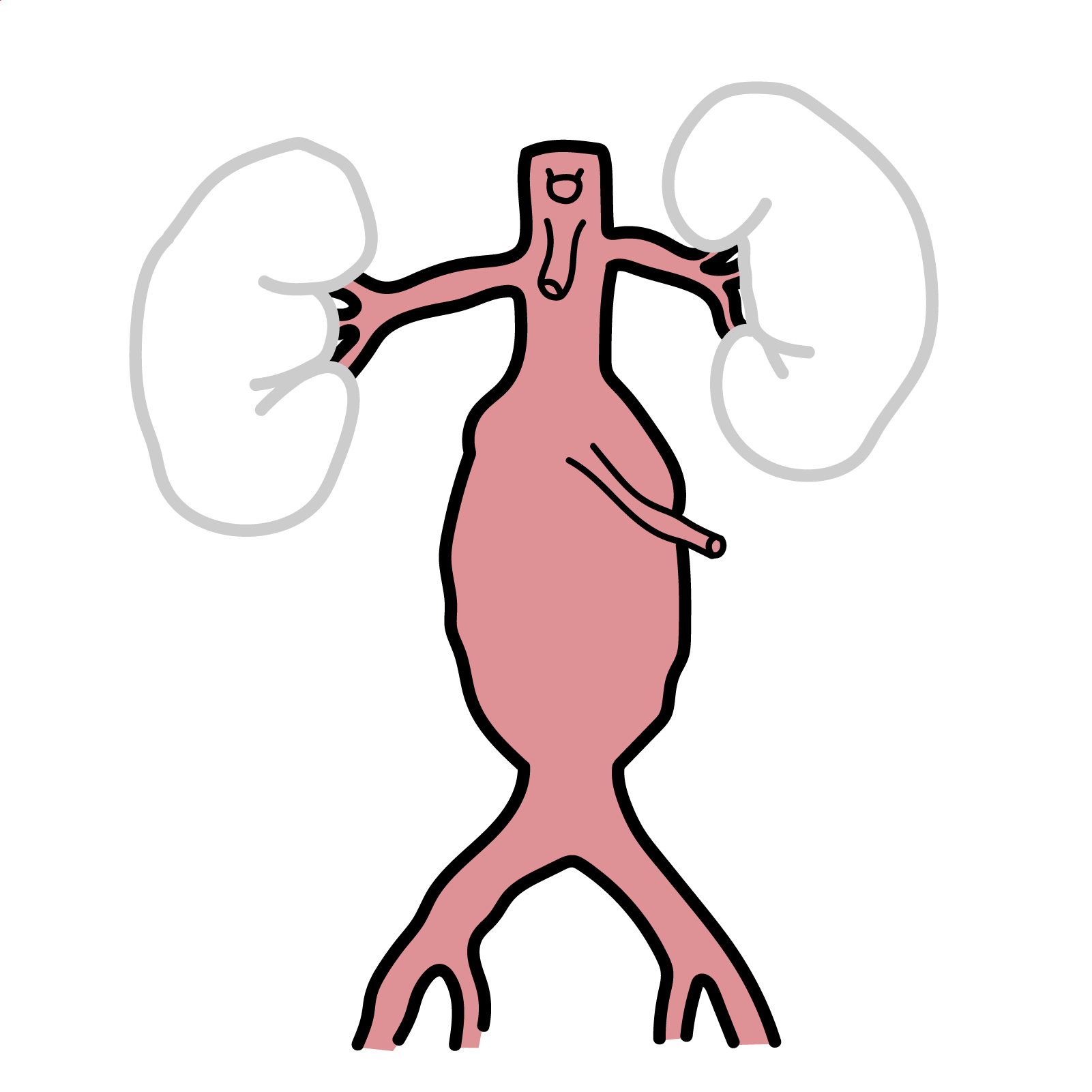
Ruptured Abdominal Aortic Aneurysm
Overview Abdominal Aortic Aneurysm, also known as AAA, is a permanent dilation of the abdominal aorta with a diameter of >1.5 times of the expected diameter. The adopted diameter that indicates AAA is 3cm or more. AAA is strongly associated with smoking and increasing age. Most of these aneurysms are fusiform and originate below the…
View topic ↗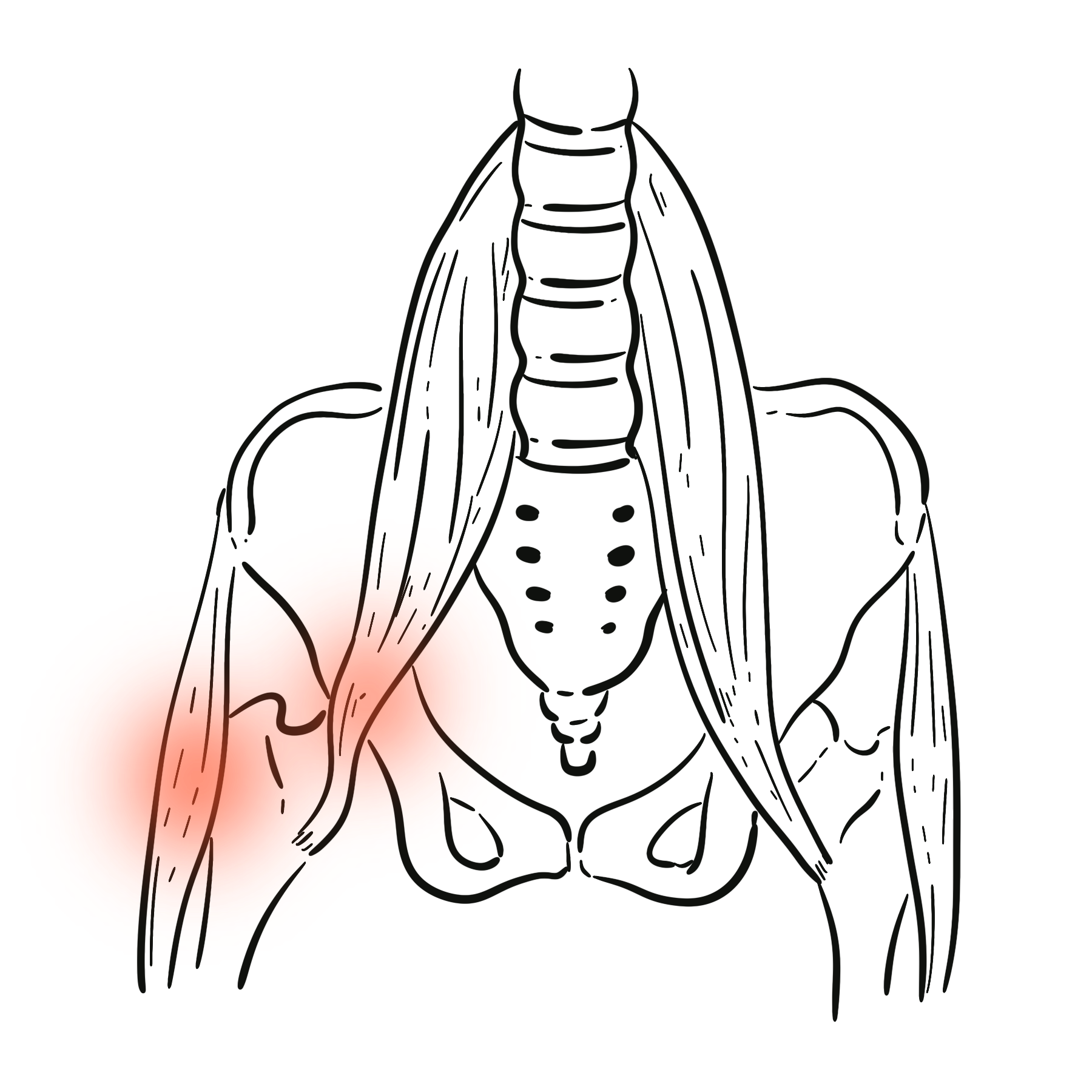
Snapping Hip Syndrome (Coxa Saltans)
Overview Snapping Hip Syndrome (SHS) is characterized by an audible or palpable “snap” around the hip during motion; it may be painless or painful and can be unilateral or bilateral. Prevalence estimates suggest up to ~5–10% of the general population may experience snapping to some degree, with higher rates in dancers and athletes who work…
View topic ↗
Anorectal Disease
Overview Anorectal conditions are a common presentation in the primary care setting. A history and physical examination usually will determine the etiology. Physical examination includes visual inspection, digital rectal examination, and anoscopy Anal Fissure More info on Anal fissures Anal Abscess More info on Anal Abscess Haemorrhoids More info on Haemorrhoids Other anorectal disease…
View topic ↗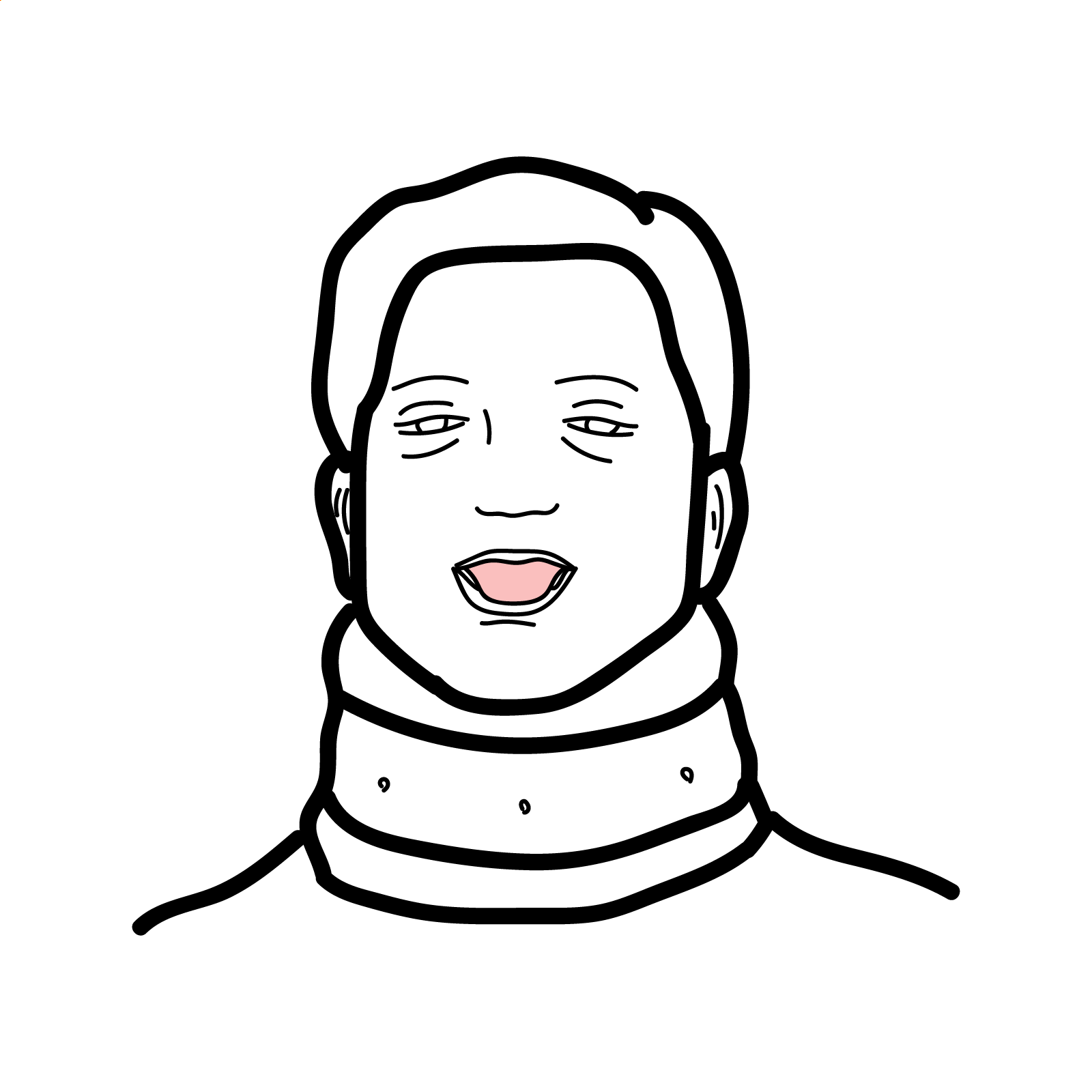
Botulism
Overview Botulism is a rare, life-threatening neuroparalytic syndrome caused by botulinum neurotoxin. It classically produces acute bilateral cranial nerve palsies followed by symmetrical descending flaccid paralysis, which may progress to respiratory failure. 1 Botulism is very rare in Australia, where most reported cases occur in infants younger than 12 months. Nevertheless, foodborne, wound and iatrogenic…
View topic ↗
Lymphoma
Types of Lymphoma Lymphoma is malignancy originating in the lymph nodes. There are two types: Hodgkins lymphoma Non-hodgkins lymphoma Classic Clinical Presentation Lymphadenopathy Constitutional symptoms Fever Night sweats Weight loss Differential Diagnosis of Lymphadenopathy Lymphoma Leukaemia Metastasis Infection Connective tissue disease – rheumatoid arthritis, SLE Infiltration – sarcoidosis Drugs – phenytoin Hodgkin's lymphoma Non-Hodgkin's lymphoma…
View topic ↗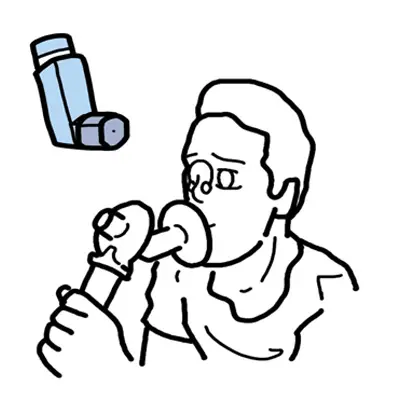
Asthma (Adults)
Clinical features of asthma such as dyspnoea, chest tightness and wheezing can mimic other respiratory conditions. It is important to take a careful history and examination and ideally demonstrate reversible airflow obstruction. Other clinical features of asthma arise during periods of bronchoconstriction (ie. exercise, smoking, stress, cold air). Exacerbation of asthma confounds the breathing difficulty, cough and wheeze in patients.
View topic ↗Full resource library
Browse all topics ↗Choose how you learn
One idea. More than one way to see it.
Use the format that helps the topic click, then switch formats when you need to reinforce it.
01 / WATCH02 / READ03 / SEE04 / CHECK
Videos
Hand-drawn explanations that build the big picture as the concept unfolds.
Notes
Clear written explanations for review, reference and filling in the details.
Diagrams
Visual snapshots that help you easily review topics.
Questions
Test whether the explanation stayed with you—not just whether it looked familiar.
Good places to begin
Explanations learners return to.
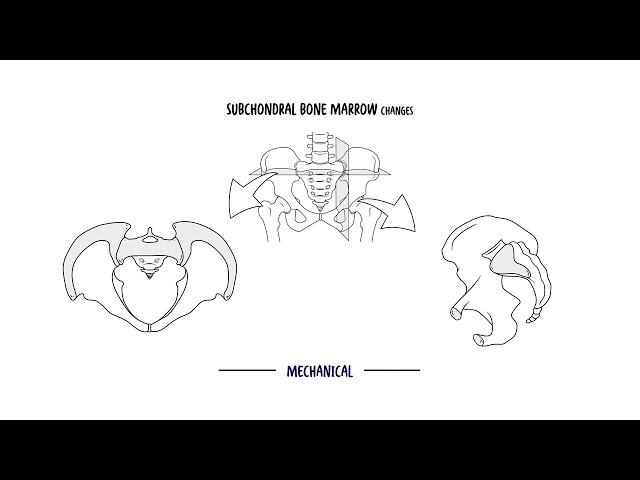
Inflammatory SI Joint Pain (Sacroiliitis) vs Mechanical: Key Clues
Discover how to recognize sacroiliitis, its causes, imaging signs, and key mimics to improve diagnosis and patient care. In this video we define sacroiliitis, explain primary causes like axial spondyloarthritis (including ankylosing spondylitis), psoriatic arthritis, IBD-related spondyloarthritis, and reactive arthritis, and show how inflammatory back pain presents (insidious onset, night pain, morning stiffness, improves with…

Neural Tube Defect – Overview (signs and symptoms, pathophysiology, treatment)
Learn about neural tube defects, including spina bifida and anencephaly, focusing on their causes, clinical presentation, and underlying pathophysiology. This video also discusses diagnosis, prevention with folic acid, and treatment options for affected individuals.
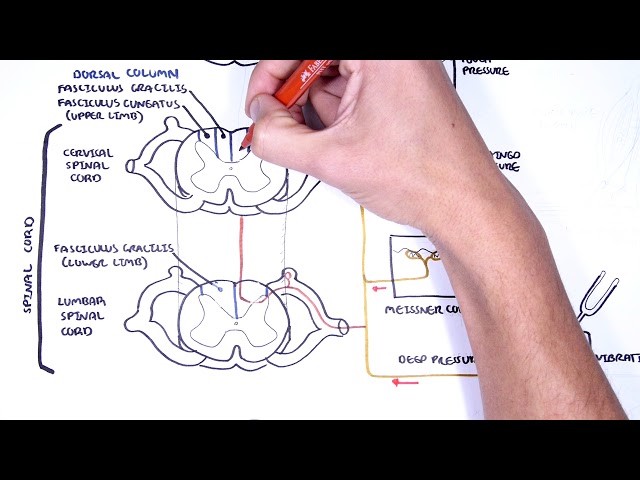
Sensory Tracts – Dorsal Column (Medial lemniscus) Pathway
Learn how the dorsal column–medial lemniscus pathway transmits fine touch, vibration, and proprioception from the body to the brain. This video breaks down its anatomy, function, and clinical relevance in sensory deficits.
Our mission
Medical science is complex. Understanding it should feel possible.
Armando Hasudungan turns difficult medical science into clear visual explanations and connected learning experiences—so learners can see the whole picture, remember what matters and find a clearer way forward.
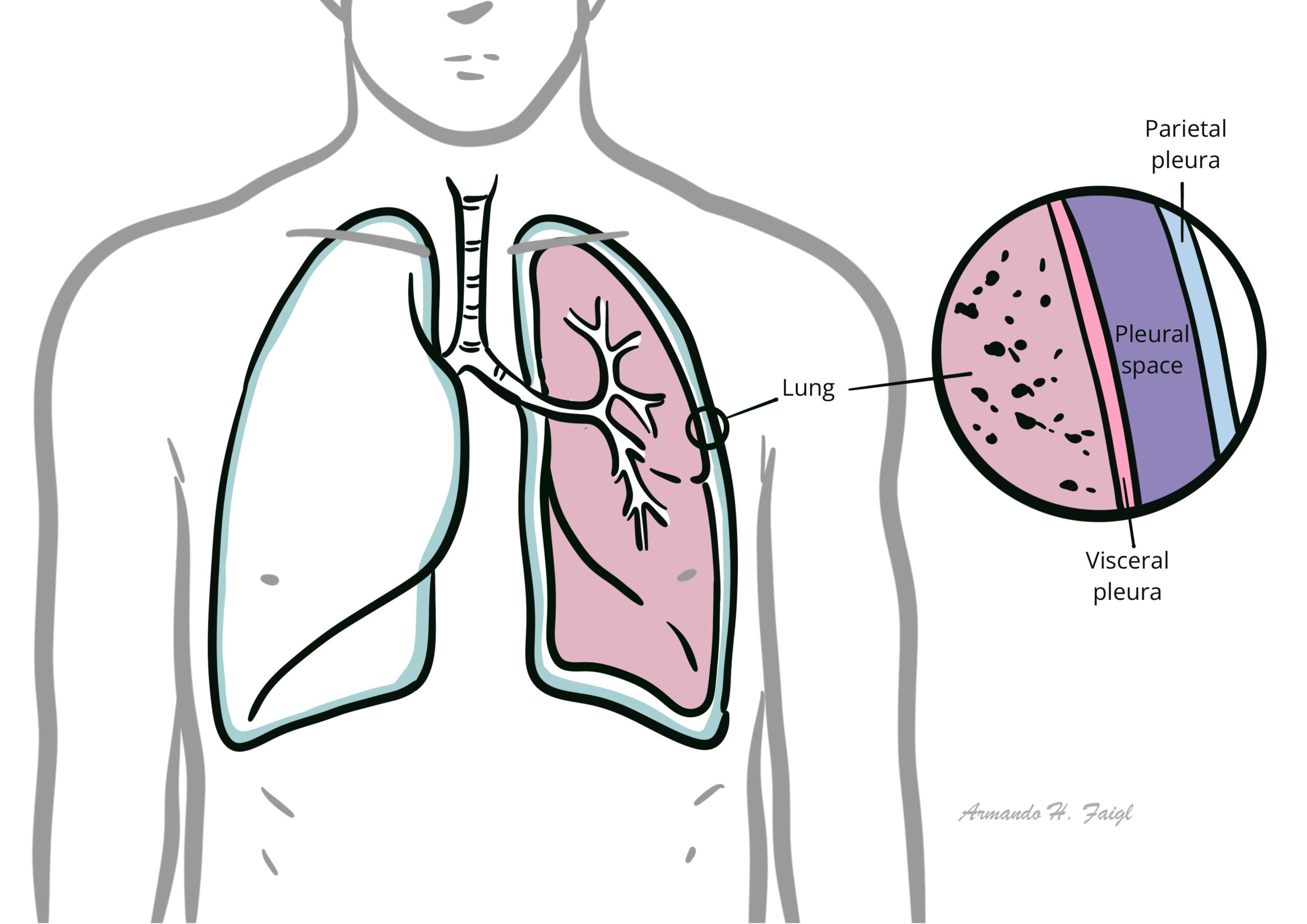

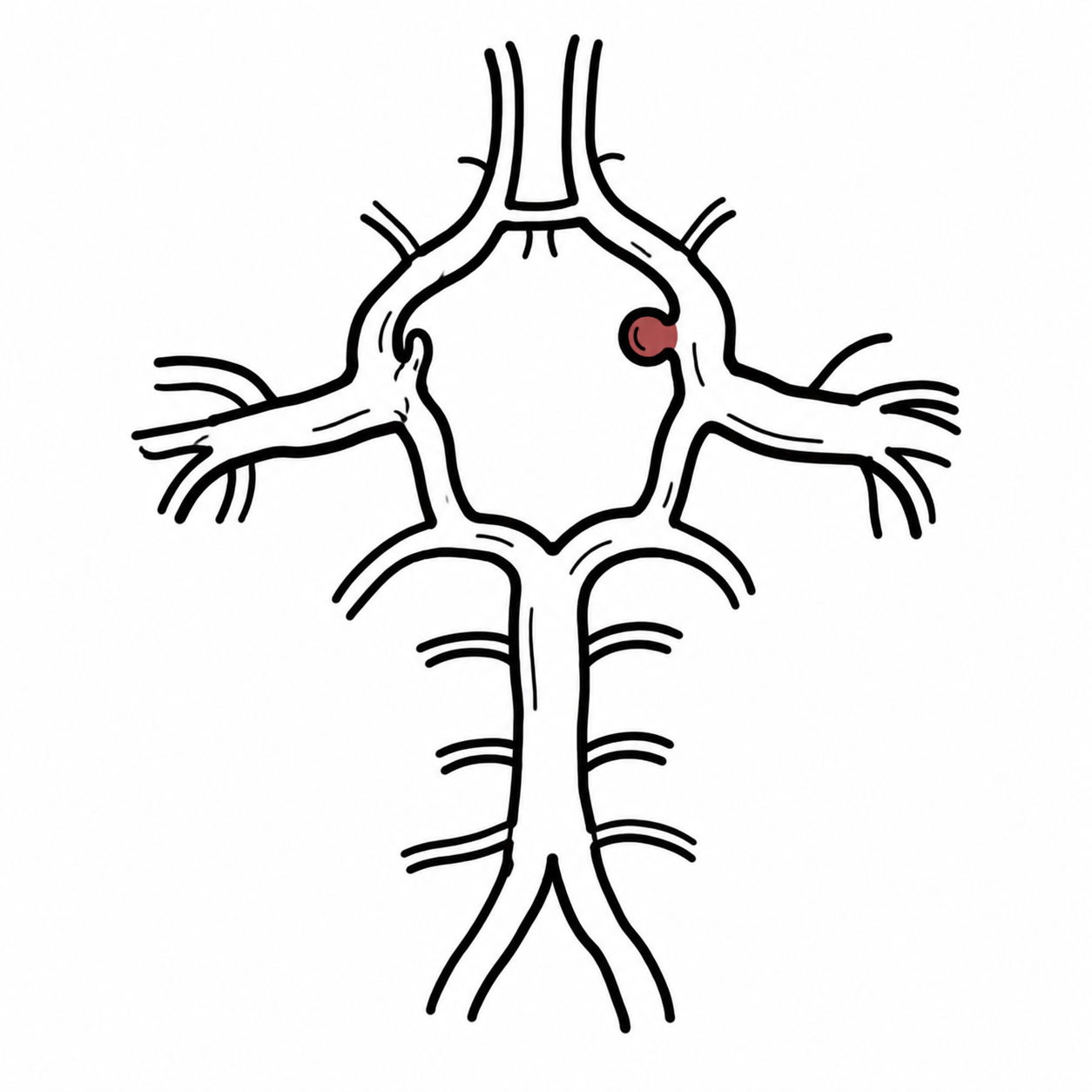
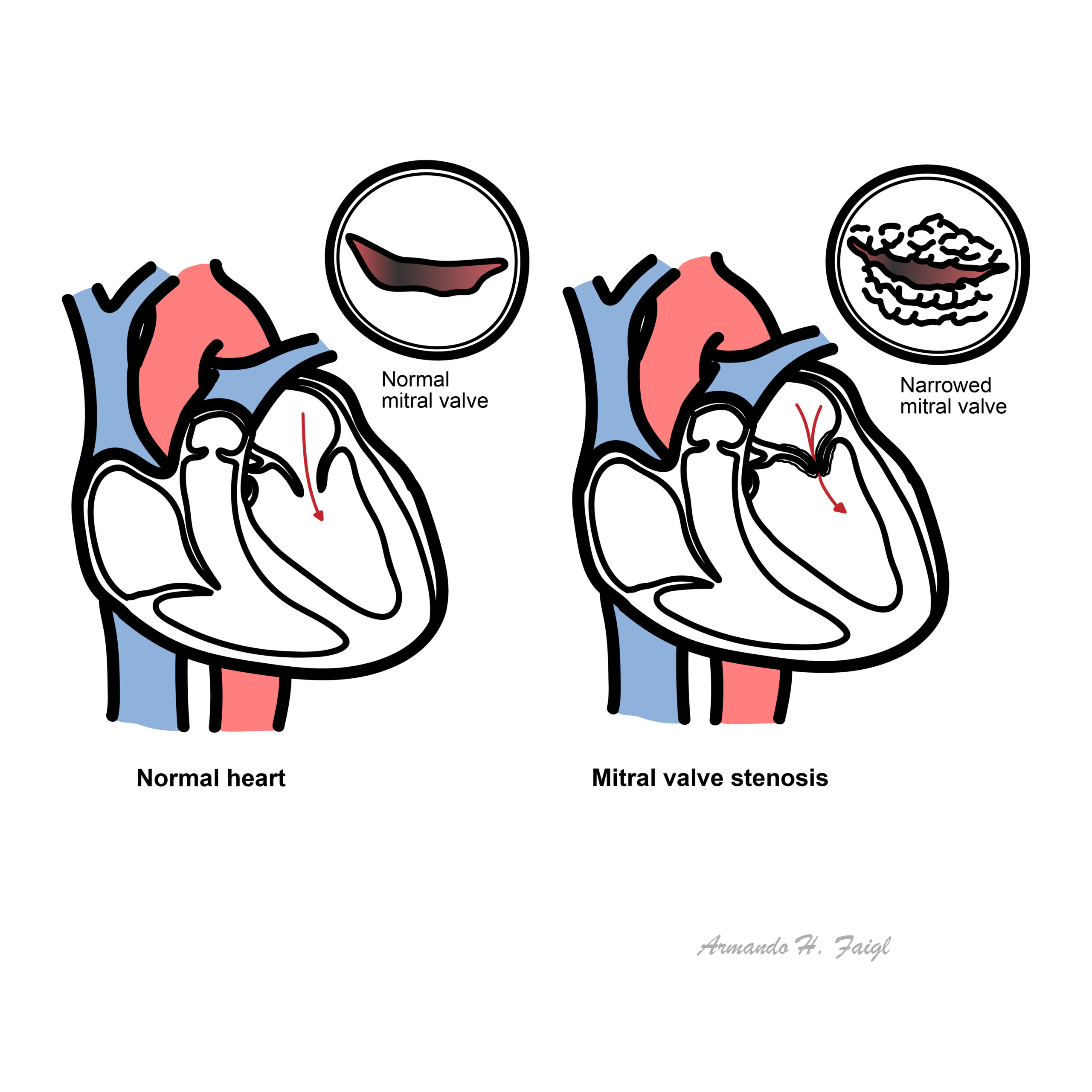
See it clearly
Turn abstract processes and invisible relationships into something the learner can picture.
Connect the pieces
Build understanding around how concepts fit together—not a pile of isolated facts.
Make it useful
Help learners move from explanation to recall, revision and the next logical step.
What clarity feels like
When the topic stops being a blur.
Learners do not come back because the subject became easy. They come back because the explanation gave them a picture they could work with.
“Armando's teaching style gives me the foundational knowledge.
Jessica Payne-Burnett
Medical Student, Charles Sturt University
“The notes I make during his videos help me retain everything better.
Ayesha RaiStudent, Islamabad Medical and Dental College
“The drawings are amazing and super easy to remember.
Reem Mohamed Khair Abdalrazig
Student, Neelain University
Coming soon: the AH study platform
The explanation is only the start.
The free library helps you find a clear explanation. The AH platform is being built to help you connect the resources, follow a clearer path and check what actually stuck.
- Watch in a focused, ad-free study environment.
- Move between connected videos, notes, diagrams and questions.
- Know what belongs next instead of rebuilding the study path yourself.
- Test your understanding while the topic is still fresh.
New and worth a look
Keep building the picture.
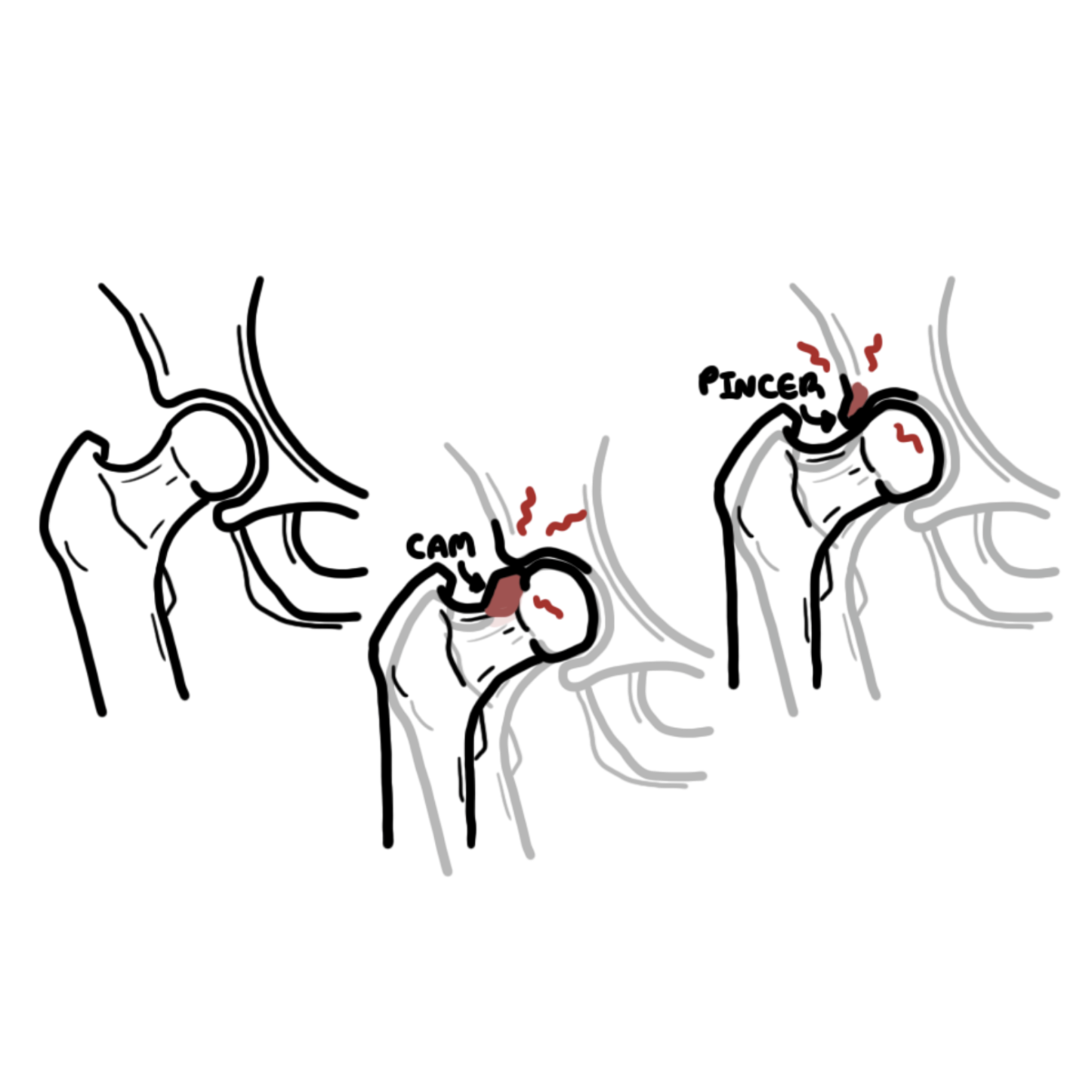
Femoroacetabular Impingement Syndrome
Overview Femoroacetabular impingement syndrome (FAIS) is a motion-related clinical disorder of the hip in which symptoms and clinical signs occur in association with characteristic femoral and/or acetabular morphology. The accepted diagnostic concept is a triad of symptoms, clinical signs and imaging findings ; bone morphology alone does not establish the syndrome. Patients commonly present with…
View this topic ↗Deep Neck Infection Causes, specific syndromes and symptoms, Complications & TreatmentExtensor Tendon Anatomy & Injuries Explained | Zones, Clinical features and examinationApoptosis – internal and external pathwaysMCL Knee Tear Explained Symptoms, Grades and TreatmentPharmacodynamics Explained Agonists, Antagonists, Efficacy & AffinityFlexor Tendon Injury & Anatomy Explained Zones, Anatomy, Diagnosis & Treatment
About Visualising Medicine
Good education does not remove complexity. It makes complexity feel simple.
Visualising Medicine is the team behind Armando Hasudungan. We bring together medicine, illustration, writing and technology to make difficult ideas clearer—and build better ways for learners to use them.