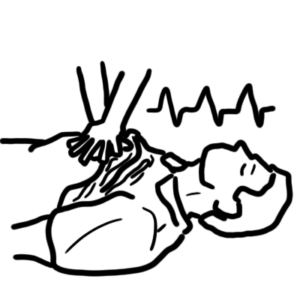


Accessory muscle use refers to the recruitment of additional muscles, such as the sternocleidomastoid and scalene muscles, to assist with respiration, particularly during periods of increased respiratory demand or distress. This phenomenon is clinically significant as it indicates respiratory compromise, often seen in conditions like asthma or chronic obstructive pulmonary disease (COPD). Persistent accessory muscle use can lead to respiratory fatigue and increased work of breathing, complicating patient management.

Please confirm you want to block this member.
You will no longer be able to:
Please allow a few minutes for this process to complete.