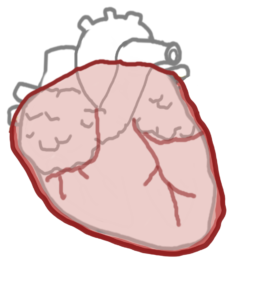


The visceral pericardium, also known as the epicardium, is the thin serous membrane that directly covers the outer surface of the heart. It plays a critical role in producing pericardial fluid, which reduces friction between the heart and surrounding structures during cardiac cycles. Inflammation of this layer, as seen in pericarditis, can cause chest pain and impair cardiac function, highlighting its clinical importance.
Please confirm you want to block this member.
You will no longer be able to:
Please allow a few minutes for this process to complete.