

Members have early access to this video
Learn about membershipSnapping Hip Syndrome Explained – Causes, Symptoms & Treatment
Snapping hip syndrome (snapping hip, Coxa saltans) causes an audible or palpable snap around the hip during movement and can be painless or lead to pain, bursitis, tendinopathy, or labral damage. This video explains the three main types—external, internal, and intra‑articular—detailing their mechanisms, symptoms, diagnosis, and treatment so viewers can identify causes and choose the right care.
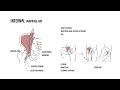
You’ll learn how the iliotibial band and gluteus maximus produce external snapping over the greater trochanter, how the iliopsoas tendon creates internal snapping across the iliopectineal eminence or lesser trochanter, and how intra‑articular problems (labral tears, loose bodies, cartilage flaps) produce painful mechanical symptoms like catching or locking. The episode covers common risk factors—repetitive running, dance, limb length discrepancy, muscle tightness or hypertrophy—and how symptoms localize to the lateral hip, anterior groin, or deep joint. Practical diagnostic tools are reviewed, including dynamic ultrasound to visualize tendon excursion and MRI/MR arthrography for labral or intra‑articular pathology.
Emphasis is on conservative first-line care: activity modification, targeted physiotherapy (stretching tight IT band or iliopsoas, core and glute strengthening), biomechanical correction, NSAIDs, and selective corticosteroid injections. For refractory cases, arthroscopic debridement, iliotibial band release, or iliopsoas lengthening are discussed with favorable outcomes in selected patients. Clear, actionable guidance helps athletes, dancers, and clinicians recognize types, avoid progression to chronic degeneration, and choose effective management. Watch to understand snapping hip mechanisms, improve diagnosis, and learn the best nonoperative strategies before considering surgery.