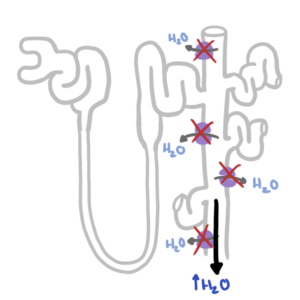
Sodium restriction refers to the dietary limitation of sodium intake, typically to less than 2,300 mg per day, to manage conditions such as hypertension and heart failure. This practice is clinically significant as excessive sodium can lead to fluid retention, increased blood pressure, and cardiovascular complications. A key association is the relationship between sodium intake and the risk of stroke, highlighting the importance of monitoring dietary sodium in at-risk populations.