

Hypertension
Overview
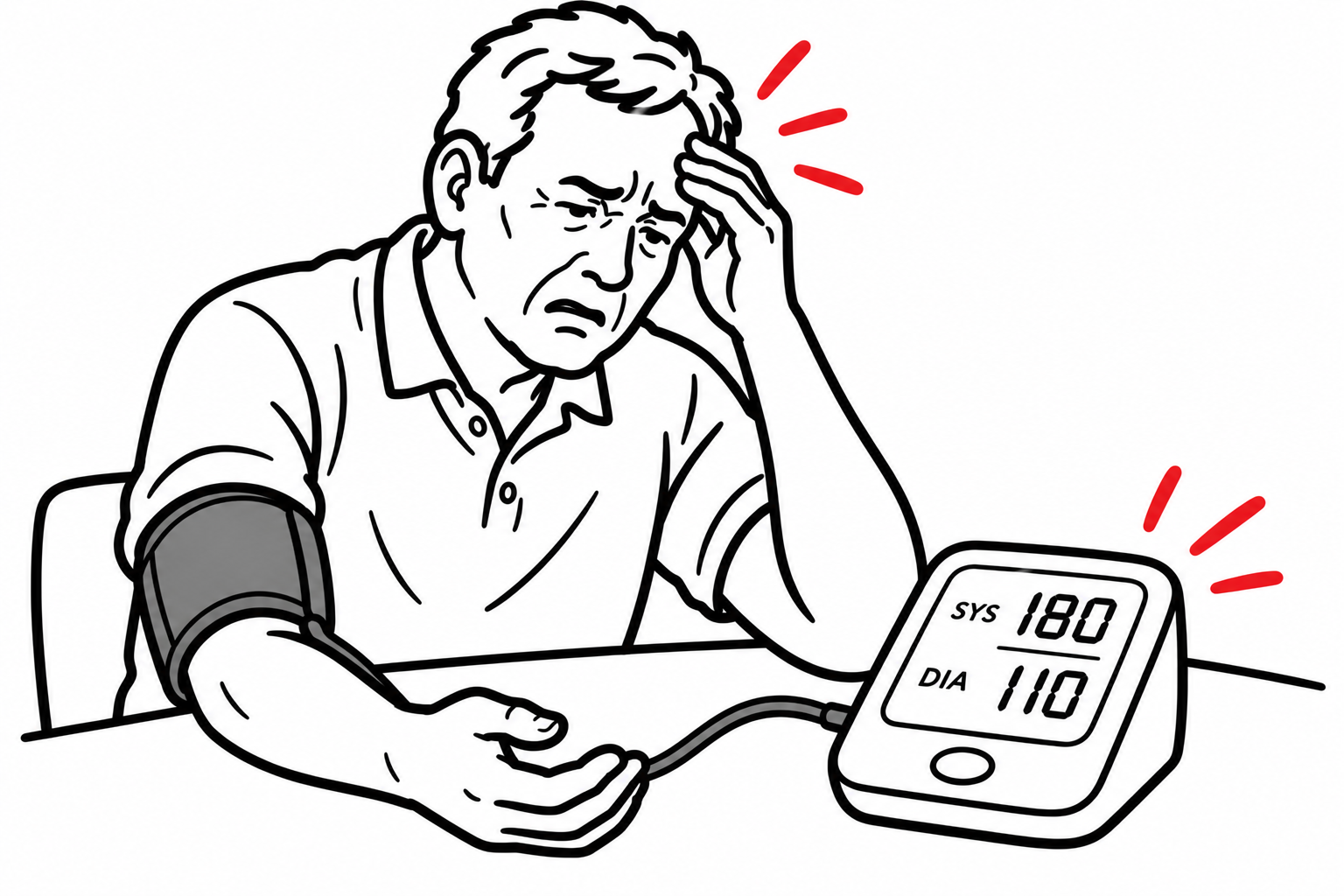
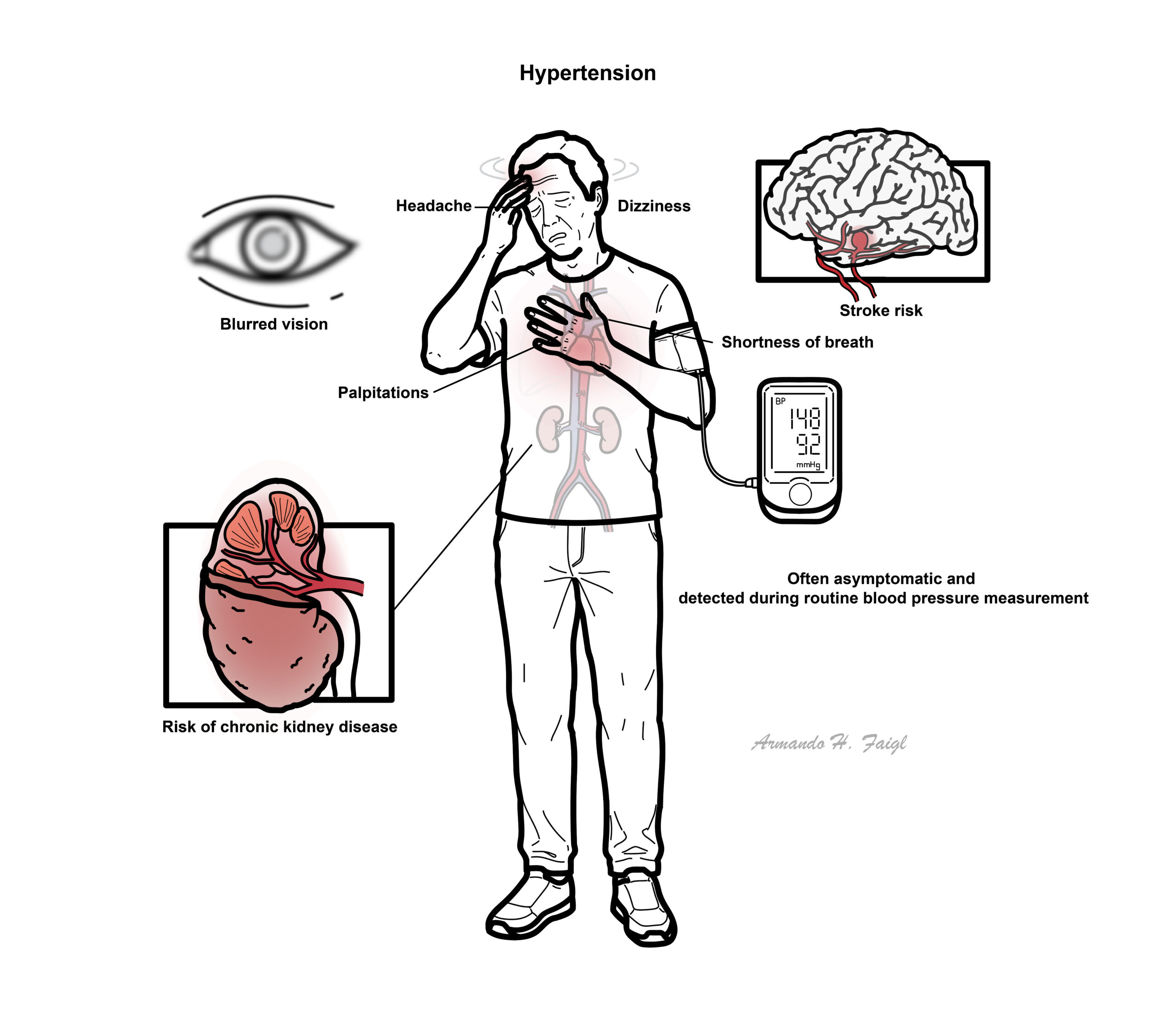
Hypertension is persistently elevated arterial blood pressure, conventionally defined in adults as clinic systolic BP ≥140 mmHg and/or diastolic BP ≥90 mmHg. It is usually asymptomatic and detected incidentally. Confirm persistent elevation with repeated measurements and, where appropriate, home or ambulatory monitoring.
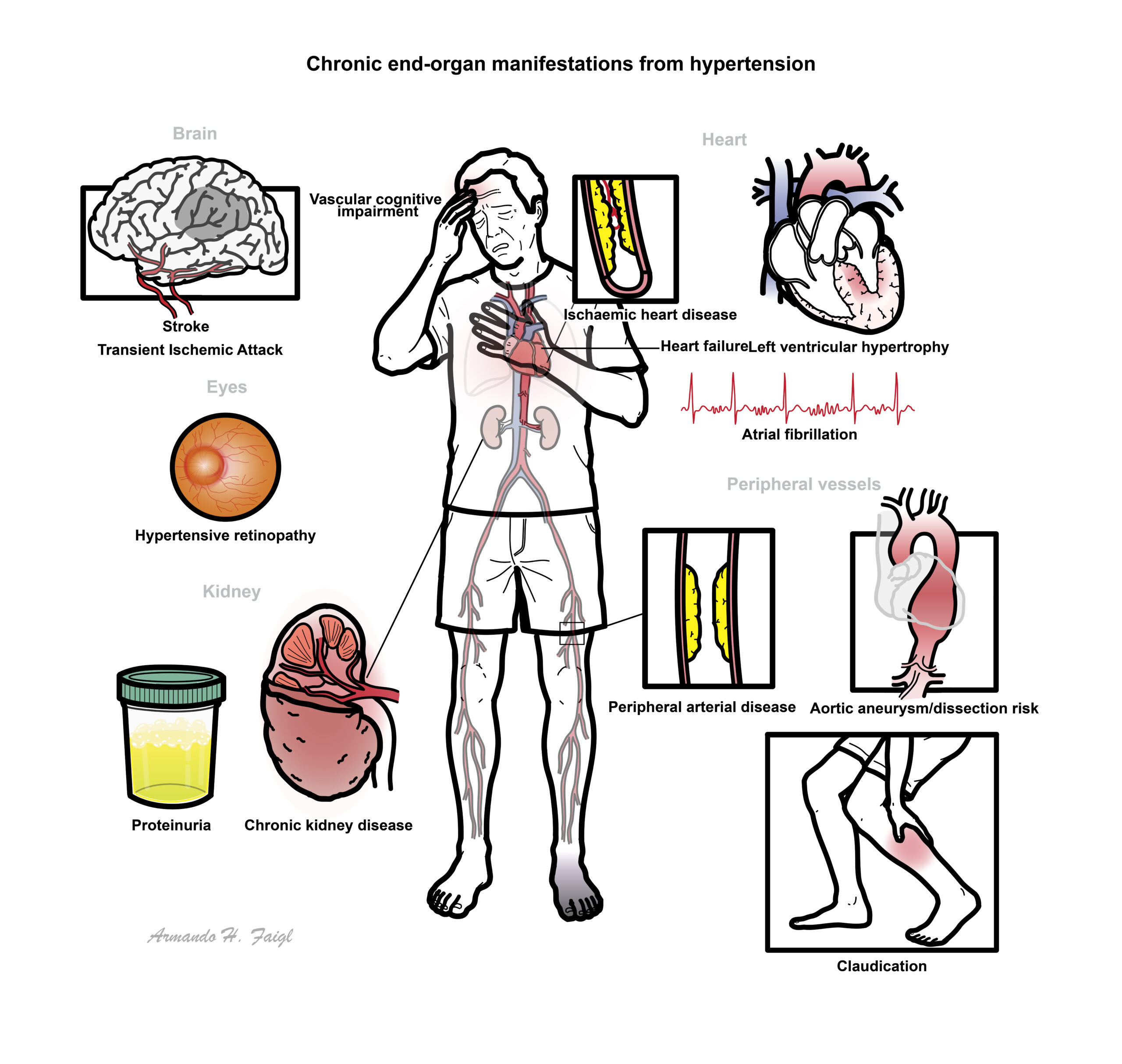
Most cases are primary hypertension; others reflect renal, endocrine, sleep-related or medication causes. Sustained hypertension increases cardiovascular and renal risk. The initial assessment establishes whether urgent organ injury is present, confirms the BP pattern and looks for underlying causes.
Triage
Do not miss acute target-organ injury. Markedly elevated BP—often systolic ≥180 and/or diastolic ≥120 mmHg—with the following clinical features requires urgent assessment:
- Stroke/intracranial haemorrhage
- Hypertensive encephalopathy
- Headache with confusion, visual disturbance or seizures.
- Exclude stroke and other causes of altered consciousness.
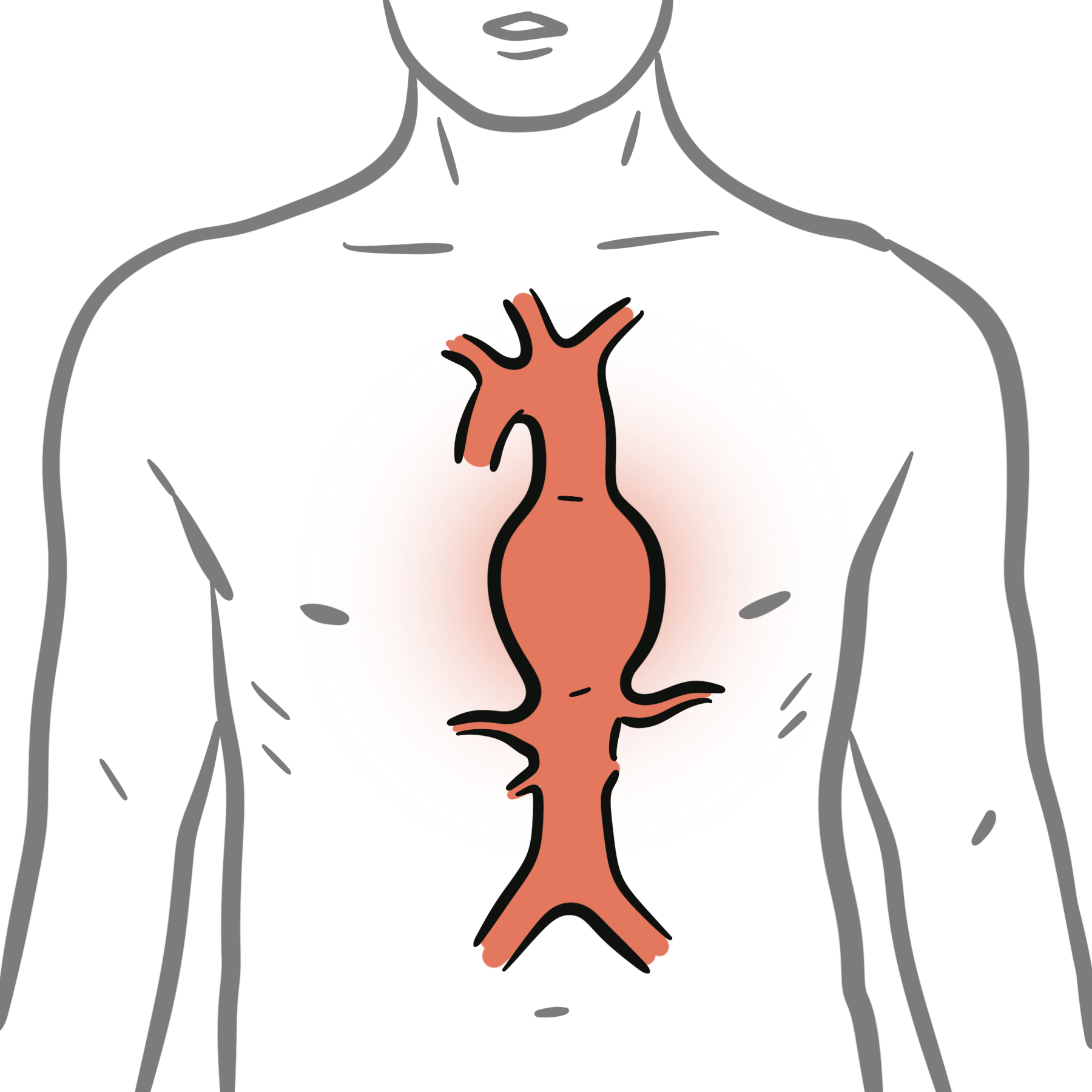
- Acute coronary syndrome/aortic dissection
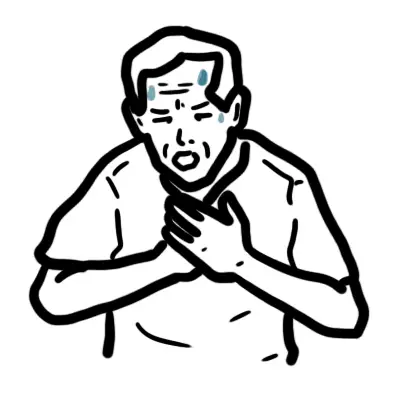
- ACS: acute chest pressure, diaphoresis or associated breathlessness.
- Dissection: abrupt severe chest/back pain, pulse/BP asymmetry or syncope; absence of asymmetry does not exclude it.
- Acute pulmonary oedema
- Rapid breathlessness, orthopnoea, hypoxaemia and bilateral crackles.
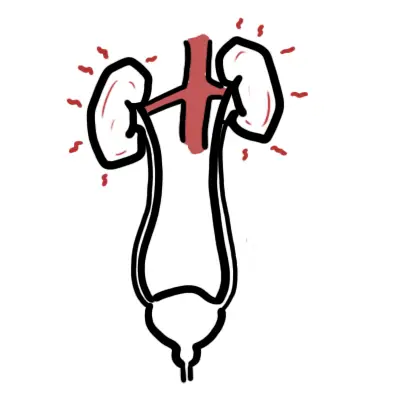
- Acute renal or retinal injury
- Acute creatinine rise or oliguria.
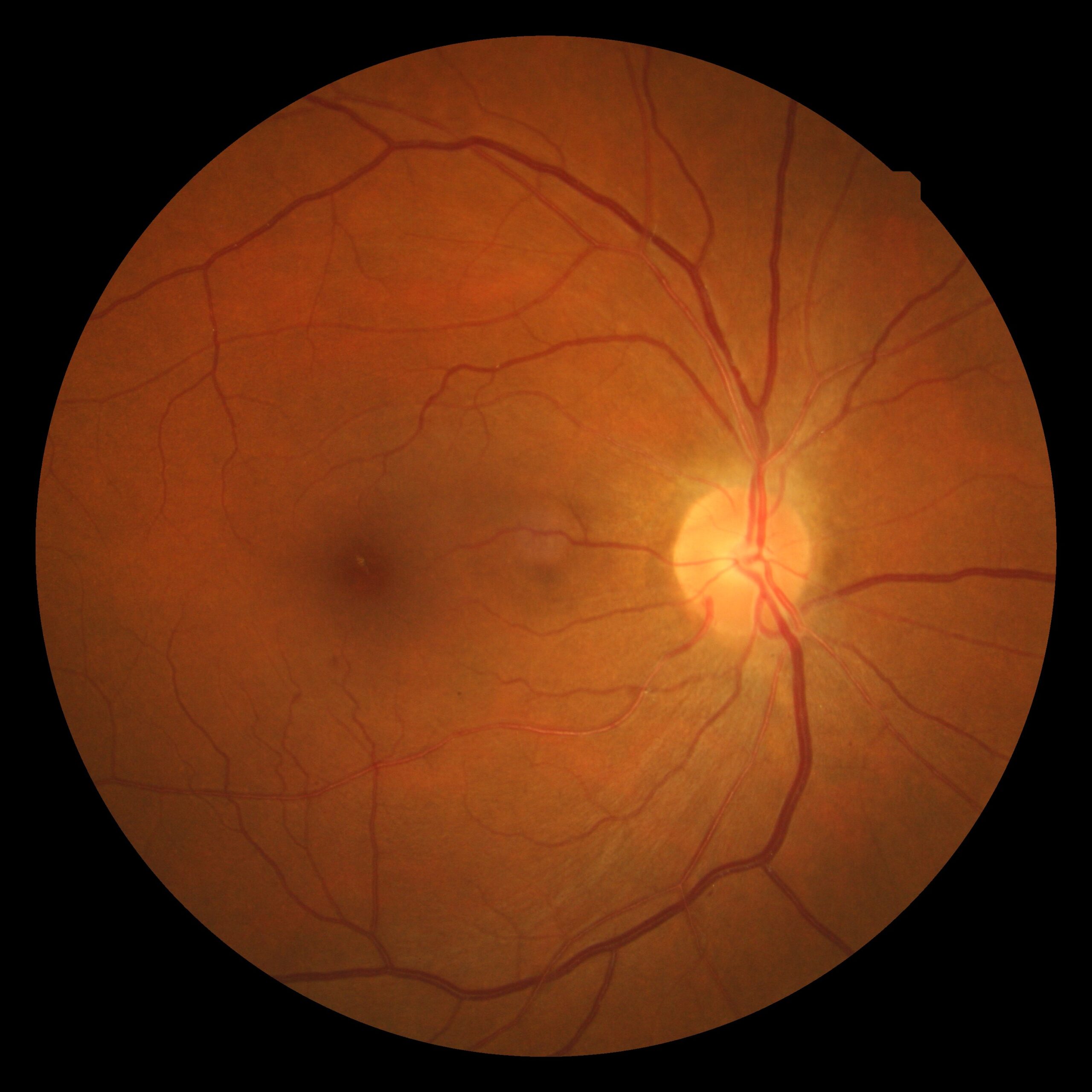
- Sudden visual disturbance; retinal haemorrhages, exudates or optic disc swelling.
- Pre-eclampsia/eclampsia
- Pregnancy or recent postpartum period with severe headache, visual symptoms, epigastric/right upper-quadrant pain or seizures.
- Severe BP ≥160 systolic and/or ≥110 diastolic mmHg warrants urgent obstetric assessment.
Hypertensive emergency is defined by acute target-organ injury, not the BP number alone. It can occur below 180/120 mmHg. Severe elevation without acute injury still requires prompt assessment, but avoid reflex rapid BP reduction.
Approach
- Confirm the reading: validated device, correct cuff, quiet seated rest, supported back and arm, cuff at heart level and feet flat. Repeat readings; check both arms initially.
- Establish the pattern: previous readings, onset, home BP, prior treatment and adherence. Ask about pain, illness or anxiety around measurement.
- Focused history: organ-injury symptoms, kidney disease, sleep apnoea, endocrine symptoms, pregnancy possibility, family history and medication/substance contributors.
- Assess overall risk: smoking, diabetes, lipids, weight, alcohol, activity and established cardiovascular or renal disease.
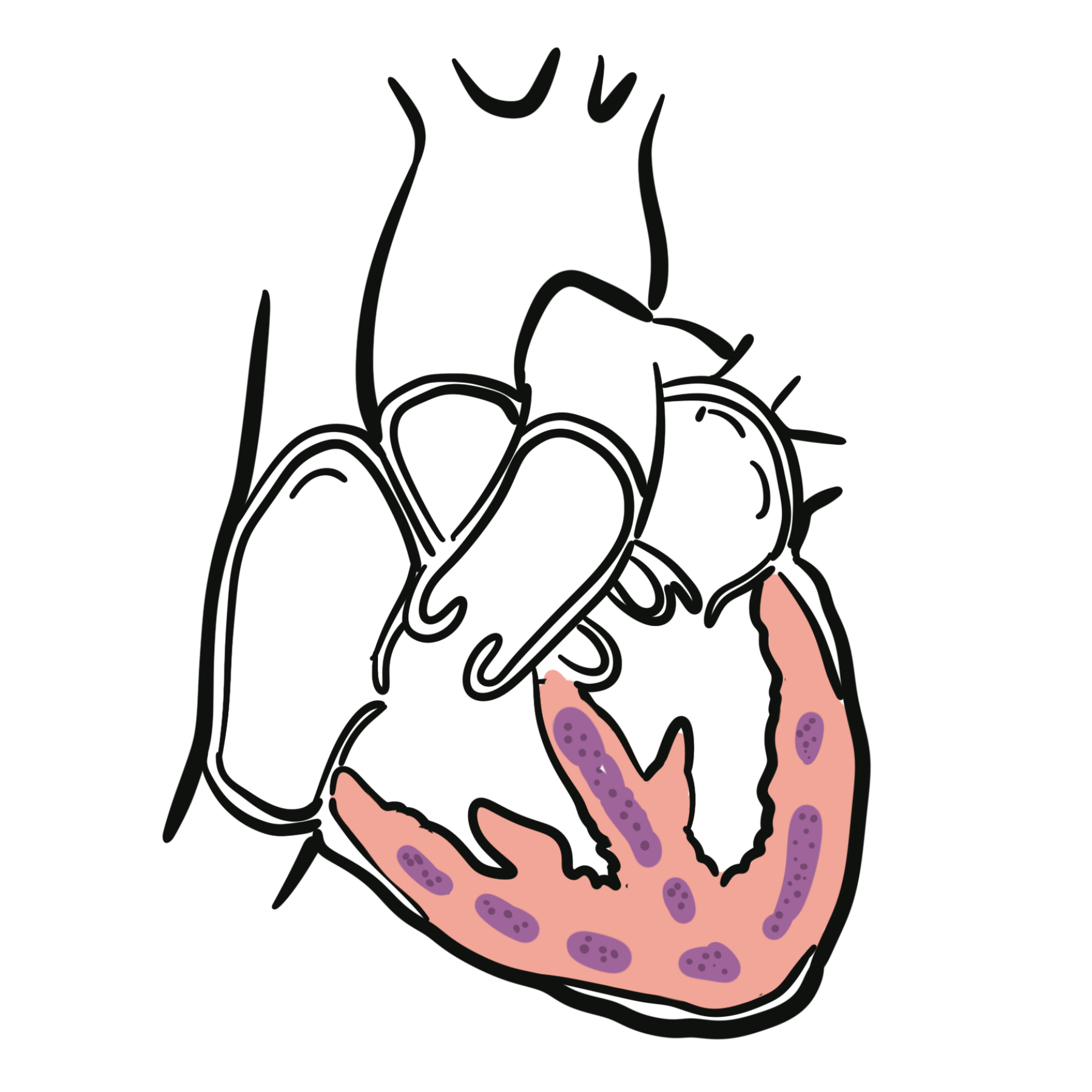
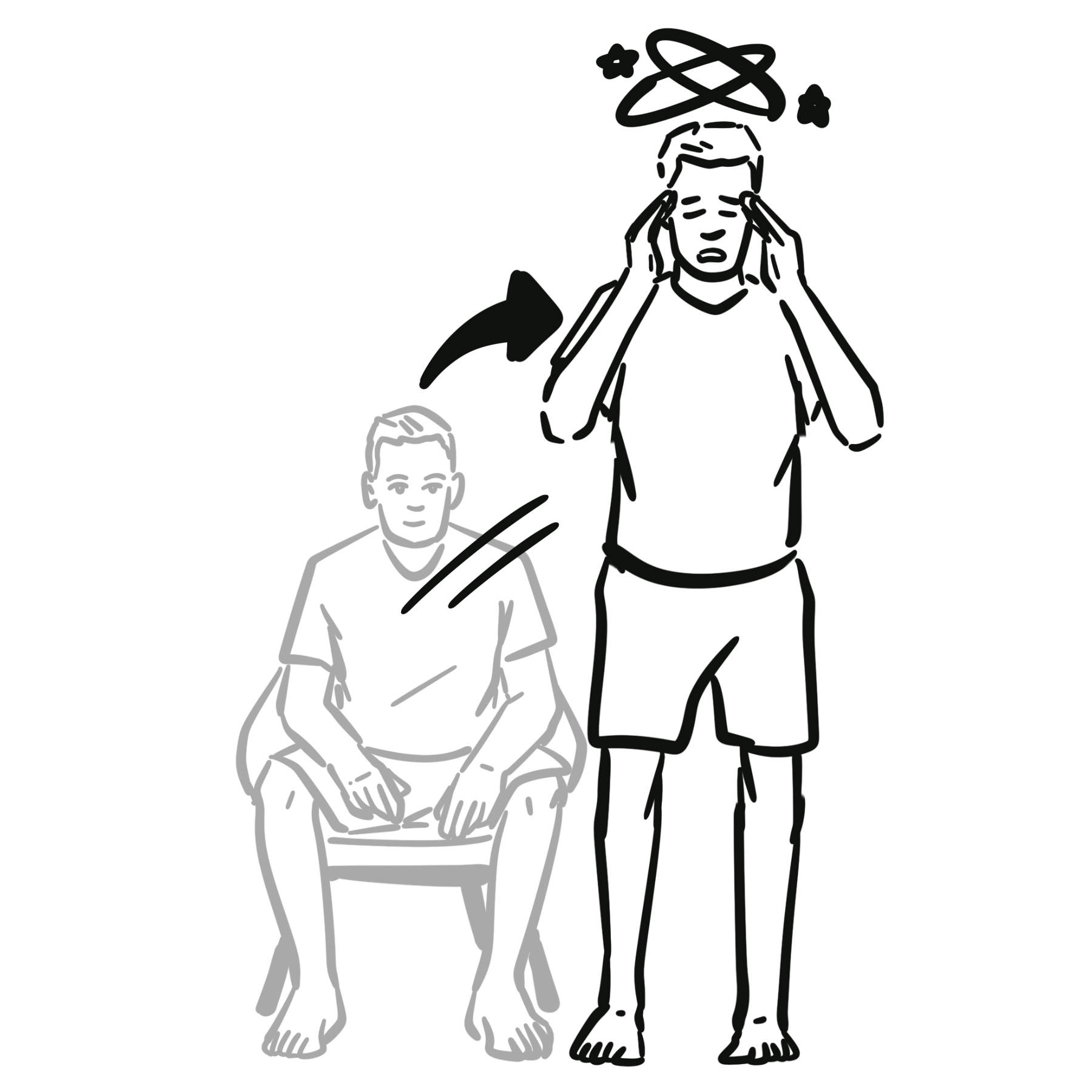
- Focused examination: pulse/rhythm, BMI, heart failure signs, peripheral pulses and relevant bruits; fundoscopy when severe hypertension or visual symptoms are present. Check postural BP when indicated.
Consider secondary causes with young onset, abrupt worsening or resistant hypertension. Before labelling treatment resistance, check adherence, measurement accuracy and out-of-office BP; an appropriate three-drug regimen generally includes a diuretic.
Differential Diagnosis
- Primary hypertension
- Usually gradual onset, with family history, obesity or other cardiovascular risk factors.
- Often asymptomatic; no specific secondary-cause clues.
- Transient elevation or white-coat hypertension
- Pain, anxiety or acute illness may temporarily elevate BP.
- White-coat hypertension: elevated clinic BP with normal out-of-office readings.
- Renal parenchymal disease
- Known kidney disease, reduced eGFR, albuminuria or haematuria.
- Renovascular hypertension
- Abrupt onset/worsening, recurrent flash pulmonary oedema or abdominal bruit.
- Marked creatinine rise after starting an ACE inhibitor/ARB; consider atherosclerosis or fibromuscular dysplasia.
- Primary aldosteronism
- Resistant hypertension, spontaneous or diuretic-associated hypokalaemia.
- Normal potassium does not exclude the diagnosis.
- Obstructive sleep apnoea
- Loud snoring, witnessed apnoeas, daytime somnolence and obesity.
- Phaeochromocytoma/paraganglioma
- Episodic headache, sweating and palpitations; BP may be sustained or paroxysmal.
- Other endocrine causes
- Cushing syndrome: proximal weakness, easy bruising, broad purple striae and central adiposity.
- Thyroid disease: weight change, heat/cold intolerance, tremor or altered heart rate.
- Coarctation of the aorta
- Young onset, weak or delayed femoral pulses and higher arm than leg BP.
- Medication/substance-related hypertension
Investigations
- Confirm persistent hypertension: home BP or ambulatory BP monitoring (ABPM). Common diagnostic thresholds: home/daytime ABPM average ≥135/85 mmHg; 24-hour ABPM average ≥130/80 mmHg.
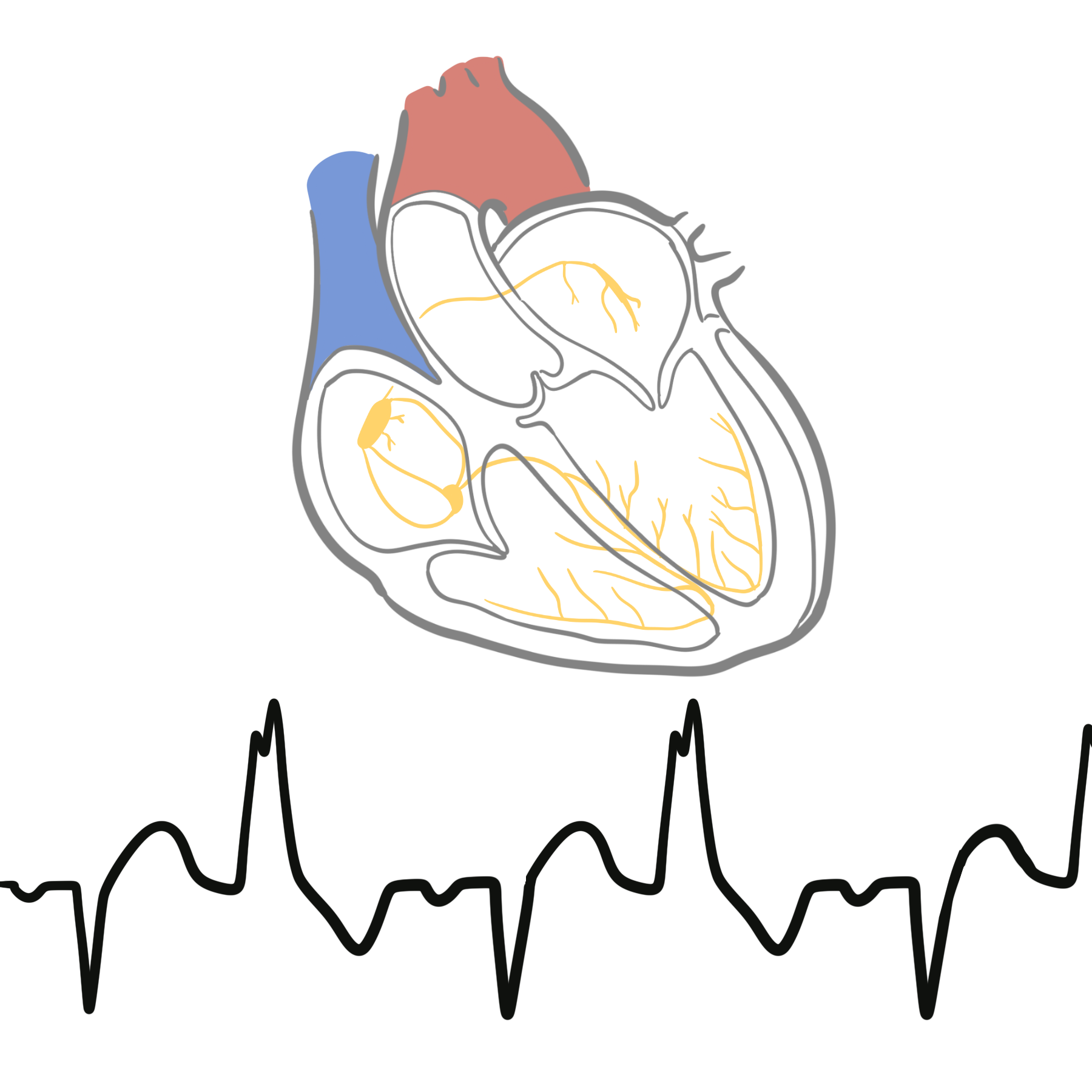
- Baseline assessment: electrolytes, creatinine/eGFR, HbA1c or glucose, lipid profile, urinalysis, urine albumin:creatinine ratio and ECG.
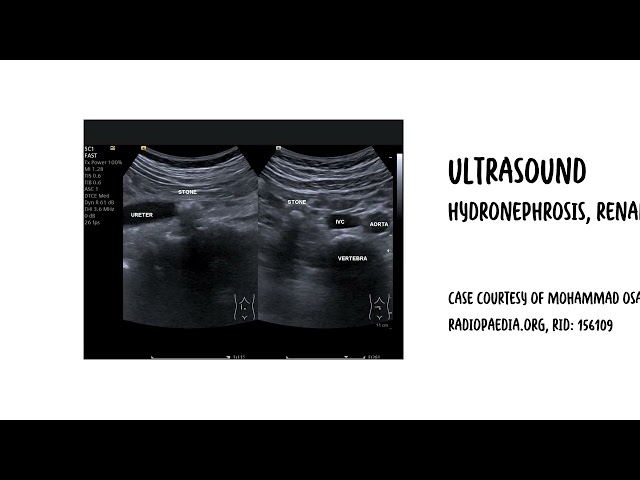
- Targeted tests: aldosterone and renin with potassium for primary aldosteronism; renal imaging for suspected renovascular disease; metanephrines for suspected phaeochromocytoma; sleep study, thyroid tests or cortisol testing according to clinical clues.
- ARR interpretation: correct hypokalaemia and consider interfering medications; withdrawal must be individualised for safety and local testing protocols.
- If an emergency is suspected: urgent tests directed by symptoms, such as troponin, chest imaging or brain/aortic imaging. Do not delay referral for routine outpatient testing.
Initial Management
- Suspected hypertensive emergency: immediate hospital assessment, monitoring and condition-specific treatment. BP reduction and drug choice depend on the organ injury; stroke, dissection and pregnancy require their own protocols.
- Severe BP elevation without acute injury: repeat after rest, assess for organ damage and address missed doses or contributors. Consider starting or adjusting oral treatment; avoid rapid IV lowering. Arrange prompt review—within seven days if no organ damage, sooner when clinically indicated.
- Confirmed non-emergency hypertension: lifestyle measures, cardiovascular-risk assessment and medication when indicated by BP severity, comorbidities and overall risk.
- Initial medication options: ACE inhibitor/ARB, long-acting dihydropyridine calcium-channel blocker or thiazide/thiazide-like diuretic, selected for the patient. Avoid combining an ACE inhibitor with an ARB; avoid both in pregnancy.
- Follow-up: review home readings, adherence and adverse effects; check renal function and electrolytes after relevant medication changes. Individualise BP targets for age, frailty and comorbidities.





Members only discussions coming soon…