

Visual explanationFree resource
Visual medical education by Armando Hasudungan
Medical science, drawn into focus.
Explore visual explanations that reveal how the facts, processes and clinical patterns fit together—then discover the coming AH study platform, built to guide what you study next and check what stuck.
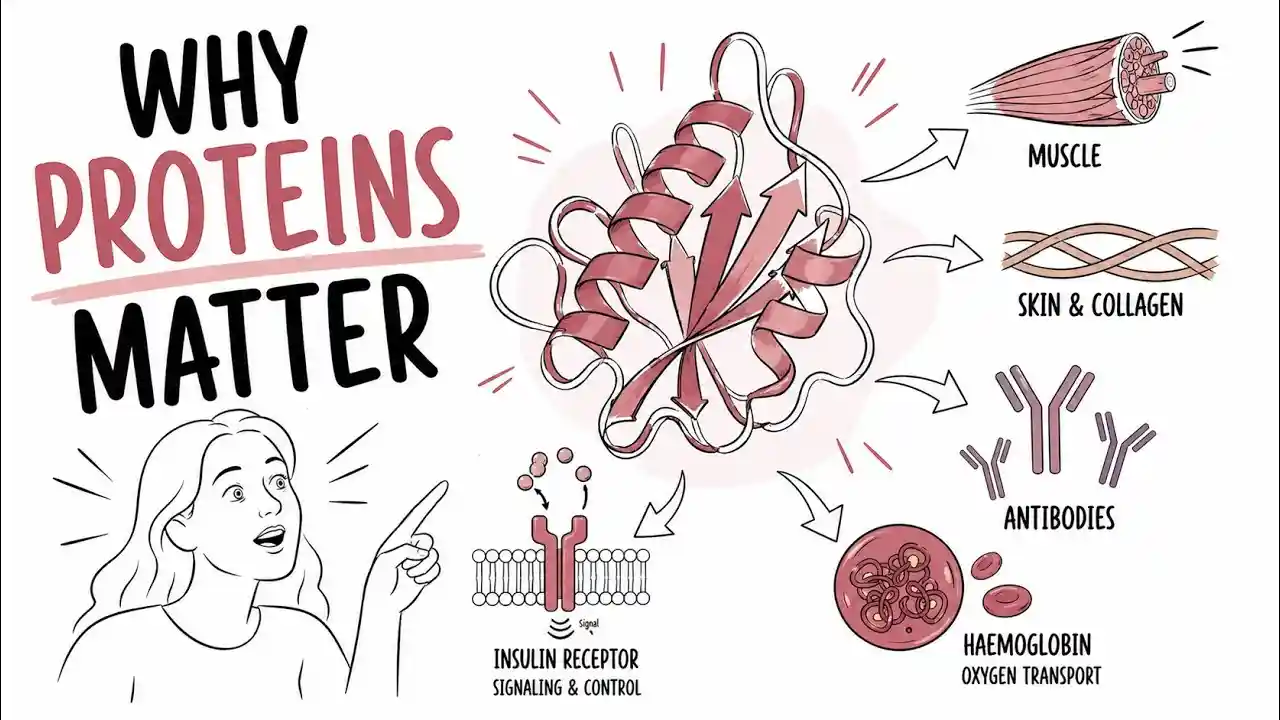
Connected studyComing soon
Clear visual explanations used by medical and allied-health learners around the world.
Explore the free library
Start with the topic in front of you.
Browse by subject or jump straight into the explanation you need. No account required.
Snapping Hip Syndrome (Coxa Saltans)
Overview Snapping Hip Syndrome (SHS) is characterized by an audible or palpable “snap” around the hip during motion; it may be painless or painful and can be unilateral or bilateral. Prevalence estimates suggest up to ~5–10% of the general population may experience snapping to some degree, with higher rates in dancers and athletes who work…
View topic ↗Chronic Granulomatous Disease
Overview Chronic granulomatous disease (CGD) is a rare, inherited primary immunodeficiency characterised by defective function of the NADPH oxidase enzyme complex in phagocytes, leading to failure of the oxidative burst required for intracellular killing of pathogens. This results in recurrent, often life-threatening bacterial and fungal infections, particularly with catalase-positive organisms, and predisposes to granuloma formation…
View topic ↗Fibromyalgia
Overview Fibromyalgia is a chronic, nociplastic pain condition characterised by widespread pain with prominent fatigue, sleep disturbance, and cognitive symptoms, reflecting altered central pain processing rather than tissue injury. Global prevalence is ~2–4%, higher in women, ages 20–60, and in those with mood/sleep disorders, obesity, low socioeconomic status, and comorbid rheumatic disease. Major complications include…
View topic ↗Systemic Sclerosis (SSc)
Overview Systemic sclerosis (SSc), also known as scleroderma, is a rare chronic autoimmune connective tissue disease characterized by f ibrosis, vasculopathy, and autoimmunity. It primarily affects the skin but can also involve the lungs, GI tract, kidneys, and heart. The estimated prevalence is 50–300 per million, with a female-to-male ratio of ~4:1, and peak onset…
View topic ↗Long-Term Complications of Diabetes (Overview)
Overview Classification Microvascular Complications Retinopathy Nephropathy Neuropathy Macrovascular Complications Coronary heart disease Cerebrovascular disease Diabetic foot Diabetic Retinopathy Overview Diabetes is the most common cause of blindness in the working population. Blindness is preventable. Annual retinal screening is advised for patients at risk. Pre-symptomatic screening enables laser photocoagulation to be used, aimed to stop production of…
View topic ↗Anklylosing Spondylitis (AS)
Overview Ankylosing spondylitis (AS) is a chronic, progressive inflammatory arthritis that primarily affects the axial skeleton, especially the sacroiliac joints and spine. It is a subtype of the seronegative spondyloarthropathies and is characterised by inflammatory back pain, morning stiffness, and eventual spinal fusion in severe cases. AS often presents in young adults, typically males, and…
View topic ↗Umbilical Hernia
Overview Umbilical hernias are one of the most common surgical conditions in infants and children. In infantile umbilical hernia there is a pathological failure of obliteration of umbilical defect. Umbilical hernia can also occur in adults and is usually acquired due to increased intrabdominal pressure due to obesity, pregnancy, ascites. Management is surgery. Hernia: A bulge or protrusion of…
View topic ↗Full resource library
Browse all topics ↗Choose how you learn
One idea. More than one way to see it.
Use the format that helps the topic click, then switch formats when you need to reinforce it.
01 / WATCH02 / READ03 / SEE04 / CHECK
Videos
Hand-drawn explanations that build the big picture as the concept unfolds.
Notes
Clear written explanations for review, reference and filling in the details.
Diagrams
Visual snapshots that help you easily review topics.
Questions
Test whether the explanation stayed with you—not just whether it looked familiar.
Good places to begin
Explanations learners return to.

Monkeypox virus overview
Learn about the Monkeypox virus, a zoonotic infection related to smallpox that causes fever, rash, and lymphadenopathy. This video explains its transmission, symptoms, clinical course, and current strategies for diagnosis, prevention, and treatment.
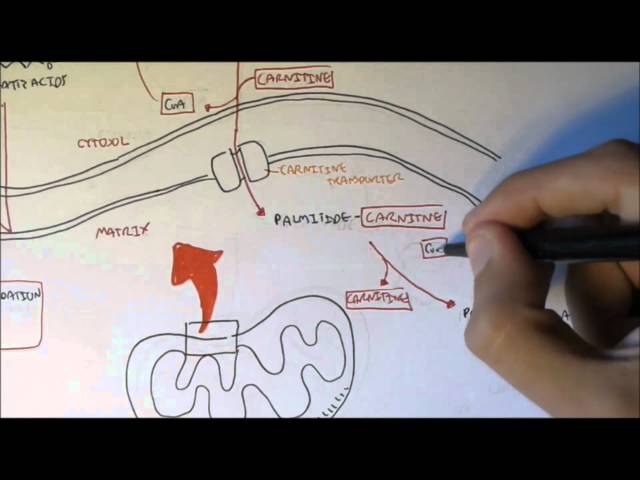
Human Metabolism Map VI – Fatty Acid Transporter
Dive into Fatty Acid Transport in this video from the Human Metabolism Map series, focusing on how fatty acids enter and move within cells for energy use and storage. Learn about key transporters like FATP and CD36, their regulation, and clinical relevance—essential for biochemistry and metabolic pathway mastery.
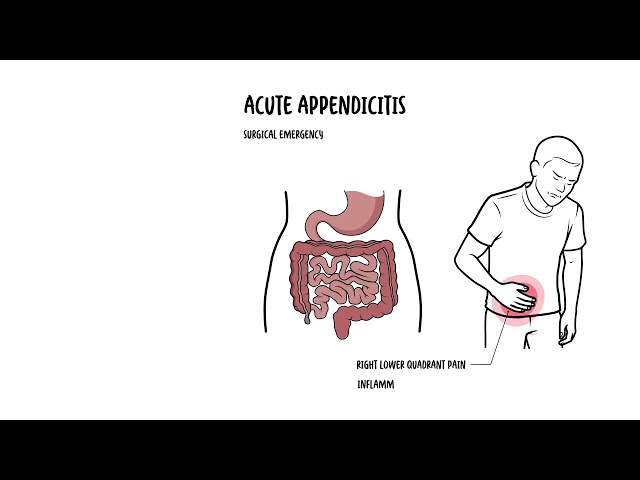
What Is Appendicitis? Symptoms, Causes & Treatment Explained
Appendicitis is a common and potentially serious condition where the appendix becomes inflamed, often due to a blockage or infection. It typically presents with sudden pain starting around the belly button and shifting to the lower right abdomen, along with nausea, vomiting, loss of appetite, and fever. If left untreated, the appendix may rupture, leading…
Our mission
Medical science is complex. Understanding it should feel possible.
Armando Hasudungan turns difficult medical science into clear visual explanations and connected learning experiences—so learners can see the whole picture, remember what matters and find a clearer way forward.
See it clearly
Turn abstract processes and invisible relationships into something the learner can picture.
Connect the pieces
Build understanding around how concepts fit together—not a pile of isolated facts.
Make it useful
Help learners move from explanation to recall, revision and the next logical step.
What clarity feels like
When the topic stops being a blur.
Learners do not come back because the subject became easy. They come back because the explanation gave them a picture they could work with.
“Armando's teaching style gives me the foundational knowledge.
Jessica Payne-Burnett
Medical Student, Charles Sturt University
“The notes I make during his videos help me retain everything better.
Ayesha RaiStudent, Islamabad Medical and Dental College
“The drawings are amazing and super easy to remember.
Reem Mohamed Khair Abdalrazig
Student, Neelain University
Coming soon: the AH study platform
The explanation is only the start.
The free library helps you find a clear explanation. The AH platform is being built to help you connect the resources, follow a clearer path and check what actually stuck.
- Watch in a focused, ad-free study environment.
- Move between connected videos, notes, diagrams and questions.
- Know what belongs next instead of rebuilding the study path yourself.
- Test your understanding while the topic is still fresh.
New and worth a look
Keep building the picture.
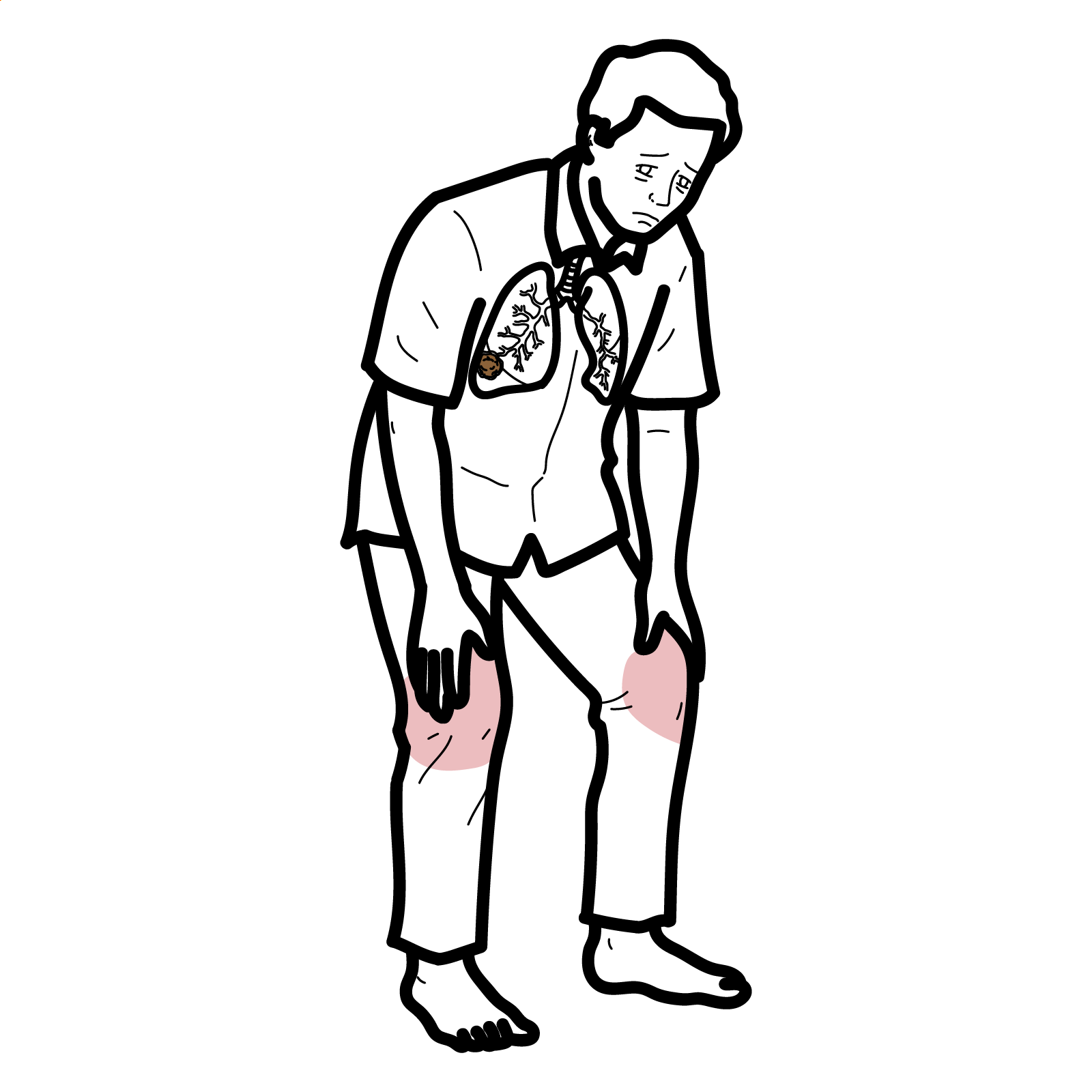
Lambert-Eaton Myasthenic Syndrome
Overview Lambert–Eaton myasthenic syndrome (LEMS) is a rare autoimmune disorder of the presynaptic neuromuscular junction. It causes impaired acetylcholine release, producing the characteristic triad of proximal muscle weakness, reduced reflexes and autonomic dysfunction. LEMS may occur as a paraneoplastic syndrome—most commonly associated with small-cell lung cancer (SCLC)—or as a non-tumour-associated autoimmune disorder. Neuromuscular junction: connection…
View this topic ↗About Visualising Medicine
Good education does not remove complexity. It makes complexity feel simple.
Visualising Medicine is the team behind Armando Hasudungan. We bring together medicine, illustration, writing and technology to make difficult ideas clearer—and build better ways for learners to use them.