

Lambert-Eaton Myasthenic Syndrome
Overview
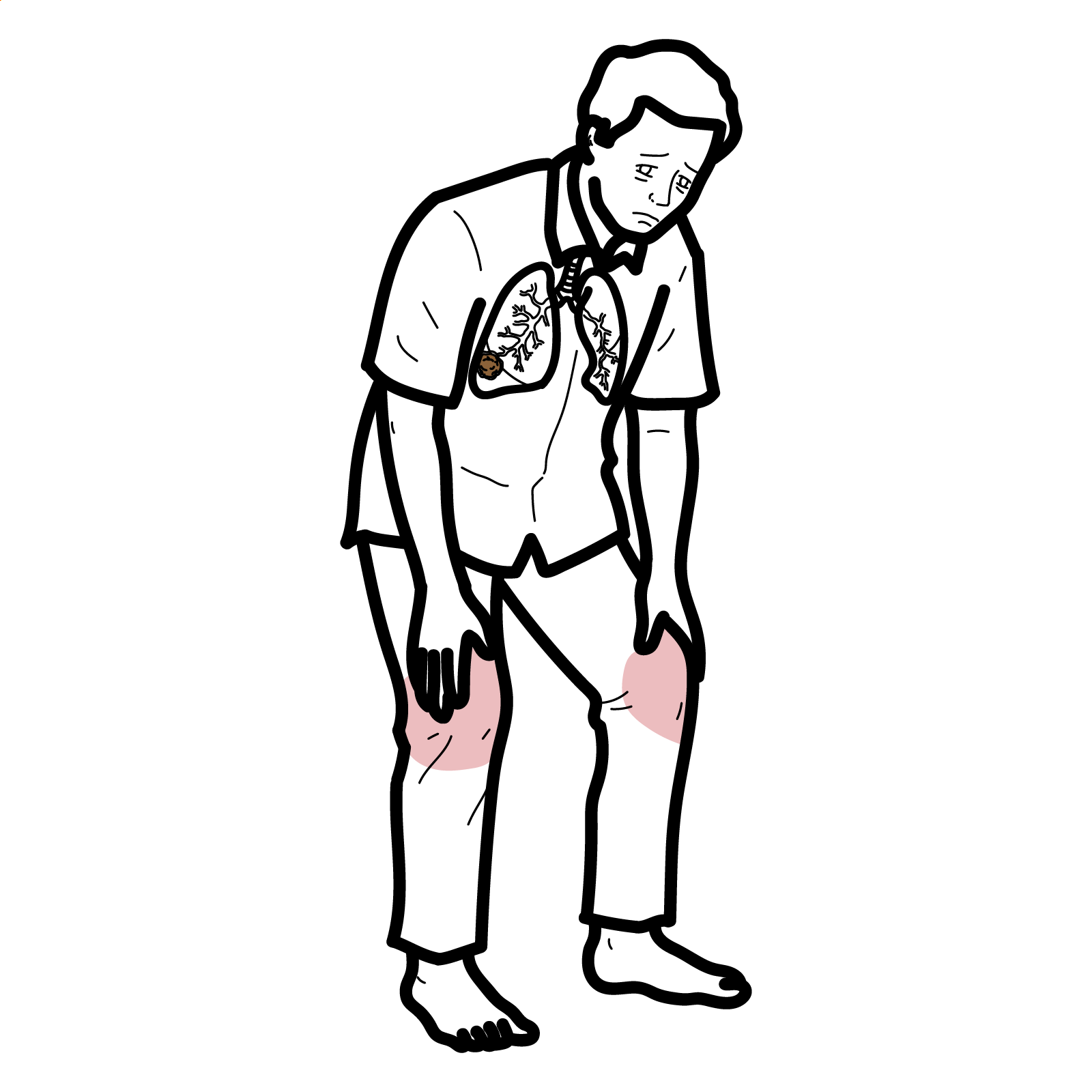
Lambert–Eaton myasthenic syndrome (LEMS) is a rare autoimmune disorder of the presynaptic neuromuscular junction. It causes impaired acetylcholine release, producing the characteristic triad of proximal muscle weakness, reduced reflexes and autonomic dysfunction. LEMS may occur as a paraneoplastic syndrome—most commonly associated with small-cell lung cancer (SCLC)—or as a non-tumour-associated autoimmune disorder.
Definition
Neuromuscular junction: connection between a motor nerve terminal and skeletal muscle where acetylcholine transmits the nerve signal.
P/Q-type voltage-gated calcium channel: presynaptic calcium channel required for acetylcholine release; the main autoimmune target in LEMS.
Post-exercise facilitation: temporary improvement in muscle strength or reflexes after brief exercise.
Incremental response: marked increase in compound muscle action potential amplitude after exercise or high-frequency nerve stimulation.
Paraneoplastic LEMS: LEMS caused by an immune response to an underlying malignancy, usually SCLC.
Aetiology
Paraneoplastic LEMS
- Accounts for approximately half of cases.
- Most commonly associated with small-cell lung cancer.
- Neurological manifestations may precede detection of the malignancy.
- More common in older patients and people with a smoking history.
Non-tumour-associated LEMS
- Primary autoimmune disorder without an identified malignancy.
- May occur in younger patients.
- Can be associated with other autoimmune conditions.
Pathophysiology
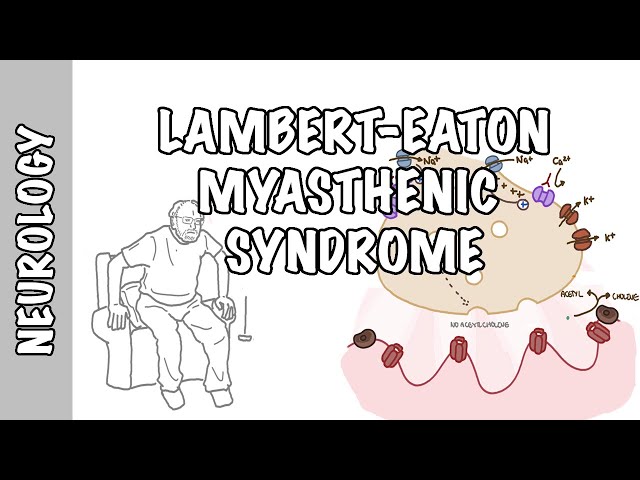
- Normally, a nerve action potential opens presynaptic voltage-gated calcium channels.
- Calcium enters the nerve terminal and triggers the release of acetylcholine into the synaptic cleft.
- In LEMS, autoantibodies target P/Q-type voltage-gated calcium channels.
- Reduced calcium entry causes decreased acetylcholine release.
- Insufficient acetylcholine reaches the postsynaptic muscle membrane, resulting in impaired muscle contraction.
- Repeated activity allows calcium to temporarily accumulate within the nerve terminal, increasing acetylcholine release and producing post-exercise facilitation.
- Autonomic nerve terminals are also affected, explaining symptoms such as dry mouth, constipation and erectile dysfunction.
- In SCLC-associated LEMS, tumour cells express calcium-channel antigens that trigger a cross-reactive immune response against presynaptic nerve terminals.
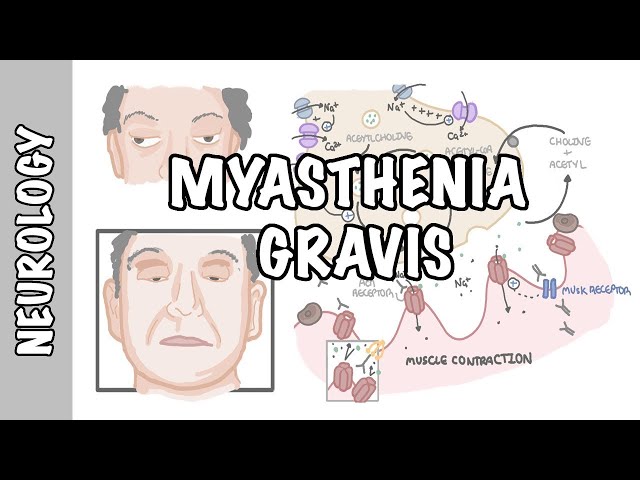
LEMS is a presynaptic disorder; myasthenia gravis is primarily postsynaptic.
Clinical Manifestations
Triad: Proximal muscle weakness, Reduced or absent tendon reflexes, Autonomic dysfunction.
Muscle weakness
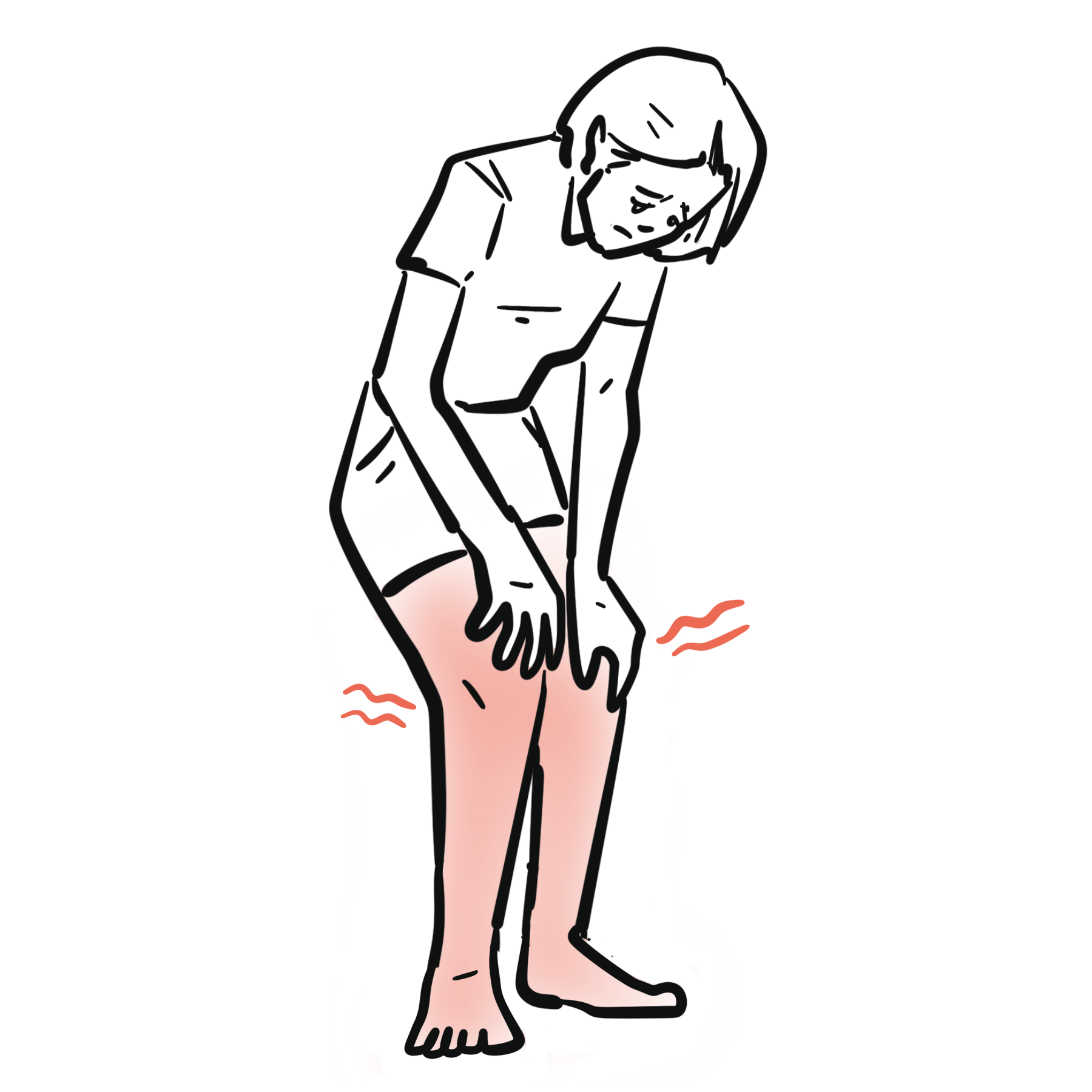
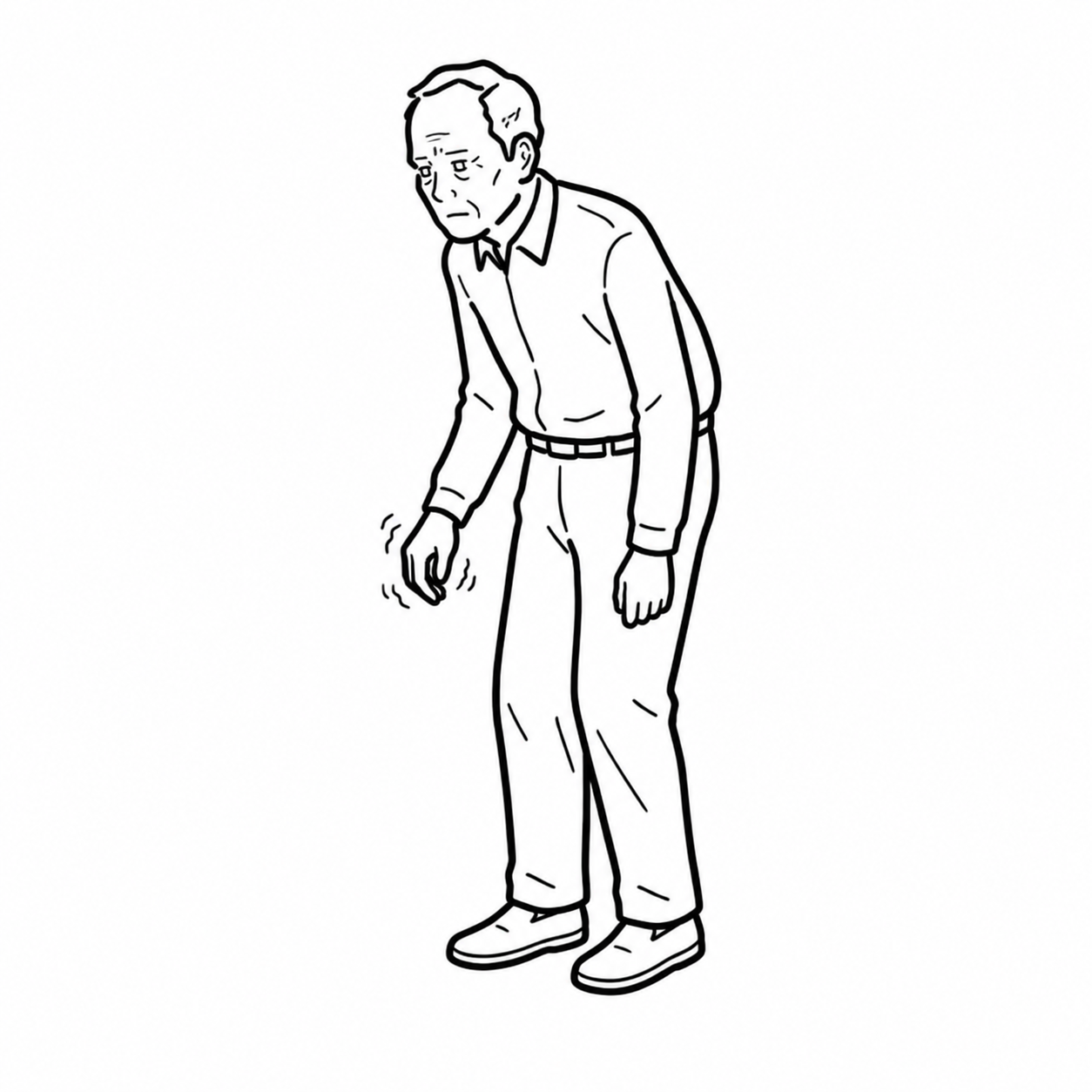
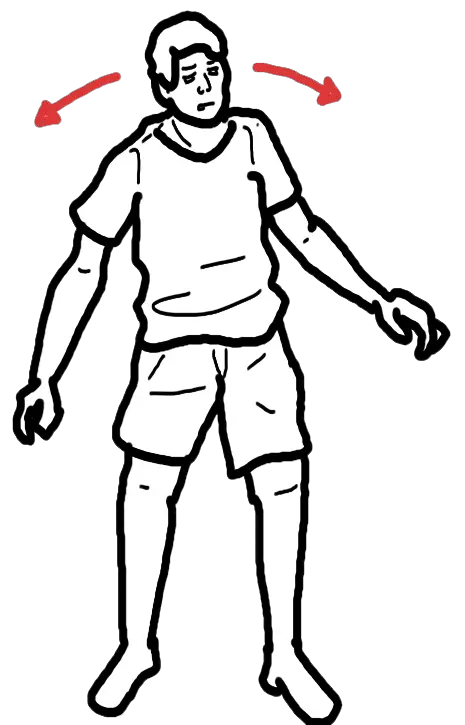
- Gradual-onset, symmetrical proximal weakness.
- Lower limbs are usually affected first.
- Difficulty:
- Rising from a chair
- Climbing stairs
- Walking
- Lifting the arms
- Strength may temporarily improve after brief exercise.
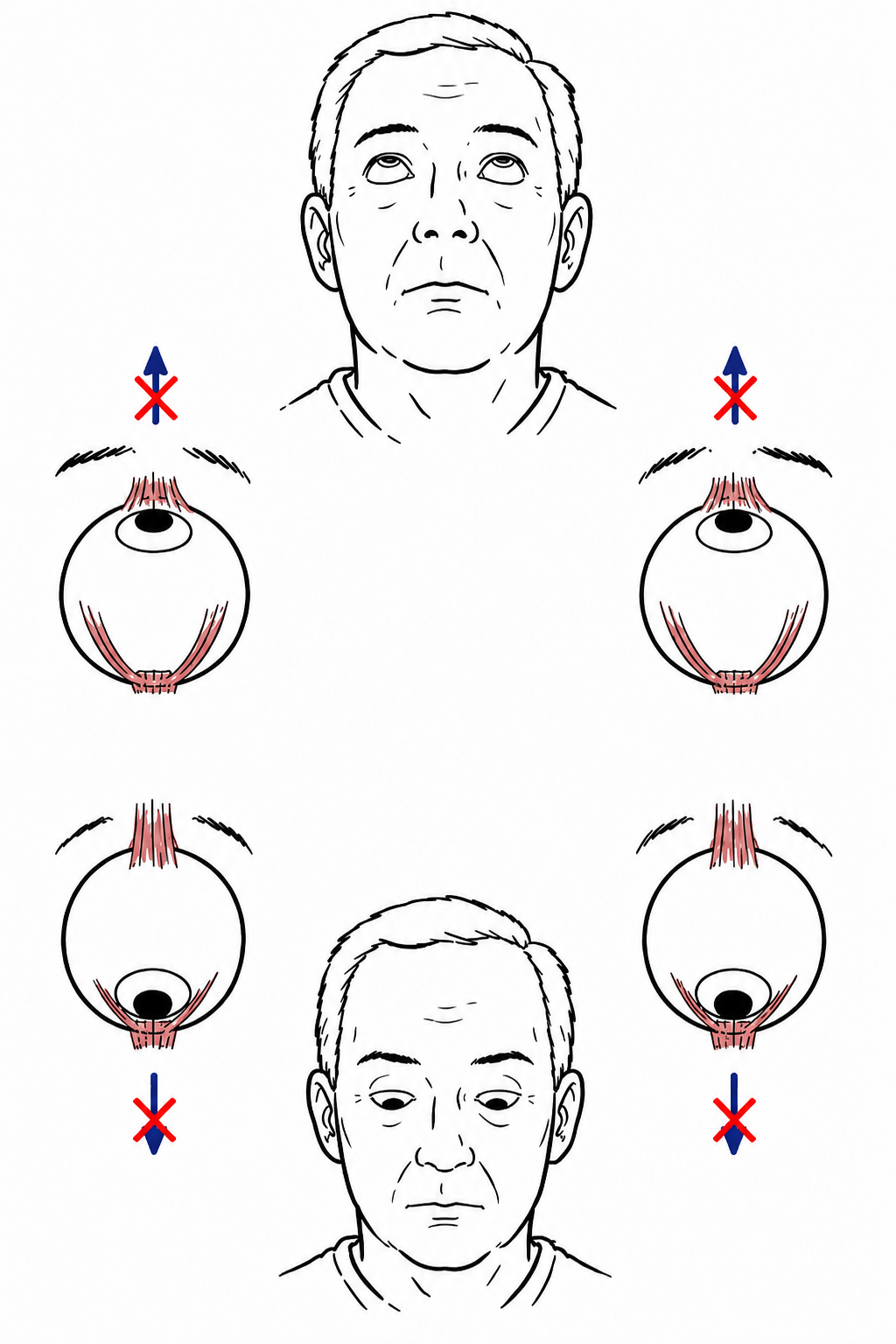
- Ocular and bulbar symptoms are usually milder than in myasthenia gravis.
- Respiratory weakness is uncommon but may occur in severe disease.
Think of LEMS when proximal leg weakness, dry mouth and absent reflexes occur together. Muscle strength and reflexes may temporarily improve after exercise.
Reflexes
- Reduced or absent deep-tendon reflexes.
- Reflexes may temporarily return or become stronger following brief muscle contraction.
Autonomic manifestations
- Dry mouth—most common autonomic symptom.
- Constipation.
- Erectile dysfunction.
- Reduced sweating.
- Blurred vision or impaired pupillary responses.
- Postural dizziness.
- Urinary dysfunction.
Ocular symptoms are usually less prominent than in myasthenia gravis.
Diagnosis
- P/Q-type voltage-gated calcium-channel antibodies support the diagnosis.
- Approximately 10–15% of clinically confirmed patients may be seronegative.
- Antibody positivity alone does not determine whether an underlying malignancy is present.
- Electrodiagnostic testing: Repetitive nerve stimulation typically demonstrates:
- Low resting compound muscle action potential—CMAP—amplitude.
- Decrement with low-frequency repetitive stimulation.
- Marked increment in CMAP amplitude following:
- Brief maximal exercise, or
- High-frequency repetitive nerve stimulation.
An increment of approximately 60–100% or more strongly supports a presynaptic neuromuscular-junction disorder. Single-fibre EMG may be considered when clinical suspicion remains high despite inconclusive routine testing.
Malignancy screening
- All newly diagnosed patients require assessment for underlying cancer.
- Initial investigation generally includes:
- CT chest.
- Consider FDG-PET/CT if CT is negative but suspicion remains high.
- The DELTA-P score may help estimate SCLC risk.
Every new LEMS diagnosis requires investigation and ongoing surveillance for small-cell lung cancer.
Treatment
Treat the underlying malignancy
Symptomatic treatment
- Amifampridine—3,4-diaminopyridine: first-line symptomatic therapy.
- Blocks presynaptic potassium channels.
- Prolongs nerve-terminal depolarisation.
- Increases calcium entry and acetylcholine release.
- Improves muscle strength, mobility and autonomic symptoms.
- Important adverse effects include paraesthesia, gastrointestinal symptoms and dose-related seizures.
- Pyridostigmine: may be used as an adjunct, although it is usually less effective than in myasthenia gravis.
Immunotherapy
Consider for significant symptoms that remain uncontrolled despite symptomatic treatment:
- Prednisolone.
- Azathioprine or another steroid-sparing immunosuppressant.
- Intravenous immunoglobulin for severe deterioration or refractory disease.
- Plasma exchange may provide temporary improvement in selected severe cases.
Supportive management
- Physiotherapy and graded rehabilitation.
- Falls-risk assessment and mobility aids where required.
- Manage constipation, postural hypotension and other autonomic symptoms.
- Avoid medicines that may worsen neuromuscular transmission where possible.
Complications & Prognosis
- Progressive weakness and reduced mobility.
- Falls and associated injuries.
- Loss of independence.
- Persistent autonomic dysfunction.
- Dysphagia or aspiration in severe disease.
- Respiratory failure is uncommon but possible.
- Adverse effects from amifampridine or immunosuppressive treatment.
- Development or progression of an underlying malignancy.
- Paraneoplastic cerebellar degeneration may coexist in some patients with SCLC.
- Non-tumour-associated LEMS is usually chronic but treatable.
- Life expectancy is generally normal in patients without an associated malignancy.
- Muscle weakness and autonomic symptoms may persist and affect quality of life.
- Paraneoplastic LEMS prognosis is largely determined by the stage and response of the underlying cancer.
- Early recognition can lead to earlier detection of SCLC and timely symptomatic treatment.
- Many patients experience meaningful improvement with amifampridine, cancer treatment and appropriate immunotherapy.
References
- Wiendl H, Abicht A, Chan A, Della Marina A, Hagenacker T, Hekmat K, et al. Guideline for the management of myasthenic syndromes. Ther Adv Neurol Disord. 2023;16:17562864231213240. doi:10.1177/17562864231213240.
- Kesner VG, Oh SJ, Dimachkie MM, Barohn RJ. Lambert-Eaton myasthenic syndrome. Neurol Clin. 2018;36(2):379–394. doi:10.1016/j.ncl.2018.01.008.
- Sanders DB, Juel VC, Harati Y, Smith AG, Peltier AC, Marburger T, et al. 3,4-Diaminopyridine base effectively treats the weakness of Lambert-Eaton myasthenia. Muscle Nerve. 2018;57(4):561–568. doi:10.1002/mus.26052.
- Shieh P, Sharma K, Kohrman B, Oh SJ. Amifampridine phosphate is effective in a confirmatory phase 3 clinical trial in Lambert-Eaton myasthenic syndrome. J Clin Neuromuscul Dis. 2019;20(3):111–119. doi:10.1097/CND.0000000000000229.
- Titulaer MJ, Maddison P, Sont JK, Wirtz PW, Hilton-Jones D, Klooster R, et al. Clinical Dutch-English Lambert-Eaton myasthenic syndrome tumour association prediction score accurately predicts small-cell lung cancer in the LEMS. J Clin Oncol. 2011;29(7):902–908. doi:10.1200/JCO.2010.32.0440.







Members only discussions coming soon…