

Visual explanationFree resource
Visual medical education by Armando Hasudungan
Medical science, drawn into focus.
Explore visual explanations that reveal how the facts, processes and clinical patterns fit together—then discover the coming AH study platform, built to guide what you study next and check what stuck.
Connected studyComing soon
Clear visual explanations used by medical and allied-health learners around the world.
Explore the free library
Start with the topic in front of you.
Browse by subject or jump straight into the explanation you need. No account required.
Infective Endocarditis
Overview Infective endocarditis is a condition which occurs in the setting of bacteraemia whereby endothelial surfaces of the heart, such as valvular structures, become infected. It can present acutely or subacutely, and is often associated with fevers, new heart murmurs, constitutional symptoms and embolic phenomena. The classical organism associated is Staphylcoccus aureus, however there are…
View topic ↗Osgood Schlatter
Overview In this common disorder of adolescence the tibial tubercle becomes painful and ‘swollen’. Although often called osteochondritis and apophysitis, it is nothing more than a traction injury of the apophysis into which part of the patellar tendon is attached. Osgood-Schaltter disease typically occurs during the early adolescent growth spurt between 10-15 years of age,…
View topic ↗Brain Tumour
Overview Brain tumours: refers to a mixed group of neoplasms originating from intracranial tissues and the meninges with degrees of malignancy ranging from benign to aggressive. Classification WHO Classification of Primary Brain Tumors Neuroepithelial tumors Astrocytic tumors Oligodendroglial tumors Oligoastrocytic tumors Ependymal tumors Choroid plexus tumors Neuronal and mixed neuronal-glial tumors Pineal tumors Embryonal tumors…
View topic ↗Otitis Media
Overview Otitis media (OM) is one of the most common infections in children. OM is inflammation of the middle ear and is usually secondary to bacterial and/or viral infection. It is a complication of eustachian tube dysfunction that occurred during an acute viral upper respiratory tract infection (URTI). The URTI causes effusion in the middle ear…
View topic ↗Acute Respiratory Distress Syndrome
Overview ARDS is an acute, diffuse, inflammatory lung injury that leads to increased pulmonary vascular permeability, increased lung weight, and a loss of aerated tissue. Clinical hallmarks of ARDS are hypoxemia and bilateral radiographic opacities, while the pathological hallmark is diffuse alveolar damage. Pathophysiology Aetiology Indirect lung injury: sepsis, shock, trauma, pancreatitis, drug OD, intracranial haemorrhage,…
View topic ↗Chronic Lower Limb Ischaemia: Intermittent Claudication
Overview Chronic lower limb ischemia can be classified using the Fontaine classification: I – asymptomatic II – intermittent claudication III – rest pain IV – ulcers/gangrene Grades III and IV are classified as Critical Limb Ischemia. Intermittent claudication is a type of chronic lower limb ischemia that presents with muscle pain on exercise and is…
View topic ↗Microscopic Polyangiitis
Overview Microscopic polyangiitis (MPA) is a small-vessel necrotizing vasculitis, commonly associated with myeloperoxidase-ANCA (MPO-ANCA) positivity. It typically presents with glomerulonephritis and pulmonary capillaritis, but does not involve granulomatous inflammation, distinguishing it from GPA.Incidence: ~3–24 cases per million annually; more common in middle-aged adults and slightly more frequent in males. 1 MPO-ANCA (Myeloperoxidase-ANCA): An autoantibody typically…
View topic ↗Full resource library
Browse all topics ↗Choose how you learn
One idea. More than one way to see it.
Use the format that helps the topic click, then switch formats when you need to reinforce it.
01 / WATCH02 / READ03 / SEE04 / CHECK
Videos
Hand-drawn explanations that build the big picture as the concept unfolds.
Notes
Clear written explanations for review, reference and filling in the details.
Diagrams
Visual snapshots that help you easily review topics.
Questions
Test whether the explanation stayed with you—not just whether it looked familiar.
Good places to begin
Explanations learners return to.
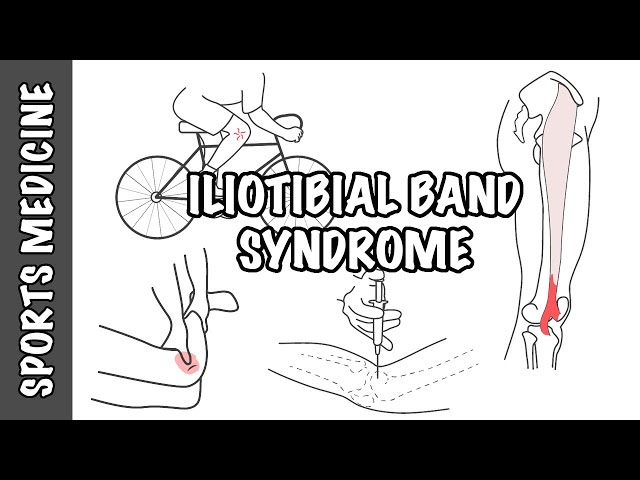
Iliotibial Band Syndrome (ITBS) – Overview
Iliotibial band syndrome is a common overuse injury, causing pain at the outside of the knee. It is typically seen in runners and cyclists. The sudden pain is localised in the outer knee where the iliotibial band courses over the lateral femoral epicondyle.
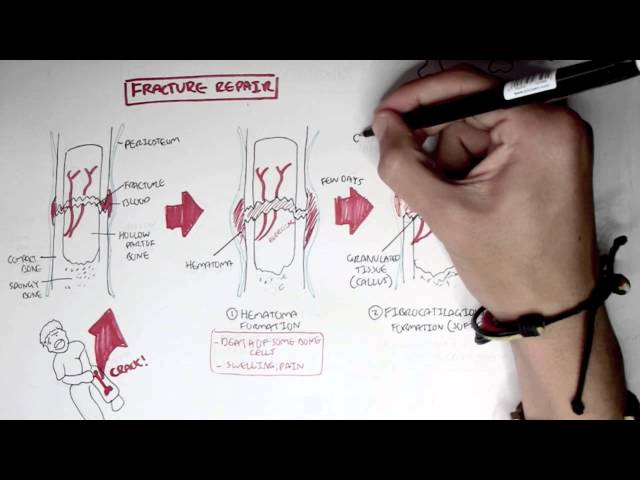
Bone Fracture – Types, Fracture Repair and Osteomyelitis
Explore the types of bone fractures, the stages of fracture repair, and the complications like osteomyelitis in this orthopedic video. Ideal for exams and clinical review, this video breaks down fracture classifications, healing processes, and infection mechanisms with clear visuals and key concepts.
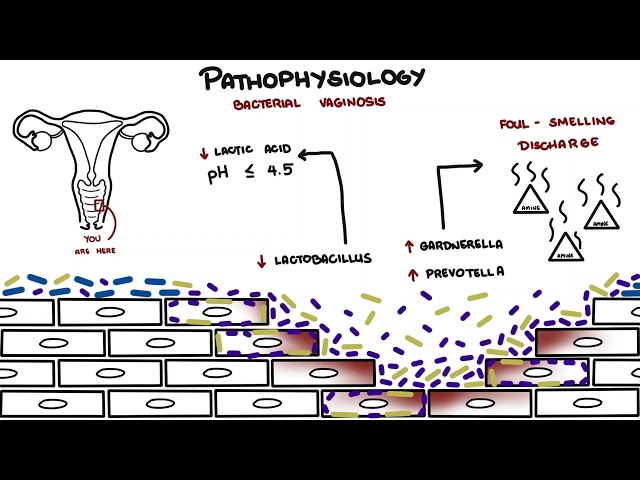
Bacterial Vaginosis
Learn about bacterial vaginosis, a common vaginal condition caused by an imbalance in the normal bacterial flora. This video explains its symptoms, underlying microbiology, risk factors, diagnostic methods, and available treatments.
Our mission
Medical science is complex. Understanding it should feel possible.
Armando Hasudungan turns difficult medical science into clear visual explanations and connected learning experiences—so learners can see the whole picture, remember what matters and find a clearer way forward.
See it clearly
Turn abstract processes and invisible relationships into something the learner can picture.
Connect the pieces
Build understanding around how concepts fit together—not a pile of isolated facts.
Make it useful
Help learners move from explanation to recall, revision and the next logical step.
What clarity feels like
When the topic stops being a blur.
Learners do not come back because the subject became easy. They come back because the explanation gave them a picture they could work with.
“Armando's teaching style gives me the foundational knowledge.
Jessica Payne-Burnett
Medical Student, Charles Sturt University
“The notes I make during his videos help me retain everything better.
Ayesha RaiStudent, Islamabad Medical and Dental College
“The drawings are amazing and super easy to remember.
Reem Mohamed Khair Abdalrazig
Student, Neelain University
Coming soon: the AH study platform
The explanation is only the start.
The free library helps you find a clear explanation. The AH platform is being built to help you connect the resources, follow a clearer path and check what actually stuck.
- Watch in a focused, ad-free study environment.
- Move between connected videos, notes, diagrams and questions.
- Know what belongs next instead of rebuilding the study path yourself.
- Test your understanding while the topic is still fresh.
New and worth a look
Keep building the picture.
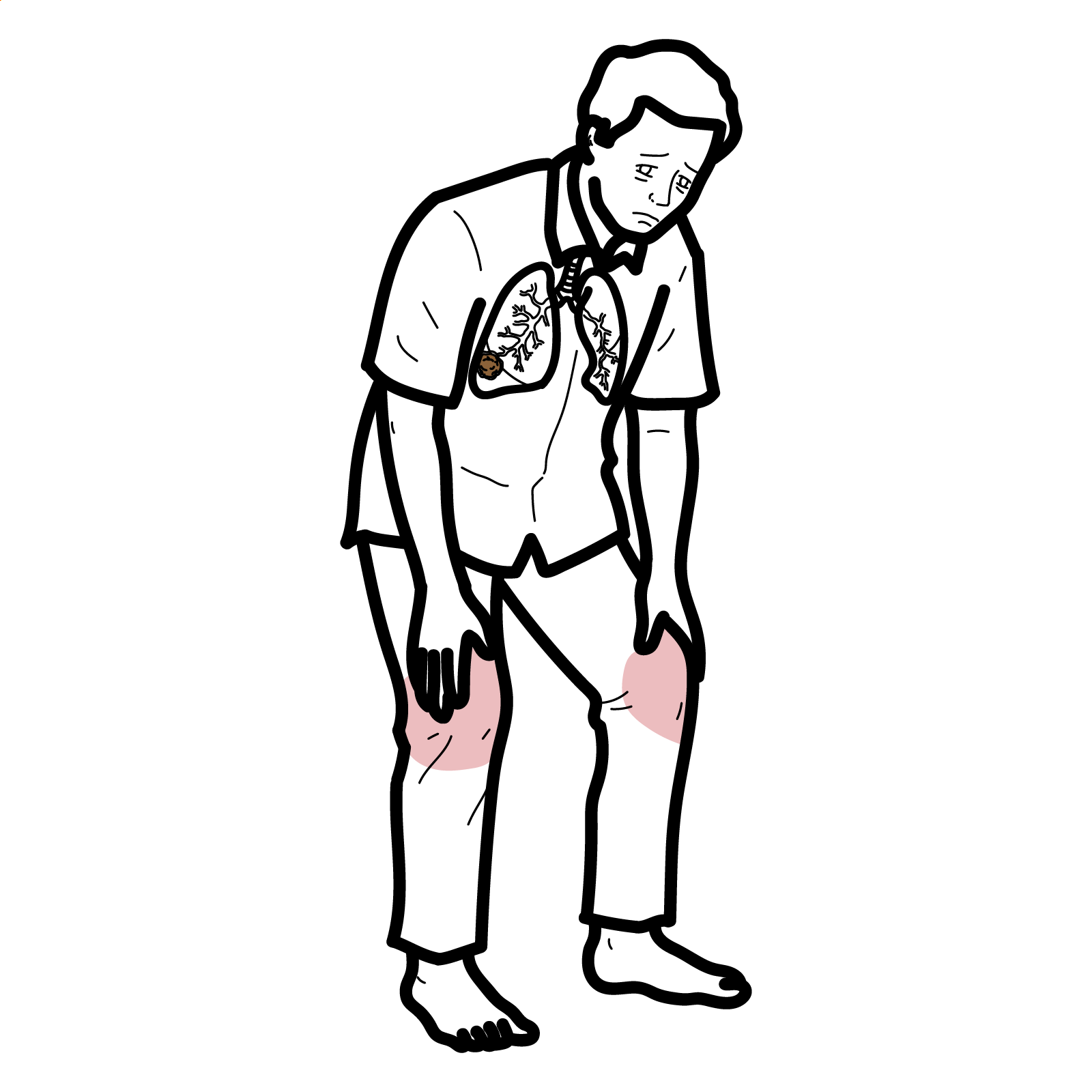
Lambert-Eaton Myasthenic Syndrome
Overview Lambert–Eaton myasthenic syndrome (LEMS) is a rare autoimmune disorder of the presynaptic neuromuscular junction. It causes impaired acetylcholine release, producing the characteristic triad of proximal muscle weakness, reduced reflexes and autonomic dysfunction. LEMS may occur as a paraneoplastic syndrome—most commonly associated with small-cell lung cancer (SCLC)—or as a non-tumour-associated autoimmune disorder. Neuromuscular junction: connection…
View this topic ↗About Visualising Medicine
Good education does not remove complexity. It makes complexity feel simple.
Visualising Medicine is the team behind Armando Hasudungan. We bring together medicine, illustration, writing and technology to make difficult ideas clearer—and build better ways for learners to use them.