

Visual explanationFree resource
Visual medical education by Armando Hasudungan
Medical science, drawn into focus.
Explore visual explanations that reveal how the facts, processes and clinical patterns fit together—then discover the coming AH study platform, built to guide what you study next and check what stuck.
Connected studyComing soon
Clear visual explanations used by medical and allied-health learners around the world.
Explore the free library
Start with the topic in front of you.
Browse by subject or jump straight into the explanation you need. No account required.
Paediatric Bacterial Cutaneous Infection
Overview Meningitis 5 year old presents with non-blanching rash, fever, headache, photophobia and neck stiffness. Aetiology Up to three months of age Group B streptococcus E-coli Listeria Three to 12 years of age Streptococcus pneumonia N. meningitidis Clinical presentation Fever Lethargy Irritability Anorexia Nausea/vomiting Photophobia Neck and back pain/rigidity Kernig sign Brudzinski sign Investigations FBC…
View topic ↗Hydatidiform Mole (Molar Pregnancy)
Overview Hydatidiform moles are part of a group of diseases falling under gestational trophoblastic disease. A hydatidiform mole refers to the abnormal growth of trophoblastic cells in the placenta, resulting in edematous placental villi that form hydatidiform structures. It is classified as either partial or complete, causing either abnormal foetal development (resulting in foetal demise)…
View topic ↗Transient Ischaemic Attack (TIA)
Overview Transient ischemic attack is defined as transient neurologic symptoms without evidence of acute infarction. It is a common and important risk factor for future stroke. TIAs are produced by temporary ischemia to a vascular territory, usually caused by thrombosis or embolism and less commonly by vasculitis, hematologic disorders such as sickle cell disease or…
View topic ↗Hyperthyroidism (Thyrotoxicosis)
Overview The most common cause of hyperthyroidism are Graves disease, multinodular goitre, an autonomously functioning thyroid nodule (adenoma) and subacute thyroiditis. Graves Disease is more common in women. Multinodular goitre is more common in the elderly. Graves disease typically manifests in middle aged women. Thyroid diseases are more common in women. Hyperthyroidism: denote conditions in which…
View topic ↗Neural Tube Defect
Overview Neural tube defects (NTDs) are a group of major congenital anomalies comprising anencephaly, spina bifida and encephalocele that result from very early disruption in the development of the brain and spinal cord. These conditions are often incompatible with life. Survivors frequently require intensive, costly, lifelong health and social care. Neural tube defect (NTD): Severe…
View topic ↗Antiphospholipid Syndrome (APS)
Overview Antiphospholipid Syndrome (APS) is an acquired autoimmune thrombophilia characterized by recurrent venous or arterial thromboses and/or pregnancy morbidity in the presence of persistent antiphospholipid antibodies (aPL). APS may occur as a primary condition or secondary to systemic lupus erythematosus (SLE). Prevalence of aPL in the general population is ~2%, but true APS is rare…
View topic ↗Chronic Granulomatous Disease
Overview Chronic granulomatous disease (CGD) is a rare, inherited primary immunodeficiency characterised by defective function of the NADPH oxidase enzyme complex in phagocytes, leading to failure of the oxidative burst required for intracellular killing of pathogens. This results in recurrent, often life-threatening bacterial and fungal infections, particularly with catalase-positive organisms, and predisposes to granuloma formation…
View topic ↗Full resource library
Browse all topics ↗Choose how you learn
One idea. More than one way to see it.
Use the format that helps the topic click, then switch formats when you need to reinforce it.
01 / WATCH02 / READ03 / SEE04 / CHECK
Videos
Hand-drawn explanations that build the big picture as the concept unfolds.
Notes
Clear written explanations for review, reference and filling in the details.
Diagrams
Visual snapshots that help you easily review topics.
Questions
Test whether the explanation stayed with you—not just whether it looked familiar.
Good places to begin
Explanations learners return to.
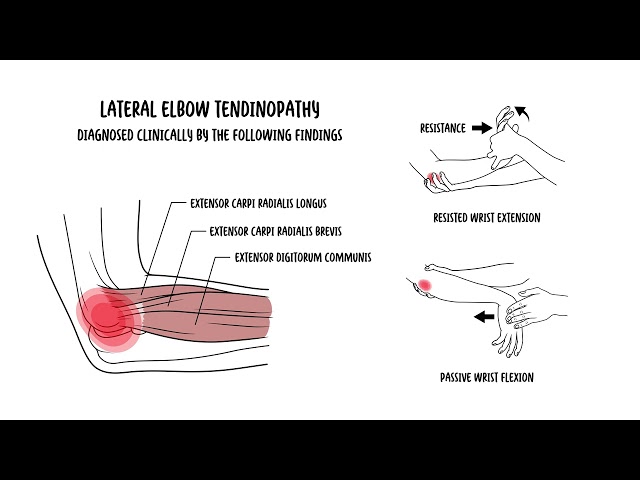
Tennis elbow – lateral elbow tendinopathy (lateral epicondylitis)
Discover the causes and symptoms of tennis elbow, also known as lateral elbow tendinopathy or lateral epicondylitis, a condition involving overuse of the forearm extensor tendons. This video explains the underlying pathology, risk factors, diagnostic approach, and treatment options.
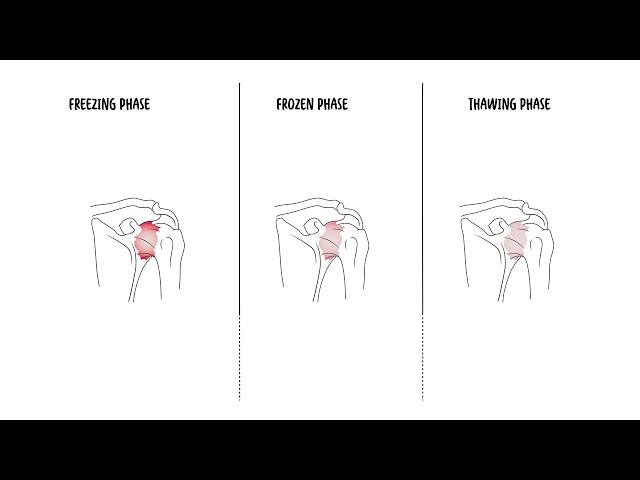
Understanding Frozen Shoulder (Adhesive capsulitis)
Frozen shoulder, medically known as adhesive capsulitis, is a condition characterised by stiffness, pain, and limited range of motion in the shoulder joint. It typically develops gradually and can significantly impact daily activities. The condition is often linked to inflammation and tightening of the shoulder capsule. Common in people aged 40 to 60, especially those…
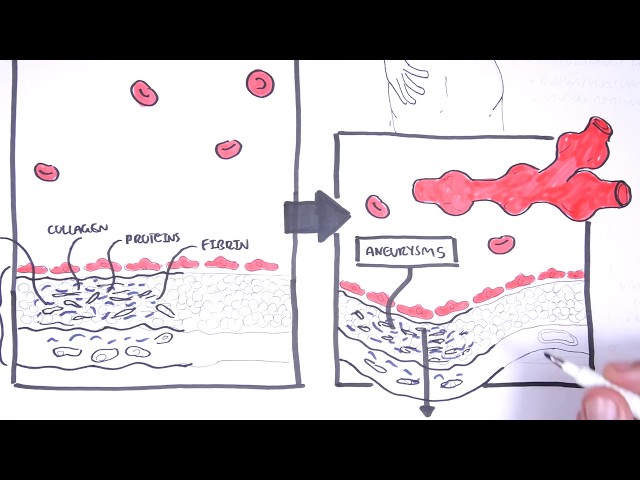
Polyarteritis Nodosa and Kawasaki Disease (Medium Vessel Vasculitis) – Symptoms, pathophysiology
Polyarteritis Nodosa and Kawasaki Disease are types of medium vessel vasculitis with distinct clinical presentations and vascular involvement. This video explores their key symptoms, underlying pathophysiology, and differences in disease mechanisms.
Our mission
Medical science is complex. Understanding it should feel possible.
Armando Hasudungan turns difficult medical science into clear visual explanations and connected learning experiences—so learners can see the whole picture, remember what matters and find a clearer way forward.
See it clearly
Turn abstract processes and invisible relationships into something the learner can picture.
Connect the pieces
Build understanding around how concepts fit together—not a pile of isolated facts.
Make it useful
Help learners move from explanation to recall, revision and the next logical step.
What clarity feels like
When the topic stops being a blur.
Learners do not come back because the subject became easy. They come back because the explanation gave them a picture they could work with.
“Armando's teaching style gives me the foundational knowledge.
Jessica Payne-Burnett
Medical Student, Charles Sturt University
“The notes I make during his videos help me retain everything better.
Ayesha RaiStudent, Islamabad Medical and Dental College
“The drawings are amazing and super easy to remember.
Reem Mohamed Khair Abdalrazig
Student, Neelain University
Coming soon: the AH study platform
The explanation is only the start.
The free library helps you find a clear explanation. The AH platform is being built to help you connect the resources, follow a clearer path and check what actually stuck.
- Watch in a focused, ad-free study environment.
- Move between connected videos, notes, diagrams and questions.
- Know what belongs next instead of rebuilding the study path yourself.
- Test your understanding while the topic is still fresh.
New and worth a look
Keep building the picture.
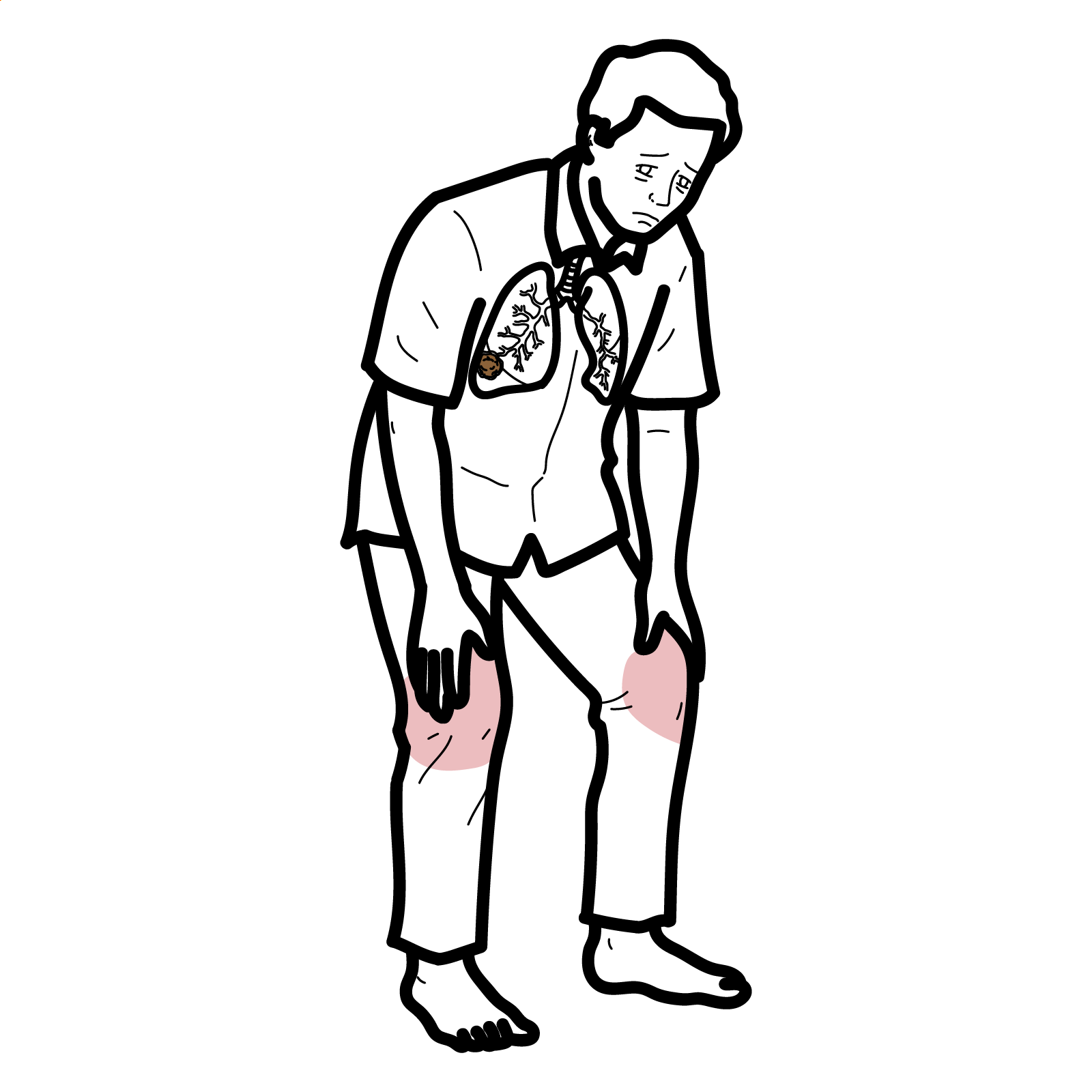
Lambert-Eaton Myasthenic Syndrome
Overview Lambert–Eaton myasthenic syndrome (LEMS) is a rare autoimmune disorder of the presynaptic neuromuscular junction. It causes impaired acetylcholine release, producing the characteristic triad of proximal muscle weakness, reduced reflexes and autonomic dysfunction. LEMS may occur as a paraneoplastic syndrome—most commonly associated with small-cell lung cancer (SCLC)—or as a non-tumour-associated autoimmune disorder. Neuromuscular junction: connection…
View this topic ↗About Visualising Medicine
Good education does not remove complexity. It makes complexity feel simple.
Visualising Medicine is the team behind Armando Hasudungan. We bring together medicine, illustration, writing and technology to make difficult ideas clearer—and build better ways for learners to use them.