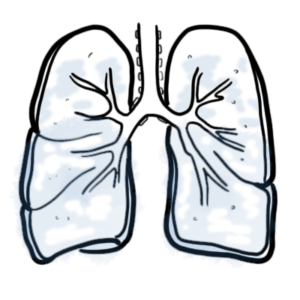


Fluid overload is a clinical condition characterised by an excess of fluid in the body, often resulting from impaired renal function, heart failure, or excessive intravenous fluid administration. It is clinically significant as it can lead to complications such as pulmonary oedema, which impairs gas exchange and can result in respiratory distress. Recognising and managing fluid overload is crucial to prevent serious outcomes and optimise patient care in various medical settings.


Please confirm you want to block this member.
You will no longer be able to:
Please allow a few minutes for this process to complete.