

Visual explanationFree resource
Visual medical education by Armando Hasudungan
Medical science, drawn into focus.
Explore visual explanations that reveal how the facts, processes and clinical patterns fit together—then discover the coming AH study platform, built to guide what you study next and check what stuck.
Connected studyComing soon
Clear visual explanations used by medical and allied-health learners around the world.
Explore the free library
Start with the topic in front of you.
Browse by subject or jump straight into the explanation you need. No account required.
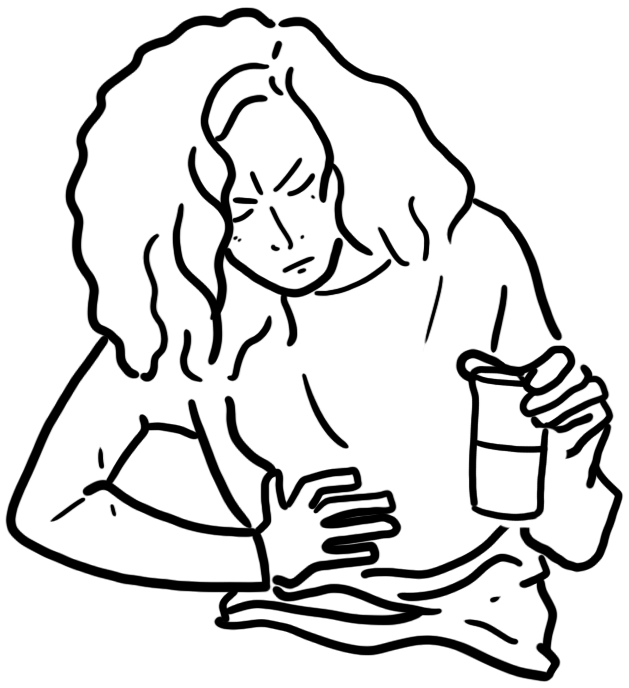
Paracetamol Overdose
Overview Paracetamol overdose is a common cause of hospital presentation. Paracetamol is an analgesic and antipyretic drug used in both children and adults. Its mechanism of action is yet to be fully determined, and is likely to involve a number of pain pathways. When taken in excess it can cause signs such as vomiting, right…
View topic ↗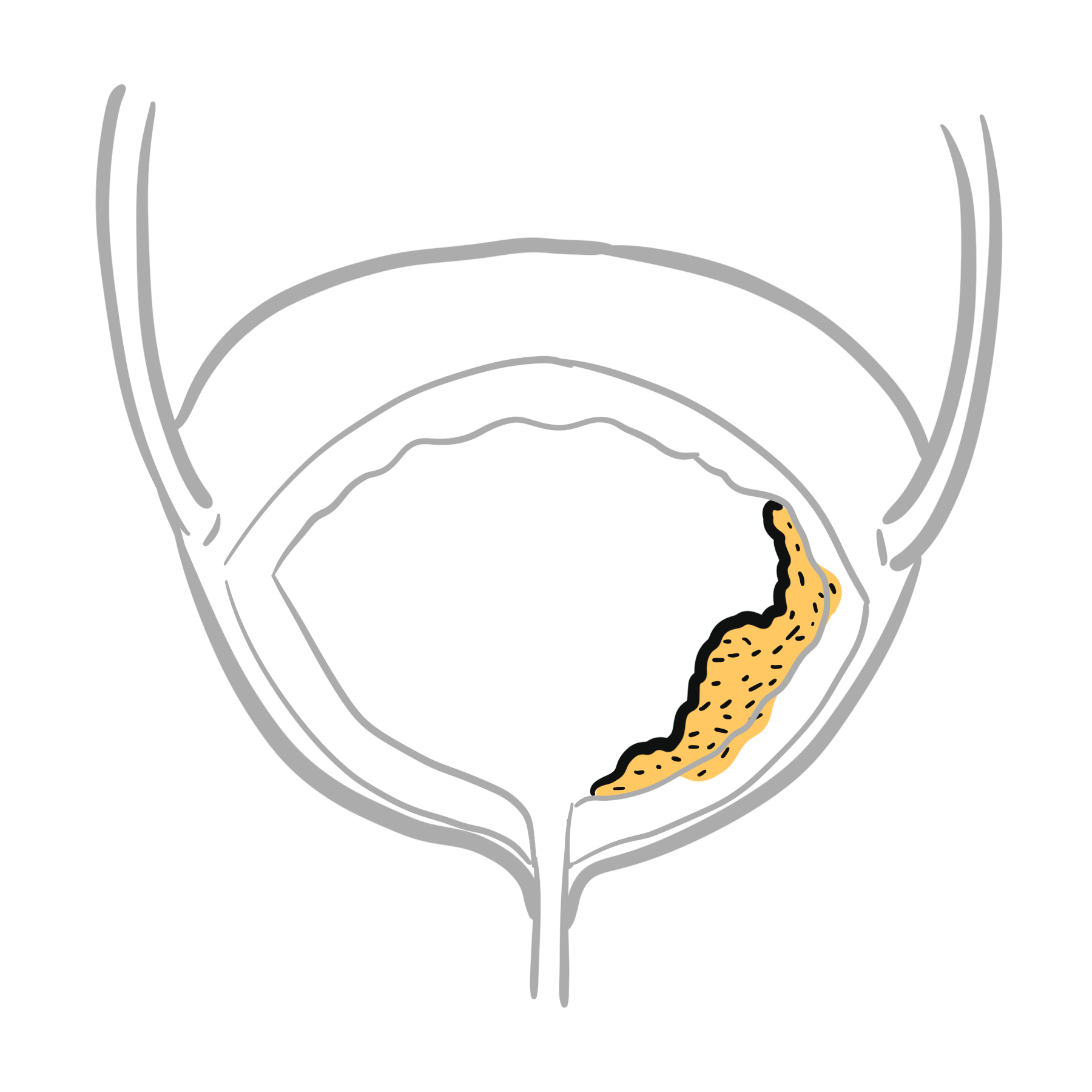
Bladder Carcinoma
Mainly focusing on Transitional cell tumours Overview Three main types of bladder carcinoma Transitional cell carcinoma (Most common) Squamous cell carcinoma Adenocarcinoma (Rare) Transitional cell tumours can affect any part of the urinary epithelium. It is the second most common urological malignancy (Renal Adenocarcinoma is the most common, bladder adenocarcinoma is rare ) and is one…
View topic ↗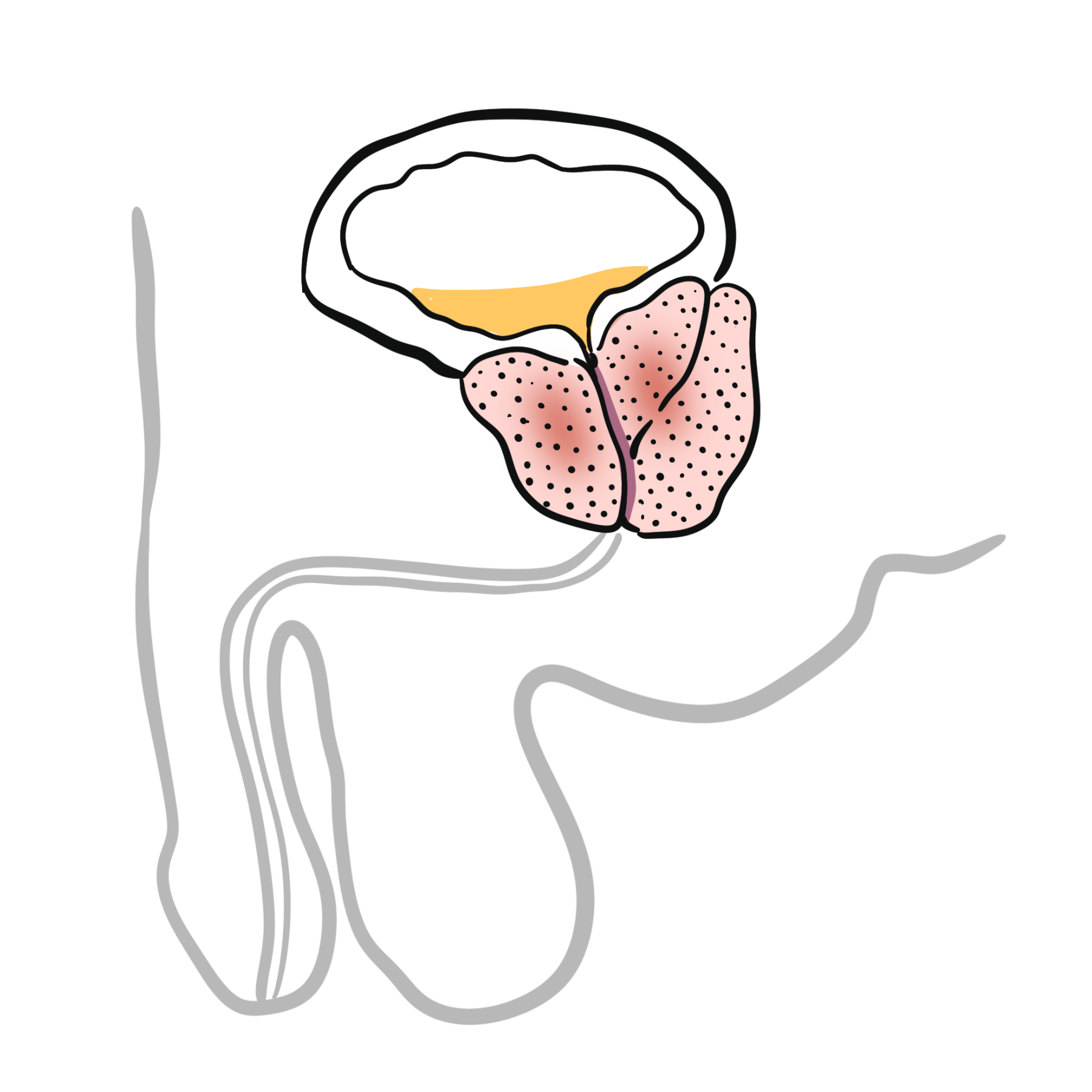
Benign Prostatic Hyperplasia
Overview Benign prostatic hyperplasia (BPH) is a non-malignant enlargement of the prostate gland. There is an increase in stromal and glandular components. Anatomy The prostate is an male organ that sits inferior to the bladder and surrounds the first part of the urethra. It is oval shaped and approximately 4cm thick. The prostate gland is…
View topic ↗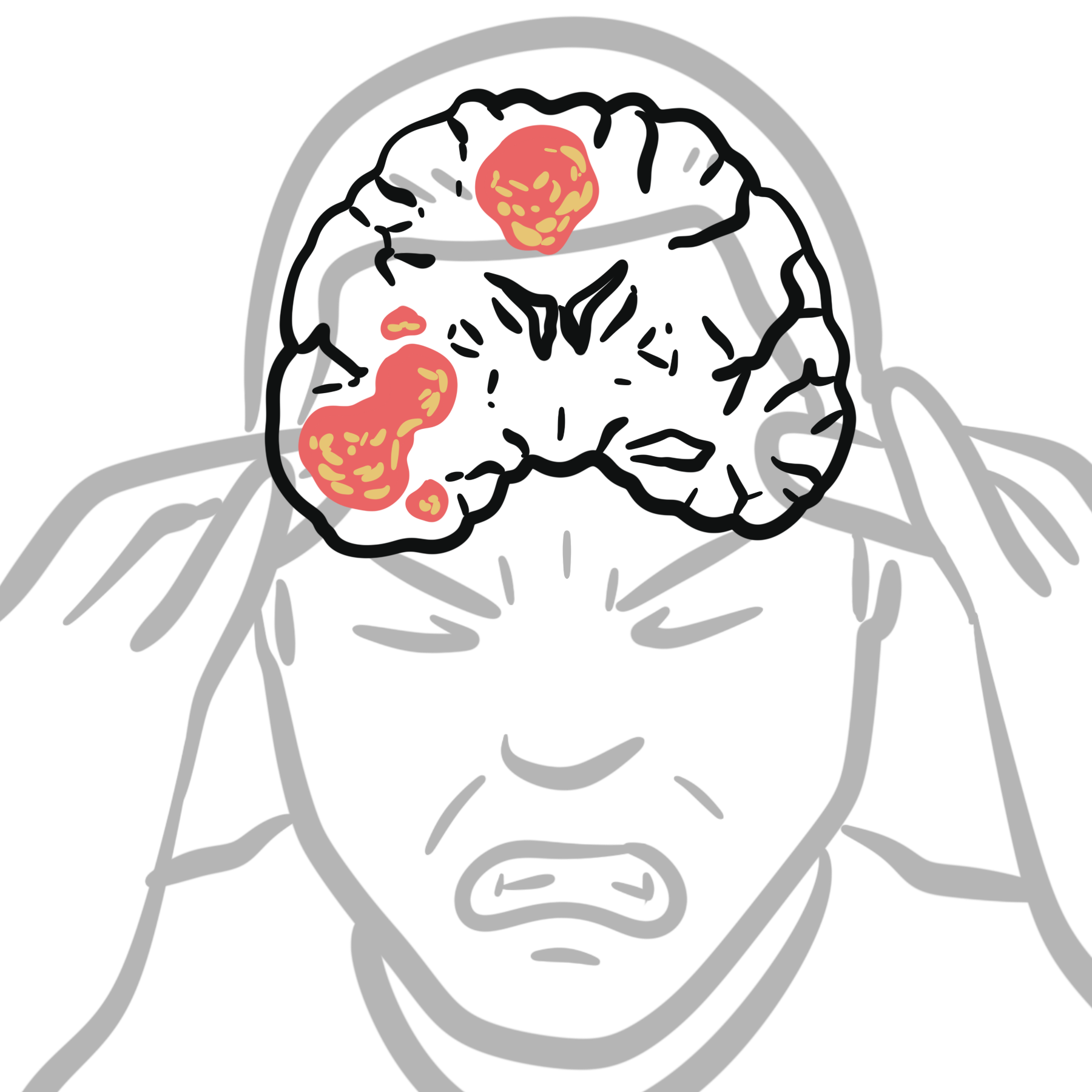
Brain Abscess
Overview A brain abscess is a focal, encapsulated suppurative infection originating within the brain parenchyma. It begins as a localized area of unencapsulated parenchymal inflammation (cerebritis) that evolves over days to weeks into a pus-filled core surrounded by a vascularized collagen capsule. Despite significant advances in neuroimaging, stereotactic neurosurgery, and broad-spectrum antimicrobial therapy, a brain…
View topic ↗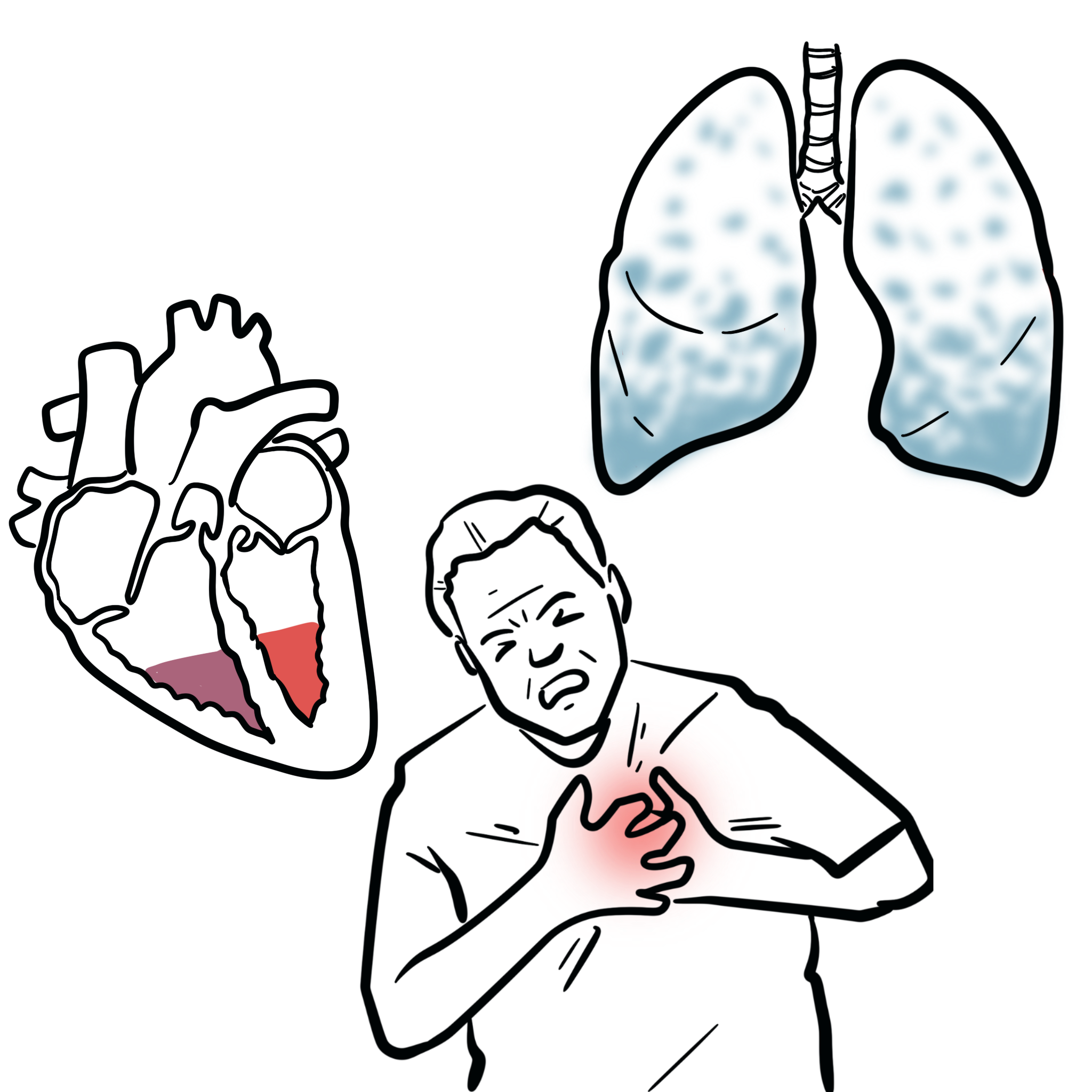
Acute Heart Failure
Overview Acute Heart Failure (AHF) is a life-threatening medical emergency defined as the rapid onset or sudden worsening of symptoms and signs of heart failure. It results from severe cardiac dysfunction leading to inadequate systemic cardiac output, elevated intracardiac pressures, or both. AHF can present either as de novo heart failure in a patient without…
View topic ↗
Non-Febrile Seizures (Epilepsy)
This section will mainly focus on Paediatric Epilepsy (NOT FEBRILE SEIZURES) Children and Adults can have seizures because of metabolic disturbances, trauma or being in a febrile state. This does mean they have epilepsy. Epilepsy is a condition characterised by the tendency for recurrent seizures. Presents when at least 2 unprovoked seizures occur >24 hours apart. Overview…
View topic ↗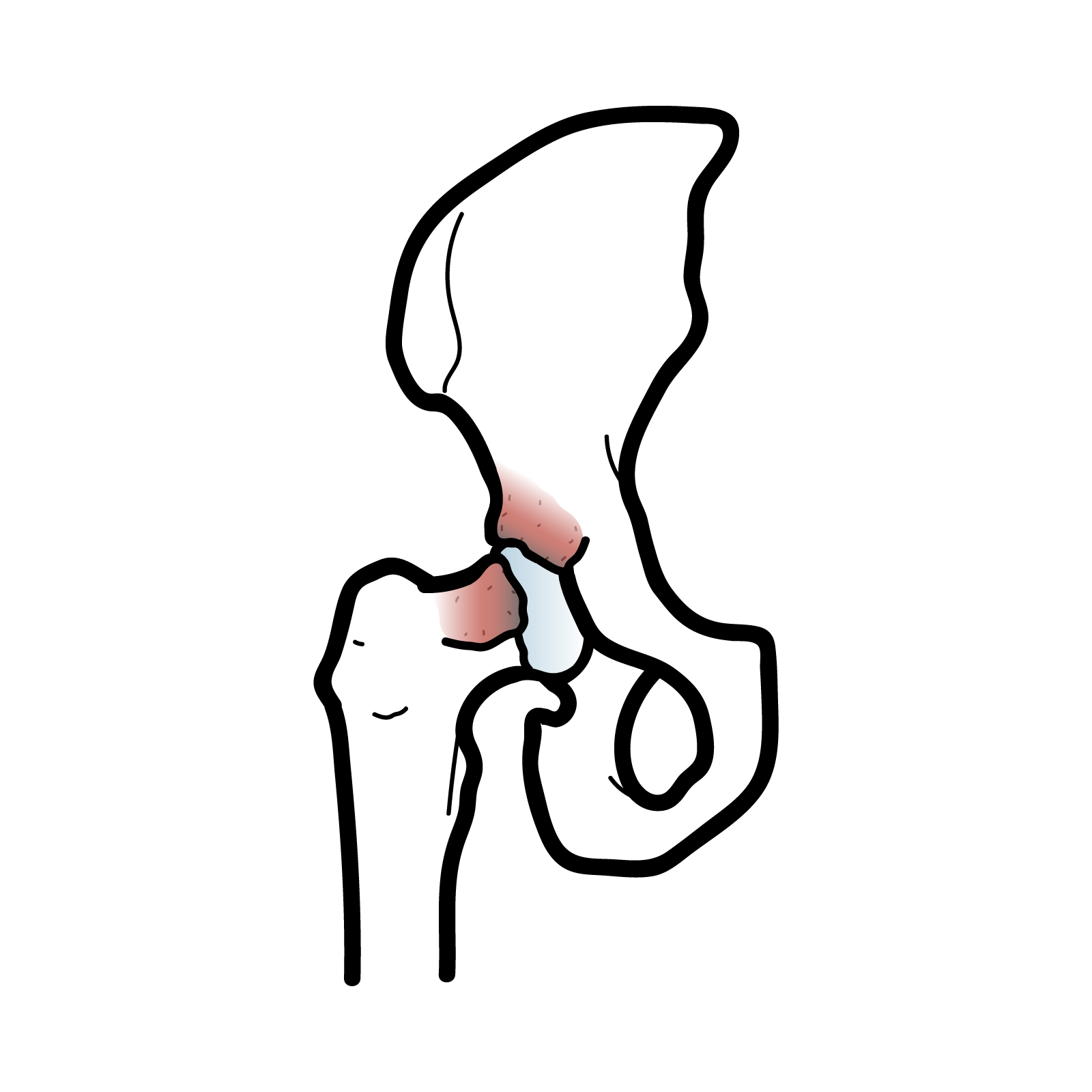
Acetabular Impingement Syndrome
Overview Acetabular impingement syndrome is more commonly termed femoroacetabular impingement syndrome (FAIS) . It is a motion-related clinical disorder in which symptomatic contact between the proximal femur and acetabular rim causes hip or groin pain, restricted movement and impaired function. Cam and pincer morphology are common in people without hip pain. These findings describe bone…
View topic ↗Full resource library
Browse all topics ↗Choose how you learn
One idea. More than one way to see it.
Use the format that helps the topic click, then switch formats when you need to reinforce it.
01 / WATCH02 / READ03 / SEE04 / CHECK
Videos
Hand-drawn explanations that build the big picture as the concept unfolds.
Notes
Clear written explanations for review, reference and filling in the details.
Diagrams
Visual snapshots that help you easily review topics.
Questions
Test whether the explanation stayed with you—not just whether it looked familiar.
Good places to begin
Explanations learners return to.
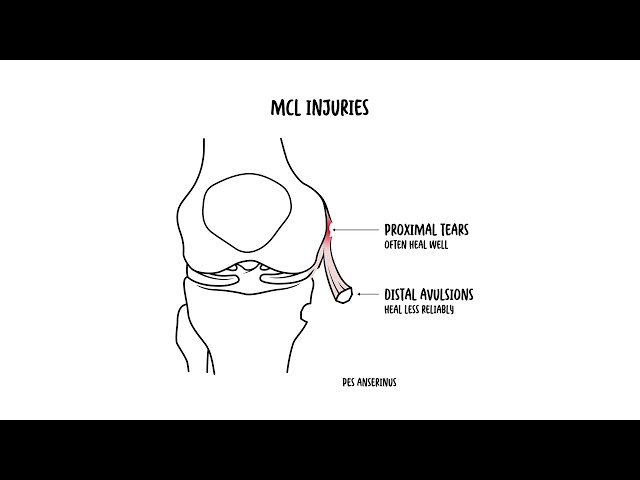
MCL Knee Tear Explained Symptoms, Grades and Treatment
A comprehensive clinical overview covering the pathophysiology, classification, diagnostic evaluation, and non-operative management strategies for medial collateral ligament (MCL) knee injuries.
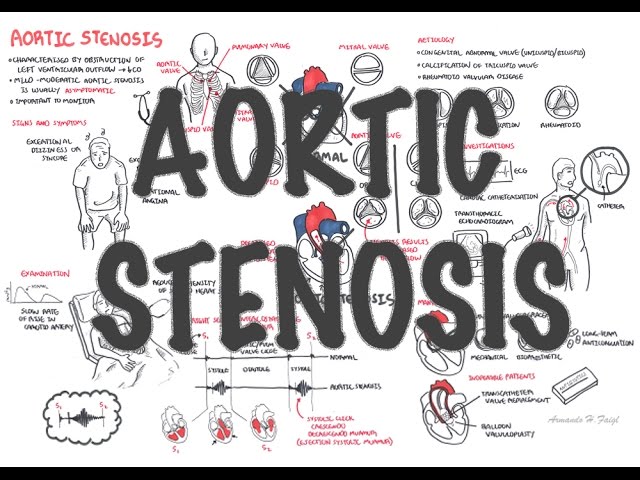
Aortic Stenosis – Overview (signs and symptoms, pathophysiology, treatment)
Learn the key features of aortic stenosis including its signs and symptoms, underlying pathophysiology, and clinical management. This video breaks down how valve narrowing affects cardiac output and outlines current treatment options, including surgical intervention.
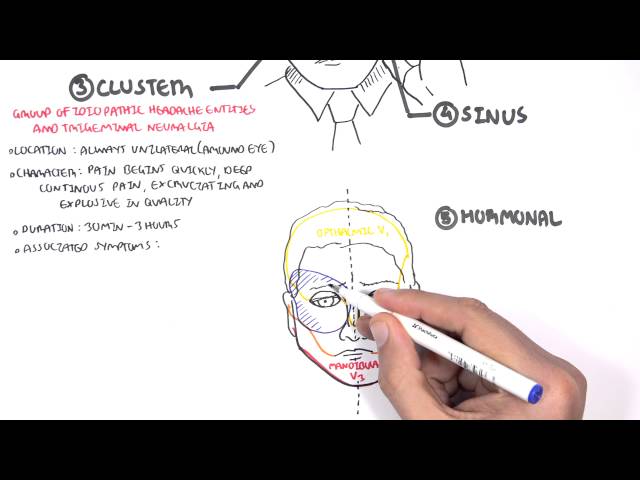
Headache – Overview (types, signs and symptoms, treatment)
Explore the different types of headaches including tension, migraine, and cluster, along with their characteristic signs and symptoms. This video also covers key treatment options and clinical clues for effective headache management.
Our mission
Medical science is complex. Understanding it should feel possible.
Armando Hasudungan turns difficult medical science into clear visual explanations and connected learning experiences—so learners can see the whole picture, remember what matters and find a clearer way forward.

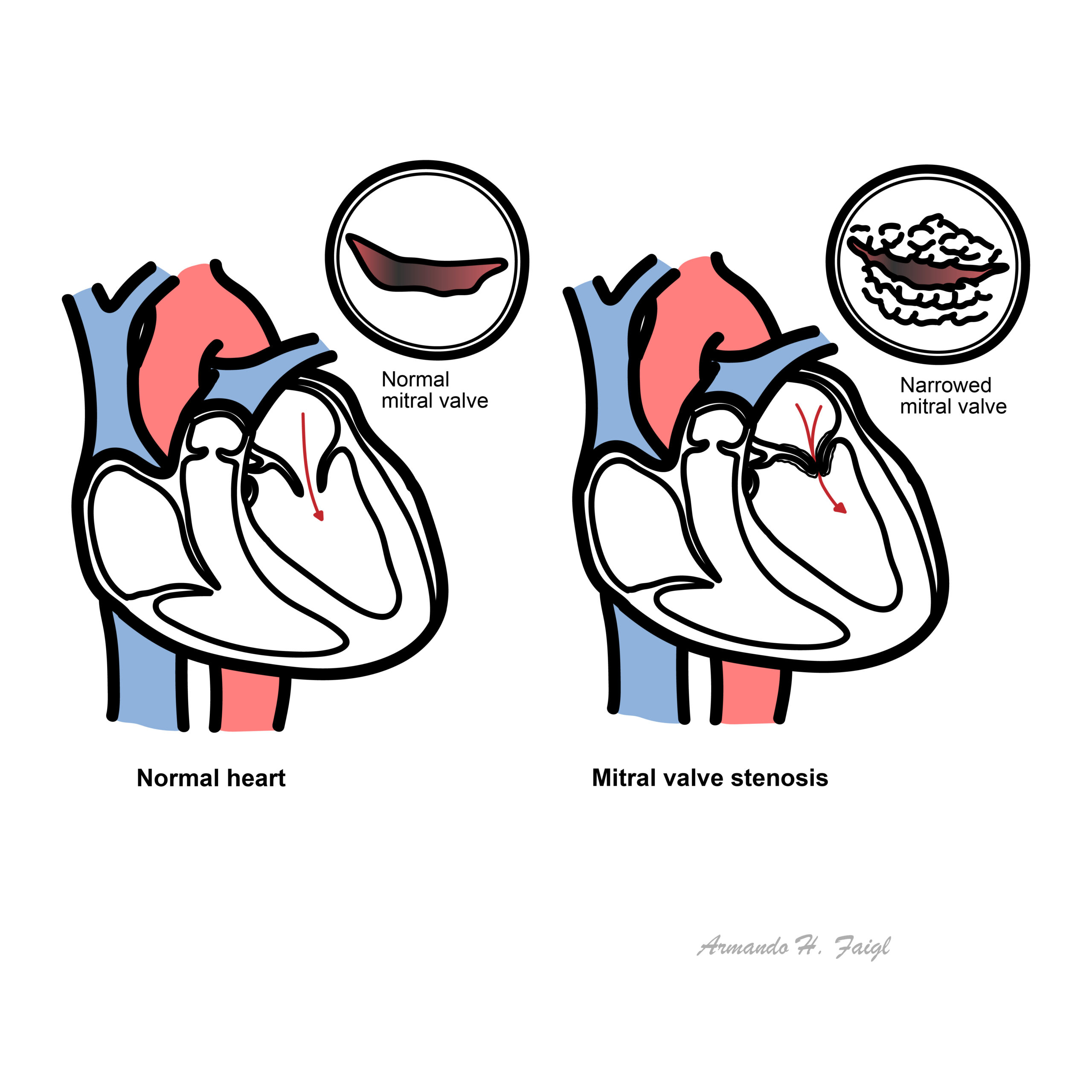
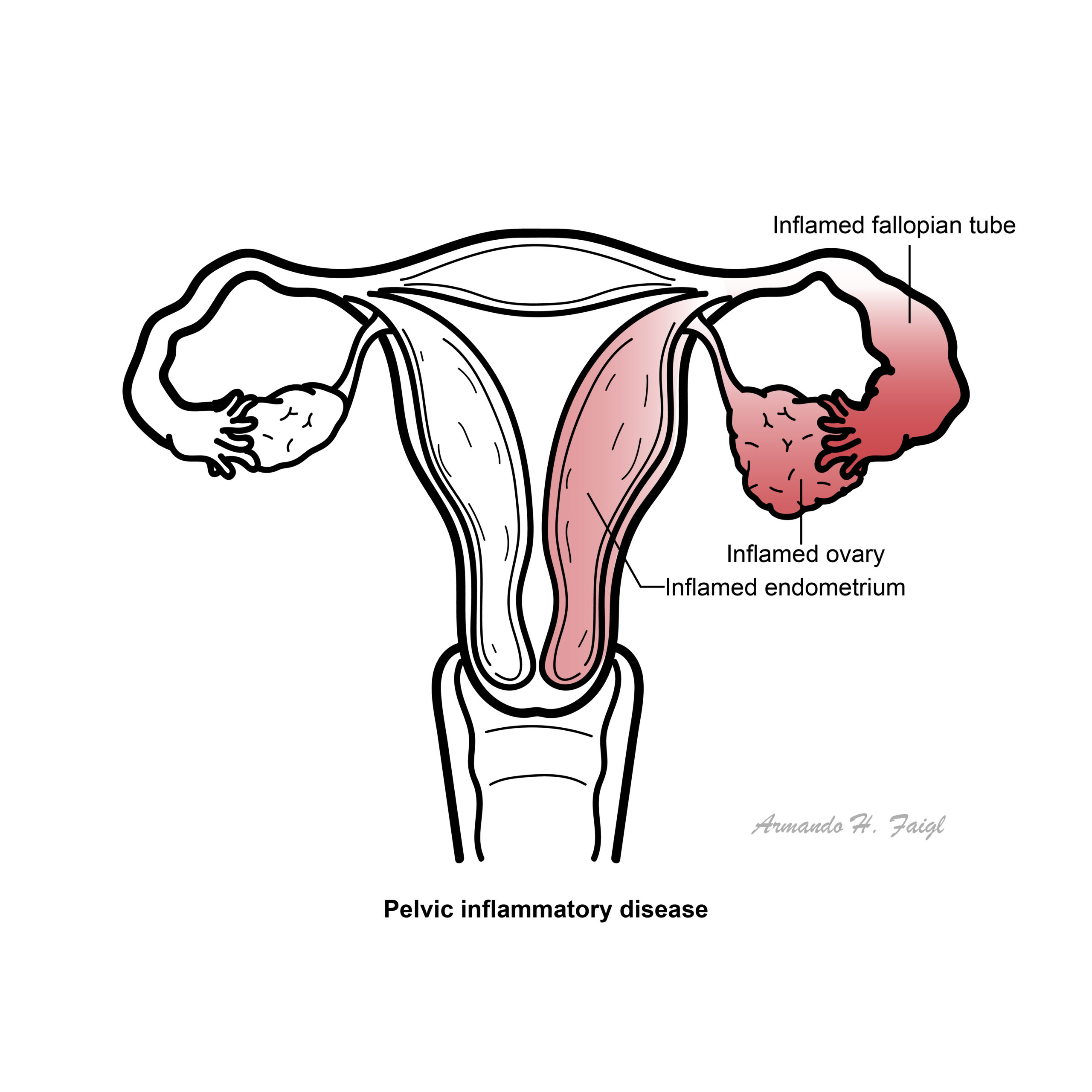
See it clearly
Turn abstract processes and invisible relationships into something the learner can picture.
Connect the pieces
Build understanding around how concepts fit together—not a pile of isolated facts.
Make it useful
Help learners move from explanation to recall, revision and the next logical step.
What clarity feels like
When the topic stops being a blur.
Learners do not come back because the subject became easy. They come back because the explanation gave them a picture they could work with.
“Armando's teaching style gives me the foundational knowledge.
Jessica Payne-Burnett
Medical Student, Charles Sturt University
“The notes I make during his videos help me retain everything better.
Ayesha RaiStudent, Islamabad Medical and Dental College
“The drawings are amazing and super easy to remember.
Reem Mohamed Khair Abdalrazig
Student, Neelain University
Coming soon: the AH study platform
The explanation is only the start.
The free library helps you find a clear explanation. The AH platform is being built to help you connect the resources, follow a clearer path and check what actually stuck.
- Watch in a focused, ad-free study environment.
- Move between connected videos, notes, diagrams and questions.
- Know what belongs next instead of rebuilding the study path yourself.
- Test your understanding while the topic is still fresh.
New and worth a look
Keep building the picture.
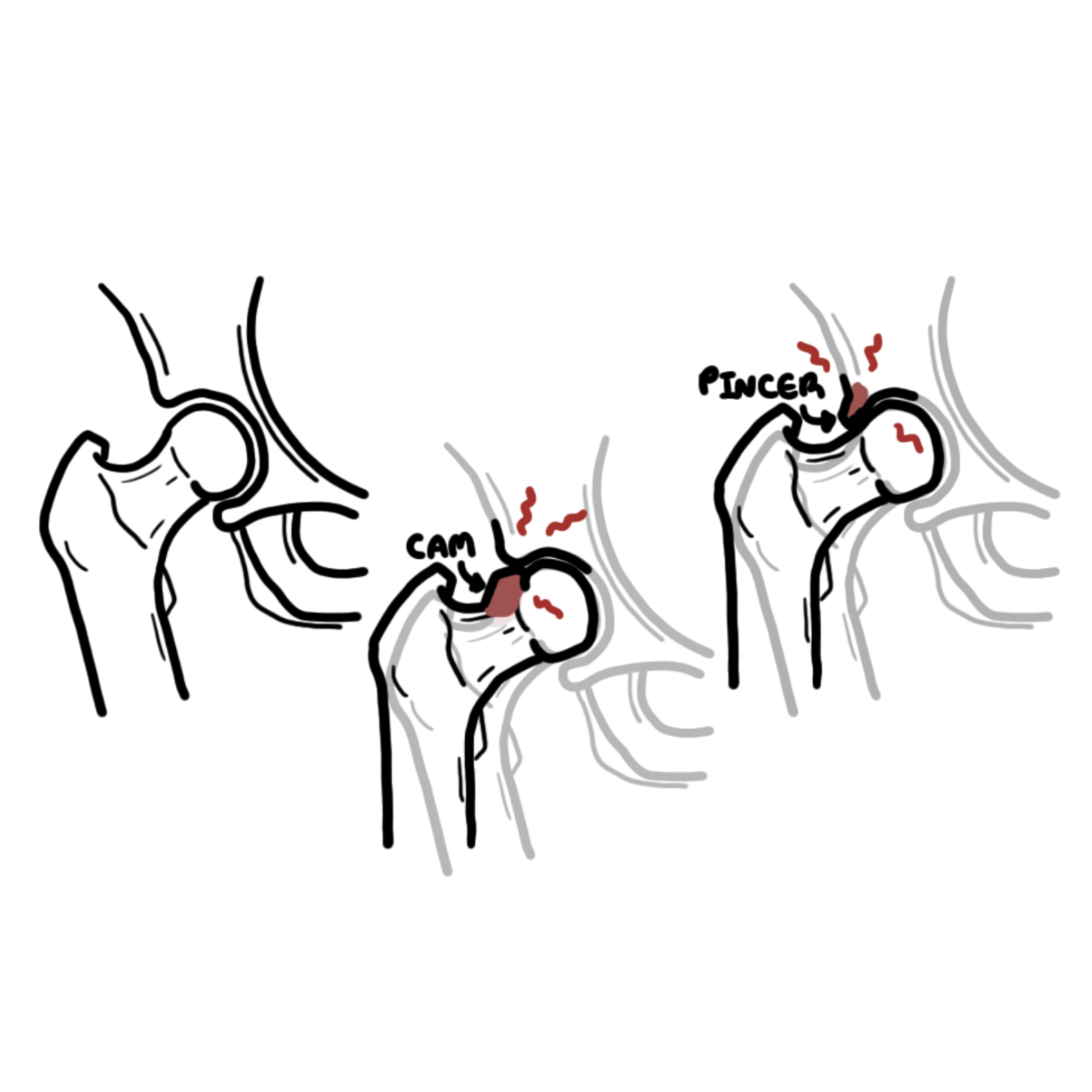
Femoroacetabular Impingement Syndrome
Overview Femoroacetabular impingement syndrome (FAIS) is a motion-related clinical disorder of the hip in which symptoms and clinical signs occur in association with characteristic femoral and/or acetabular morphology. The accepted diagnostic concept is a triad of symptoms, clinical signs and imaging findings ; bone morphology alone does not establish the syndrome. Patients commonly present with…
View this topic ↗Deep Neck Infection Causes, specific syndromes and symptoms, Complications & TreatmentExtensor Tendon Anatomy & Injuries Explained | Zones, Clinical features and examinationApoptosis – internal and external pathwaysMCL Knee Tear Explained Symptoms, Grades and TreatmentPharmacodynamics Explained Agonists, Antagonists, Efficacy & AffinityFlexor Tendon Injury & Anatomy Explained Zones, Anatomy, Diagnosis & Treatment
About Visualising Medicine
Good education does not remove complexity. It makes complexity feel simple.
Visualising Medicine is the team behind Armando Hasudungan. We bring together medicine, illustration, writing and technology to make difficult ideas clearer—and build better ways for learners to use them.