

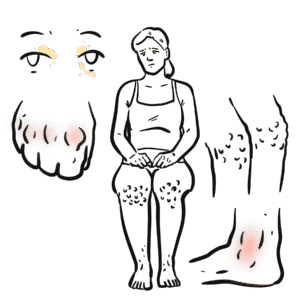
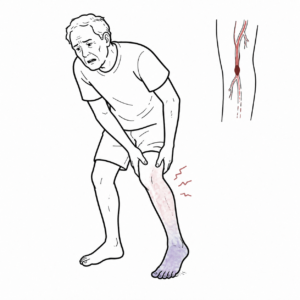
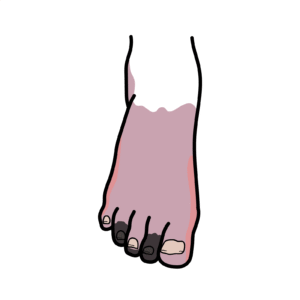
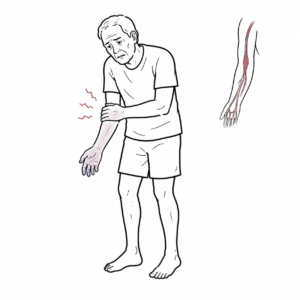
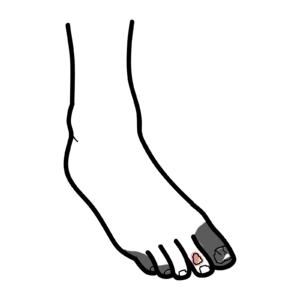
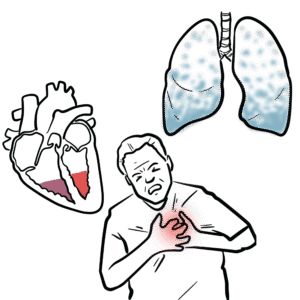
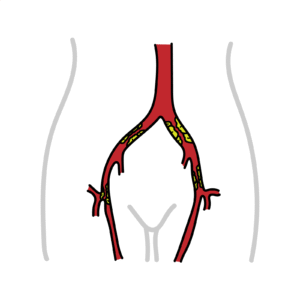
Peripheral vascular disease is a condition characterised by narrowing or blockage of blood vessels outside the heart and brain, primarily affecting arteries supplying the limbs. It is clinically important because it reduces blood flow, leading to symptoms such as claudication and increasing the risk of critical limb ischaemia. A key complication is the development of non-healing ulcers or gangrene, which may necessitate amputation if untreated.


Please confirm you want to block this member.
You will no longer be able to:
Please allow a few minutes for this process to complete.