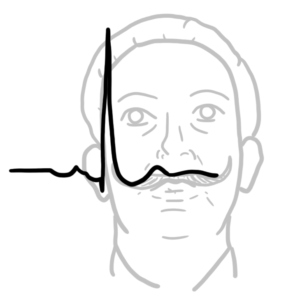
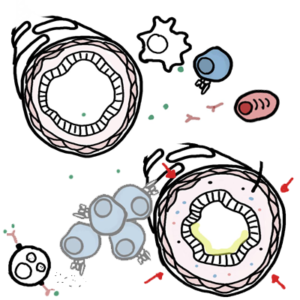
The mechanism of action refers to the specific biochemical interaction through which a drug or therapeutic agent produces its effects at the cellular or molecular level. Understanding this mechanism is crucial in clinical practice as it informs drug selection, dosing, and potential side effects, ultimately guiding effective treatment strategies. For example, the mechanism of action of beta-blockers involves blocking beta-adrenergic receptors, which can lead to decreased heart rate and blood pressure, but may also cause bronchoconstriction in susceptible patients.