

Visual explanationFree resource
Visual medical education by Armando Hasudungan
Medical science, drawn into focus.
Explore visual explanations that reveal how the facts, processes and clinical patterns fit together—then discover the coming AH study platform, built to guide what you study next and check what stuck.
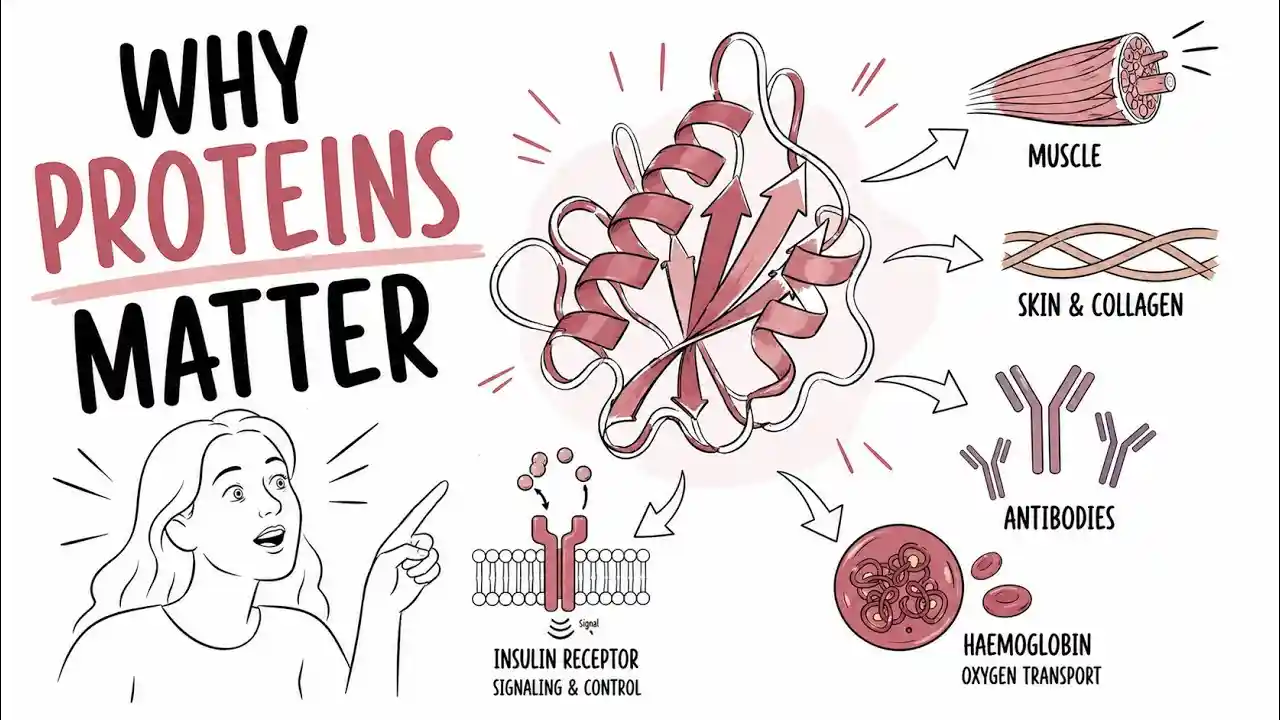
Connected studyComing soon
Clear visual explanations used by medical and allied-health learners around the world.
Explore the free library
Start with the topic in front of you.
Browse by subject or jump straight into the explanation you need. No account required.
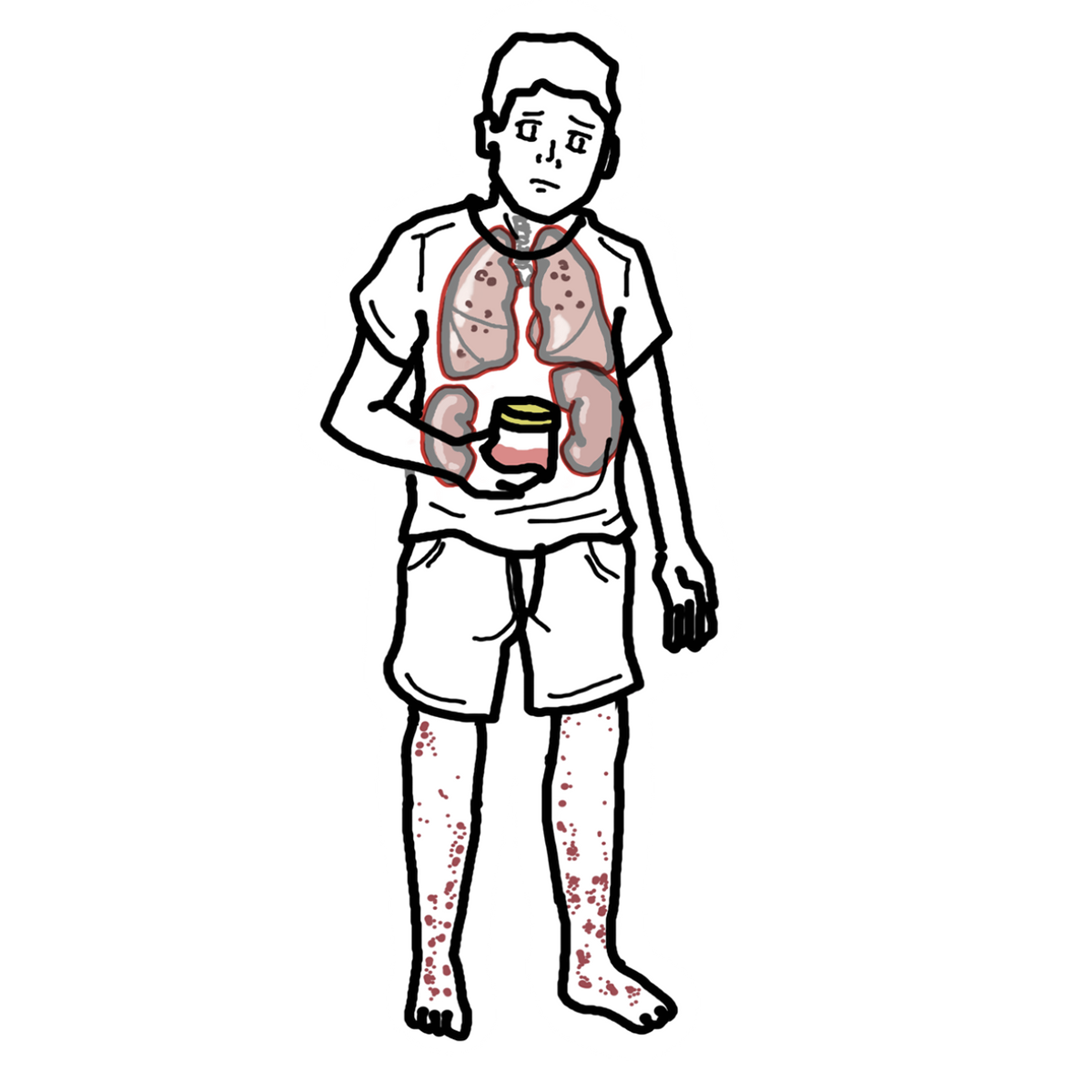
Granulomatosis with Polyangiitis
Overview Granulomatosis with polyangiitis (formerly Wegener’s granulomatosis) is a rare, chronic, systemic necrotising vasculitis affecting small-to-medium-sized vessels, characterised by granulomatous inflammation, necrotising vasculitis, and tissue destruction, primarily involving the upper and lower respiratory tracts and kidneys. It falls under the ANCA-associated vasculitides (AAV). Peak incidence is in the 5th–6th decade, with slight male predominance and…
View topic ↗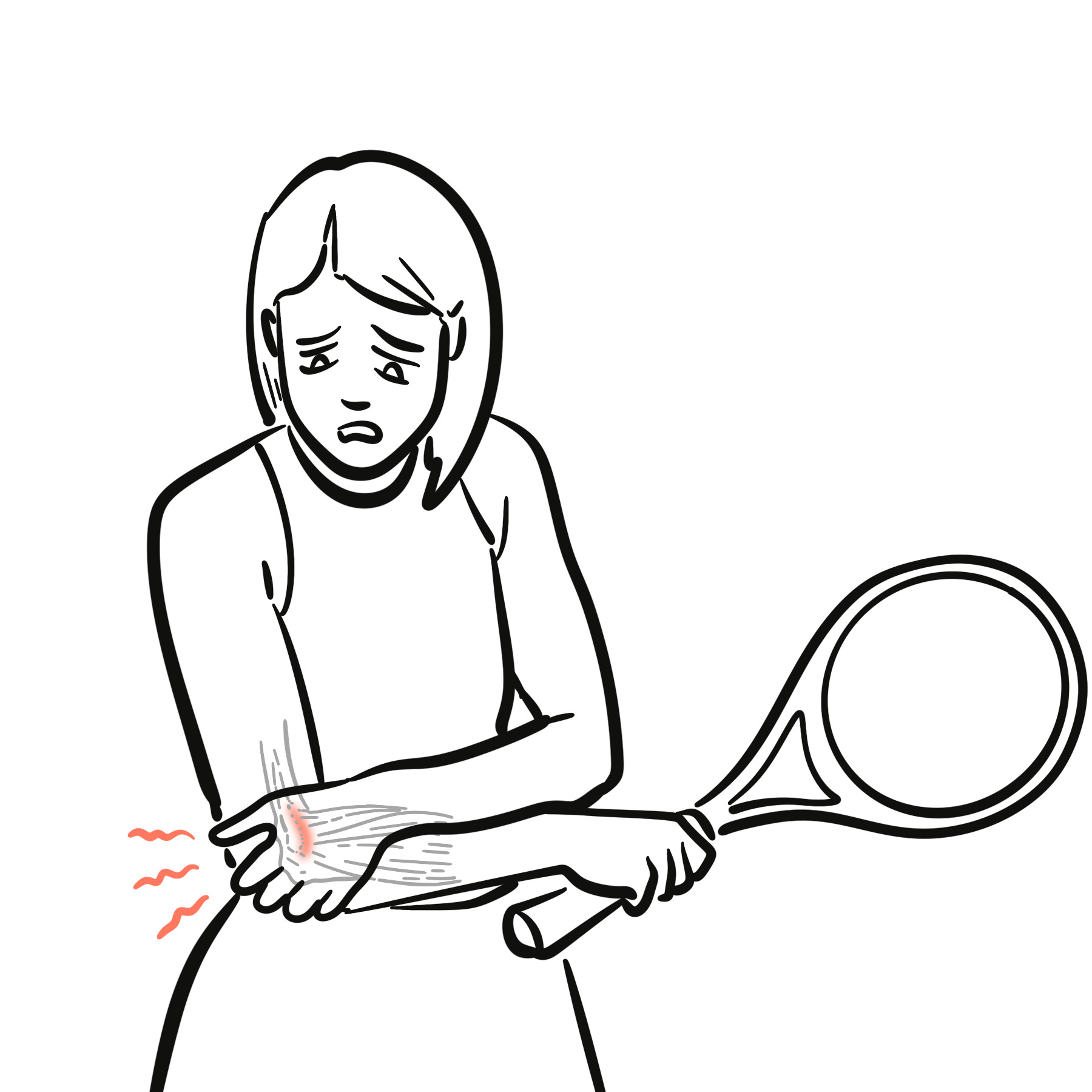
Lateral and Medial Elbow Tendinopathy (Epicondylitis)
Overview Medial and lateral elbow tendinopathies are common overuse injuries affecting the common flexor and extensor tendon origins at the elbow, respectively. Commonly known as Golfer's Elbow (medial) and Tennis Elbow (lateral), these conditions are primarily degenerative (tendinosis) rather than inflammatory (tendinitis), resulting from repetitive microtrauma and failed healing responses. Lateral Elbow Tendinopathy (Tennis Elbow…
View topic ↗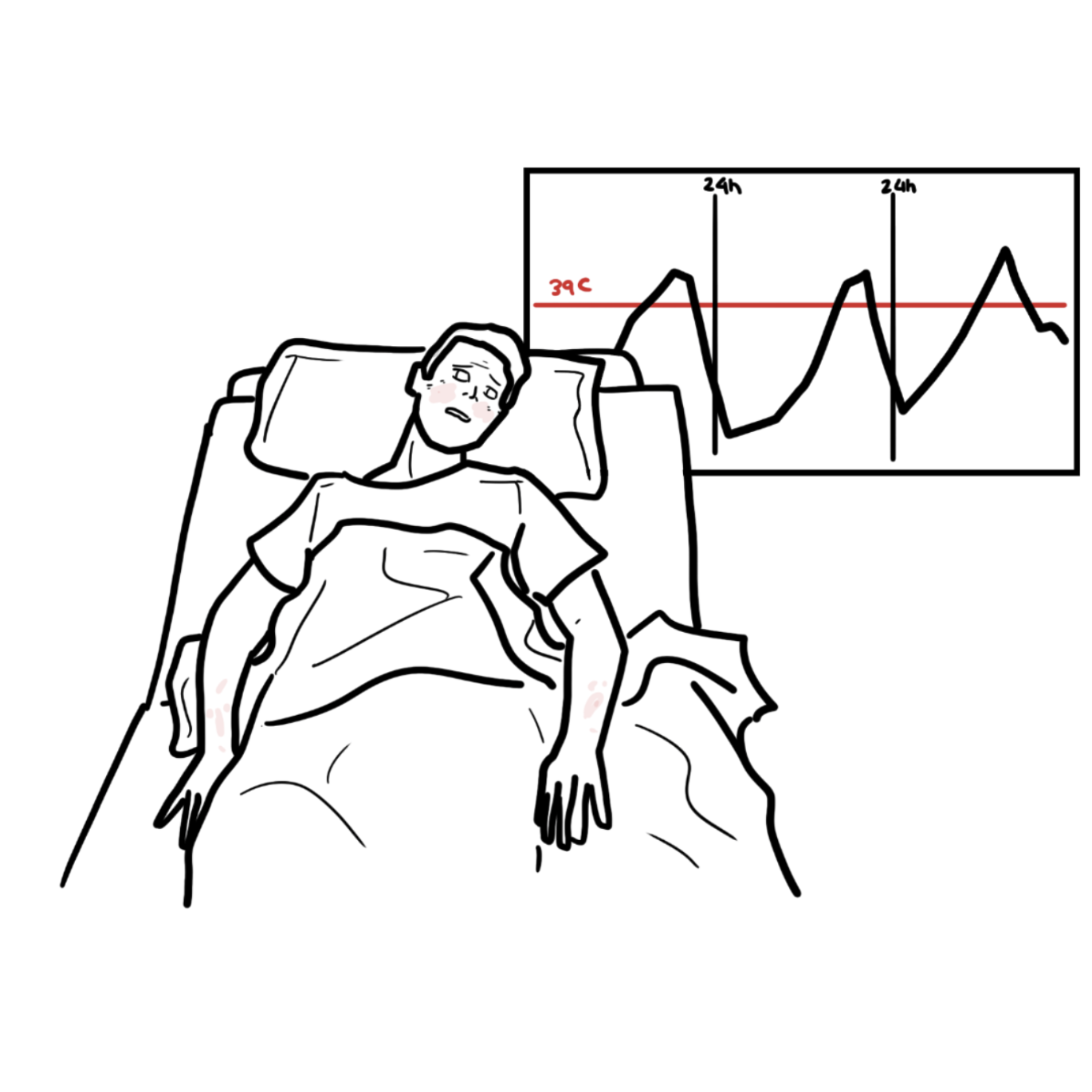
Adult onset Still's Disease
Overview Adult Onset Still’s Disease (AOSD) is a complex multisystemic autoinflammatory disease characterised by recurrent episodes of spiking fever (> 39–40°C), pink–salmon transient skin rash, and the presence of arthralgia or polyarthritis. First described by Eric Bywaters in 1971 it closely resembles systemic onset juvenile idiopathic arthritis (Still’s disease). retrospective observational study in Japan found…
View topic ↗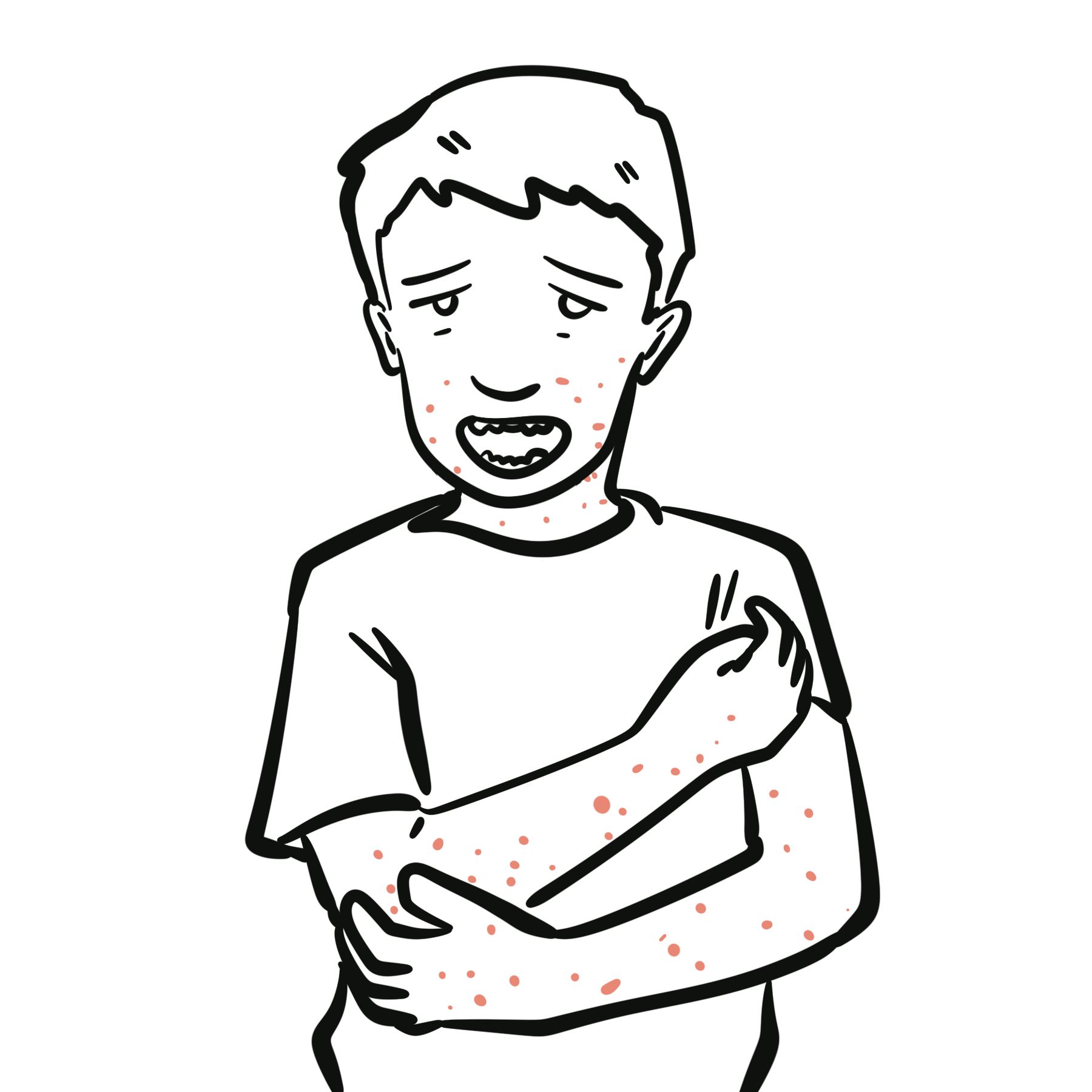
Hyper-IgE Syndrome (Job’s Syndrome)
Overview Hyper-IgE syndrome (HIES) is a rare primary immunodeficiency characterised by markedly elevated serum IgE, recurrent staphylococcal skin and lung infections, eczema, and connective tissue/ skeletal abnormalities. Most commonly caused by autosomal dominant mutations in STAT3 , it results in impaired Th17 cell differentiation and defective neutrophil chemotaxis. Autosomal recessive forms (DOCK8, TYK2 mutations) present…
View topic ↗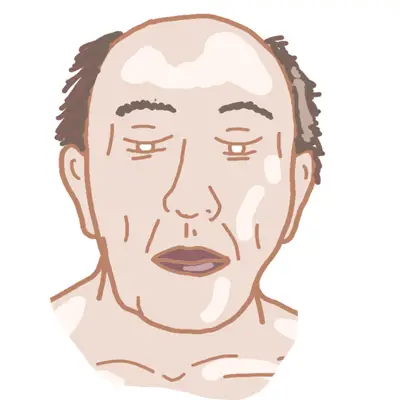
Myotonic Dystrophy
Overview Autosomal dominant disease characterised by trinucleotide repeat of CTG. Also known as Dystrophica Myotoncia the disease is causes an increase in muscle tone (Myotonia) with associated degeneration and shrinkage of muscle fibres (Dystrophy). Myotonia: Delayed relaxation of skeletal muscle following voluntary contraction or mechanical stimulation (e.g., persistent grip after a handshake or a persistent…
View topic ↗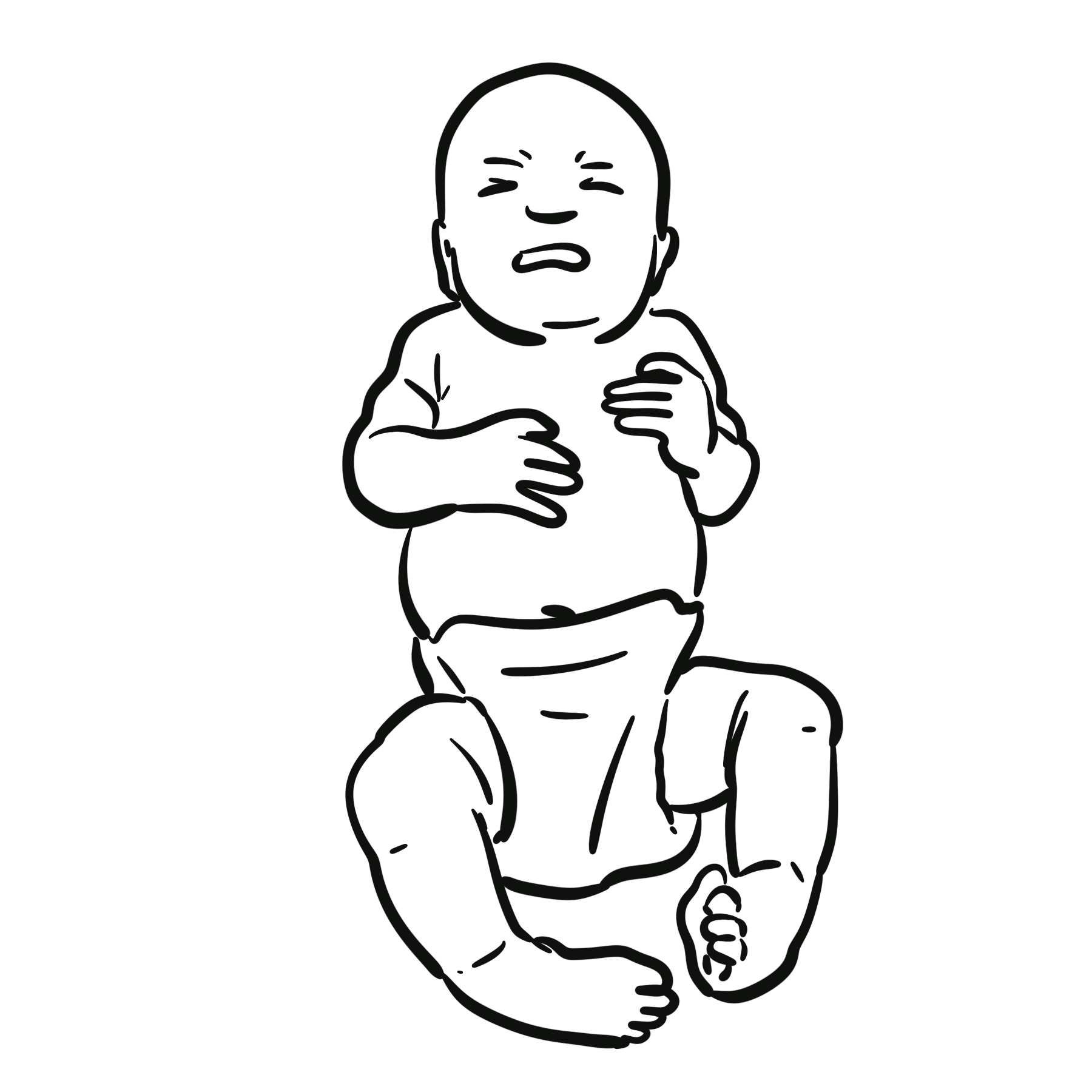
Clubfoot (Talipes equinovarus)
Overview Clubfoot, or congenital talipes equinovarus (CTEV), is a congenital structural deformity in which the foot is fixed in cavus, forefoot adduction, hindfoot varus and ankle equinus (CAVE) . It may affect one or both feet and involves abnormal shape and alignment of the bones, joints, muscles, tendons and ligaments below the knee. Idiopathic clubfoot…
View topic ↗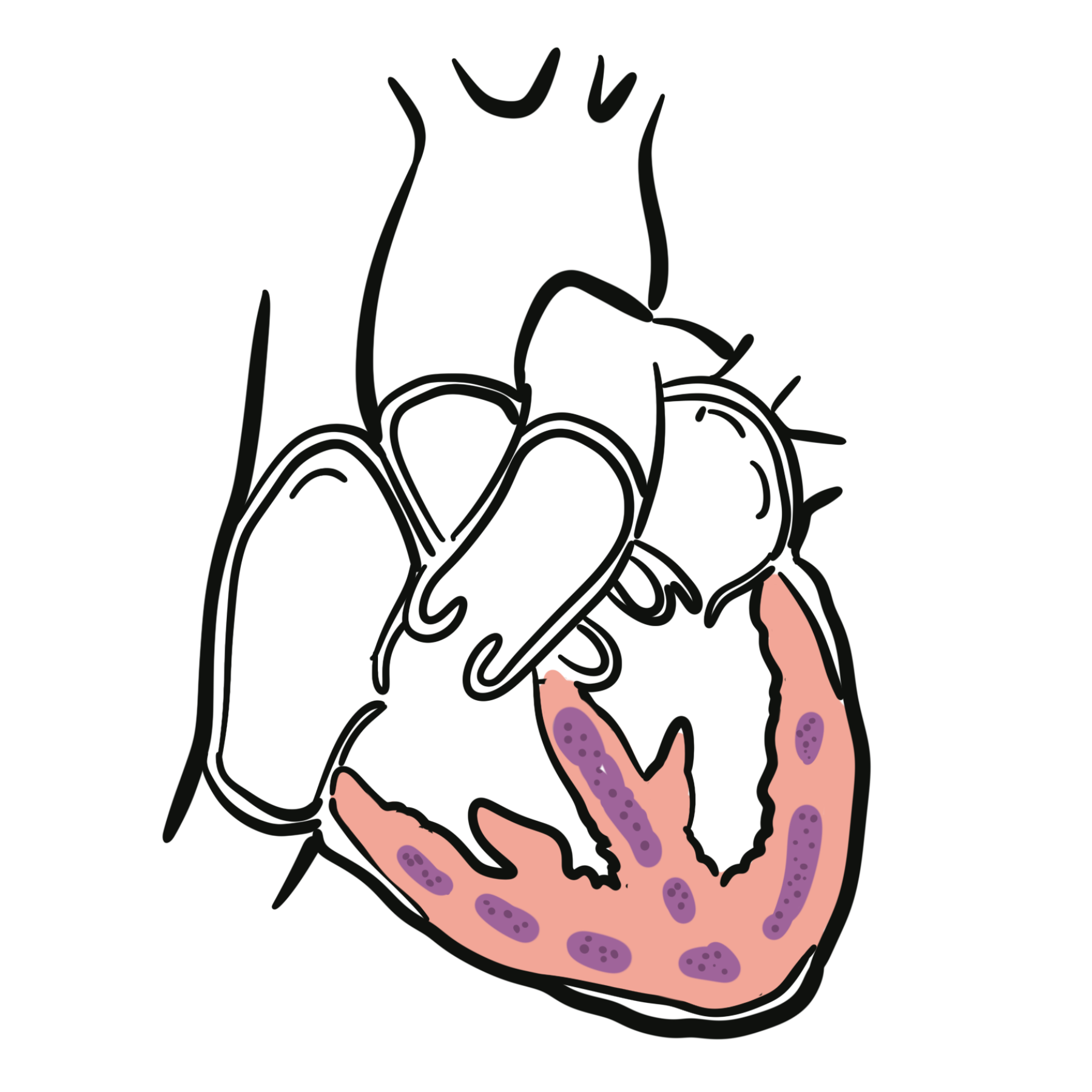
Cardiac Sarcoidosis
Overview Cardiac sarcoidosis is an inflammatory heart disease caused by myocardial infiltration with non-necrotising granulomas. Inflammation may subsequently resolve, recur, or progress to permanent fibrosis. The disease is often patchy and may affect the conduction system, ventricular myocardium, papillary muscles, valves, pericardium, or coronary microcirculation. 1 Cardiac involvement may occur as part of multisystem sarcoidosis…
View topic ↗Full resource library
Browse all topics ↗Choose how you learn
One idea. More than one way to see it.
Use the format that helps the topic click, then switch formats when you need to reinforce it.
01 / WATCH02 / READ03 / SEE04 / CHECK
Videos
Hand-drawn explanations that build the big picture as the concept unfolds.
Notes
Clear written explanations for review, reference and filling in the details.
Diagrams
Visual snapshots that help you easily review topics.
Questions
Test whether the explanation stayed with you—not just whether it looked familiar.
Good places to begin
Explanations learners return to.
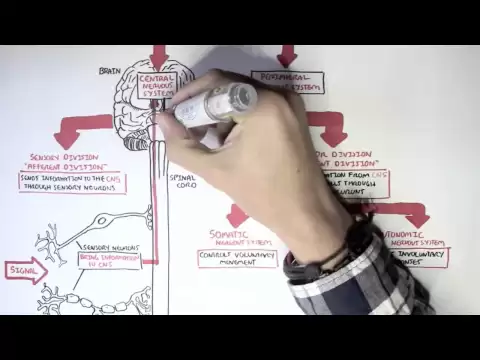
Neurology – Divisions of the Nervous System
Learn about the major divisions of the nervous system, including the central and peripheral components, and how they coordinate body functions. This video explains the roles of the somatic and autonomic systems, highlighting their structure and function in regulating voluntary and involuntary actions.

Tennis elbow – lateral elbow tendinopathy (lateral epicondylitis)
Discover the causes and symptoms of tennis elbow, also known as lateral elbow tendinopathy or lateral epicondylitis, a condition involving overuse of the forearm extensor tendons. This video explains the underlying pathology, risk factors, diagnostic approach, and treatment options.
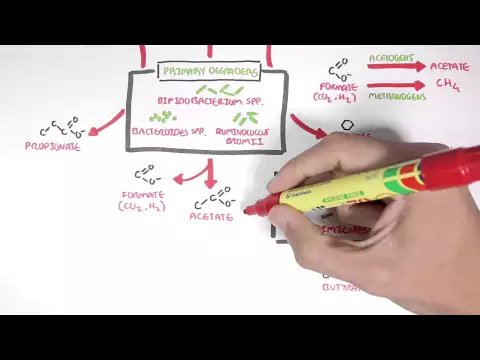
Starch Fermentation In the Digestive Tract
Learn how starch fermentation occurs in the digestive tract, producing short-chain fatty acids like butyrate, acetate, and propionate. This video explains the role of gut microbiota in breaking down complex carbohydrates and supporting colon health. Video was part of 2014 Summer Scholarship Project with CSIRO called "The Hungry Microbiome" For more visit: http://www.csiro.au/hungrymicrobiome/
Our mission
Medical science is complex. Understanding it should feel possible.
Armando Hasudungan turns difficult medical science into clear visual explanations and connected learning experiences—so learners can see the whole picture, remember what matters and find a clearer way forward.
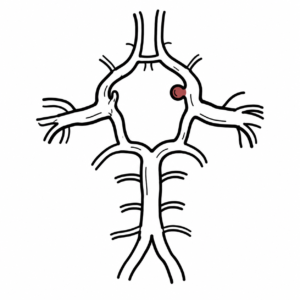
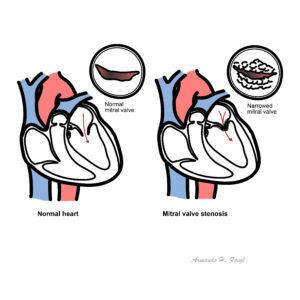
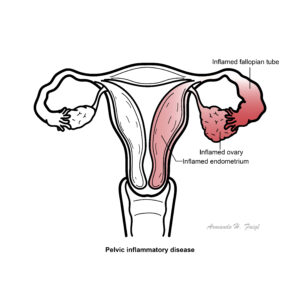
See it clearly
Turn abstract processes and invisible relationships into something the learner can picture.
Connect the pieces
Build understanding around how concepts fit together—not a pile of isolated facts.
Make it useful
Help learners move from explanation to recall, revision and the next logical step.
What clarity feels like
When the topic stops being a blur.
Learners do not come back because the subject became easy. They come back because the explanation gave them a picture they could work with.
“Armando's teaching style gives me the foundational knowledge.
Jessica Payne-Burnett
Medical Student, Charles Sturt University
“The notes I make during his videos help me retain everything better.
Ayesha RaiStudent, Islamabad Medical and Dental College
“The drawings are amazing and super easy to remember.
Reem Mohamed Khair Abdalrazig
Student, Neelain University
Coming soon: the AH study platform
The explanation is only the start.
The free library helps you find a clear explanation. The AH platform is being built to help you connect the resources, follow a clearer path and check what actually stuck.
- Watch in a focused, ad-free study environment.
- Move between connected videos, notes, diagrams and questions.
- Know what belongs next instead of rebuilding the study path yourself.
- Test your understanding while the topic is still fresh.
New and worth a look
Keep building the picture.
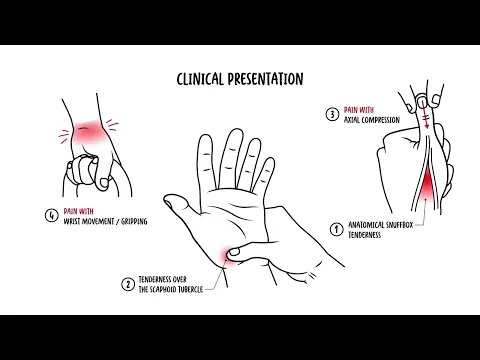
Scaphoid Fractures: Anatomy, Diagnosis, and Complications
An illustrated review of scaphoid anatomy, fracture mechanisms, clinical findings, imaging, and treatment. Emphasizes missed fractures, the risk of non-union and avascular necrosis from the scaphoid’s retrograde blood supply, and the role of immobilization and MRI or CT when initial X-rays are negative.
View this topic ↗Femoroacetabular Impingement SyndromeDeep Neck Infection Causes, specific syndromes and symptoms, Complications & TreatmentExtensor Tendon Anatomy & Injuries Explained | Zones, Clinical features and examinationApoptosis – internal and external pathwaysMCL Knee Tear Explained Symptoms, Grades and TreatmentPharmacodynamics Explained Agonists, Antagonists, Efficacy & Affinity
About Visualising Medicine
Good education does not remove complexity. It makes complexity feel simple.
Visualising Medicine is the team behind Armando Hasudungan. We bring together medicine, illustration, writing and technology to make difficult ideas clearer—and build better ways for learners to use them.