

Hyper-IgE Syndrome (Job’s Syndrome)
Overview
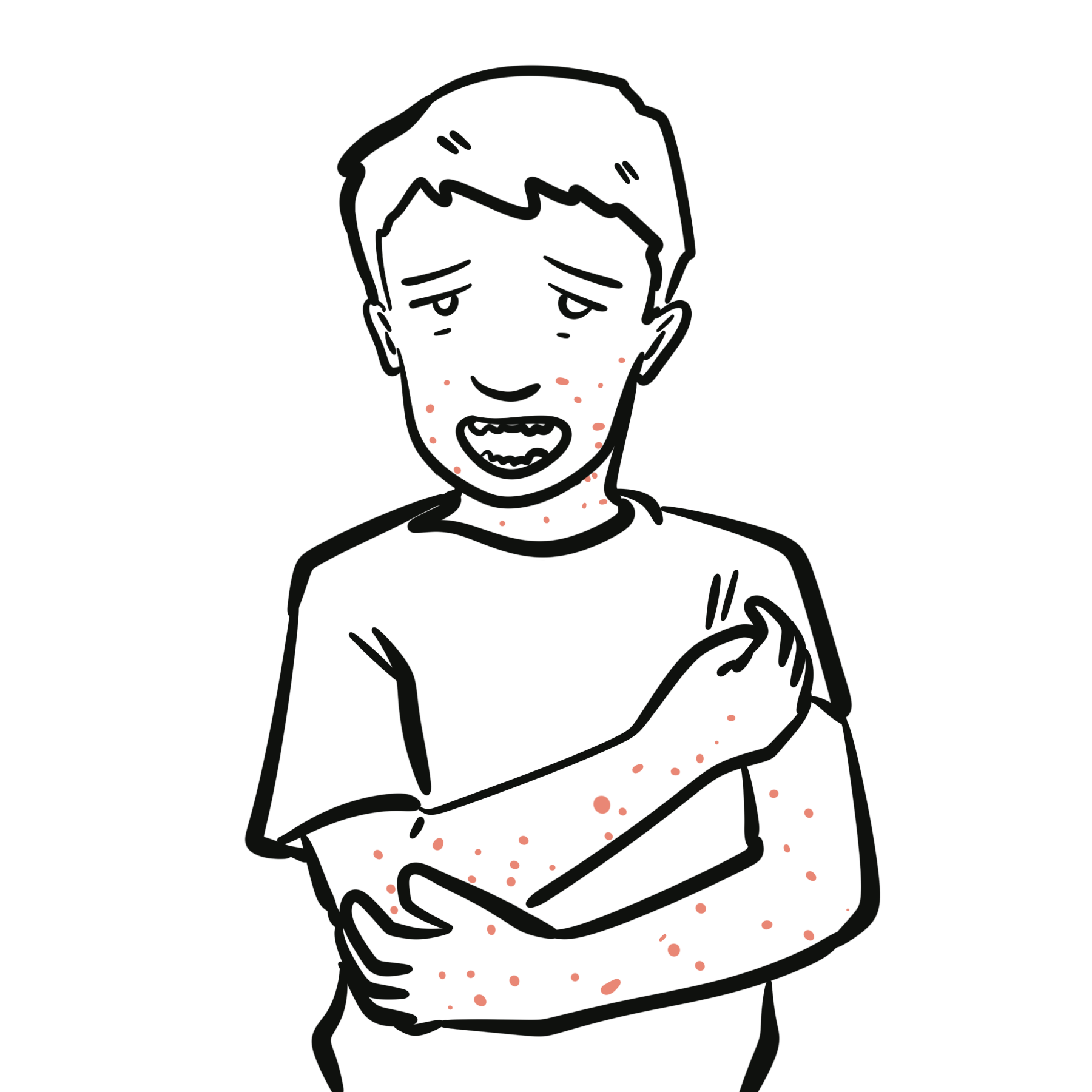
Hyper-IgE syndrome (HIES) is a rare primary immunodeficiency characterised by markedly elevated serum IgE, recurrent staphylococcal skin and lung infections, eczema, and connective tissue/ skeletal abnormalities. Most commonly caused by autosomal dominant mutations in STAT3, it results in impaired Th17 cell differentiation and defective neutrophil chemotaxis. Autosomal recessive forms (DOCK8, TYK2 mutations) present with more severe viral infections and malignancy risk. Estimated prevalence is <1 in 1,000,000.
Definition
IgE: Immunoglobulin involved in allergic responses and defence against parasites.
Th17 cells: Subset of CD4+ T-cells that recruit neutrophils to fight fungi and extracellular bacteria.
STAT3: Transcription factor required for Th17 development; its mutation is the main cause of AD-HIES.
Cold abscess: Staphylococcal abscess lacking signs of inflammation (heat, erythema).
What to notice
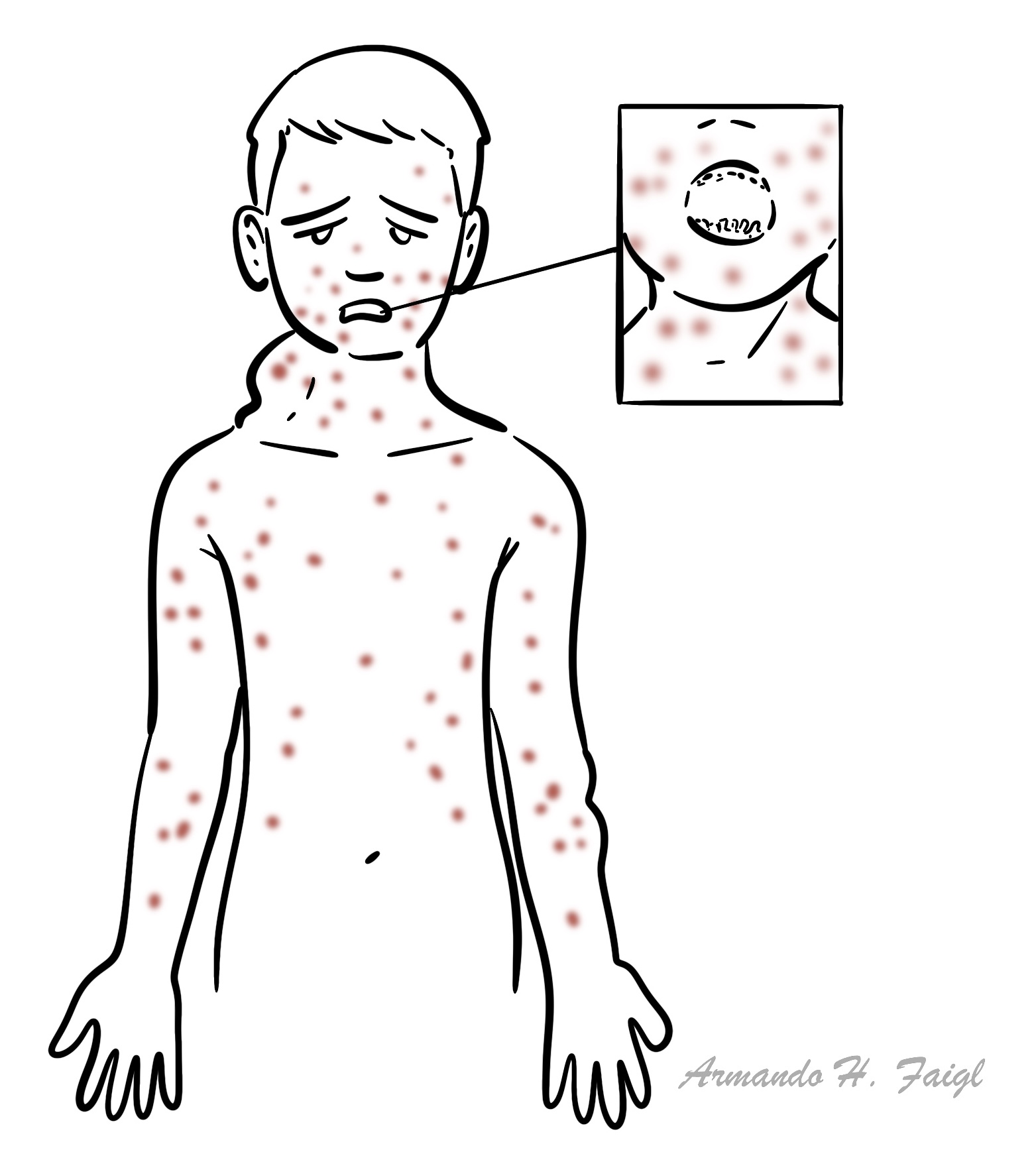
Detailed image description
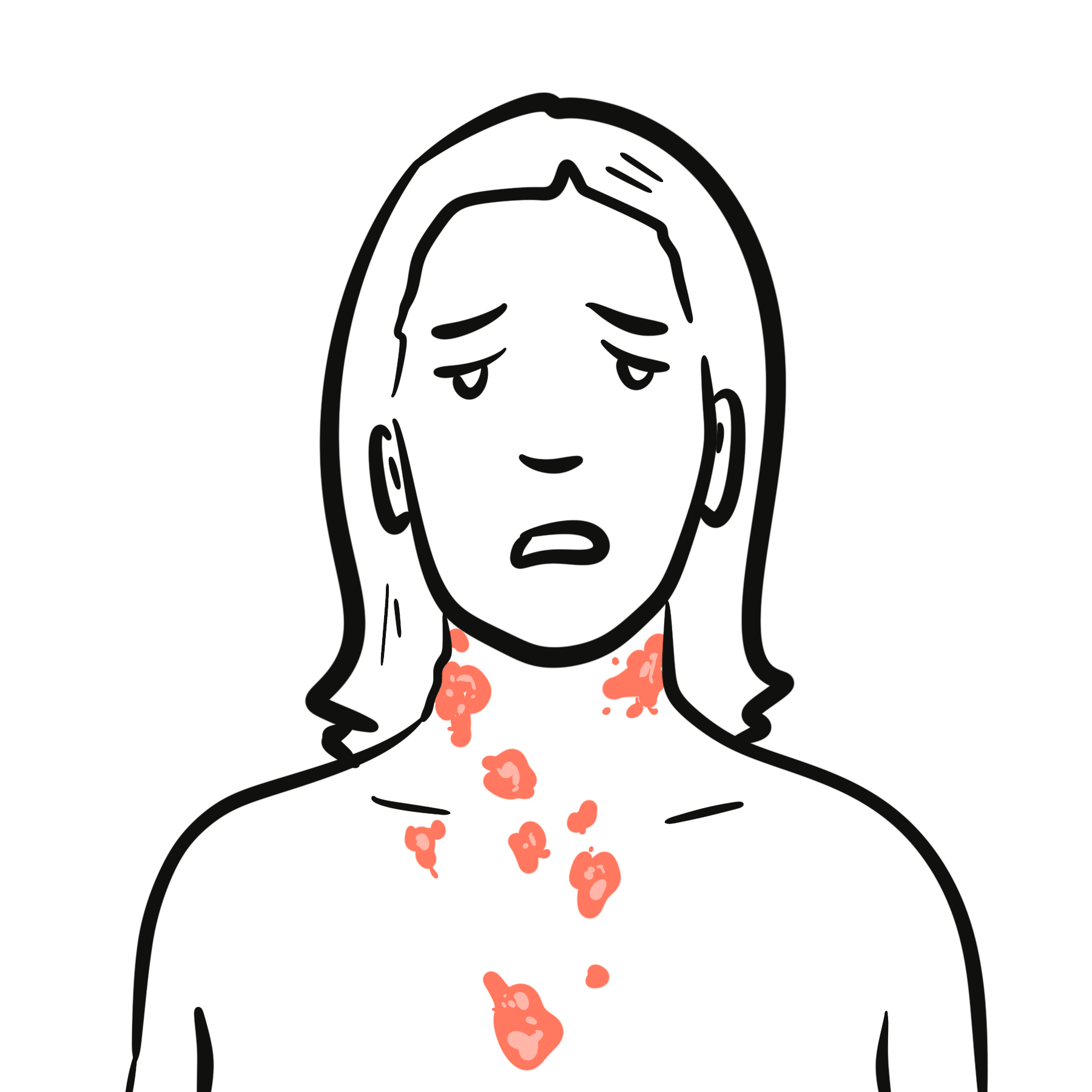
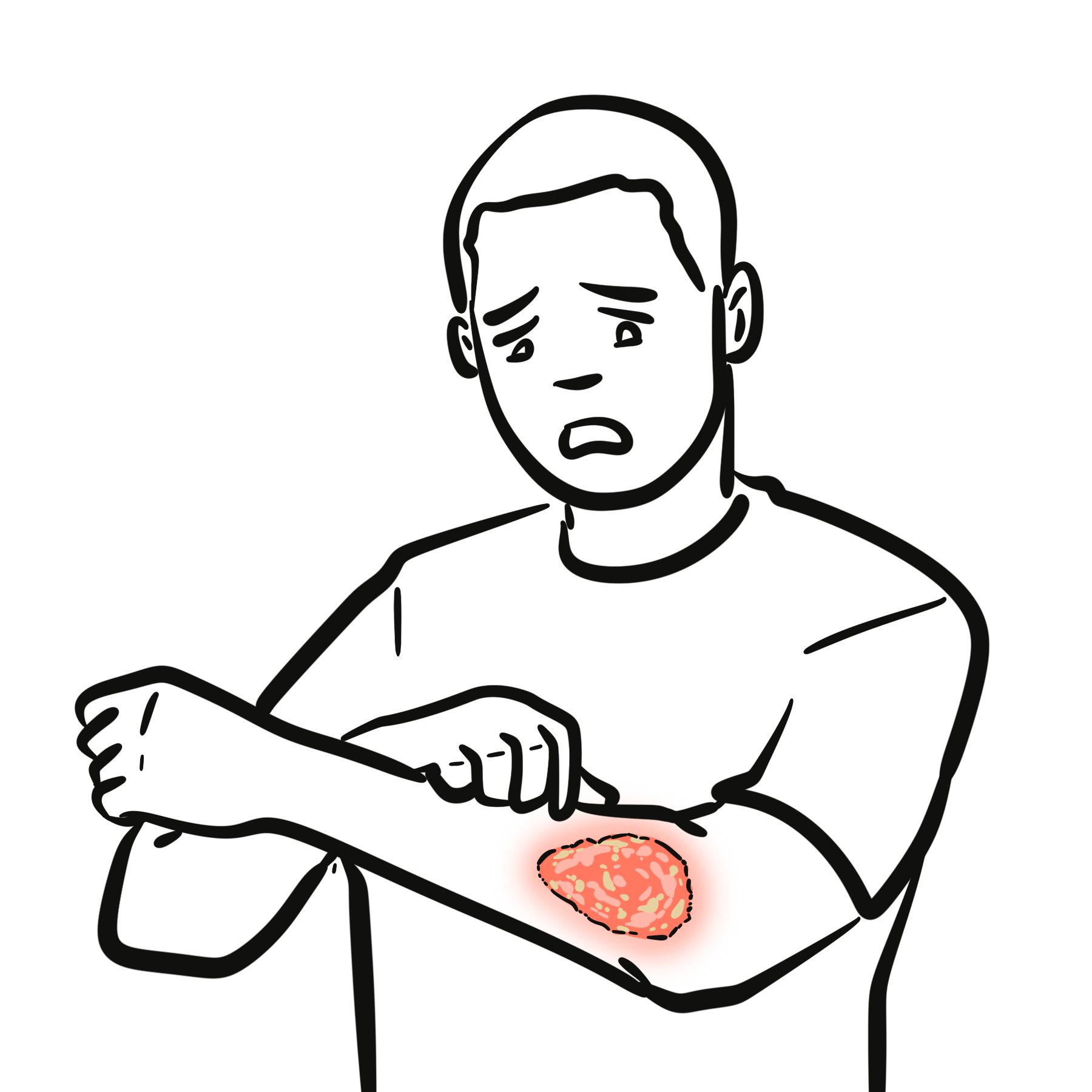
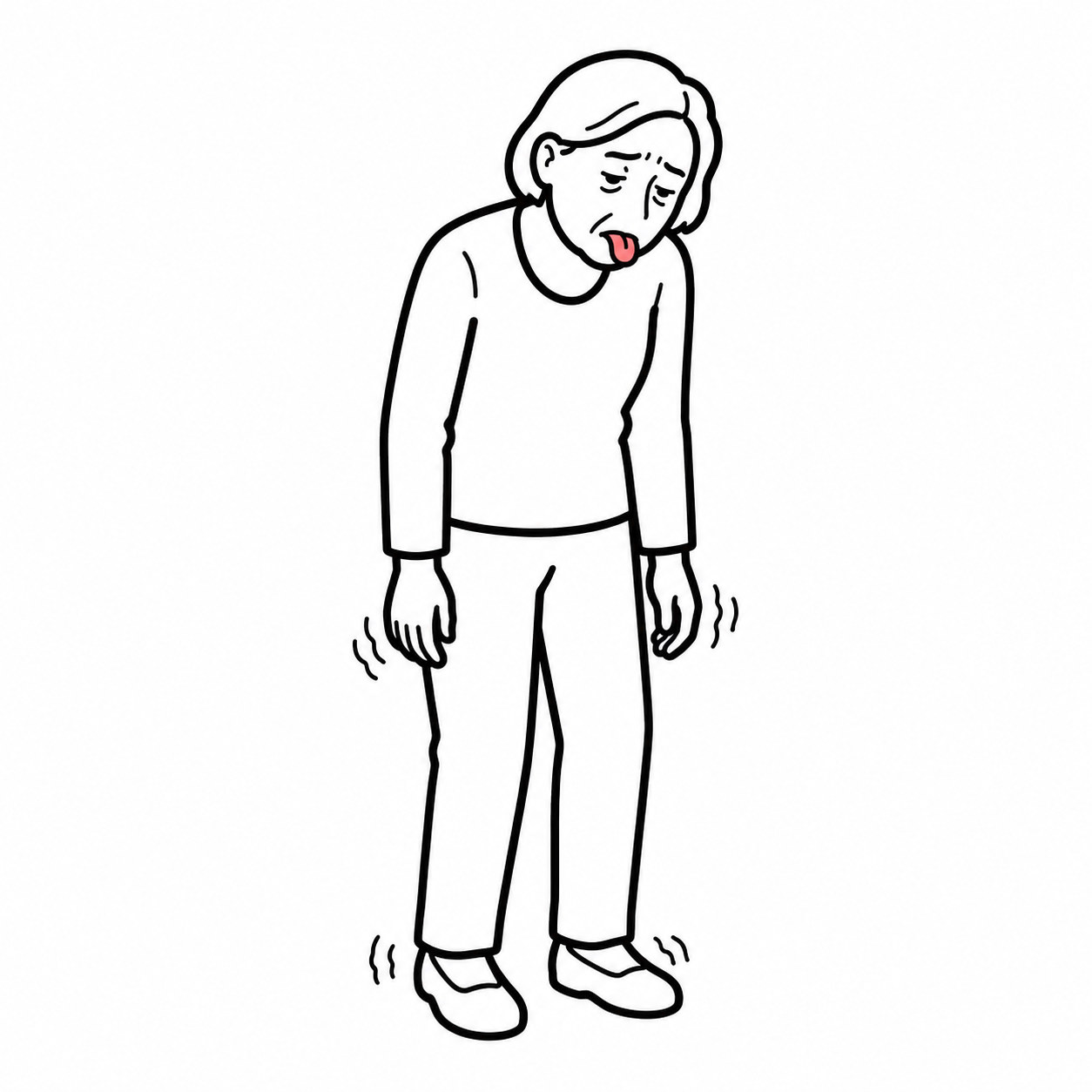
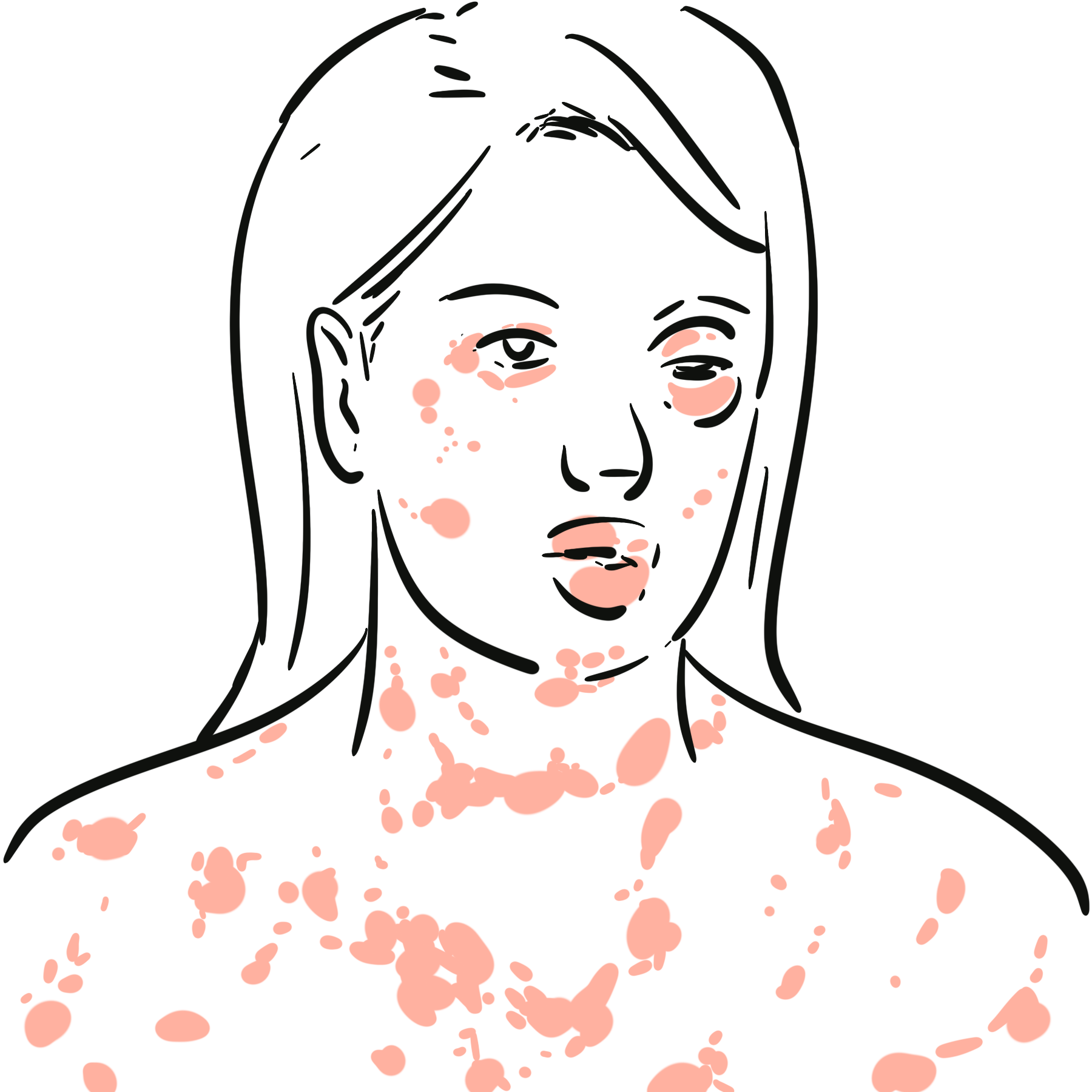
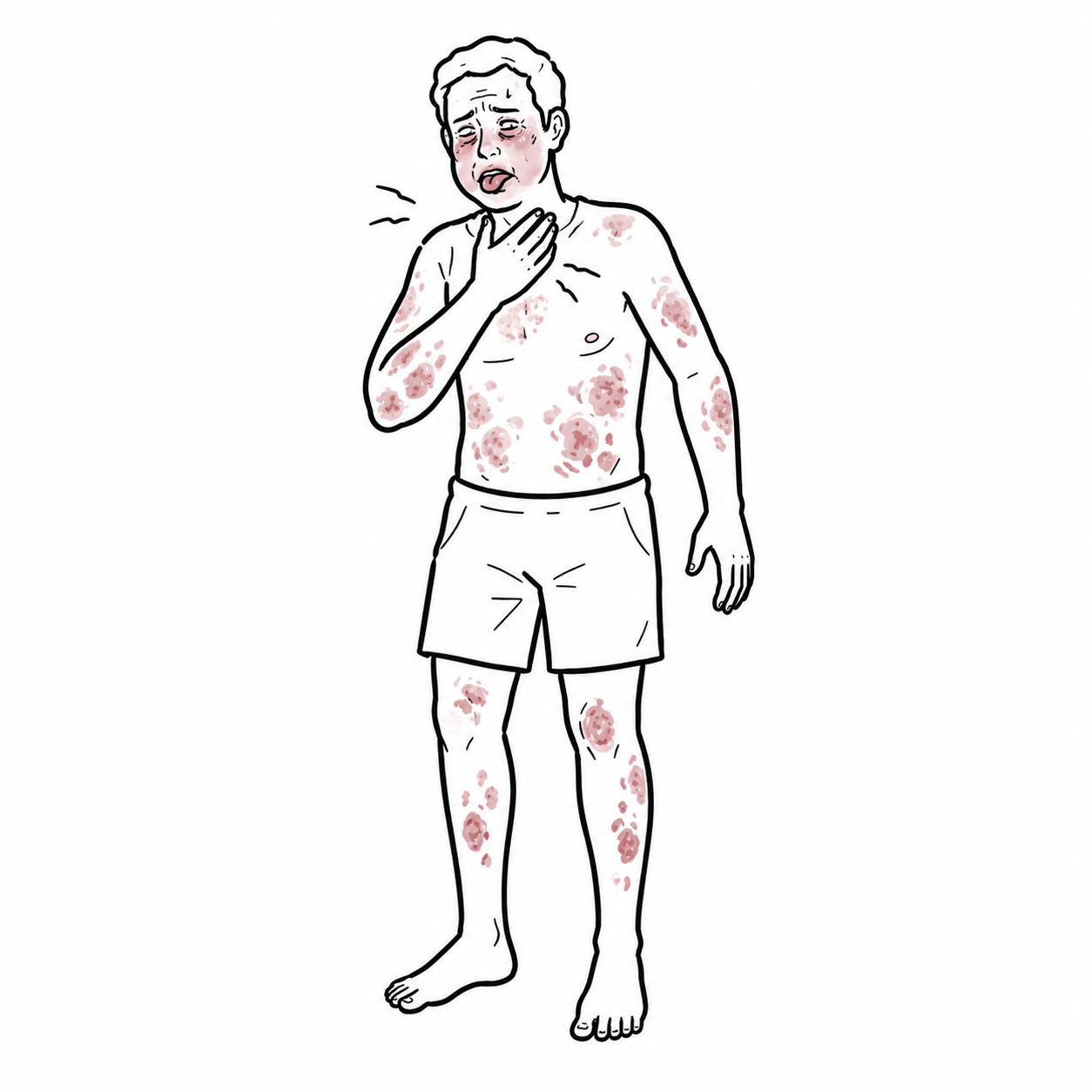
Hyper-IgE Triad: Recurrent staphylococcal skin abscesses, pneumonia with pneumatoceles and eczema.
Anatomy & Physiology
- Normal pathway: Antigen → dendritic cell → naïve CD4+ T cell → Th17 cell differentiation via IL-6/IL-23 → neutrophil recruitment.
- In HIES: Defective STAT3 or related genes → impaired Th17 differentiation → defective neutrophil chemotaxis and poor pathogen clearance.
- Excessive IgE production contributes to atopy-like features and eosinophilia.
High IgE alone ≠ HIES (e.g., atopy), must have clinical triad of infections + eczema + IgE elevation.
Aetiology
- Autosomal dominant (AD-HIES): STAT3 mutation (most common).
- Autosomal recessive (AR-HIES): DOCK8 or TYK2 mutations.
Risk Factors
- Family history of HIES.
- Consanguinity (for AR forms).
Pathophysiology
- Genetic defect (STAT3/DOCK8/TYK2).
- Failure of Th17 differentiation → impaired IL-17/IL-22 signalling.
- Reduced neutrophil chemotaxis and antimicrobial defence.
- Recurrent bacterial/fungal infections (esp. Staph aureus).
- Secondary features: chronic inflammation, abnormal tissue remodelling → coarse facies, skeletal anomalies.
“STAT3 defect = no Th17 = neutrophils don’t know where to go.”
Clinical Manifestations
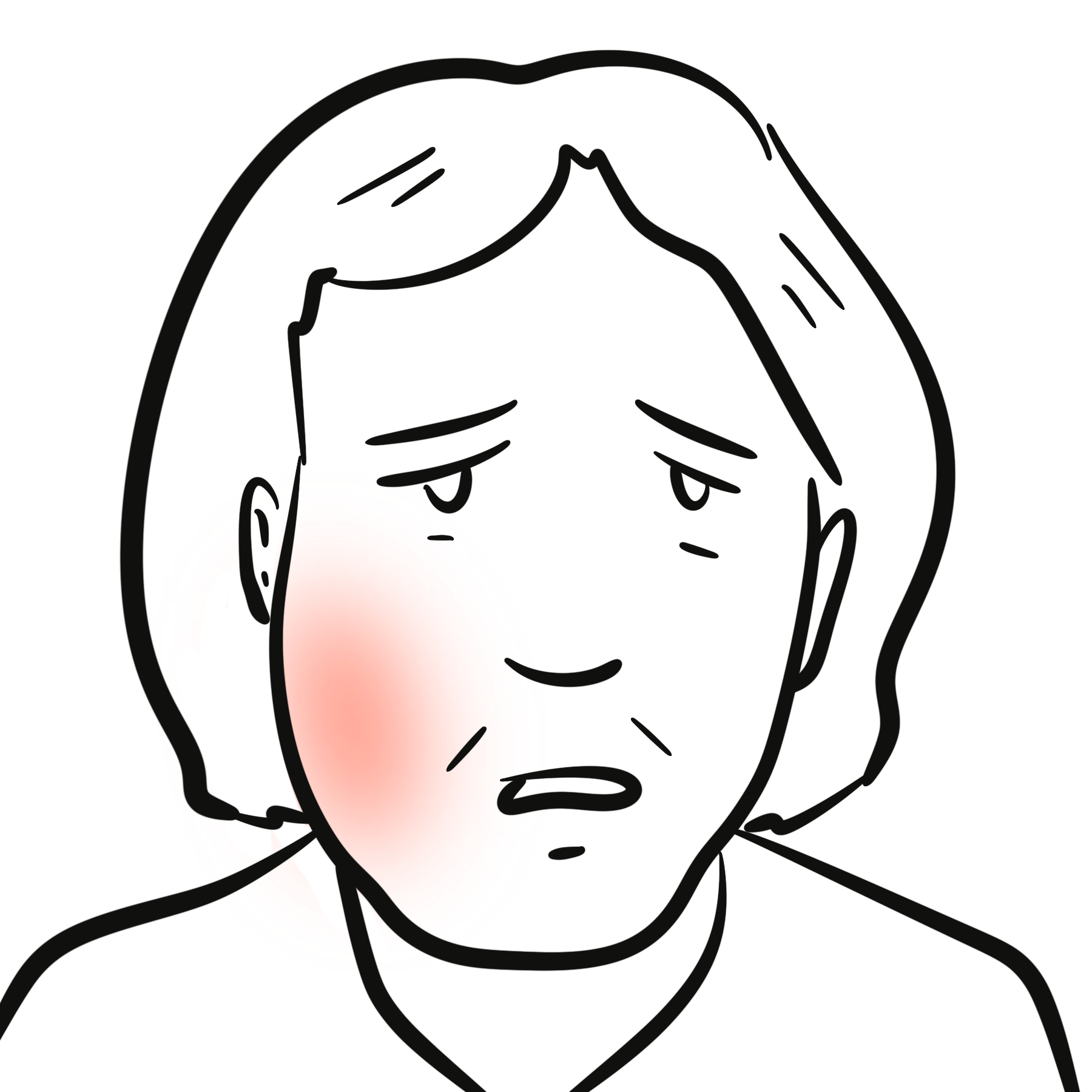
- Infections: Recurrent Staphylococcus aureus skin abscesses (“cold abscesses”), pneumonia with pneumatoceles, chronic mucocutaneous candidiasis.
- Dermatologic: Eczema, pruritic dermatitis.
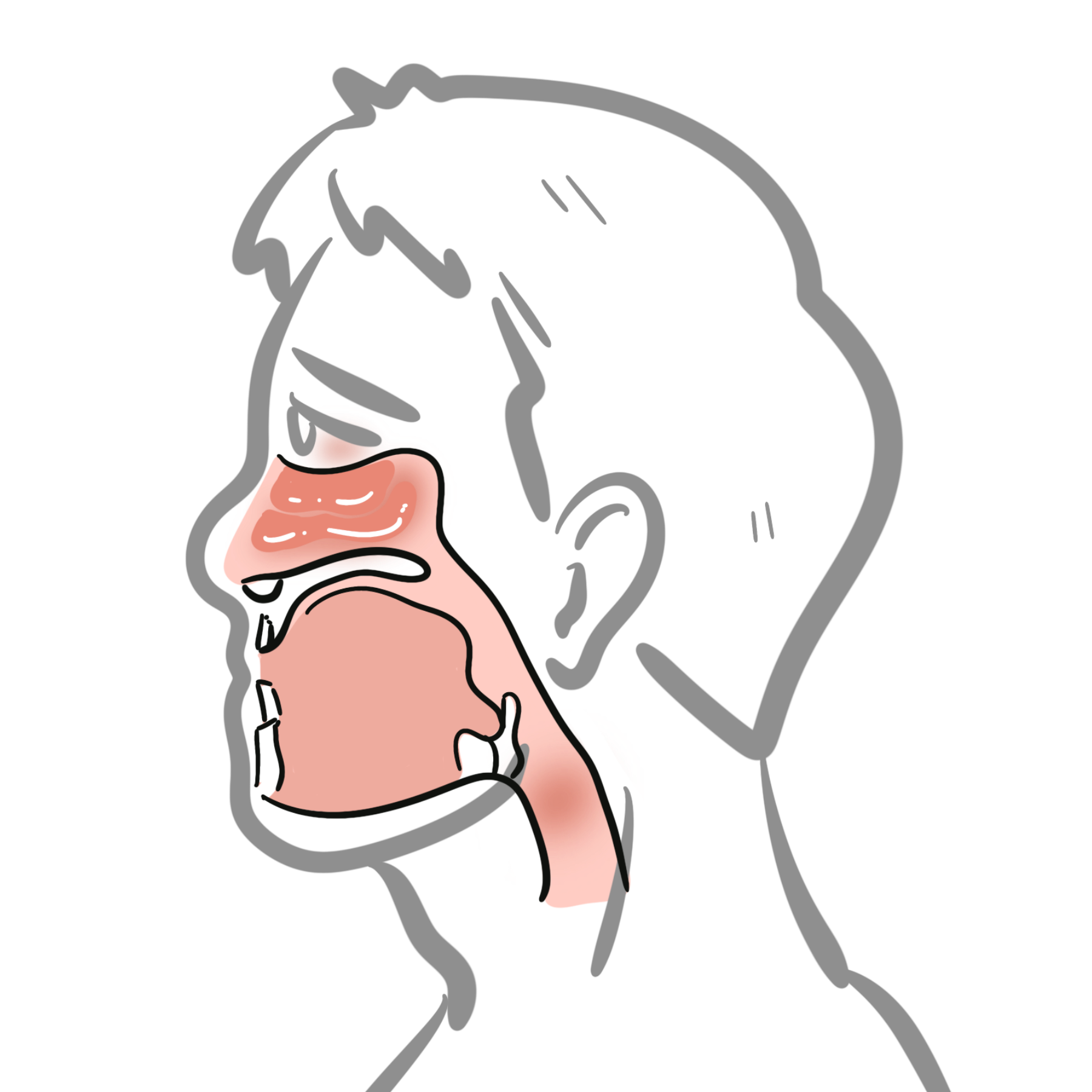
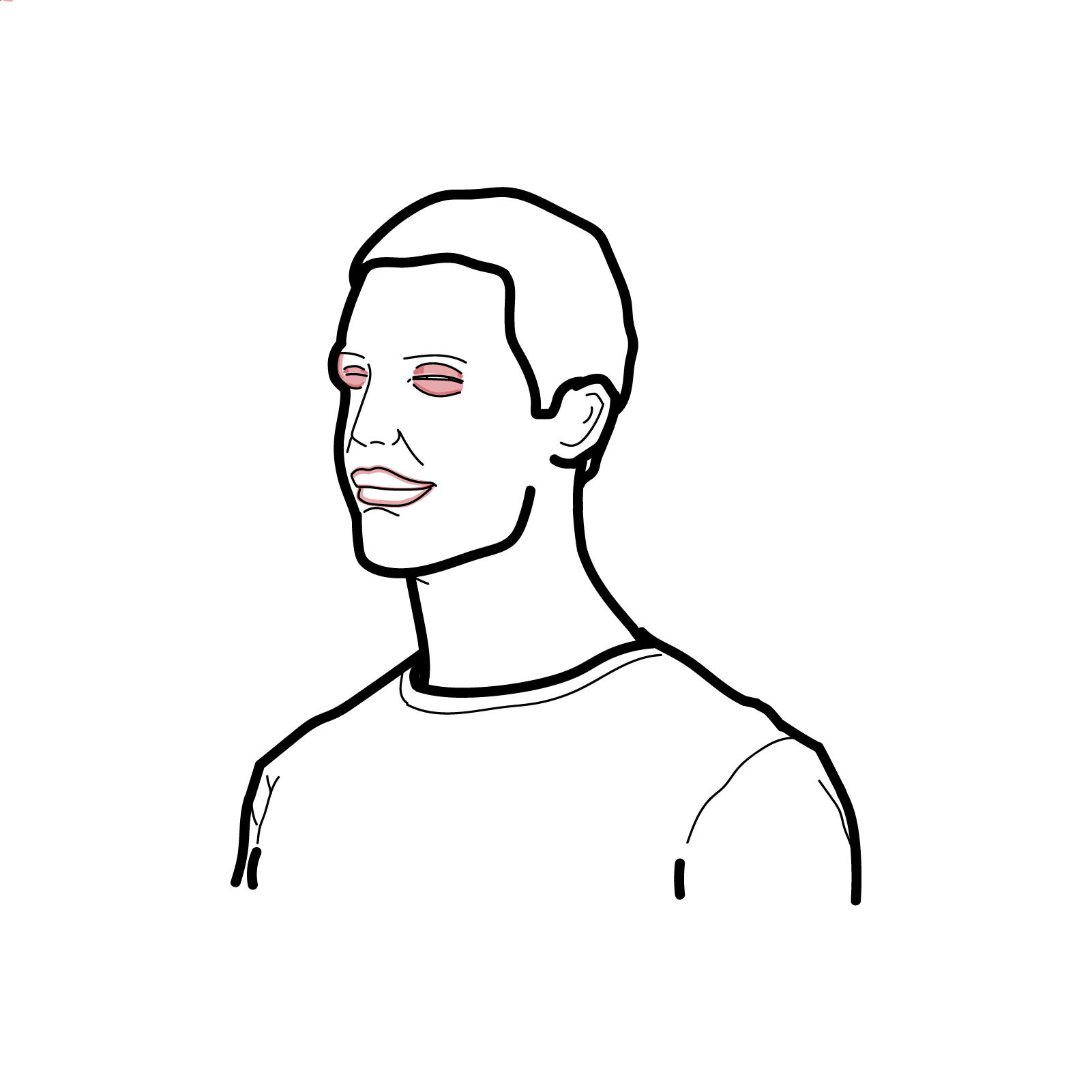
- Facial/Skeletal: Coarse facies (broad nasal bridge, deep-set eyes), retained primary teeth, scoliosis, hyperextensible joints, fractures.
- Autosomal recessive form (DOCK8)
- Severe viral infections (HSV, HPV, molluscum)
- Increased malignancy risk
- Neurologic complications.
Pneumatocele formation post-pneumonia is a hallmark clue in exams.
Diagnosis
- Clinical criteria: Triad of eczema + recurrent infections + raised IgE.
- Lab findings:
- IgE usually >2000 IU/mL.
- Eosinophilia.
- Normal/near-normal IgG, IgA, IgM.
- Genetic testing: STAT3, DOCK8, TYK2 mutations.
- Imaging: Chest CT for pneumatoceles.
| Condition | Differentiating Feature |
| Severe atopic dermatitis | High IgE but no severe infections or skeletal anomalies |
| CVID | Low IgG, recurrent infections, but normal IgE |
| Chronic mucocutaneous candidiasis | Candidiasis only, not staph abscesses or high IgE |
| Wiskott–Aldrich | Thrombocytopenia, eczema, infections; X-linked |
Classification
| Feature | AD-HIES (STAT3) | AR-HIES (DOCK8/TYK2) |
| Inheritance | Autosomal dominant | Autosomal recessive |
| Main infections | Staph abscesses, pneumatoceles | Viral (HSV, HPV, molluscum) + bacterial |
| Non-immune features | Coarse facies, retained teeth, skeletal issues | No skeletal abnormalities |
| IgE/Eosinophilia | ↑↑ IgE, eosinophilia | ↑↑ IgE, eosinophilia |
| Malignancy risk | Lower | Higher (esp. lymphoma, SCC) |
| Curative therapy | Supportive only | HSCT possible |
Treatment
- Infection control: Long-term prophylactic antibiotics (e.g., TMP-SMX), antifungals.
- Skin care: Anti-staphylococcal and anti-eczema management.
- Immunotherapy: IVIG in recurrent/severe infections.
- HSCT: Only curative in AR-HIES (DOCK8 deficiency); not effective in STAT3 HIES.
- Supportive: Orthopaedic and dental care for skeletal/dental abnormalities.
AR (DOCK8) → consider HSCT; AD (STAT3) → supportive.
Complications & Prognosis
- Recurrent severe infections → bronchiectasis, pneumatoceles, chronic lung disease.
- Skeletal complications: scoliosis, fractures.
- Malignancy risk (esp. lymphoma, SCC) in AR forms.
- Prognosis: variable; supportive care has improved survival, but complications reduce quality of life.
Prognosis worse in AR-HIES due to severe viral infections and cancer risk.
References
- Holland SM, DeLeo FR, Elloumi HZ, et al. STAT3 mutations in the hyper-IgE syndrome. N Engl J Med. 2007;357(16):1608–19.
- Freeman AF, Holland SM. Clinical manifestations, etiology, and pathogenesis of the hyper-IgE syndromes. Pediatr Res. 2009;65(5 Pt 2):32R–37R.
- Engelhardt KR, McGhee S, Winkler S, et al. Large deletions and point mutations involving DOCK8 in the autosomal recessive form of Hyper-IgE syndrome. J Allergy Clin Immunol. 2009;124(6):1289–302.
- Woellner C, Gertz EM, Schäffer AA, et al. Mutations in the signal transducer and activator of transcription 3 (STAT3) and diagnostic guidelines for hyper-IgE syndrome. J Allergy Clin Immunol. 2010;125(2):424–32.
- Aydin SE, Kilic SS, Aytekin C, et al. DOCK8 deficiency: Clinical and immunological phenotype and treatment options – a review of 136 patients. J Clin Immunol. 2015;35(2):189–98.




Members only discussions coming soon…