

Allergic Rhinitis
Overview
Allergic rhinitis is an immunoglobulin E-mediated inflammatory disorder of the nasal mucosa caused by exposure to an aeroallergen. It typically presents with sneezing, nasal itching, clear rhinorrhoea and nasal obstruction, often accompanied by allergic conjunctivitis.1
Allergic rhinitis is the most common allergic disorder in Australia and New Zealand. In the 2022–2023 Australian National Health Survey, 23.9% of people reported allergic rhinitis.1 Although not usually dangerous itself, inadequately controlled disease can impair sleep, concentration, school or work performance and quality of life. It commonly coexists with asthma, which should be actively assessed and managed.1,2
Persistent unilateral obstruction, recurrent epistaxis, blood-stained or purulent discharge, marked facial pain, neurological symptoms or an orbital abnormality is not typical of uncomplicated allergic rhinitis and requires investigation for an alternative structural, infectious or neoplastic disorder.
Definition
- Allergic rhinitis
- Immunoglobulin E-mediated inflammation of the nasal mucosa following exposure to an aeroallergen.
- Aeroallergen
- An airborne substance capable of provoking an allergic response, such as pollen, house-dust mite allergen, animal dander or mould spores.
- Sensitisation
- Demonstrable allergen-specific immunoglobulin E, which indicates immune recognition but does not necessarily prove clinically important allergy.
- Rhinorrhoea
- Discharge of mucus or clear fluid from the nose.
- Allergen immunotherapy
- Repeated administration of a clinically relevant allergen to induce immune tolerance and reduce allergic symptoms.
Anatomy & Physiology
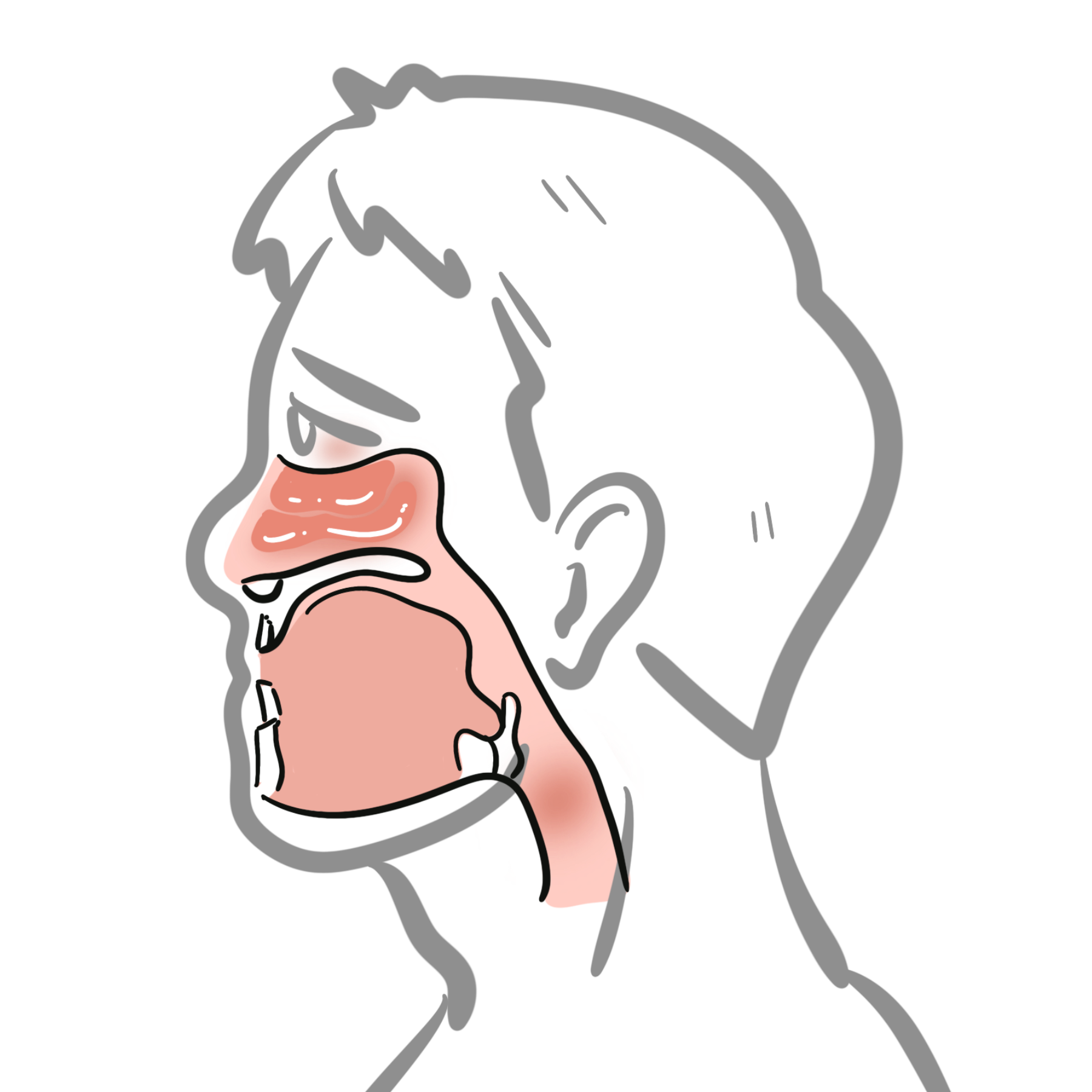
The nasal cavity is divided by the nasal septum and lined predominantly by ciliated respiratory epithelium. The turbinates increase mucosal surface area and help warm, humidify and filter inspired air. The mucociliary system traps inhaled particles and transports them towards the nasopharynx, while vascular tissue regulates nasal resistance and airflow.
The nasal mucosa contains mast cells, dendritic cells and lymphocytes. The paranasal sinuses, nasolacrimal system, Eustachian tubes and lower airways are functionally connected to the nose, so nasal inflammation may contribute to ocular symptoms, postnasal drainage, Eustachian tube dysfunction and lower-airway disease.
Aetiology & Risk Factors
Aetiology
Allergic rhinitis is caused by an immune response to a clinically relevant aeroallergen. Common triggers include:1,3
- grass, tree and weed pollens
- house-dust mites
- animal dander
- mould spores
- cockroach allergens
- occupational allergens, including animal proteins, flour, latex and certain chemicals
Seasonal patterns usually reflect pollen or outdoor mould exposure. Perennial symptoms are more often associated with house-dust mites, animals or indoor mould. Food allergy is not a cause of persistent or recurrent allergic rhinitis; routine food-specific immunoglobulin E testing or dietary exclusion is not appropriate for isolated chronic rhinitis.1
Risk Factors
- personal or family history of atopy
- asthma, allergic conjunctivitis or atopic dermatitis
- repeated exposure to relevant aeroallergens
- occupational exposure
- air pollution and tobacco-smoke exposure
- sensitisation to multiple aeroallergens
Children may present with recurrent “colds”, mouth breathing, snoring, sleep disturbance or impaired school performance rather than clearly describing itching or allergen-related symptoms.
Pathophysiology
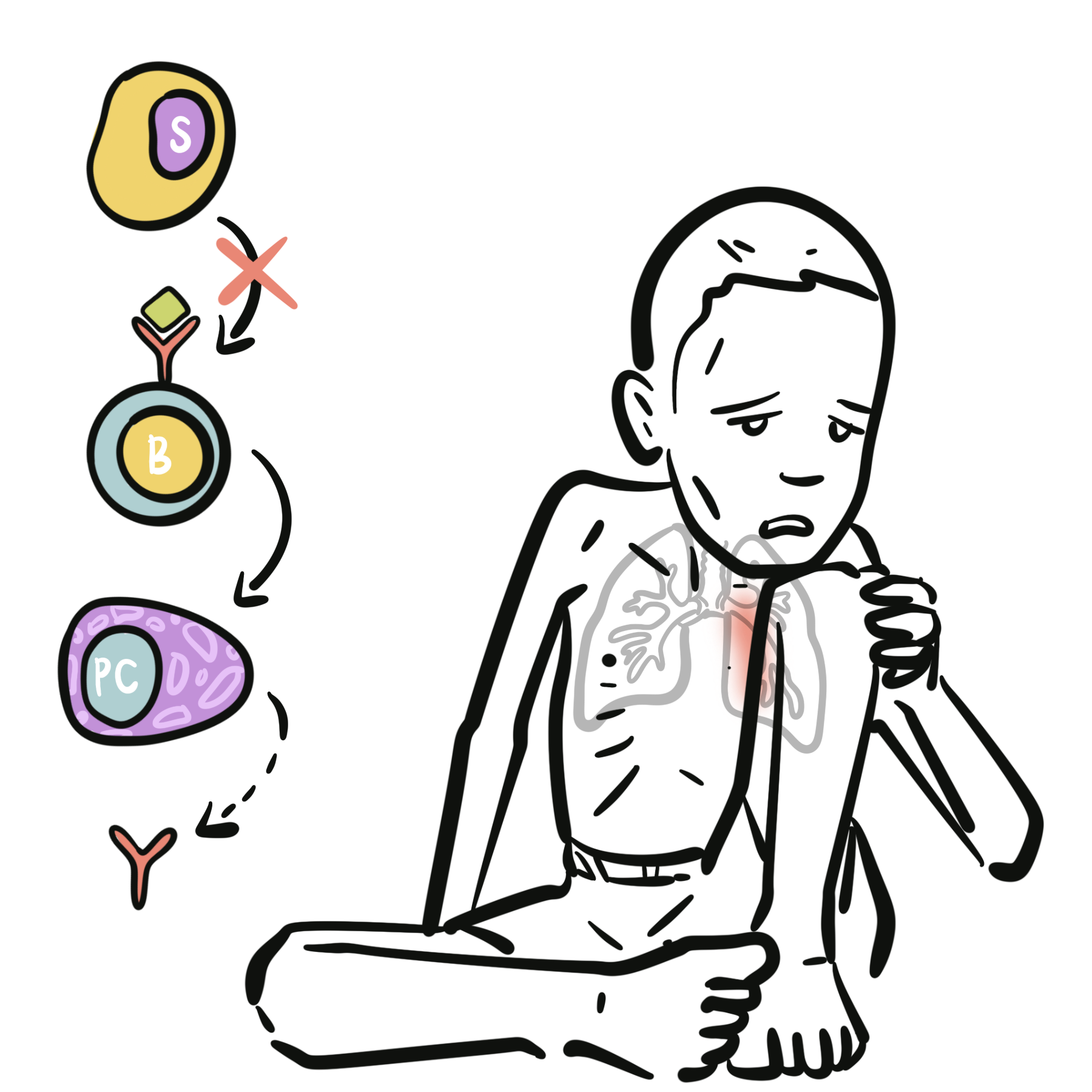
Initial exposure promotes antigen presentation and a type 2 immune response. Interleukin-mediated B-cell activation produces allergen-specific immunoglobulin E, which binds to mast cells. On re-exposure, cross-linking causes degranulation; histamine, leukotrienes and prostaglandins produce itching, sneezing, mucus secretion, vasodilatation and mucosal oedema.
A late response recruits eosinophils, basophils and T lymphocytes. Persistent inflammation increases nasal hyperresponsiveness and produces ongoing obstruction. Shared upper- and lower-airway inflammatory mechanisms explain the frequent coexistence of allergic rhinitis and asthma.1,2
Histamine-driven sensory-nerve stimulation explains early itching and sneezing, whereas mucosal oedema and later cellular inflammation contribute more strongly to persistent obstruction. This is why an antihistamine may rapidly improve itching but provide less relief of congestion than an intranasal corticosteroid.
Clinical Manifestations
Nasal Symptoms
- paroxysmal sneezing
- nasal itching
- clear, watery rhinorrhoea
- bilateral nasal obstruction or congestion
- postnasal drainage
- reduced smell when congestion is substantial
- symptoms related to a recognisable seasonal, environmental or occupational exposure
Symptoms may be intermittent or persistent. Occupational allergic rhinitis often improves during weekends or holidays and recurs after returning to work.
Associated Symptoms
- itchy, watery or red eyes
- itchy palate, throat or ears
- throat clearing or cough
- fatigue, irritability and disturbed sleep
- impaired concentration or school performance
- wheeze, cough, chest tightness or exertional breathlessness suggesting asthma
- ear pressure or impaired hearing from Eustachian tube dysfunction
Clinical Examination
- pale, oedematous inferior turbinates
- clear watery secretions or mucus strands
- bilateral reduction in nasal airflow
- a transverse nasal crease from repeated upward rubbing
- periorbital darkening or “allergic shiners”
- mouth breathing
- conjunctival injection or oedema
- features of eczema or asthma
None of these findings is independently diagnostic, and the nasal mucosa may appear normal outside the relevant exposure period.
Uncomplicated allergic rhinitis usually causes bilateral, fluctuating symptoms with clear rhinorrhoea and itching. Persistent unilateral obstruction, bleeding or a unilateral mass requires investigation for structural or neoplastic disease.
Diagnosis & Investigations
Allergic rhinitis is usually a clinical diagnosis based on compatible symptoms, a plausible exposure pattern and evidence of atopy. Routine laboratory or imaging investigations are unnecessary when the presentation is typical and responds to appropriate treatment.1,3
Allergy Testing
Skin-prick testing or serum allergen-specific immunoglobulin E may be useful when the diagnosis is uncertain, symptoms are persistent or severe, avoidance advice depends on identifying a trigger, occupational disease is suspected, immunotherapy is being considered, or symptoms respond inadequately to empirical treatment.1,3
A positive test shows sensitisation, not necessarily clinically important allergy. Results must be interpreted against exposure and symptom timing. Broad panels increase irrelevant positive findings. Total immunoglobulin E, eosinophil count and routine full blood count have limited value in uncomplicated disease.1

Skin-prick testing can demonstrate allergen sensitisation but must be interpreted alongside the exposure–symptom relationship. National Institute of Allergy and Infectious Diseases, National Institutes of Health; public domain U.S. federal government work.
What to notice
Detailed image description
Source: https://commons.wikimedia.org/wiki/File:Skin_prick_testing_for_allergies.jpg Direct asset: https://upload.wikimedia.org/wikipedia/commons/3/35/Skin_prick_testing_for_allergies.jpg Creator/rights holder: National Institute of Allergy and Infectious Diseases, National Institutes of Health. Licence: Public domain in the United States as a work of the U.S. federal government; identified as free of known copyright restrictions. Modifications: WordPress automatic scaling only. Retrieved: 13 August 2026.
A patient can have a positive grass-pollen test without grass pollen causing the current symptoms. Clinical allergy requires both sensitisation and a compatible exposure–symptom relationship.
Targeted Investigations
- Nasal endoscopy for unilateral, severe, atypical or treatment-resistant symptoms
- CT of the paranasal sinuses when chronic rhinosinusitis, complications or a structural lesion is suspected
- Peak flow, spirometry and bronchodilator testing when asthma is suspected
- Specialist-supervised nasal allergen challenge for uncertain occupational or local allergic rhinitis
- Audiology or tympanometry for significant Eustachian tube dysfunction or hearing impairment
Imaging should not be performed routinely for typical allergic rhinitis.3
Differential Diagnoses
| Differential diagnosis | Distinguishing features |
|---|---|
| Viral upper respiratory infection | Acute, self-limited illness with sore throat, systemic symptoms and infectious contacts; itching is less prominent |
| Non-allergic rhinitis | Triggers such as temperature, odours, irritants or food without a consistent IgE-mediated pattern |
| Chronic rhinosinusitis | Symptoms for more than 12 weeks with obstruction, discharge, facial pressure or reduced smell; objective evidence required |
| Rhinitis medicamentosa | Persistent congestion after prolonged topical nasal decongestant use |
| Structural obstruction | Persistent or unilateral symptoms from septal deviation, turbinate hypertrophy, adenoids or another lesion |
| Nasal polyposis | Persistent obstruction and reduced smell; pale, insensitive masses |
| Cerebrospinal fluid leak | Persistent unilateral clear watery discharge, often positional or after trauma or surgery |
| Nasal foreign body | Usually a child with unilateral foul-smelling or blood-stained discharge |
| Sinonasal neoplasm | Progressive unilateral obstruction, recurrent bleeding, facial swelling, cranial neuropathy or mass |
| Granulomatous or inflammatory disease | Crusting, ulceration, bleeding, destructive change or systemic manifestation |
Treatment
Treatment combines education, clinically relevant allergen reduction, pharmacotherapy and management of associated conditions. Severity, duration, predominant symptoms, patient preference, age, pregnancy and comorbid asthma influence selection.
General Measures
- explain the diagnosis and likely trigger pattern
- minimise exposure only to clinically relevant allergens
- avoid tobacco smoke and recognised irritants
- use saline nasal irrigation or spray as an adjunct
- demonstrate correct intranasal spray technique
- assess adherence before escalation
- manage associated asthma and allergic conjunctivitis
- monitor pollen information when relevant
Complete removal of house-dust mite or pollen exposure is rarely possible. Extensive or costly measures should not be recommended solely because a sensitisation test is positive.1,3
Antihistamines
A second-generation, less-sedating oral or intranasal antihistamine is appropriate for mild intermittent symptoms, especially when sneezing, itching and rhinorrhoea predominate.1,2 Intranasal antihistamines act rapidly. Oral agents may help ocular symptoms but are less effective for obstruction than intranasal corticosteroids. First-generation sedating antihistamines are not recommended routinely.
Intranasal Corticosteroids
Intranasal corticosteroids are first-line treatment for persistent or moderate–severe disease and are generally the most effective single medicine for overall nasal symptoms, particularly congestion.1–3 They work best when used regularly and correctly, directed away from the septum. A combined corticosteroid–antihistamine spray may provide greater or more rapid control when symptoms are inadequately controlled.1,2
Before declaring intranasal treatment ineffective, check adherence and technique. Use it consistently and direct the spray laterally, away from the nasal septum.
Other Medicines
- Intranasal ipratropium may be added for persistent watery rhinorrhoea.
- Leukotriene receptor antagonists are generally less effective than intranasal corticosteroids.
- Decongestants provide short-term relief but do not treat inflammation; topical use should generally be limited to a few days to avoid rhinitis medicamentosa.
- Systemic corticosteroids are rarely appropriate, and repeated courses or depot injections should be avoided.1,2
Allergen Immunotherapy
Allergen immunotherapy may be considered when confirmed, clinically important disease remains severe or persistent despite appropriate treatment, medicines cause unacceptable adverse effects, avoidance is impractical, or occupational allergy requires specialist care.1,3
Complications & Prognosis
Complications
- impaired sleep, fatigue, concentration, learning and work performance
- reduced quality of life
- worsening or inadequate control of asthma
- allergic conjunctivitis
- Eustachian tube dysfunction and middle-ear effusion
- mouth breathing and sleep-disordered breathing
- coexisting chronic rhinosinusitis
- rhinitis medicamentosa
- treatment-related epistaxis or nasal irritation
Severe pollen allergic rhinitis, particularly with ryegrass sensitisation, is an important risk marker for epidemic thunderstorm asthma in susceptible individuals. Patients with asthma or wheeze require appropriate assessment and a management plan.1
Prognosis
- Allergic rhinitis is commonly chronic or recurrent but can usually be controlled with accurate diagnosis, appropriate intranasal treatment, good technique and management of relevant exposures.
- Prognosis is less favourable when exposure is unavoidable, multiple allergens are clinically relevant, adherence or technique is poor, or asthma and structural disease remain unrecognised.
- Immunotherapy can reduce symptoms and medication requirements in selected patients and may provide benefit after treatment ceases.1,3
References
- Australasian Society of Clinical Immunology and Allergy. Allergic rhinitis clinical update [Internet]. Sydney: ASCIA; 2024 [cited 2026 Aug 11]. Available from: https://www.allergy.org.au/hp/papers/allergic-rhinitis-clinical-update
- Sousa-Pinto B, Vieira RJ, Brożek J, Bousquet J, et al. Allergic Rhinitis and Its Impact on Asthma (ARIA)-EAACI guidelines—2024–2025 revision: part I—guidelines on intranasal treatments. Allergy. 2026. doi:10.1111/all.70131
- Wise SK, Damask C, Roland LT, Ebert C, Levy JM, Lin S, et al. International consensus statement on allergy and rhinology: allergic rhinitis—2023. Int Forum Allergy Rhinol. 2023;13(4):293–859. doi:10.1002/alr.23090








Members only discussions coming soon…