

Visual explanationFree resource
Visual medical education by Armando Hasudungan
Medical science, drawn into focus.
Explore visual explanations that reveal how the facts, processes and clinical patterns fit together—then discover the coming AH study platform, built to guide what you study next and check what stuck.
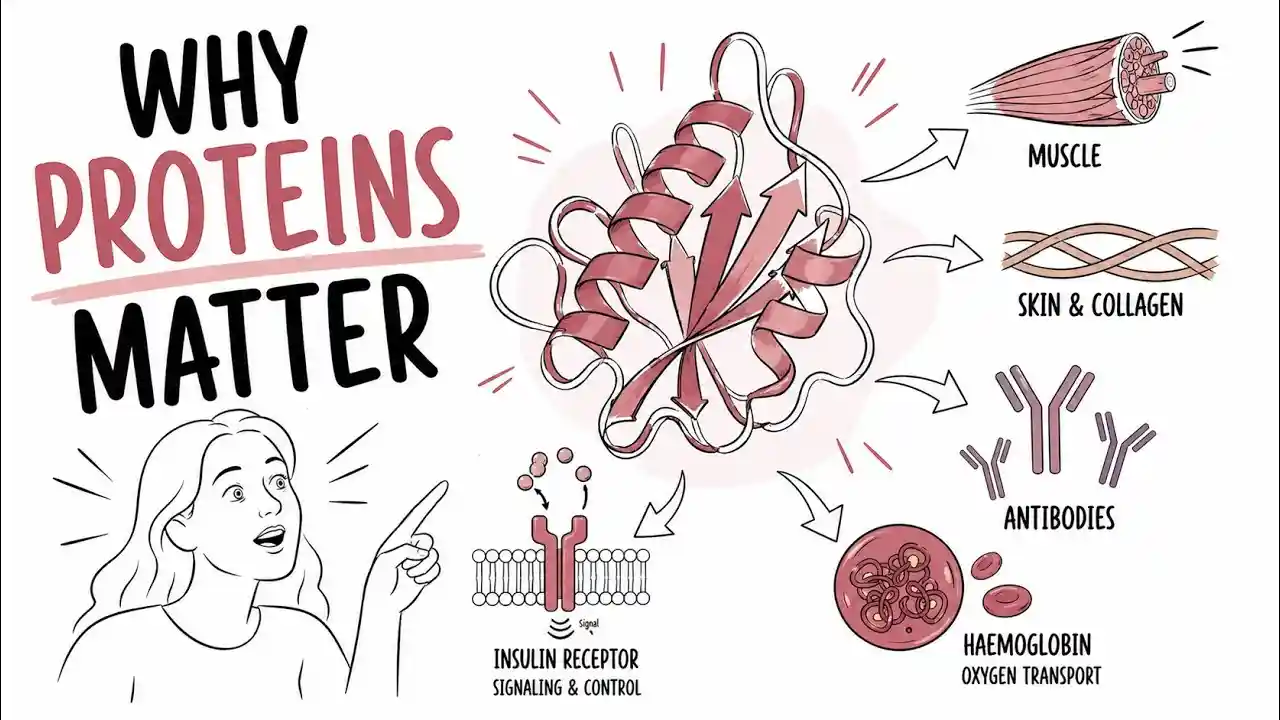
Connected studyComing soon
Clear visual explanations used by medical and allied-health learners around the world.
Explore the free library
Start with the topic in front of you.
Browse by subject or jump straight into the explanation you need. No account required.
Renal Cell Carcinoma
Overview Renal cell carcinomas (originate within the renal cortex) are responsible for 85% of all primary renal neoplasms. Transitional cell carcinomas of the renal pelvis are the next most common (~8%). Renal medullary carcinoma is a rare form of RCC seen in sickle cell disease. The most common pathological type of renal cell carcinoma is clear cell…
View topic ↗Nephritic Syndrome
Overview Nephritic syndrome is one of two clinical patterns seen in glomerular disease. Nephritic Syndrome is characterised by haematuria, proteinuria, hypertension and oligouria. Nephritic syndrome can be further classified based on light microscopic features: Focal Diffuse Glomerular Disease: Disease effecting the glomerulus. Glomerular disease reduces the ability of the kidneys to maintain a balance of certain substances in…
View topic ↗Stroke (Ischaemic and Haemorrhagic)
Overview Third most common cause of death worldwide and most common cause of neurological disability. It is subdivided into ischaemic stroke (caused by vascular occlusion or stenosis) and haemorrhagic stroke (caused by vascular rupture, resulting in intra-parenchymal and/or subarachnoid haemorrhage). Stroke: Acute onset of a focal neurologic deficit due to a cerebral infarction or hemorrhage. Transient Ischaemic…
View topic ↗Undifferentiated Connective Tissue Disease (UCTD)
Overview UCTD is a systemic autoimmune disease with features of connective tissue disease (CTD), but does not fulfill classification criteria for any specific CTD such as SLE, Sjögren’s syndrome, systemic sclerosis, or polymyositis. It is a diagnosis of exclusion used for patients with persistent autoimmune features who do not evolve into a defined CTD. Commonly…
View topic ↗Diverticular Disease
Overview Diverticula of the colon consist of outpouchings of mucous membrane through the muscle wall of the bowel. In the colon, diverticula are found most commonly in the sigmoid and descending colon, and become increasingly rare in passing from the left to the right side of the colon. They are unusual before the age of 40…
View topic ↗Delivery (Labour) and Delivery Complications
Normal Labour Labour: Cervical change accompanied by regular uterine contractions Abnormal Labour (Dystocia or arrest): Any deviation from the definition of normal labour "Show": As a result of the dilatation of the cervix, the operculum, which formed the cervical plug during pregnancy is lost. The women may see a blood stained mucoid discharge hours before,…
View topic ↗Acute Respiratory Failure
Overview Acute Respiratory failure causes hypoxia and/or impaired ventilation with hypercapnia, leading to severe hypoxemia and rapid deterioration. Two main types of respiratory failure: Type I respiratory failure (non-hypercapniec respiratory failure) Primarily from failure of oxygenation (PaO2 <60mmHg) Normal or low CO2 pH 7.5 Usually responds to Oxygen therapy Type II respiratory failure (hypercapniec respiratory…
View topic ↗Full resource library
Browse all topics ↗Choose how you learn
One idea. More than one way to see it.
Use the format that helps the topic click, then switch formats when you need to reinforce it.
01 / WATCH02 / READ03 / SEE04 / CHECK
Videos
Hand-drawn explanations that build the big picture as the concept unfolds.
Notes
Clear written explanations for review, reference and filling in the details.
Diagrams
Visual snapshots that help you easily review topics.
Questions
Test whether the explanation stayed with you—not just whether it looked familiar.
Good places to begin
Explanations learners return to.
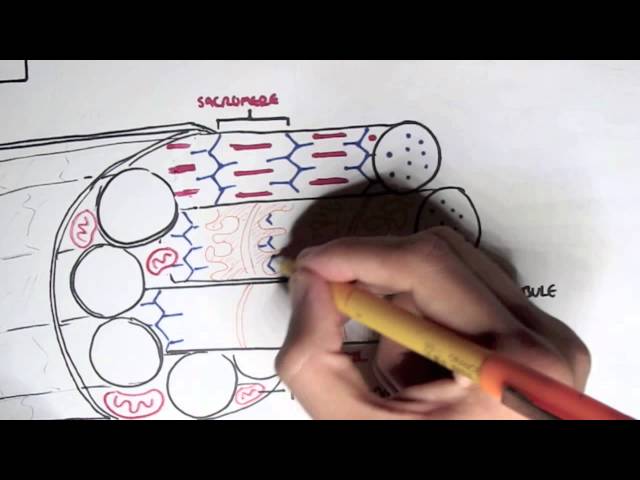
Myology – Skeletal Muscle Contraction
Explore the process of skeletal muscle contraction, from action potential initiation to cross-bridge cycling between actin and myosin. This educational video covers the role of calcium, troponin-tropomyosin complex, and ATP—essential for mastering muscle physiology and preparing for medical exams.

Apoptosis vs necrosis and other forms of cell death
Discover the key differences between apoptosis, necrosis, and other forms of cell death in this clear and informative medical video. Learn how these processes impact the body, their underlying mechanisms, and their roles in health and disease. Perfect for students, healthcare professionals, and anyone interested in understanding cell biology and pathology.
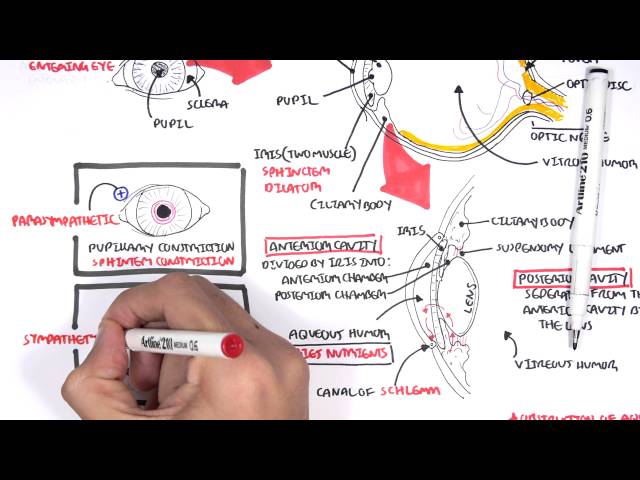
Eye anatomy overview
Get a clear overview of eye anatomy, including key structures like the cornea, lens, retina, and optic nerve. This video simplifies complex concepts for students and anyone interested in understanding how the eye functions.
Our mission
Medical science is complex. Understanding it should feel possible.
Armando Hasudungan turns difficult medical science into clear visual explanations and connected learning experiences—so learners can see the whole picture, remember what matters and find a clearer way forward.
See it clearly
Turn abstract processes and invisible relationships into something the learner can picture.
Connect the pieces
Build understanding around how concepts fit together—not a pile of isolated facts.
Make it useful
Help learners move from explanation to recall, revision and the next logical step.
What clarity feels like
When the topic stops being a blur.
Learners do not come back because the subject became easy. They come back because the explanation gave them a picture they could work with.
“Armando's teaching style gives me the foundational knowledge.
Jessica Payne-Burnett
Medical Student, Charles Sturt University
“The notes I make during his videos help me retain everything better.
Ayesha RaiStudent, Islamabad Medical and Dental College
“The drawings are amazing and super easy to remember.
Reem Mohamed Khair Abdalrazig
Student, Neelain University
Coming soon: the AH study platform
The explanation is only the start.
The free library helps you find a clear explanation. The AH platform is being built to help you connect the resources, follow a clearer path and check what actually stuck.
- Watch in a focused, ad-free study environment.
- Move between connected videos, notes, diagrams and questions.
- Know what belongs next instead of rebuilding the study path yourself.
- Test your understanding while the topic is still fresh.
New and worth a look
Keep building the picture.
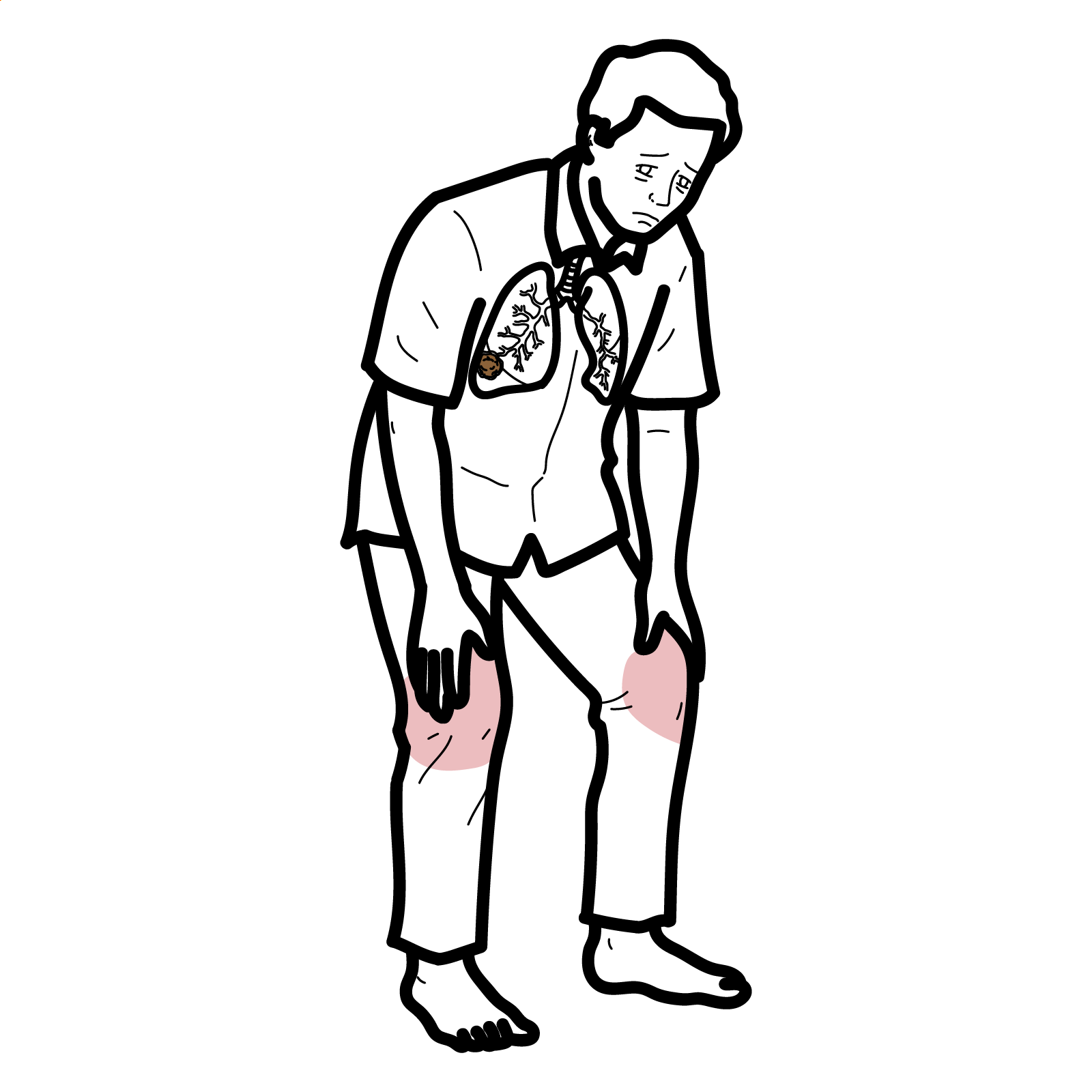
Lambert-Eaton Myasthenic Syndrome
Overview Lambert–Eaton myasthenic syndrome (LEMS) is a rare autoimmune disorder of the presynaptic neuromuscular junction. It causes impaired acetylcholine release, producing the characteristic triad of proximal muscle weakness, reduced reflexes and autonomic dysfunction. LEMS may occur as a paraneoplastic syndrome—most commonly associated with small-cell lung cancer (SCLC)—or as a non-tumour-associated autoimmune disorder. Neuromuscular junction: connection…
View this topic ↗About Visualising Medicine
Good education does not remove complexity. It makes complexity feel simple.
Visualising Medicine is the team behind Armando Hasudungan. We bring together medicine, illustration, writing and technology to make difficult ideas clearer—and build better ways for learners to use them.