

Visual explanationFree resource
Visual medical education by Armando Hasudungan
Medical science, drawn into focus.
Explore visual explanations that reveal how the facts, processes and clinical patterns fit together—then discover the coming AH study platform, built to guide what you study next and check what stuck.
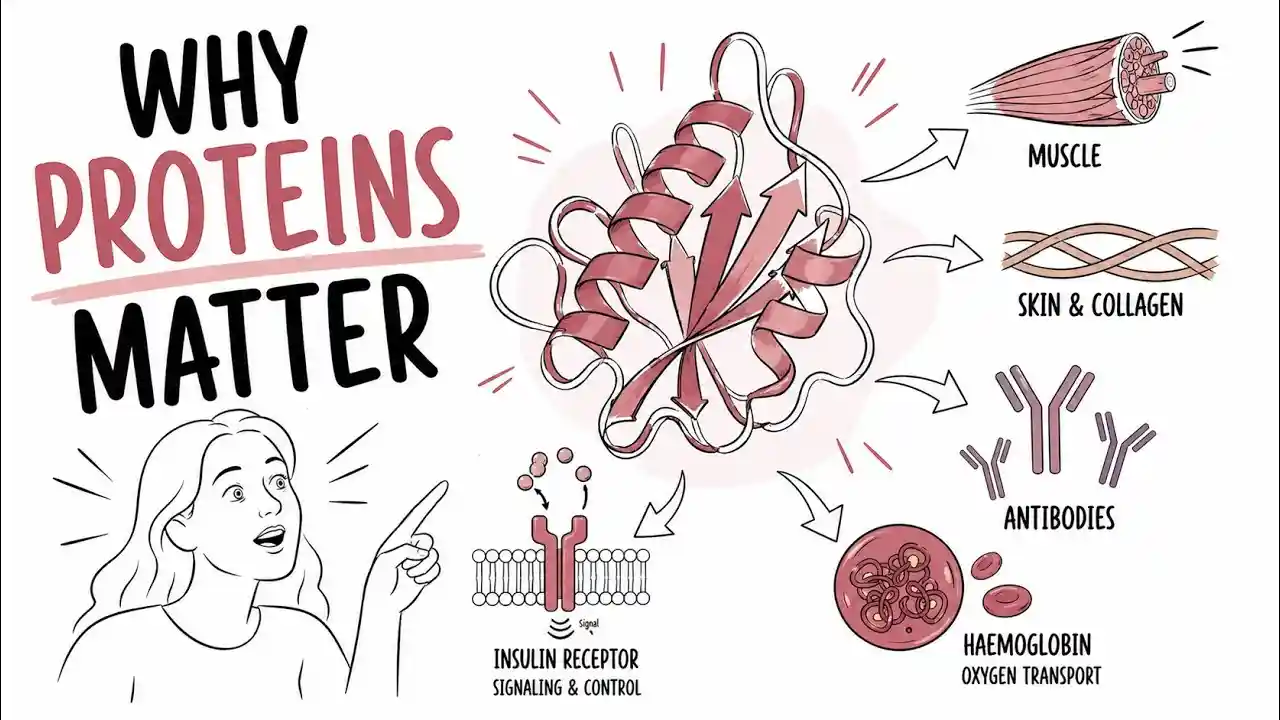
Connected studyComing soon
Clear visual explanations used by medical and allied-health learners around the world.
Explore the free library
Start with the topic in front of you.
Browse by subject or jump straight into the explanation you need. No account required.
Deep Vein Thrombosis
Overview Deep vein thrombosis (DVT) is the formation of a blood clot in a vein deep under the skin 25-50% of surgical patients and many non-surgical patients. 65% of DVT are below the knee are symptomatic and rarely embolism to the lung. There are many causes of DVT. Thrombus: blood clot Thrombosis: blood clot that forms in…
View topic ↗Gallstone Disease
This section looks at gallstone disease in general. For info on cholecystitis specifically click here . Overview Gallstones, also called cholelithiasis, are solid deposits formed from components of bile, most commonly cholesterol or bilirubin. They usually develop within the gallbladder but may migrate into the biliary ducts. Gallstones range from very small particles to large stones…
View topic ↗Urinary Tract Infection (Children)
Overview Urinary Tract infections (UTIs) in children are common and usually carry low risk. UTIs are often non-specific and can not be diagnosed on symptoms alone. A clean specimen (urine) is required for the diagnosis of UTI. Any child who is unwell, and most children under 6 months, should be admitted for IV antibiotics. The…
View topic ↗Hyperlipidaemia
Overview Hyperlipidaemia is an umbrella term which encompasses genetic and acquired disorders that raise lipid levels within the blood. Hyperlipidaemia does not independently cause clinical symptoms, rather can lead to other disorders that can manifest in possible life-threatening presentations. Most notably, hyperlipidaemia causes atherosclerosis which may lead to cardiovascular, cerebrovascular, and peripheral vascular disease. 1…
View topic ↗Anklylosing Spondylitis (AS)
Overview Ankylosing spondylitis (AS) is a chronic, progressive inflammatory arthritis that primarily affects the axial skeleton, especially the sacroiliac joints and spine. It is a subtype of the seronegative spondyloarthropathies and is characterised by inflammatory back pain, morning stiffness, and eventual spinal fusion in severe cases. AS often presents in young adults, typically males, and…
View topic ↗DiGeorge Syndrome
Overview DiGeorge syndrome (22q11.2 deletion syndrome) is a congenital immunodeficiency and multisystem disorder caused by a microdeletion on chromosome 22. It leads to defective development of the third and fourth pharyngeal pouches, resulting in thymic hypoplasia/aplasia, hypocalcaemia due to parathyroid hypoplasia, and congenital heart defects. Prevalence is estimated at 1 in 4000 live births. Clinical…
View topic ↗Lung Cancer
Overview Lung cancer is the leading cause of cancer deaths in men and women. Lung cancer can be divided into small cell and non-small cell carcinoma. Small cell lung carcinoma presents late stage and has poorer prognosis. A solitary pulmonary nodule measuring 8 mm or less can be followed radiographically. For larger lesions, a biopsy, whether…
View topic ↗Full resource library
Browse all topics ↗Choose how you learn
One idea. More than one way to see it.
Use the format that helps the topic click, then switch formats when you need to reinforce it.
01 / WATCH02 / READ03 / SEE04 / CHECK
Videos
Hand-drawn explanations that build the big picture as the concept unfolds.
Notes
Clear written explanations for review, reference and filling in the details.
Diagrams
Visual snapshots that help you easily review topics.
Questions
Test whether the explanation stayed with you—not just whether it looked familiar.
Good places to begin
Explanations learners return to.
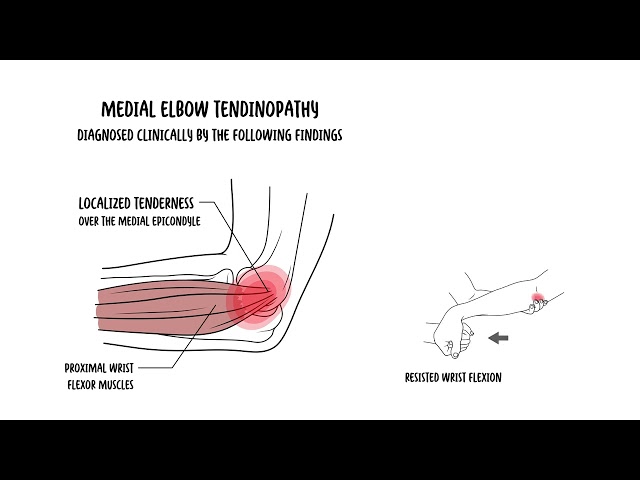
Medial Elbow Tendinopathy (Golfer’s Elbow) Explained
Learn about medial elbow tendinopathy, also known as golfer’s elbow, including its causes, affected tendons, and typical symptoms. This video explains the underlying pathophysiology, risk factors, and approaches to diagnosis, treatment, and prevention.
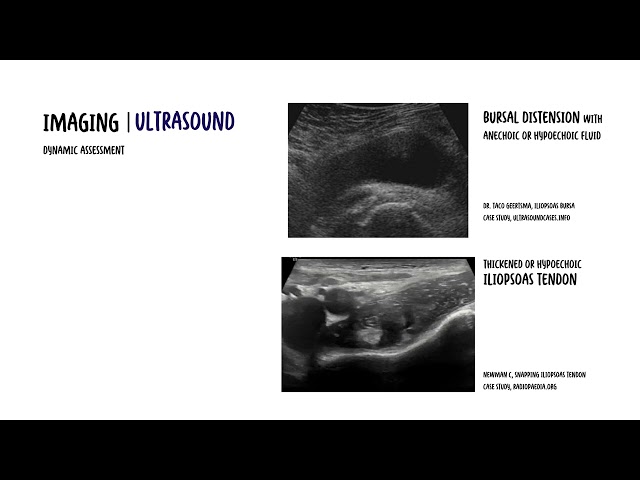
Iliopsoas Tendinopathy Explained | Anterior Hip Pain Causes, Diagnosis & Treatment
Iliopsoas tendinopathy and bursitis cause persistent anterior hip pain—learn how to diagnose, treat, and prevent iliopsoas-related groin pain. This video explains anatomy, causes, symptoms, imaging, and management of iliopsoas tendonopathy and bursitis for clinicians, athletes, and active patients. Discover how repetitive hip flexion, biomechanical imbalances, and sudden load increases create microtrauma to the iliopsoas tendon…
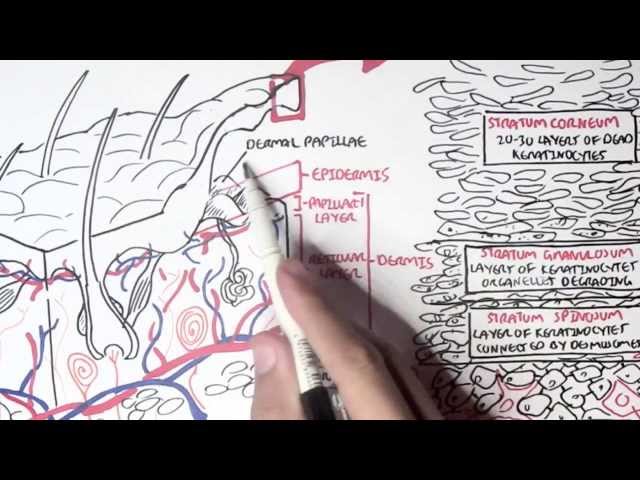
Dermatology – Overview
Get an overview of dermatology by exploring the structure and function of the skin, along with common skin conditions and their clinical features. This video introduces key dermatological terms, layers of the skin, and the basics of diagnosis and skin care.
Our mission
Medical science is complex. Understanding it should feel possible.
Armando Hasudungan turns difficult medical science into clear visual explanations and connected learning experiences—so learners can see the whole picture, remember what matters and find a clearer way forward.
See it clearly
Turn abstract processes and invisible relationships into something the learner can picture.
Connect the pieces
Build understanding around how concepts fit together—not a pile of isolated facts.
Make it useful
Help learners move from explanation to recall, revision and the next logical step.
What clarity feels like
When the topic stops being a blur.
Learners do not come back because the subject became easy. They come back because the explanation gave them a picture they could work with.
“Armando's teaching style gives me the foundational knowledge.
Jessica Payne-Burnett
Medical Student, Charles Sturt University
“The notes I make during his videos help me retain everything better.
Ayesha RaiStudent, Islamabad Medical and Dental College
“The drawings are amazing and super easy to remember.
Reem Mohamed Khair Abdalrazig
Student, Neelain University
Coming soon: the AH study platform
The explanation is only the start.
The free library helps you find a clear explanation. The AH platform is being built to help you connect the resources, follow a clearer path and check what actually stuck.
- Watch in a focused, ad-free study environment.
- Move between connected videos, notes, diagrams and questions.
- Know what belongs next instead of rebuilding the study path yourself.
- Test your understanding while the topic is still fresh.
New and worth a look
Keep building the picture.
Lambert-Eaton Myasthenic Syndrome
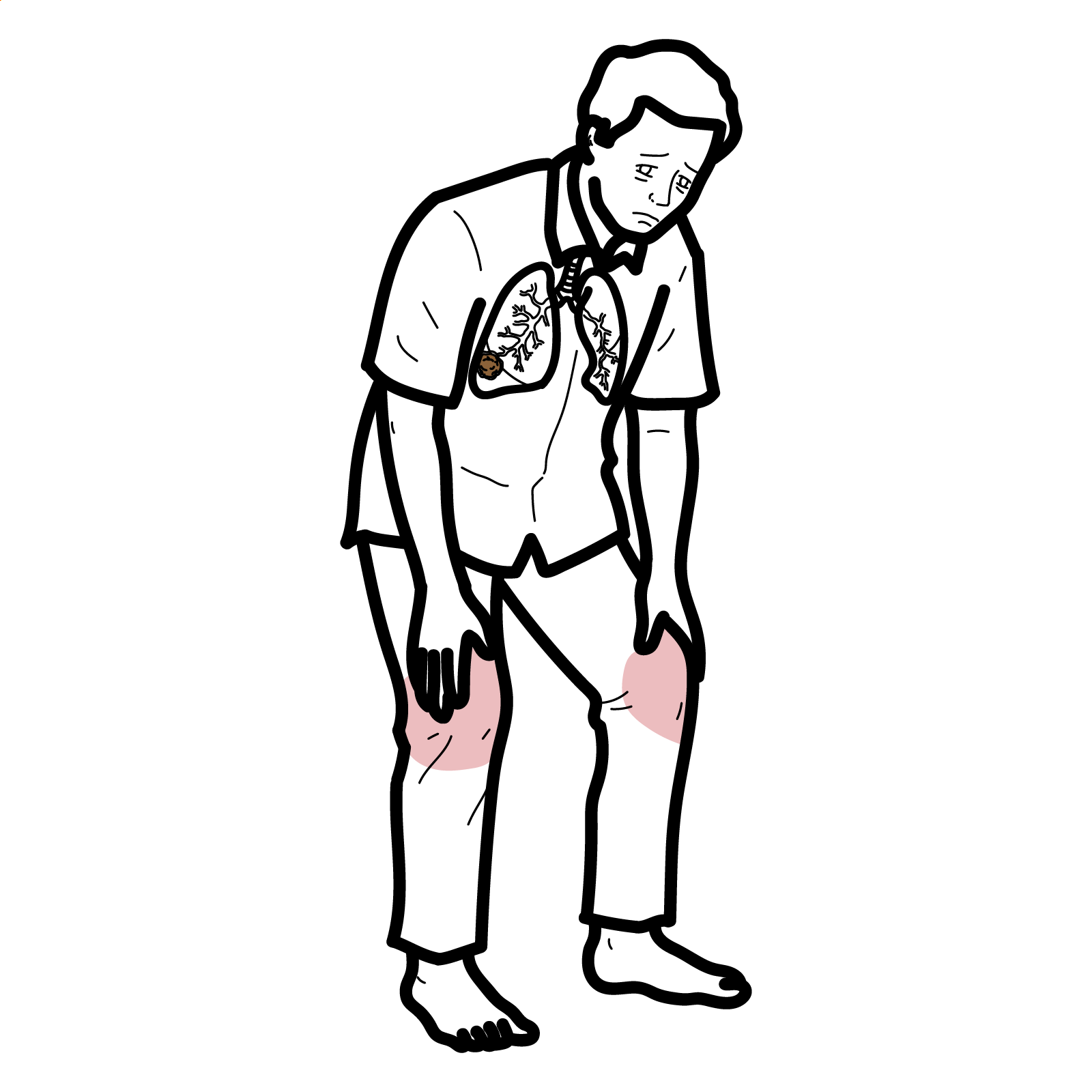
Overview Lambert–Eaton myasthenic syndrome (LEMS) is a rare autoimmune disorder of the presynaptic neuromuscular junction. It causes impaired acetylcholine release, producing the characteristic triad of proximal muscle weakness, reduced reflexes and autonomic dysfunction. LEMS may occur as a paraneoplastic syndrome—most commonly associated with small-cell lung cancer (SCLC)—or as a non-tumour-associated autoimmune disorder. Neuromuscular junction: connection…
View this topic ↗About Visualising Medicine
Good education does not remove complexity. It makes complexity feel simple.
Visualising Medicine is the team behind Armando Hasudungan. We bring together medicine, illustration, writing and technology to make difficult ideas clearer—and build better ways for learners to use them.