

Visual explanationFree resource
Visual medical education by Armando Hasudungan
Medical science, drawn into focus.
Explore visual explanations that reveal how the facts, processes and clinical patterns fit together—then discover the coming AH study platform, built to guide what you study next and check what stuck.
Connected studyComing soon
Clear visual explanations used by medical and allied-health learners around the world.
Explore the free library
Start with the topic in front of you.
Browse by subject or jump straight into the explanation you need. No account required.
Hyperthyroidism (Thyrotoxicosis)
Overview The most common cause of hyperthyroidism are Graves disease, multinodular goitre, an autonomously functioning thyroid nodule (adenoma) and subacute thyroiditis. Graves Disease is more common in women. Multinodular goitre is more common in the elderly. Graves disease typically manifests in middle aged women. Thyroid diseases are more common in women. Hyperthyroidism: denote conditions in which…
View topic ↗Chronic Exertional Compartment Syndrome (Exercise-induced Compartment Syndrome)
Overview Chronic compartment syndrome (also known as chronic exertional compartment syndrome or exercise induced compartment syndrome) is an exertional condition in which repetitive activity causes transiently elevated pressure within a closed myofascial compartment, leading to ischemic pain, tightness, and sometimes neurologic symptoms that predictably begin with exercise and abate with rest. It most often affects…
View topic ↗Delirium
Overview Delirium is a neuropsychiatric syndrome characterized by a disturbance in consciousness and cognition. It typically presents as an acute confusional state , with inattention as its core symptom. Unfortunately, the diagnosis of delirium is often delayed or missed, especially the hypoactive form that is common in older persons. Delirium : Cognitive impairment typically caused…
View topic ↗Cryoglobulinaemic Vasculitis
Overview Cryoglobulinaemic vasculitis is an immune complex–mediated small to medium vessel vasculitis caused by circulating cryoglobulins—immunoglobulins that precipitate below 37 °C and redissolve on warming. These immune complexes deposit in vessel walls, activate complement (typically with marked C4 consumption), and drive leukocytoclastic vasculitis. “Mixed” CV (types II and III) is most often linked to hepatitis…
View topic ↗Eosinophilic Granulomatosis with Polyangiitis
Overview EGPA (formerly Churg-Strauss syndrome) is a rare, small-to-medium vessel necrotizing vasculitis characterized by asthma, eosinophilia, and extravascular granulomas. It commonly affects the lungs, skin, peripheral nerves, and heart. Annual incidence: ~1–3 per million; peak onset in 40s–60s; no significant gender bias. Strongly associated with MPO-ANCA positivity in ~40–60% of patients; others are ANCA-negative. Eosinophilia…
View topic ↗Lung Cancer
Overview Lung cancer is the leading cause of cancer deaths in men and women. Lung cancer can be divided into small cell and non-small cell carcinoma. Small cell lung carcinoma presents late stage and has poorer prognosis. A solitary pulmonary nodule measuring 8 mm or less can be followed radiographically. For larger lesions, a biopsy, whether…
View topic ↗Selective IgA Deficiency
Overview Selective IgA deficiency is the most common primary immunodeficiency, defined by very low or absent serum IgA levels with normal levels of other immunoglobulins (IgG, IgM). Many patients are asymptomatic, but some develop recurrent mucosal infections, allergic disease, or autoimmune disorders. Prevalence is estimated at 1:300 to 1:700 in Caucasian populations. Diagnosis is often…
View topic ↗Full resource library
Browse all topics ↗Choose how you learn
One idea. More than one way to see it.
Use the format that helps the topic click, then switch formats when you need to reinforce it.
01 / WATCH02 / READ03 / SEE04 / CHECK
Videos
Hand-drawn explanations that build the big picture as the concept unfolds.
Notes
Clear written explanations for review, reference and filling in the details.
Diagrams
Visual snapshots that help you easily review topics.
Questions
Test whether the explanation stayed with you—not just whether it looked familiar.
Good places to begin
Explanations learners return to.
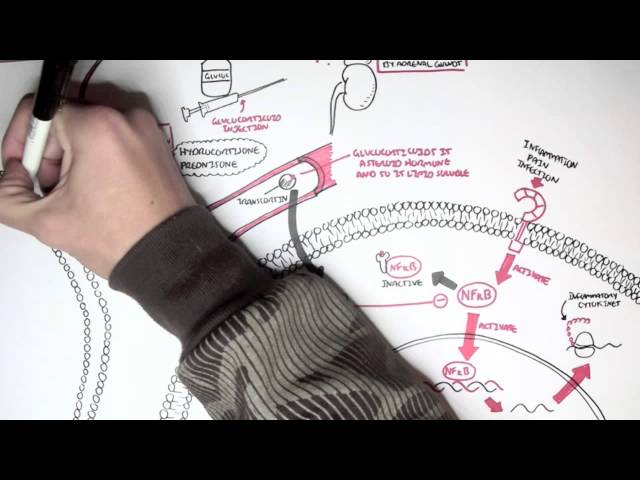
Pharmacology – Glucocorticoids
Explore how glucocorticoids work, including their anti-inflammatory and immunosuppressive effects at the cellular and molecular level. This video covers their mechanisms of action, clinical applications, side effects, and considerations for safe use.
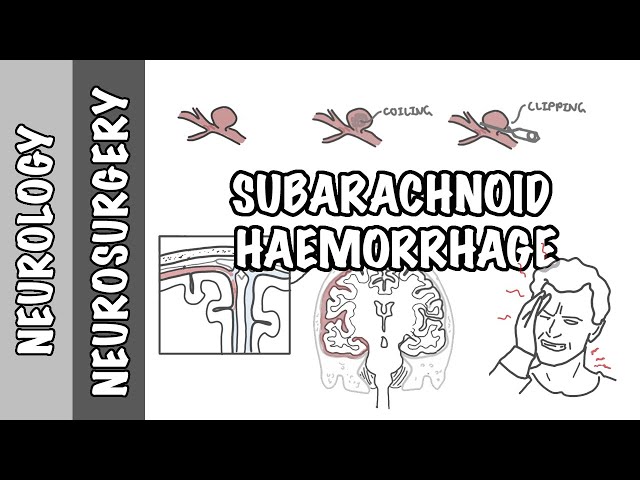
Subarachnoid Haemorrhage / pathophysiology, complications and management
A subarachnoid haemorrhage (SAH) is a type of stroke that causes bleeding around the brain. Subarachnoid haemorrhage, the bleeding happens in a part of your head called the "subarachnoid space." Most spontaneous SAHs are caused by ruptured saccular aneurysms. Other causes of SAH include occult trauma, arteriovenous malformations/fistulae, vasculitides, intracranial arterial dissections, amyloid angiopathy, bleeding…
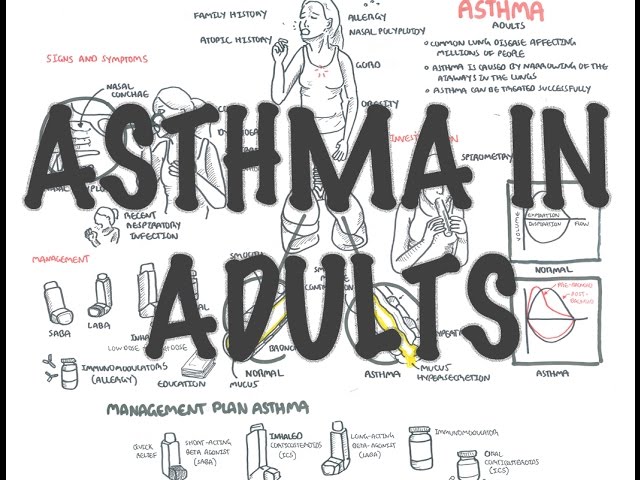
Adult Asthma – Overview (signs and symptoms, pathophysiology, investigations and treatment)
This video explains adult asthma with a focus on its signs and symptoms, underlying pathophysiology, and common triggers. Learn how asthma is diagnosed and managed through investigations and treatment options to control inflammation and improve breathing.
Our mission
Medical science is complex. Understanding it should feel possible.
Armando Hasudungan turns difficult medical science into clear visual explanations and connected learning experiences—so learners can see the whole picture, remember what matters and find a clearer way forward.
See it clearly
Turn abstract processes and invisible relationships into something the learner can picture.
Connect the pieces
Build understanding around how concepts fit together—not a pile of isolated facts.
Make it useful
Help learners move from explanation to recall, revision and the next logical step.
What clarity feels like
When the topic stops being a blur.
Learners do not come back because the subject became easy. They come back because the explanation gave them a picture they could work with.
“Armando's teaching style gives me the foundational knowledge.
Jessica Payne-Burnett
Medical Student, Charles Sturt University
“The notes I make during his videos help me retain everything better.
Ayesha RaiStudent, Islamabad Medical and Dental College
“The drawings are amazing and super easy to remember.
Reem Mohamed Khair Abdalrazig
Student, Neelain University
Coming soon: the AH study platform
The explanation is only the start.
The free library helps you find a clear explanation. The AH platform is being built to help you connect the resources, follow a clearer path and check what actually stuck.
- Watch in a focused, ad-free study environment.
- Move between connected videos, notes, diagrams and questions.
- Know what belongs next instead of rebuilding the study path yourself.
- Test your understanding while the topic is still fresh.
New and worth a look
Keep building the picture.
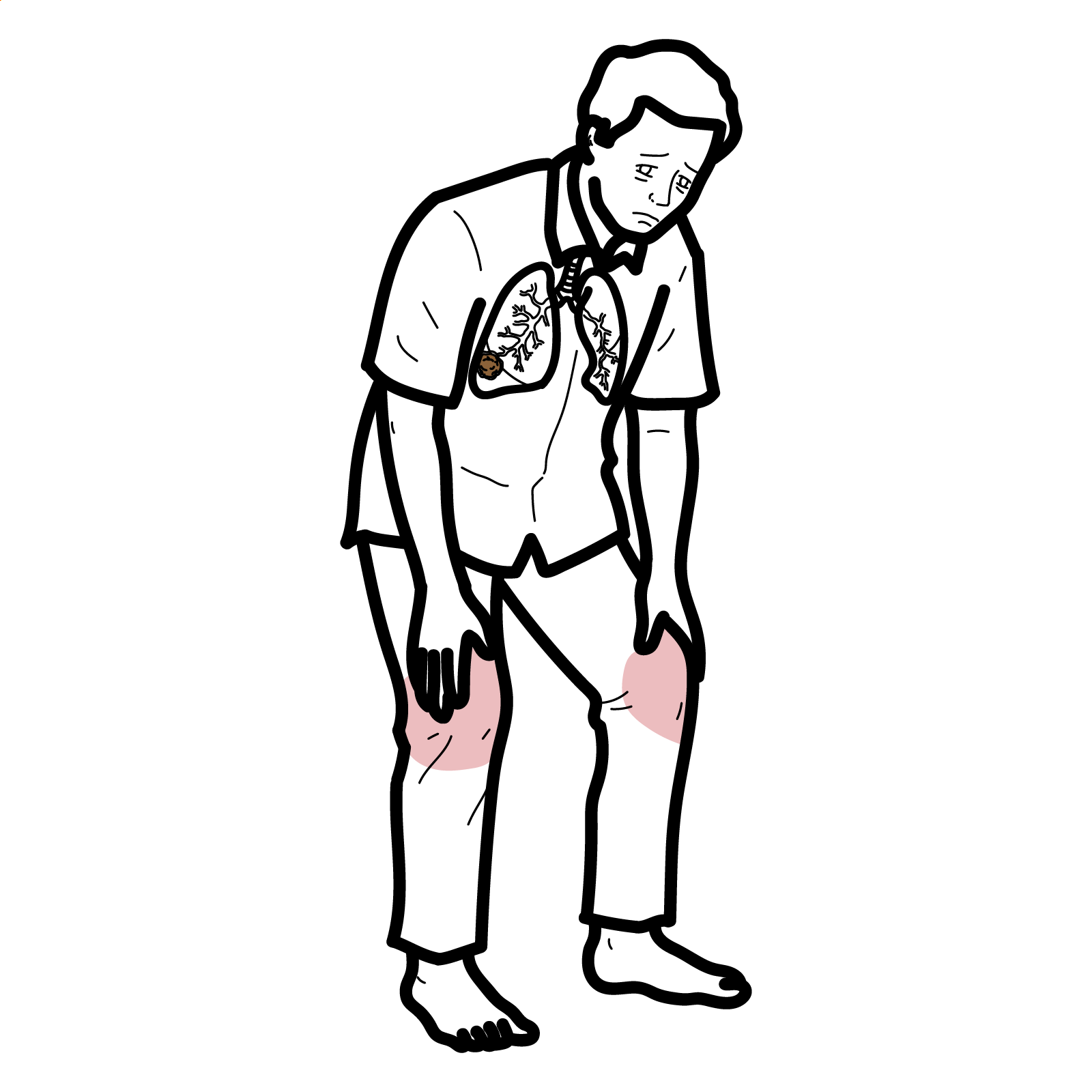
Lambert-Eaton Myasthenic Syndrome
Overview Lambert–Eaton myasthenic syndrome (LEMS) is a rare autoimmune disorder of the presynaptic neuromuscular junction. It causes impaired acetylcholine release, producing the characteristic triad of proximal muscle weakness, reduced reflexes and autonomic dysfunction. LEMS may occur as a paraneoplastic syndrome—most commonly associated with small-cell lung cancer (SCLC)—or as a non-tumour-associated autoimmune disorder. Neuromuscular junction: connection…
View this topic ↗About Visualising Medicine
Good education does not remove complexity. It makes complexity feel simple.
Visualising Medicine is the team behind Armando Hasudungan. We bring together medicine, illustration, writing and technology to make difficult ideas clearer—and build better ways for learners to use them.