

Delirium

Overview
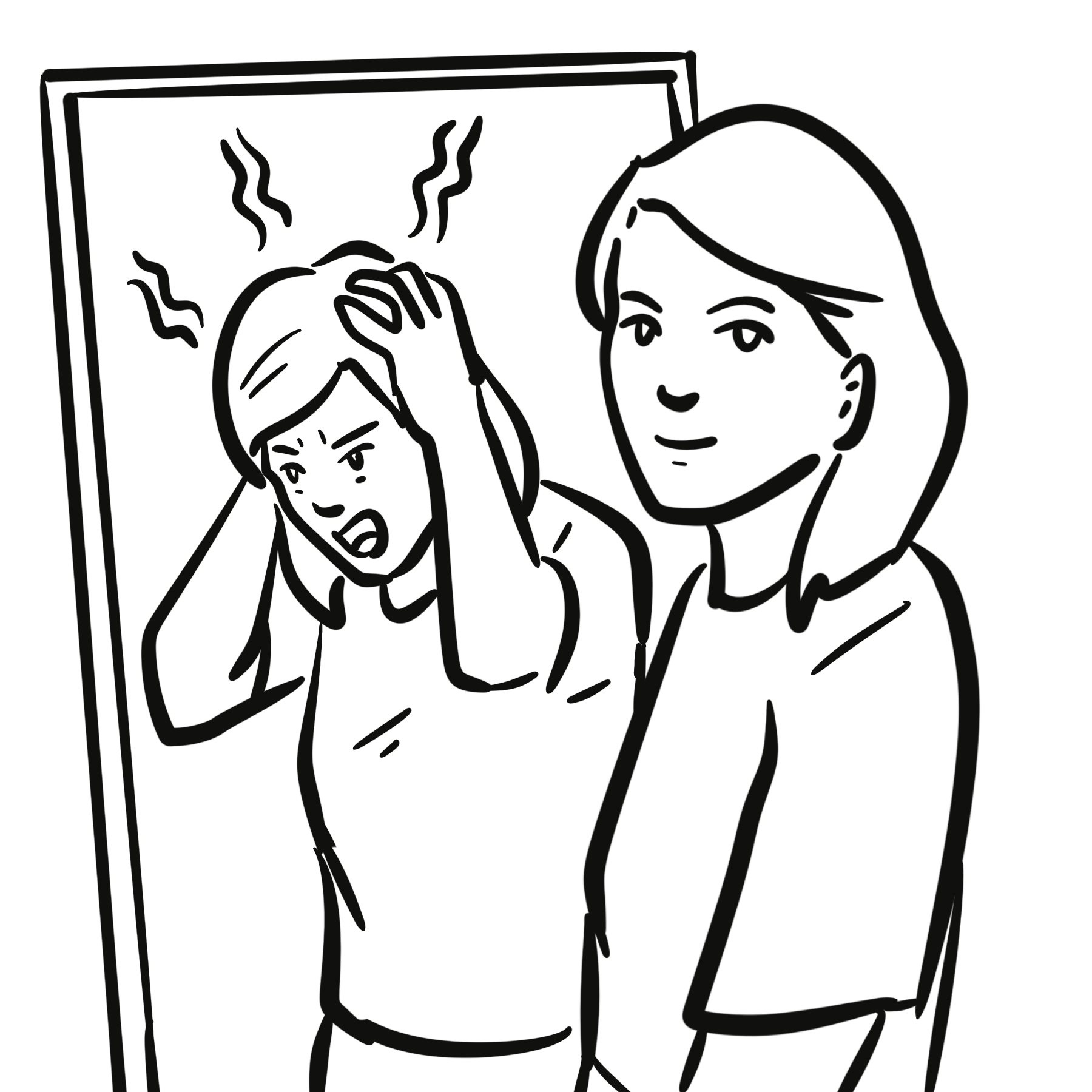
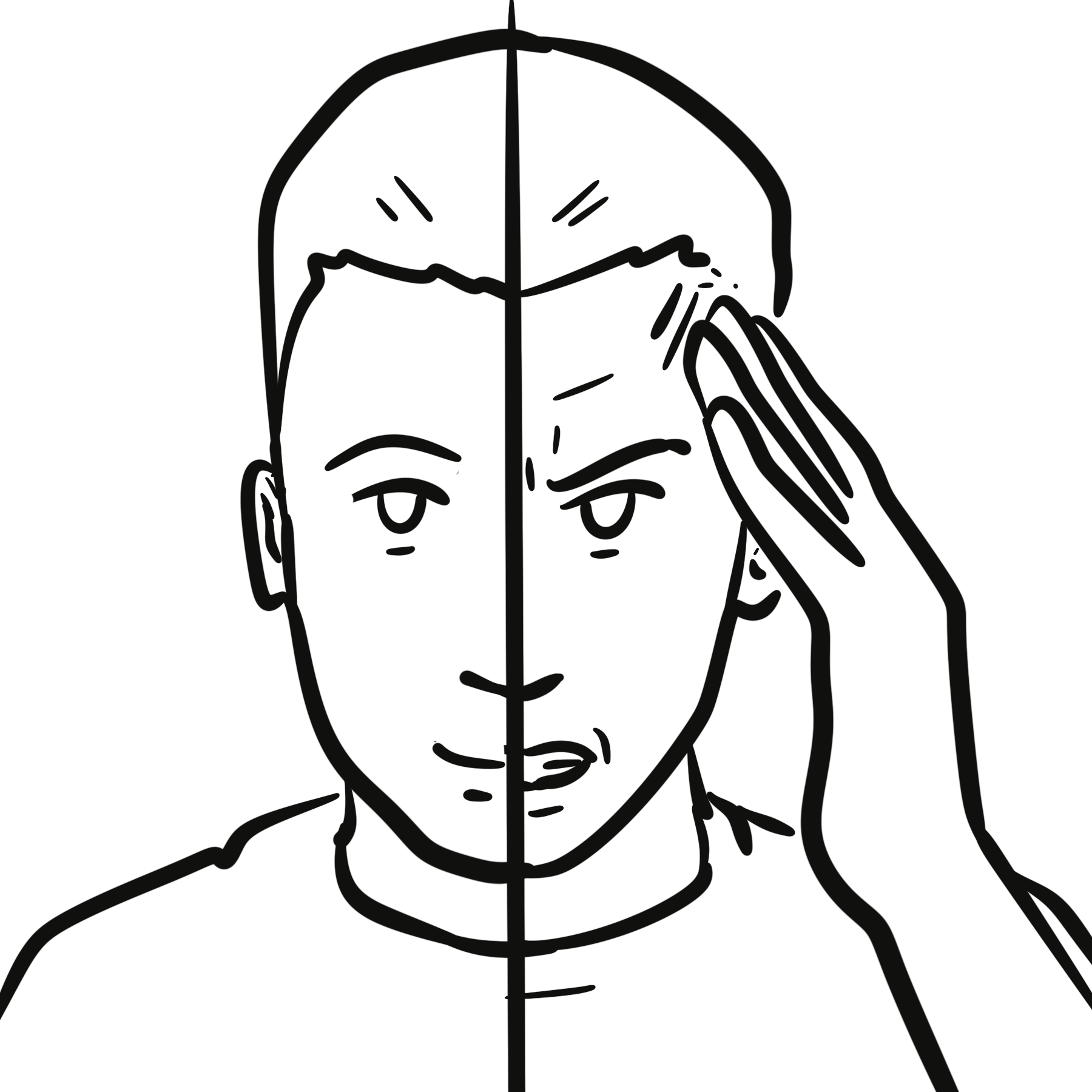
Delirium is a neuropsychiatric syndrome characterized by a disturbance in consciousness and cognition. It typically presents as an acute confusional state, with inattention as its core symptom. Unfortunately, the diagnosis of delirium is often delayed or missed, especially the hypoactive form that is common in older persons.
Definition
- Delirium
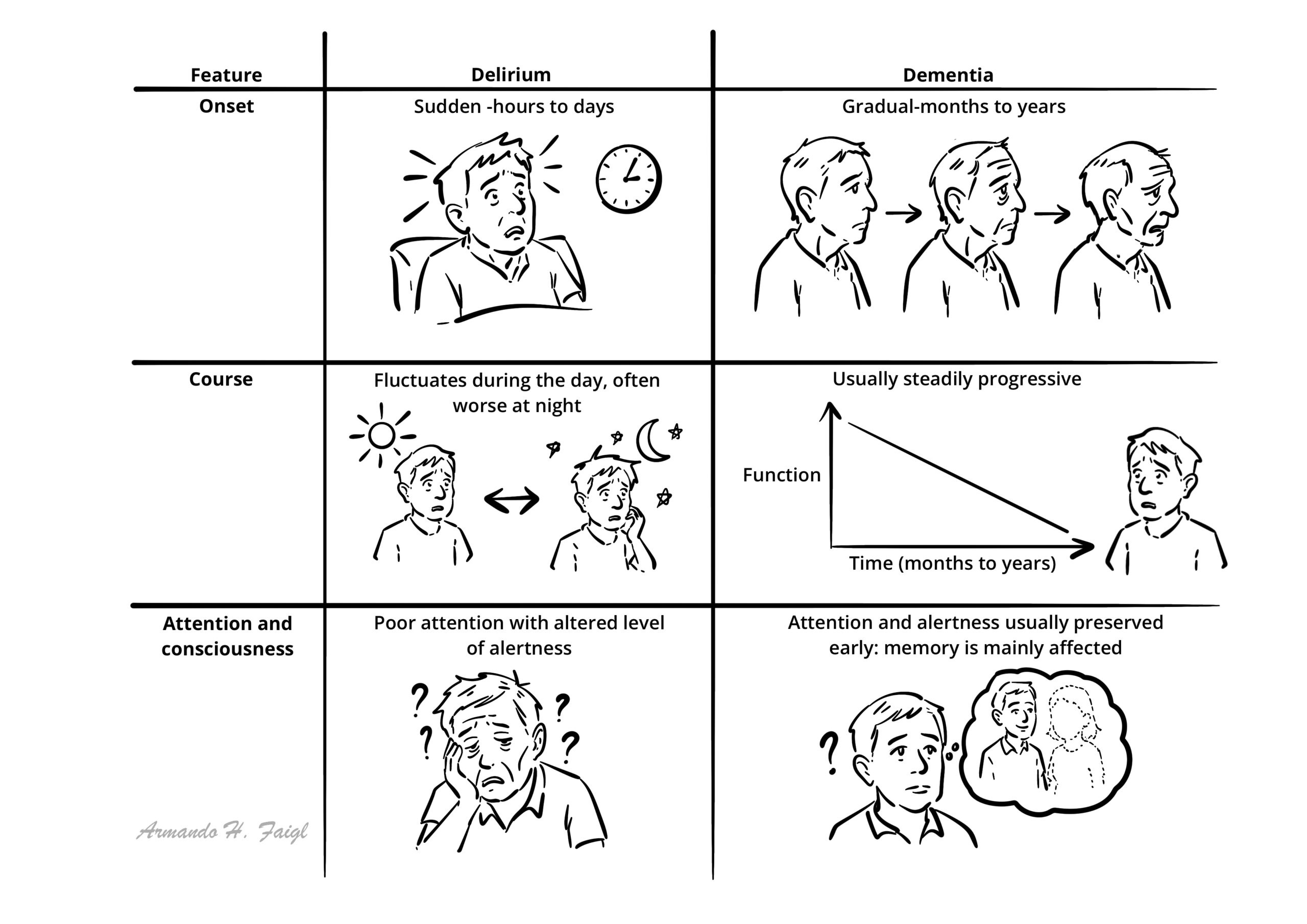
- Cognitive impairment typically caused by acute illness or drug toxicity (sometimes life threatening) and is often reversible. Delirium mainly affects attention.
- Confusion
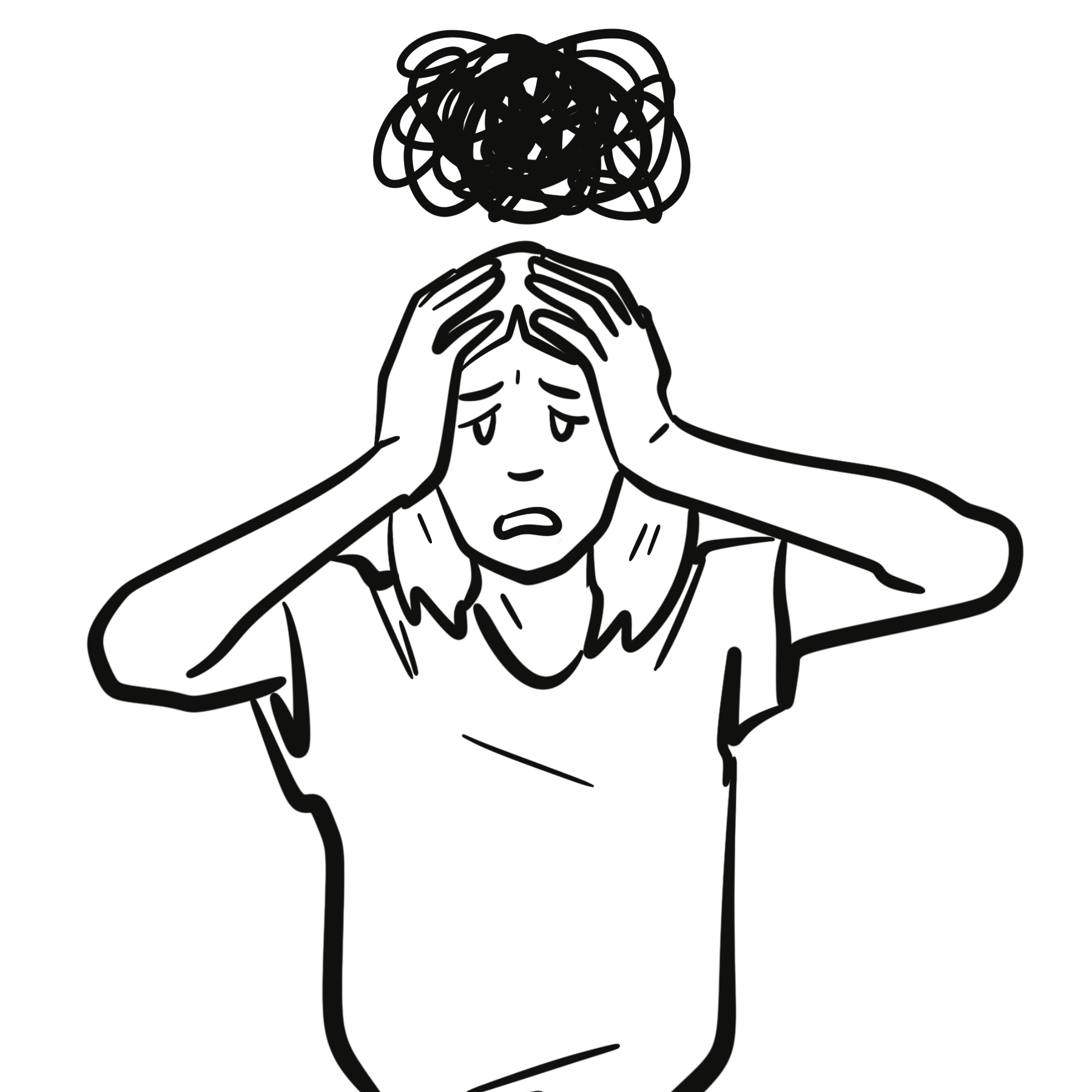
- disturbed orientation in regard to time, place, or person, sometimes accompanied by disordered
- Dementia
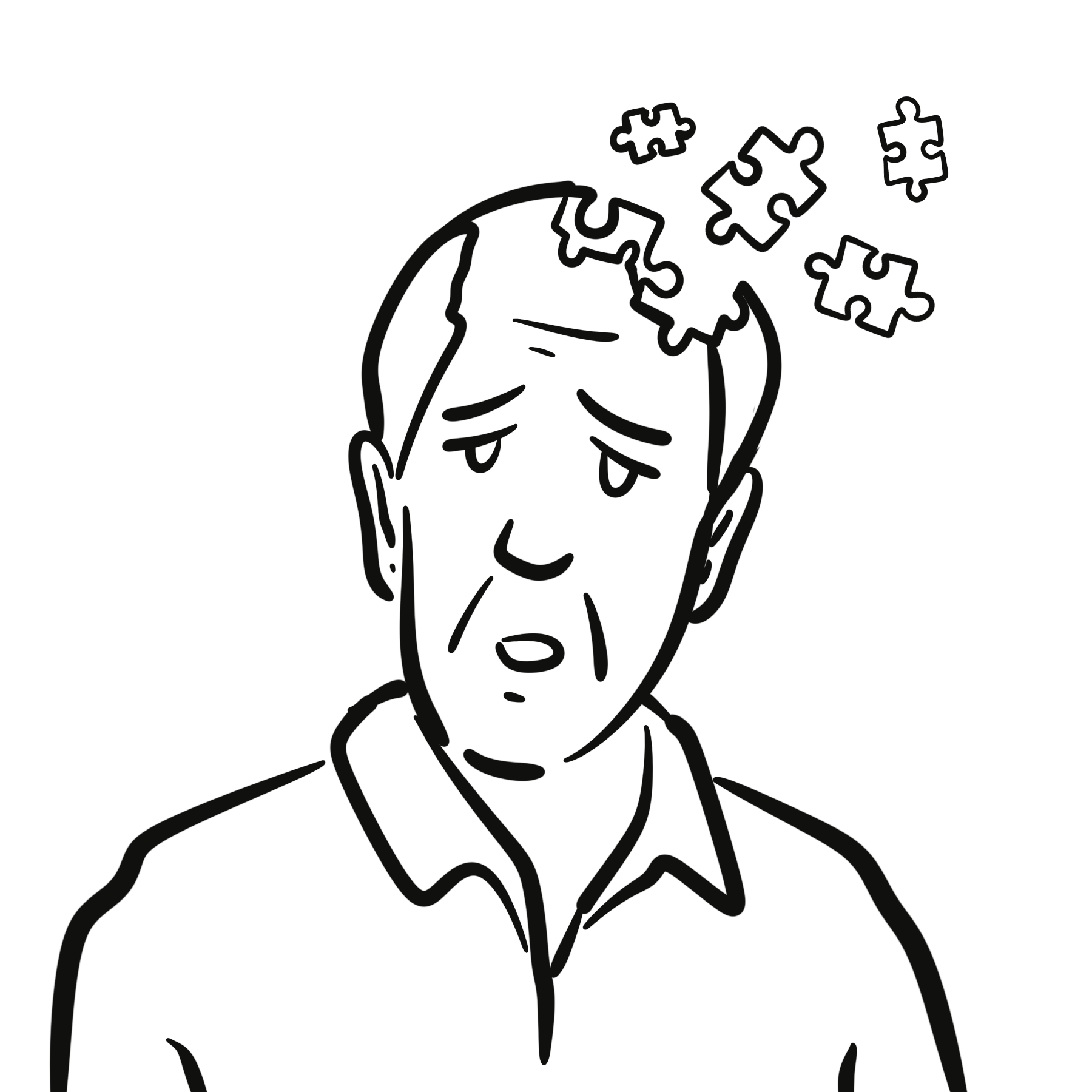
- Cognitive impairment typically caused by anatomic changes in the brain, has slower onset, and is generally irreversible. Dementia mainly affects memory.
Aetiology & Risk Factors
Aetiology
A particular case of delirium is often multifactorial. One or more precipitating factors combine to push a predisposed patient across his or her threshold to delirium.
Precipitating factors
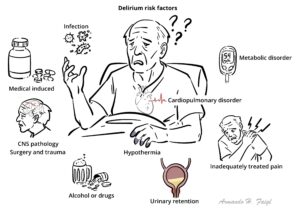
- Medications (anticholinergic drugs, psychotropics and opiates)
- Infection
- Metabolic disorder – hypo- or hyperglycemia, dehydration, electrolyte imbalance (Na, K, Ca), acid–base disturbance, uremia, renal encephalopathy, hepatic encephalopathy, hypoalbuminemia, thyroid dysfunction
- CNS pathology – CNS infection, stroke, seizure, head trauma, mass.
- Cardiopulmonary disorder – myocardial infarction (MI), arrythmia, congestive heart failure.
- Alcohol or drugs
- Surgery and trauma. Delirium in the postoperative state is particularly common in older people
- Fever or hypothermia
- Constipation or urinary retention
- Unrecognized or inadequately treated pain
| Drugs causing delirium |
| Anticholinergics |
| Benzodiazepines |
| Antipsychotics |
| Anticonvulsants |
| Tricyclic Antidepressants |
| Lithium |
| Opiates |
| Alcohol |
| AntiParkinsons |
| Diuretics |
| Corticosteroids |
Polypharmacy is a risk factor for developing delirium. Make sure to review medications.
Risk Factors
- Dementia or other cognitive disorder
- Advanced age (i.e., 65 and older)
- Male gender
- Physically frail or immobile
- Sensory impairment (i.e., hearing or vision)
- Malnutrition or dehydration
- Polypharmacy, especially multiple psychoactive drugs
- History of excessive alcohol intake
- Severe illness or multiple medical comorbidities
Clinical Manifestation
- Acute confusional state
- Inattention
Confusion is not specific to delirium; it may be found in other psychiatric disorders, such as dementia or depression.
| Difference between Dementia and Delirium | ||
| Dementia | Delirium | |
| Onset | Sub-acute | Acute |
| Conscious level | Normal | Fluctuates |
| Hallucinations | Late event | Common |
| Agitation/agression | Uncommon until late | Common |
| Thought form | Poverty of thought late | Flight of ideas |
| Memory | Slow decline | Poor |
Differential Diagnosis
- Medication induced – anticholinergic drugs, psychotropics and opiates
- Infection
- Metabolic disorder – hypo- or hyperglycemia, dehydration, electrolyte imbalance (Na, K, Ca), acid–base disturbance, uremia, renal encephalopathy, hepatic encephalopathy, hypoalbuminemia, thyroid dysfunction
- CNS pathology – CNS infection, stroke, seizure, head trauma, mass.
- Cardiopulmonary disorder – myocardial infarction (MI), arrythmia, congestive heart failure.
- Alcohol or drugs
- Surgery and trauma. Delirium in the postoperative state is particularly common in older people
- Fever or hypothermia
- Constipation or urinary retention
- Unrecognized or inadequately treated pain
Investigations
There are two important aspects to the diagnostic evaluation of delirium: recognizing that the disorder is present and uncovering the underlying medical illness that has caused delirium.
- Full Blood count
- EUC
- Blood sugar level
- Liver Function Test
- Chest X-ray
- ECF
- Urinalysis
- ABG
- Blood cultures
- Thyroid function test
- Urine drug screen
- Drug levels (lithium, digoxin)
Diagnosis
Delirium is a clinical diagnosis. Thorough chart review is essential in making a proper diagnosis.
Diagnostic and Statistical Manual, 5th edition (DSM-V) for delirium:
- Disturbance in attention (reduced ability to direct, focus, sustain, and shift attention) and awareness.
- Acute onset, and fluctuating course. The usual onset of delirium is over hours or a few days.
- Change in cognition. Cognitive changes are typically global, with disorientation (especially to time), memory impairment (recent memory in particular), and language disturbance (e.g., dysgraphia, dysnomia).
- The disturbances are not better explained by another preexisting, evolving or established neurocognitive disorder, and do not occur in the context of a severely reduced level of arousal, such as coma
- There is evidence from the history, physical examination, or laboratory findings that the disturbance is caused by a medical condition, substance intoxication or withdrawal, or medication side effect.
Additional features that may accompany delirium and confusion include the following:
- Psychomotor behavioral disturbances such as hypoactivity, hyperactivity with increased sympathetic activity, and impairment in sleep duration and architecture.
- Variable emotional disturbances, including fear, depression, euphoria, or perplexity.
- Alteration of the sleep-wake cycle
- Poor insight
Treatment
There are two important aspects to the diagnostic evaluation of delirium: recognizing that the disorder is present and uncovering the underlying medical illness that has caused delirium.
Non-Pharmacological
- Supportive care – fluids, nutrition, oxygen
- Discontinue and review medication
- Create a calm, comfortable environment with appropriate lighting (normalize sleep-wake cycle) and orienting influences
- Optimize visual and auditory acuity with glasses and hearing aids.
- Reorient and reassure the patient frequently. Explain all procedures.
Pharmacological
- Antipsychotics
- Risperidone
- Haloperidol
- Quetiapine
- Benzodiazepine (mainly to treat withdrawal delirium)
References
- Inouye SK, Westendorp RGJ, Saczynski JS. Delirium in elderly people. Lancet. 2014;383(9920):911-22. doi:10.1016/S0140-6736(13)60688-1.
- Oh ES, Fong TG, Hshieh TT, Inouye SK. Delirium in older persons: advances in diagnosis and treatment. JAMA. 2017;318(12):1161-74. doi:10.1001/jama.2017.12067.
- American Psychiatric Association. Diagnostic and statistical manual of mental disorders. 5th ed., text rev. Washington (DC): American Psychiatric Association Publishing; 2022. doi:10.1176/appi.books.9780890425787.
- Hshieh TT, Yue J, Oh E, Puelle M, Dowal S, Travison T, et al. Effectiveness of multicomponent nonpharmacological delirium interventions: a meta-analysis. JAMA Intern Med. 2015;175(4):512-20. doi:10.1001/jamainternmed.2014.7779.
- Burry L, Mehta S, Perreault MM, Luxenberg JS, Siddiqi N, Hutton B, et al. Antipsychotics for treatment of delirium in hospitalised non-ICU patients. Cochrane Database Syst Rev. 2018;6(6):CD005594. doi:10.1002/14651858.CD005594.pub3.





Members only discussions coming soon…