

Visual explanationFree resource
Visual medical education by Armando Hasudungan
Medical science, drawn into focus.
Explore visual explanations that reveal how the facts, processes and clinical patterns fit together—then discover the coming AH study platform, built to guide what you study next and check what stuck.
Connected studyComing soon
Clear visual explanations used by medical and allied-health learners around the world.
Explore the free library
Start with the topic in front of you.
Browse by subject or jump straight into the explanation you need. No account required.
Hyperemesis Gravidarum
Overview Hyperemesis gravidarum (HG) exists on a spectrum of nausea and vomiting in pregnancy (NVP). NVP refers to symptoms of nausea, vomiting or dry retching commencing in the first trimester, with no other cause identified. 1 HG refers to severe, persistent vomiting that may result in malnutrition, dehydration, weight loss and debility due to illness.…
View topic ↗Hydroxyapatite Deposition Disease
Overview Hydroxyapatite Deposition Disease (HADD) is a crystal-induced tendinopathy caused by the deposition of hydroxyapatite (HA) crystals, typically in periarticular soft tissues, especially tendons and bursae. The shoulder (supraspinatus tendon) is most commonly affected. It often presents between ages 30–60, more frequently in women. While often asymptomatic, it can cause acute pain and functional limitation…
View topic ↗Primary Hypothyroidism
Overview Hypothyroidism: Variety of abnormalities that cause insufficient secretion of thyroid hormones. The most common cause is autoimmune thyroid disease Primary Hypothyroidism : Clinical state resulting from underproduction of T4 and T3. Low free T4 with an elevated TSH is diagnostic of primary hypothyroidism. Autoimmune thyroiditis (Hashimoto's disease) is the most common cause of primary hypothyroidism.…
View topic ↗Hydatidiform Mole (Molar Pregnancy)
Overview Hydatidiform moles are part of a group of diseases falling under gestational trophoblastic disease. A hydatidiform mole refers to the abnormal growth of trophoblastic cells in the placenta, resulting in edematous placental villi that form hydatidiform structures. It is classified as either partial or complete, causing either abnormal foetal development (resulting in foetal demise)…
View topic ↗Liver Cirrhosis Complications
Portal Hypertension Overview Normal portal vein pressure is 5–10mmHg. Portal hypertension develops when the portal pressure is greater than 12mmHg. Mechanism of disease Increased Intrahepatic resistance of blood flow through the liver due to cirrhosis Increased splanchnic blood flow secondary to vasodilation leading to increased portal flow through liver Cirrhosis is the most common…
View topic ↗Carotid Artery Disease
Overview Carotid artery disease refers to atherosclerotic narrowing of the carotid artery lumen. It is associated with approximately 10-15% of all ischaemic strokes. Stroke is the third leading cause of death and a principal cause of long-term disability in much of the industrialised world. The degree of internal carotid artery stenosis is the most important…
View topic ↗Systemic Lupus Erythematosus
Overview Systemic Lupus Erythematosus (SLE) is a chronic, multisystem autoimmune disease characterized by the production of autoantibodies and the deposition of immune complexes in various tissues. It predominantly affects women of childbearing age, with a female-to-male ratio of approximately 9:1. The disease is more prevalent among individuals of African, Asian, and Hispanic descent, and its…
View topic ↗Full resource library
Browse all topics ↗Choose how you learn
One idea. More than one way to see it.
Use the format that helps the topic click, then switch formats when you need to reinforce it.
01 / WATCH02 / READ03 / SEE04 / CHECK
Videos
Hand-drawn explanations that build the big picture as the concept unfolds.
Notes
Clear written explanations for review, reference and filling in the details.
Diagrams
Visual snapshots that help you easily review topics.
Questions
Test whether the explanation stayed with you—not just whether it looked familiar.
Good places to begin
Explanations learners return to.
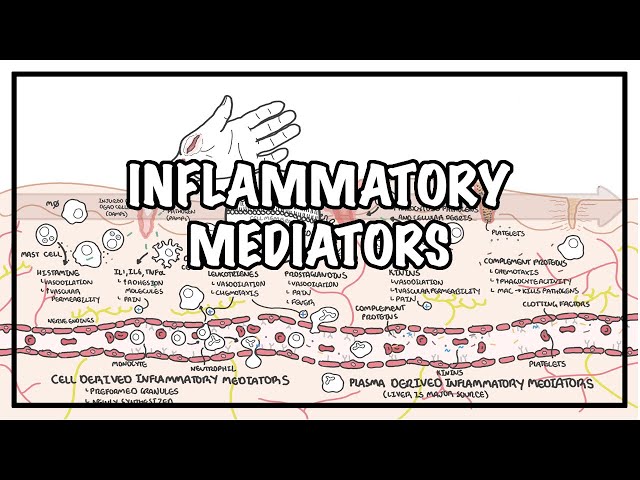
Inflammatory mediators and the inflammatory response
Discover the essential facts about inflammation in this comprehensive video! Learn how your body’s natural defense mechanism works to protect against injury, infection, and illness, and understand the difference between acute and chronic inflammation. We will look at how an injury triggers inflammation and the inflammatory mediators involved.

Eczema (Atopic Dermatitis) Overview
Learn about eczema in this concise overview covering its common symptoms, underlying causes, and typical triggers. The video also discusses diagnosis, treatment options, and tips for long-term skin management.
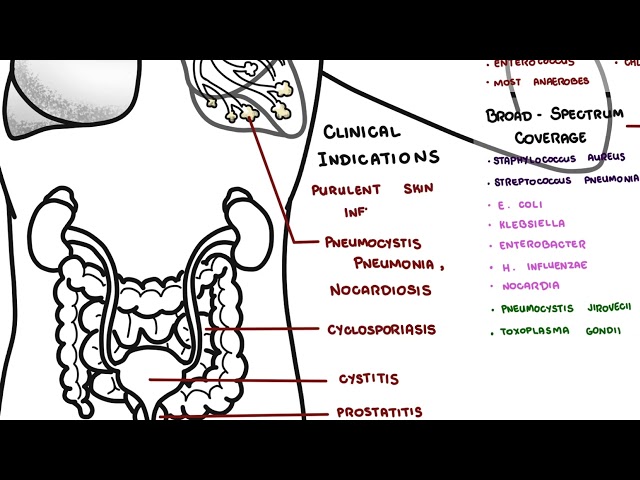
Bactrim (Trimethoprim–Sulfamethoxazole) Explained: Uses, Side Effects, Mechanism of Action
Bactrim (co-trimoxazole) is a fixed-dose combination of trimethoprim and sulfamethoxazole that works through sequential inhibition of bacterial folate synthesis, producing synergistic bactericidal activity and broad-spectrum antimicrobial coverage. This video explains the mechanism of action in detail, including inhibition of dihydropteroate synthase and dihydrofolate reductase, and how disruption of folate metabolism impairs bacterial DNA and RNA…
Our mission
Medical science is complex. Understanding it should feel possible.
Armando Hasudungan turns difficult medical science into clear visual explanations and connected learning experiences—so learners can see the whole picture, remember what matters and find a clearer way forward.
See it clearly
Turn abstract processes and invisible relationships into something the learner can picture.
Connect the pieces
Build understanding around how concepts fit together—not a pile of isolated facts.
Make it useful
Help learners move from explanation to recall, revision and the next logical step.
What clarity feels like
When the topic stops being a blur.
Learners do not come back because the subject became easy. They come back because the explanation gave them a picture they could work with.
“Armando's teaching style gives me the foundational knowledge.
Jessica Payne-Burnett
Medical Student, Charles Sturt University
“The notes I make during his videos help me retain everything better.
Ayesha RaiStudent, Islamabad Medical and Dental College
“The drawings are amazing and super easy to remember.
Reem Mohamed Khair Abdalrazig
Student, Neelain University
Coming soon: the AH study platform
The explanation is only the start.
The free library helps you find a clear explanation. The AH platform is being built to help you connect the resources, follow a clearer path and check what actually stuck.
- Watch in a focused, ad-free study environment.
- Move between connected videos, notes, diagrams and questions.
- Know what belongs next instead of rebuilding the study path yourself.
- Test your understanding while the topic is still fresh.
New and worth a look
Keep building the picture.
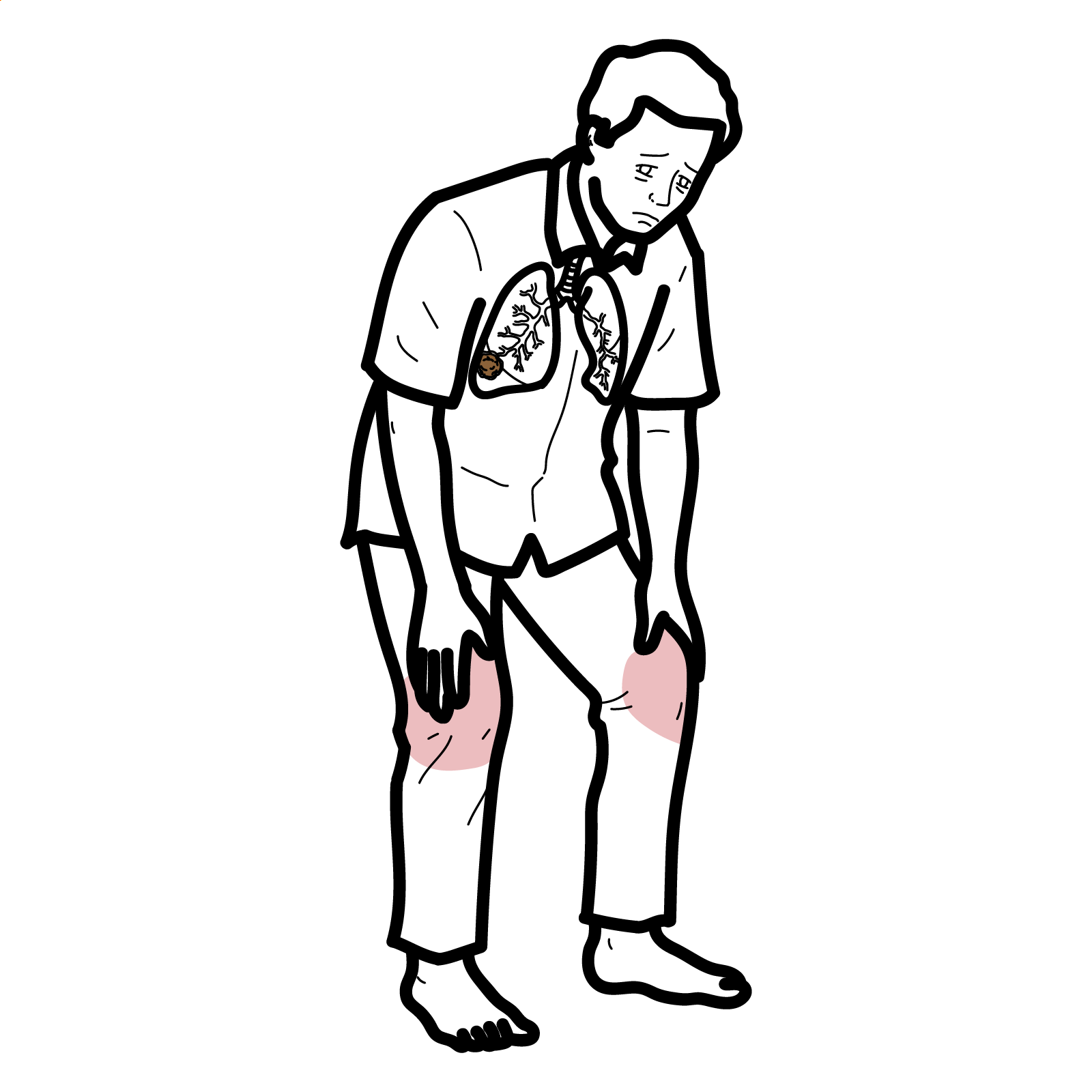
Lambert-Eaton Myasthenic Syndrome
Overview Lambert–Eaton myasthenic syndrome (LEMS) is a rare autoimmune disorder of the presynaptic neuromuscular junction. It causes impaired acetylcholine release, producing the characteristic triad of proximal muscle weakness, reduced reflexes and autonomic dysfunction. LEMS may occur as a paraneoplastic syndrome—most commonly associated with small-cell lung cancer (SCLC)—or as a non-tumour-associated autoimmune disorder. Neuromuscular junction: connection…
View this topic ↗About Visualising Medicine
Good education does not remove complexity. It makes complexity feel simple.
Visualising Medicine is the team behind Armando Hasudungan. We bring together medicine, illustration, writing and technology to make difficult ideas clearer—and build better ways for learners to use them.