

Visual explanationFree resource
Visual medical education by Armando Hasudungan
Medical science, drawn into focus.
Explore visual explanations that reveal how the facts, processes and clinical patterns fit together—then discover the coming AH study platform, built to guide what you study next and check what stuck.
Connected studyComing soon
Clear visual explanations used by medical and allied-health learners around the world.
Explore the free library
Start with the topic in front of you.
Browse by subject or jump straight into the explanation you need. No account required.
Hyperlipidaemia
Overview Hyperlipidaemia is an umbrella term which encompasses genetic and acquired disorders that raise lipid levels within the blood. Hyperlipidaemia does not independently cause clinical symptoms, rather can lead to other disorders that can manifest in possible life-threatening presentations. Most notably, hyperlipidaemia causes atherosclerosis which may lead to cardiovascular, cerebrovascular, and peripheral vascular disease. 1…
View topic ↗ACL Tear
Overview Anterior cruciate ligament (ACL) tear is one of the most common knee injuries, particularly in young athletes involved in pivoting sports (soccer, basketball, skiing). ACL injuries account for ~50% of all knee ligament injuries, with an incidence of ~68 per 100,000 annually, more common in females due to anatomical and biomechanical risk factors. ACL…
View topic ↗Anklylosing Spondylitis (AS)
Overview Ankylosing spondylitis (AS) is a chronic, progressive inflammatory arthritis that primarily affects the axial skeleton, especially the sacroiliac joints and spine. It is a subtype of the seronegative spondyloarthropathies and is characterised by inflammatory back pain, morning stiffness, and eventual spinal fusion in severe cases. AS often presents in young adults, typically males, and…
View topic ↗Delirium
Overview Delirium is a neuropsychiatric syndrome characterized by a disturbance in consciousness and cognition. It typically presents as an acute confusional state , with inattention as its core symptom. Unfortunately, the diagnosis of delirium is often delayed or missed, especially the hypoactive form that is common in older persons. Delirium : Cognitive impairment typically caused…
View topic ↗Schizophrenia
Overview Schizophrenia is a complex syndrome often presenting in late teens/early 20s with positive, negative and cognitive symptoms. Positive symptoms include behaviours and thoughts that are not normally present (psychosis). Negative symptoms include social withdrawal and affective flattening. Finally, cognitive symptoms are expressed as a broad set of cognitive dysfunction. The average lifetime prevalence of…
View topic ↗Complement Deficiencies
Overview Complement deficiencies are rare primary immunodeficiencies resulting from inherited absence or dysfunction of complement proteins, regulators, or receptors. They predispose to recurrent bacterial infections, autoimmune disease (particularly systemic lupus erythematosus–like syndromes), and in some cases angioedema. Complement proteins play a central role in innate immunity by opsonisation, chemotaxis, and direct lysis of pathogens via…
View topic ↗Varicose Veins
Overview Varivose veins (VV) are long, torturous and dilated don't veins of the superficial venous system. There is a spectrum ranging from telangiectasias (dilated interdermal venules less than 1 mm), through to reticular veins (non-palpable subdermal veins 1–3 mm) to varicose veins (greater than 3 mm). 35% of the general population affected. The venous system of…
View topic ↗Full resource library
Browse all topics ↗Choose how you learn
One idea. More than one way to see it.
Use the format that helps the topic click, then switch formats when you need to reinforce it.
01 / WATCH02 / READ03 / SEE04 / CHECK
Videos
Hand-drawn explanations that build the big picture as the concept unfolds.
Notes
Clear written explanations for review, reference and filling in the details.
Diagrams
Visual snapshots that help you easily review topics.
Questions
Test whether the explanation stayed with you—not just whether it looked familiar.
Good places to begin
Explanations learners return to.
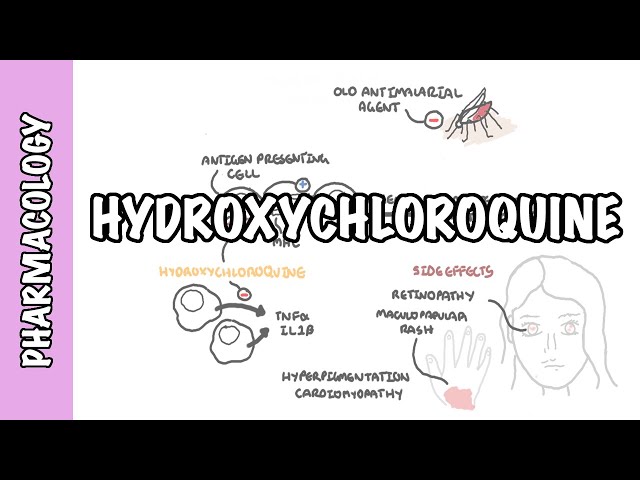
Hydroxychloroquine – Pharmacology and mechanism of action
Hydroxychloroquine explained: how this disease-modifying antirheumatic drug (DMARD) treats autoimmune conditions and why it’s first-line for systemic lupus erythematosus. Hydroxychloroquine (plaquenil) is an antimalarial with powerful immunomodulatory effects used in SLE, rheumatoid arthritis, and juvenile inflammatory arthritis; it lowers mortality and reduces the risk of lupus nephritis by blocking antigen processing, T-cell activation, and autoantibody…
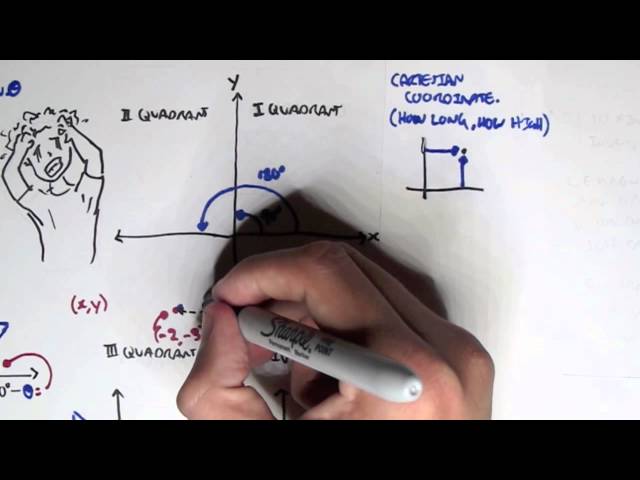
Physics Revision – Trigonometery II
Strengthen your understanding of trigonometry in physics with this video covering advanced applications like vector resolution, angle calculations, and wave analysis. Ideal for exam prep, this lesson reinforces how sine, cosine, and tangent are used to solve real-world physics problems.
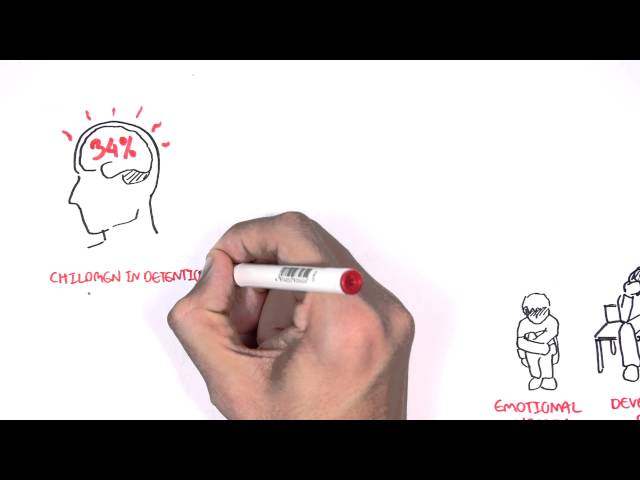
Global Hands – Children in Immigration Detention
Explore the human rights issues surrounding children in immigration detention, focusing on their mental health, legal protections, and global advocacy efforts. This video sheds light on the urgent need for humane policies and child-centered approaches worldwide.
Our mission
Medical science is complex. Understanding it should feel possible.
Armando Hasudungan turns difficult medical science into clear visual explanations and connected learning experiences—so learners can see the whole picture, remember what matters and find a clearer way forward.
See it clearly
Turn abstract processes and invisible relationships into something the learner can picture.
Connect the pieces
Build understanding around how concepts fit together—not a pile of isolated facts.
Make it useful
Help learners move from explanation to recall, revision and the next logical step.
What clarity feels like
When the topic stops being a blur.
Learners do not come back because the subject became easy. They come back because the explanation gave them a picture they could work with.
“Armando's teaching style gives me the foundational knowledge.
Jessica Payne-Burnett
Medical Student, Charles Sturt University
“The notes I make during his videos help me retain everything better.
Ayesha RaiStudent, Islamabad Medical and Dental College
“The drawings are amazing and super easy to remember.
Reem Mohamed Khair Abdalrazig
Student, Neelain University
Coming soon: the AH study platform
The explanation is only the start.
The free library helps you find a clear explanation. The AH platform is being built to help you connect the resources, follow a clearer path and check what actually stuck.
- Watch in a focused, ad-free study environment.
- Move between connected videos, notes, diagrams and questions.
- Know what belongs next instead of rebuilding the study path yourself.
- Test your understanding while the topic is still fresh.
New and worth a look
Keep building the picture.
Lambert-Eaton Myasthenic Syndrome
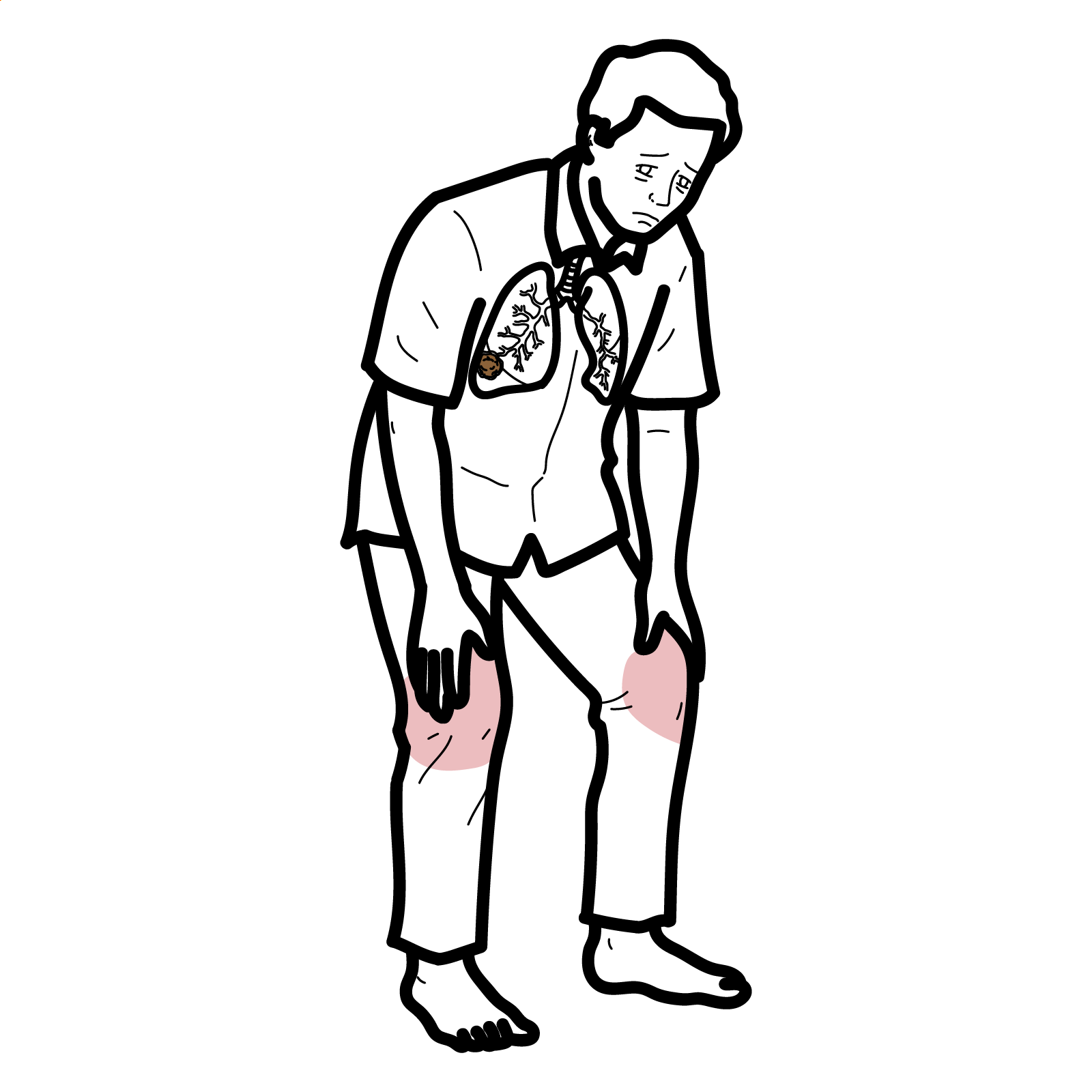
Overview Lambert–Eaton myasthenic syndrome (LEMS) is a rare autoimmune disorder of the presynaptic neuromuscular junction. It causes impaired acetylcholine release, producing the characteristic triad of proximal muscle weakness, reduced reflexes and autonomic dysfunction. LEMS may occur as a paraneoplastic syndrome—most commonly associated with small-cell lung cancer (SCLC)—or as a non-tumour-associated autoimmune disorder. Neuromuscular junction: connection…
View this topic ↗About Visualising Medicine
Good education does not remove complexity. It makes complexity feel simple.
Visualising Medicine is the team behind Armando Hasudungan. We bring together medicine, illustration, writing and technology to make difficult ideas clearer—and build better ways for learners to use them.