

Visual explanationFree resource
Visual medical education by Armando Hasudungan
Medical science, drawn into focus.
Explore visual explanations that reveal how the facts, processes and clinical patterns fit together—then discover the coming AH study platform, built to guide what you study next and check what stuck.
Connected studyComing soon
Clear visual explanations used by medical and allied-health learners around the world.
Explore the free library
Start with the topic in front of you.
Browse by subject or jump straight into the explanation you need. No account required.
Resuscitation of Newborn
Overview The successful transition from intrauterine to extrauterine life is dependent upon significant physiologic changes that occur at birth. Successful transition – 90% Need some intervention – 10% Require extensive resuscitative measures - 1% High-risk delivery Infants who are more likely to require resuscitation can be identified by the presence of one or more of…
View topic ↗Wiskott–Aldrich Syndrome
Overview Wiskott–Aldrich syndrome is a rare X-linked recessive primary immunodeficiency caused by mutations in the WAS gene, leading to defective actin cytoskeleton regulation in hematopoietic cells. It presents with the triad of eczema, recurrent infections, and thrombocytopenia with small platelets. Patients are prone to autoimmunity and malignancy. Incidence is ~1 in 100,000 live male births.…
View topic ↗Leukocyte Adhesion Deficiency
Overview Leukocyte adhesion deficiency (LAD) is a rare primary immunodeficiency characterised by recurrent bacterial and fungal infections, impaired wound healing, and absence of pus formation due to defective leukocyte adhesion and migration. It results from genetic defects in leukocyte integrins or signalling pathways, preventing neutrophil extravasation from blood vessels into tissues. LAD has an estimated…
View topic ↗Tonsilitis
Overview Tonsillitis is inflammation or infection of the tonsils. Tonsils are lymphoid tissues that are situated on both side of the throat. Generally, the palatine tonsil are referred to as "the tonsils". Tonsils: Collections of lymphoid tissue at the entrance to the pharynx, on either side of the uvula (the palatine tonsils). There are also…
View topic ↗Congenital Heart Defect
Overview Congenital heart disease (CHD) is the most common congenital disorder in newborns. Classification Acyanotic and Cyanotic Pulmonary blood flow Increased Decreased Normal Cyanotic (T's) Acynotic (D's) T etralogy of Fallot AS D T ransposition of the great vessles VS D T ricuspid atresia AVS D T runcus arteriosus Patent D uctus Arteriosus Other:…
View topic ↗Anorexia Nervosa
“ To lose confidence in one’s body is to lose confidence in oneself .” ― Simone de Beauvoir " Every woman knows that, regardless of all her other achievements, she is a failure if she is not beautiful ." – Germaine Greer Overview Eating disorders have traditionally been classified into two well-established categories. They are…
View topic ↗Scarlatina (Scarlet Fever)
View topic ↗Full resource library
Browse all topics ↗Choose how you learn
One idea. More than one way to see it.
Use the format that helps the topic click, then switch formats when you need to reinforce it.
01 / WATCH02 / READ03 / SEE04 / CHECK
Videos
Hand-drawn explanations that build the big picture as the concept unfolds.
Notes
Clear written explanations for review, reference and filling in the details.
Diagrams
Visual snapshots that help you easily review topics.
Questions
Test whether the explanation stayed with you—not just whether it looked familiar.
Good places to begin
Explanations learners return to.
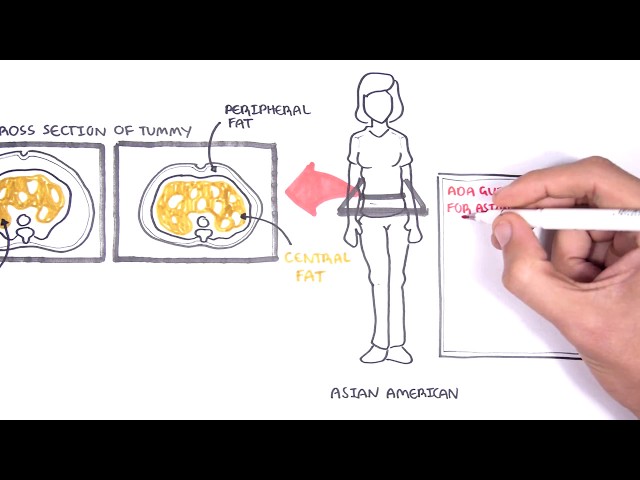
ADA New Diabetes Screening Guidelines
Discover the latest ADA 2025 diabetes screening guidelines, including expanded recommendations for continuous glucose monitoring in type 2 diabetes and new antibody-based screening for presymptomatic type 1 diabetes. This video highlights updated strategies for medication management, lifestyle interventions, and risk assessment tools based on the recently released Standards of Care.
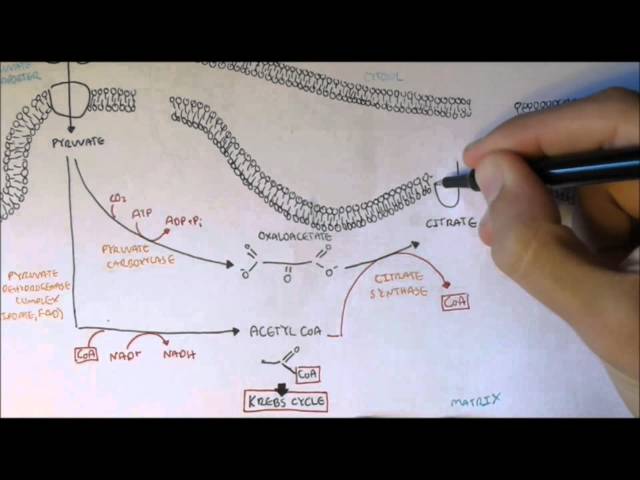
Human Metabolism Map IV – Acetyl Coa Transport
Explore the role of Acetyl-CoA Transport in cellular metabolism with this video from the Human Metabolism Map series. Learn how Acetyl-CoA moves across compartments to support fatty acid synthesis and energy production—essential for biochemistry exams and clinical understanding.
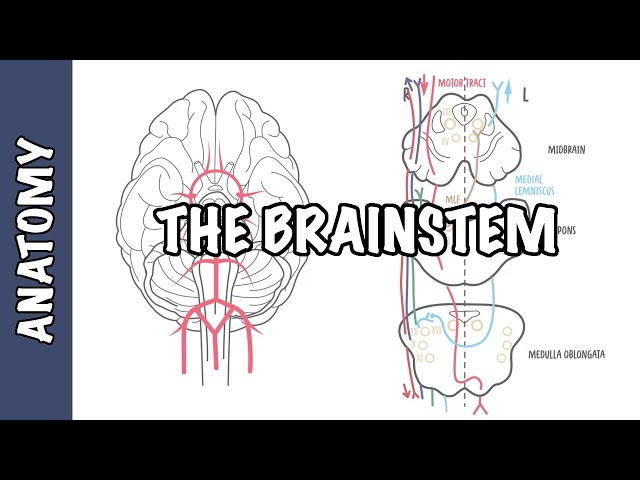
The Brainstem Clinical Anatomy – Rule of 4's, midbrain, medulla, pons
Learn the clinical anatomy of the brainstem using the Rule of 4’s to simplify the organization of key cranial nerve nuclei and tracts. This video breaks down the structures and functions of the midbrain, pons, and medulla, and explains how lesions at each level present clinically.
Our mission
Medical science is complex. Understanding it should feel possible.
Armando Hasudungan turns difficult medical science into clear visual explanations and connected learning experiences—so learners can see the whole picture, remember what matters and find a clearer way forward.
See it clearly
Turn abstract processes and invisible relationships into something the learner can picture.
Connect the pieces
Build understanding around how concepts fit together—not a pile of isolated facts.
Make it useful
Help learners move from explanation to recall, revision and the next logical step.
What clarity feels like
When the topic stops being a blur.
Learners do not come back because the subject became easy. They come back because the explanation gave them a picture they could work with.
“Armando's teaching style gives me the foundational knowledge.
Jessica Payne-Burnett
Medical Student, Charles Sturt University
“The notes I make during his videos help me retain everything better.
Ayesha RaiStudent, Islamabad Medical and Dental College
“The drawings are amazing and super easy to remember.
Reem Mohamed Khair Abdalrazig
Student, Neelain University
Coming soon: the AH study platform
The explanation is only the start.
The free library helps you find a clear explanation. The AH platform is being built to help you connect the resources, follow a clearer path and check what actually stuck.
- Watch in a focused, ad-free study environment.
- Move between connected videos, notes, diagrams and questions.
- Know what belongs next instead of rebuilding the study path yourself.
- Test your understanding while the topic is still fresh.
New and worth a look
Keep building the picture.
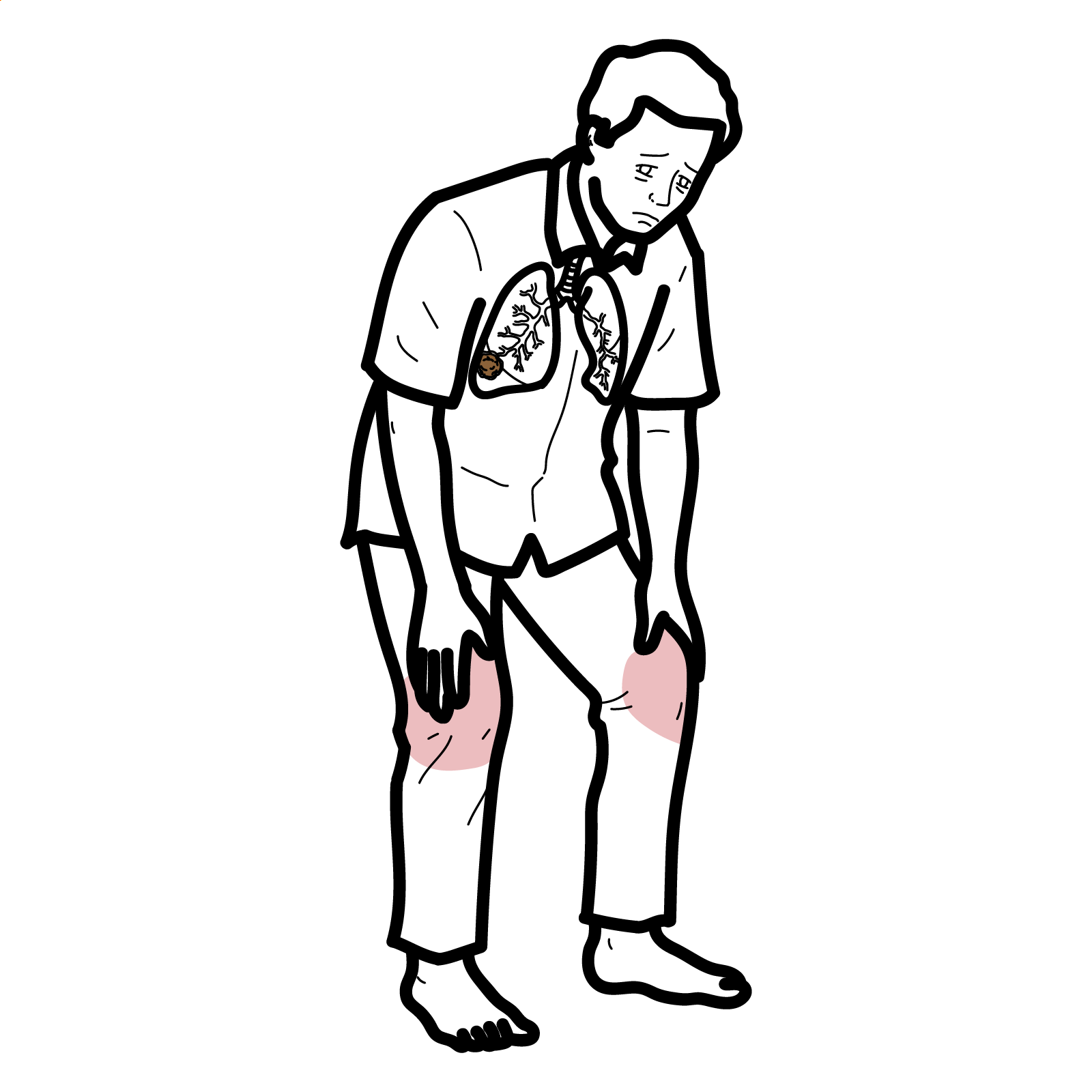
Lambert-Eaton Myasthenic Syndrome
Overview Lambert–Eaton myasthenic syndrome (LEMS) is a rare autoimmune disorder of the presynaptic neuromuscular junction. It causes impaired acetylcholine release, producing the characteristic triad of proximal muscle weakness, reduced reflexes and autonomic dysfunction. LEMS may occur as a paraneoplastic syndrome—most commonly associated with small-cell lung cancer (SCLC)—or as a non-tumour-associated autoimmune disorder. Neuromuscular junction: connection…
View this topic ↗About Visualising Medicine
Good education does not remove complexity. It makes complexity feel simple.
Visualising Medicine is the team behind Armando Hasudungan. We bring together medicine, illustration, writing and technology to make difficult ideas clearer—and build better ways for learners to use them.