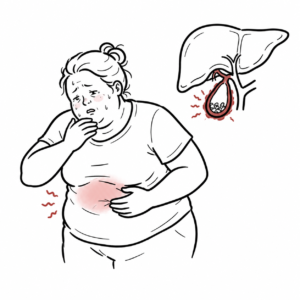
Pyrexia, commonly known as fever, is defined as an elevation of body temperature above the normal range, typically exceeding 38°C (100.4°F) due to a regulated increase in the hypothalamic set point. It is clinically significant as it often indicates an underlying infection or inflammatory process, guiding diagnostic and therapeutic decisions. A key association is with infections such as pneumonia, where persistent pyrexia can signal disease severity or complications like sepsis.