Osgood-Schlatter Disease: Teen Knee Pain Explained—Causes, Treatment & Exercises
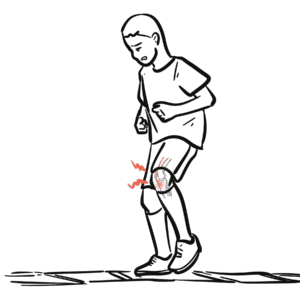
Osgood-Schlatter disease causes painful swelling just below the knee where the patellar tendon attaches to the tibia, especially in adolescents during growth spurts. This video explains Osgood-Schlatter anatomy, symptoms, diagnosis, and practical treatment strategies to help young athletes recover faster.
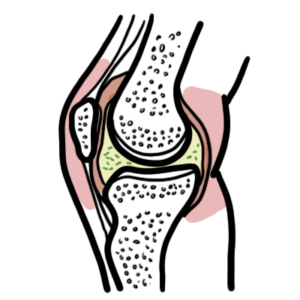
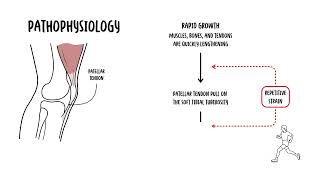
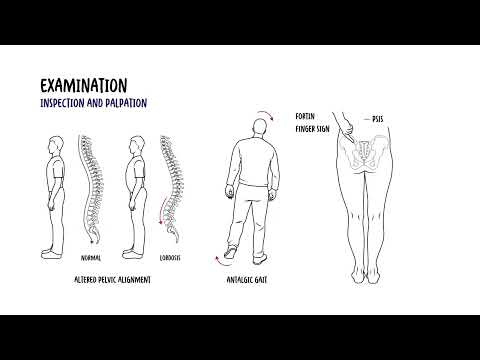
You’ll learn how the quadriceps, patella, patellar tendon, and tibial tuberosity interact and why rapid bone growth plus repetitive running, jumping, or direction changes cause inflammation, tenderness, and sometimes a visible bony bump. The video covers hallmark signs—activity-related pain that improves with rest, focal swelling, and pain with squatting or jumping—and differentiates Osgood-Schlatter from patellar tendinitis, quadriceps tendinitis, bursitis, and other knee conditions. Viewers get clear guidance on clinical diagnosis and when X-rays may be useful to rule out fractures or tuberosity fragmentation.
Most importantly, the video emphasizes effective, conservative management: activity modification, targeted stretching and strengthening exercises, icing, NSAIDs for symptom control, and patellar tendon straps to redistribute pressure. Expect timelines, what to expect during recovery, and when to consider specialist referral or rare surgical options for persistent ossicle problems. Practical tips make it easy for parents, coaches, and young athletes to reduce pain while maintaining safe activity levels.
Watch to understand causes, spot symptoms early, and apply evidence-based rehab and protection strategies so adolescents can recover fully without long-term knee problems. Subscribe for more sports medicine insights and practical injury-prevention tips.

Notes Articles