

Visual explanationFree resource
Visual medical education by Armando Hasudungan
Medical science, drawn into focus.
Explore visual explanations that reveal how the facts, processes and clinical patterns fit together—then discover the coming AH study platform, built to guide what you study next and check what stuck.
Connected studyComing soon
Clear visual explanations used by medical and allied-health learners around the world.
Explore the free library
Start with the topic in front of you.
Browse by subject or jump straight into the explanation you need. No account required.
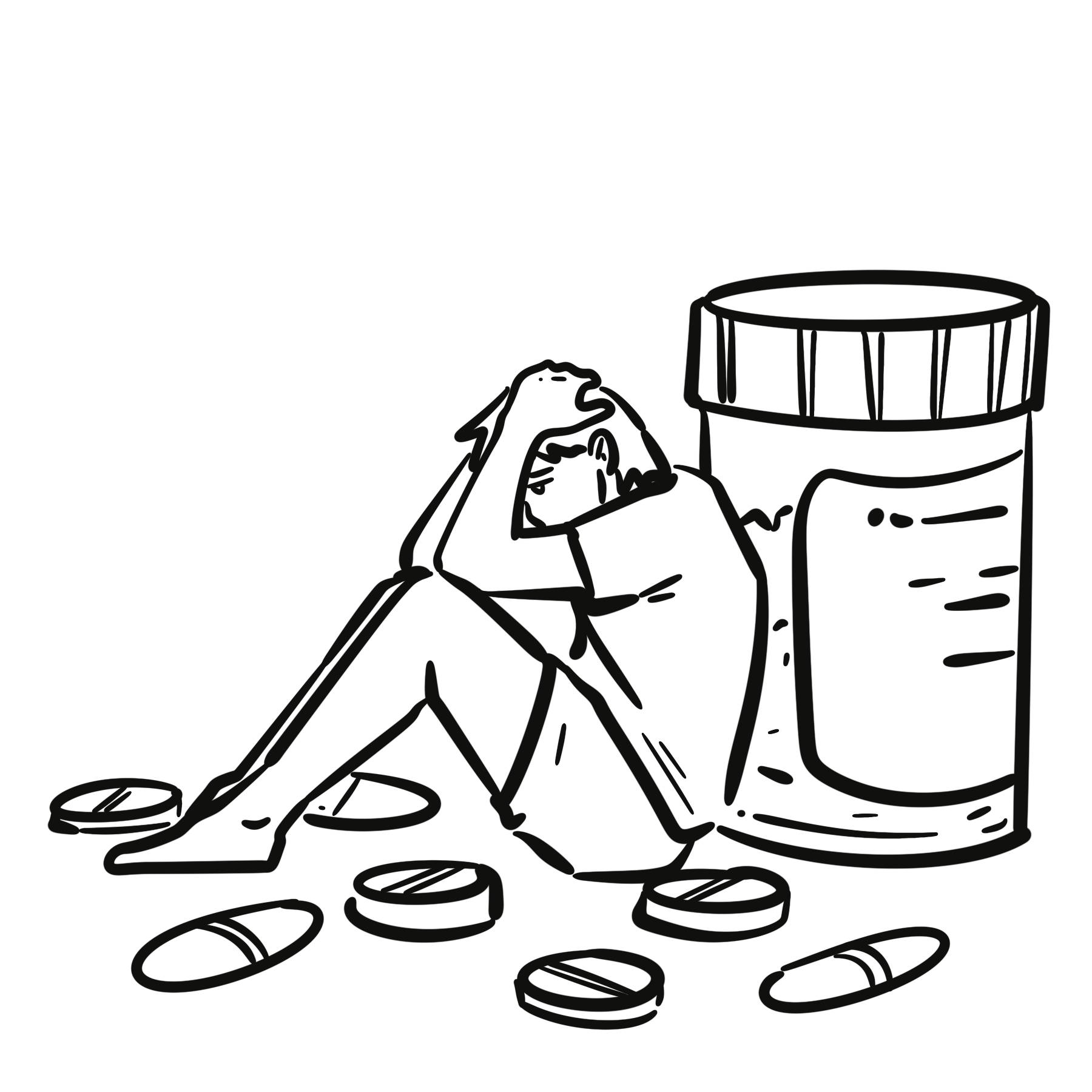
Substance Dependence (Addiction), Withdrawal and Overdose
Overview of addition medicine. This section is a brief introduction to substance abuse, followed by section that look at specific drugs of addiction. Substance Misuse: Consumption above designated low risk levels Substance Abuse: repetitive substance use resulting in social complications (financial, occupational and legal) Substance Tolerance: Defined by either of the following: a need for…
View topic ↗
Ectopic Pregnancy
Overview Ectopic Pregnancy: A pregnancy in which the fetus develops outside the womb, typically in a fallopian tube. Amenorrhoea: Absence of mentruation. Laproscopy: A surgical procedure in which a fibre-optic instrument is inserted through the abdominal wall to view the organs in the abdomen or permit small-scale surgery. Laparotomy: A surgical incision into the abdominal cavity, for diagnosis…
View topic ↗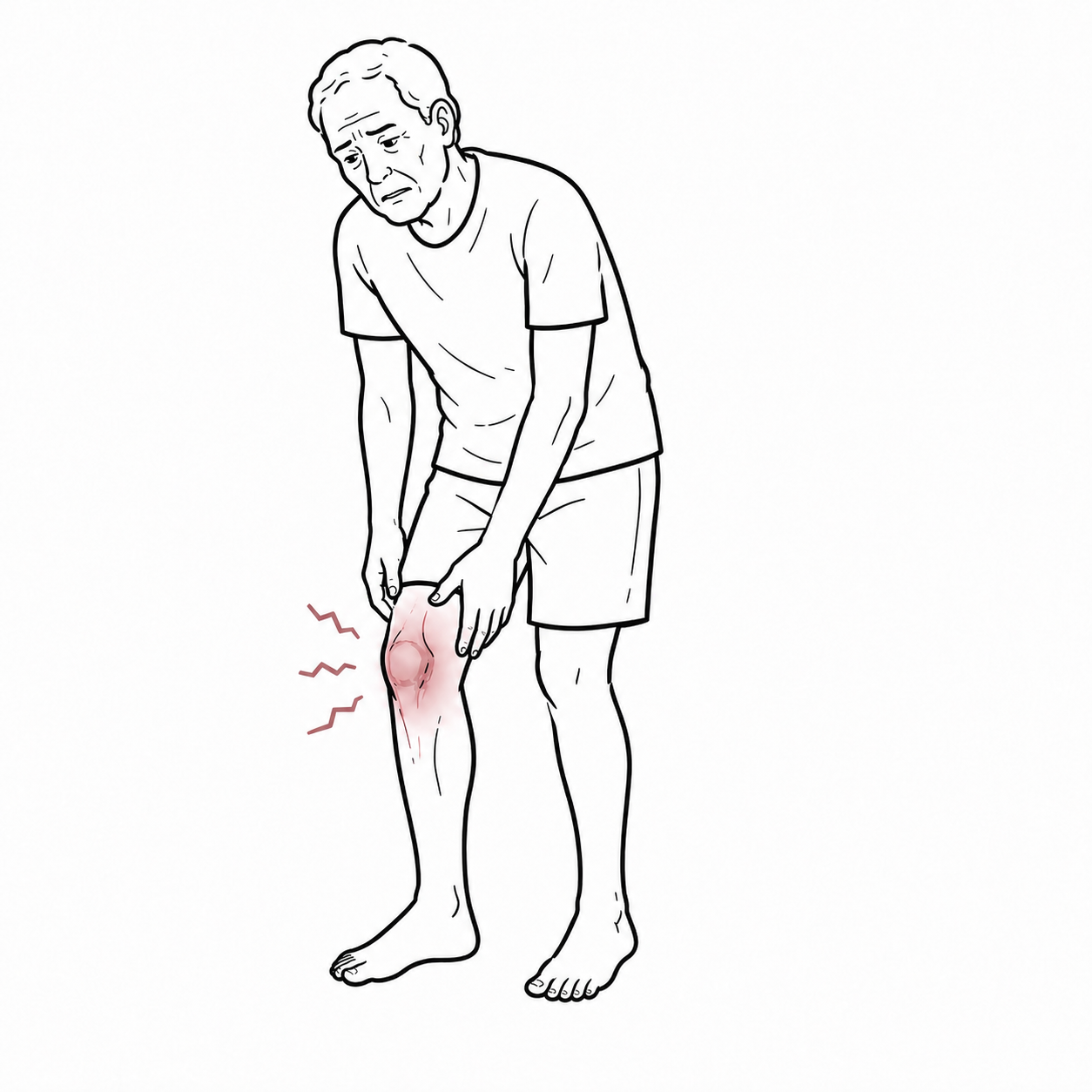
Knee Osteoarthritis (KOA)
Overview Knee osteoarthritis is a chronic, whole-joint disorder characterized by pain, stiffness, functional limitation and progressive structural change affecting cartilage, subchondral bone, synovium, menisci, ligaments and peri-articular muscles. Prevalence rises with age and obesity and contributes substantially to global disability; recent GBD analyses and reviews highlight knee OA as a leading cause of pain and…
View topic ↗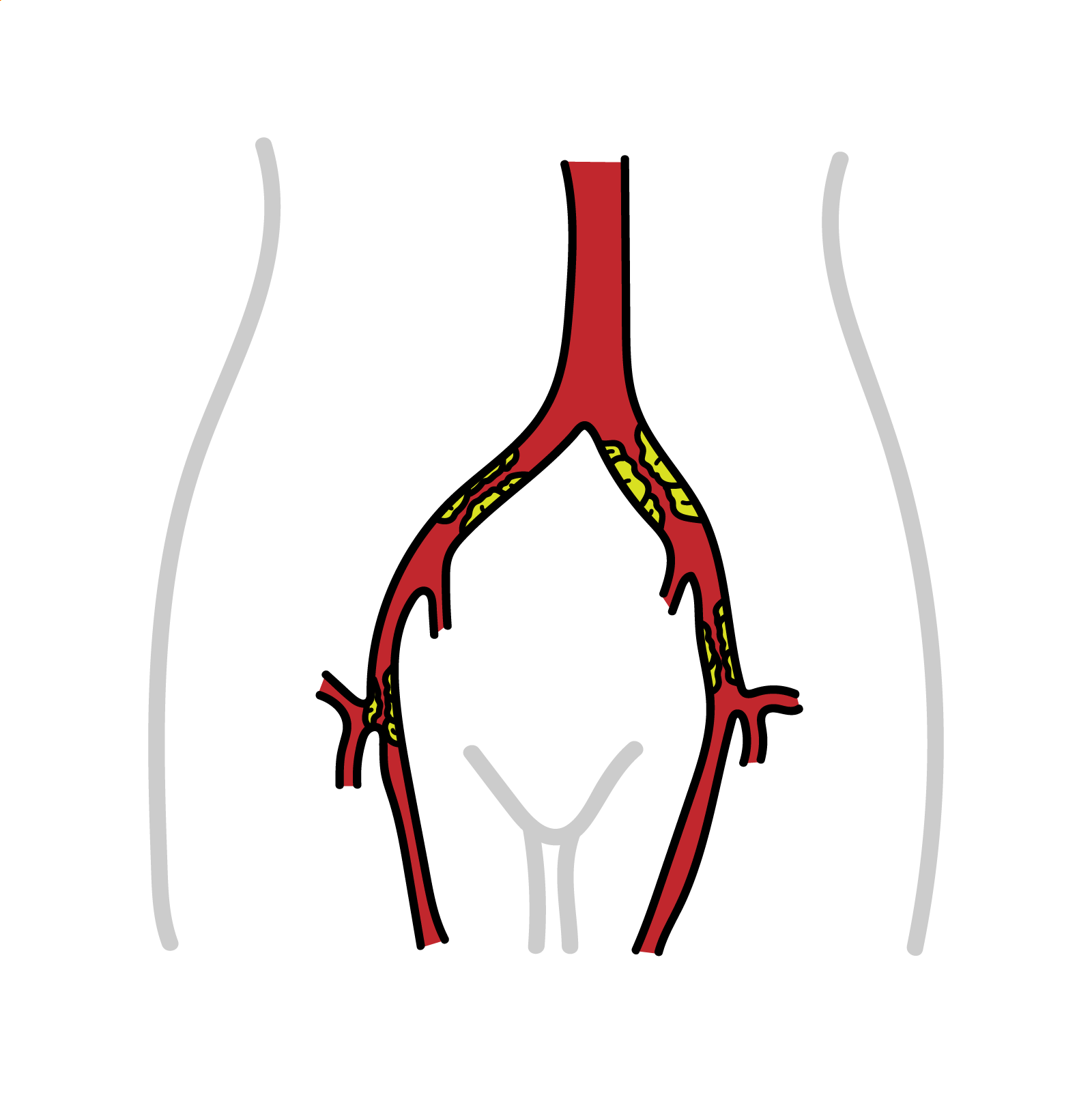
Peripheral Arterial Disease (Chronic Lower Limb Ischaemia)
Overview Peripheral arterial disease (PAD) is most commonly caused by atherosclerotic narrowing or occlusion of the arteries supplying the lower limbs. It may be asymptomatic, produce exertional intermittent claudication, or progress to chronic limb-threatening ischaemia (CLTI) with rest pain, ulceration or gangrene. Acute limb ischaemia (ALI) results from a sudden reduction in limb perfusion and…
View topic ↗
Dupuytren’s Contracture
Overview Dupuytren’s disease is a benign fibroproliferative disorder affecting the palmar fascia. Abnormal collagen deposition produces firm nodules and cords beneath the skin of the palm, which may progressively shorten and pull one or more fingers into flexion. The ring and little fingers are most commonly affected. Contracture usually develops slowly over months or years…
View topic ↗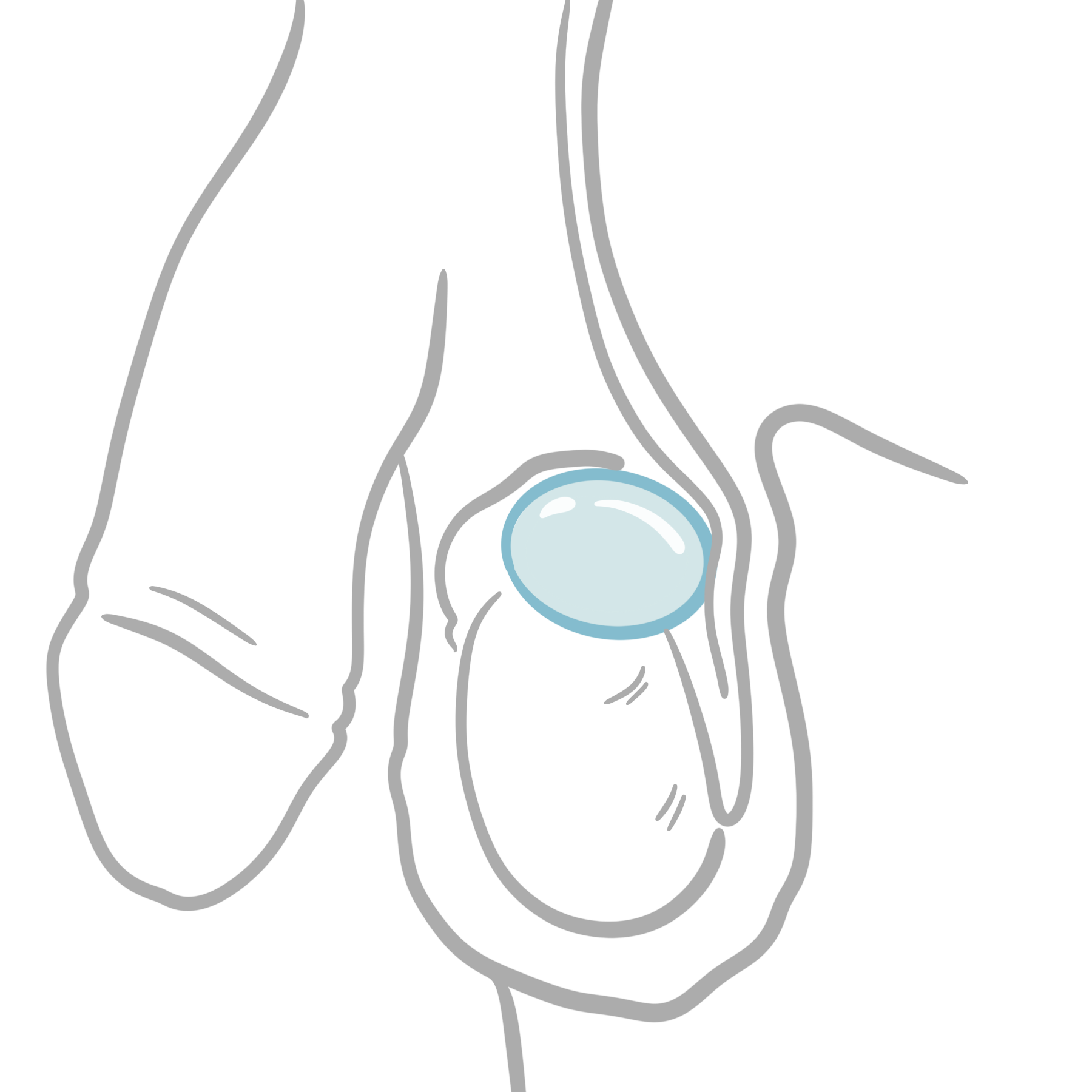
Spermatocele
Overview A spermatocele, or spermatic cyst, is a benign fluid-filled cyst arising from the epididymis, usually near the upper pole of the testis. It commonly contains clear or milky fluid with spermatozoa. Most spermatoceles are painless, discovered incidentally and do not require treatment. Epididymis: coiled structure behind the testis that stores and transports sperm. Spermatocele:…
View topic ↗
Systemic Lupus Erythematosus
Overview Systemic Lupus Erythematosus (SLE) is a chronic, multisystem autoimmune disease characterized by the production of autoantibodies and the deposition of immune complexes in various tissues. It predominantly affects women of childbearing age, with a female-to-male ratio of approximately 9:1. The disease is more prevalent among individuals of African, Asian, and Hispanic descent, and its…
View topic ↗Full resource library
Browse all topics ↗Choose how you learn
One idea. More than one way to see it.
Use the format that helps the topic click, then switch formats when you need to reinforce it.
01 / WATCH02 / READ03 / SEE04 / CHECK
Videos
Hand-drawn explanations that build the big picture as the concept unfolds.
Notes
Clear written explanations for review, reference and filling in the details.
Diagrams
Visual snapshots that help you easily review topics.
Questions
Test whether the explanation stayed with you—not just whether it looked familiar.
Good places to begin
Explanations learners return to.
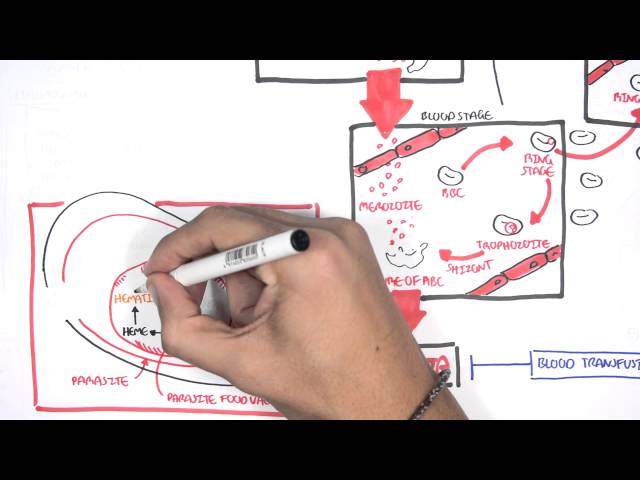
Pharmacology and life cycle – Malaria (Antimalarials, pathophysiology, treatment)
Understand the life cycle of the malaria parasite and how it informs the pharmacology of antimalarial drugs. This video covers pathophysiology, treatment strategies, and drug mechanisms essential for mastering malaria management.
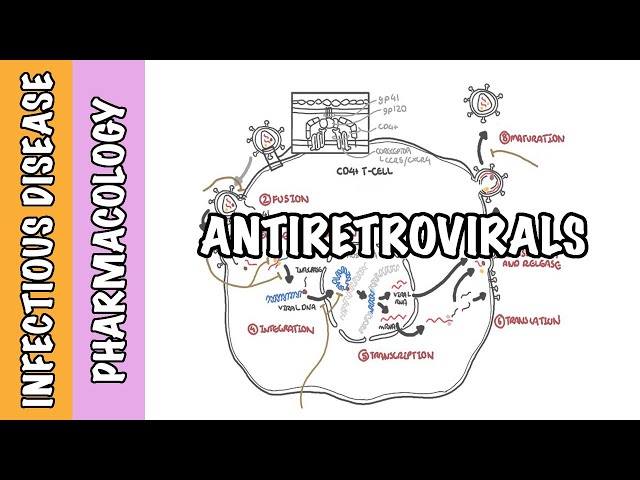
Pharmacology – HIV antiretroviral drugs (classes, mechanism of action and side effects)
Explore the major classes of HIV antiretroviral drugs, including their mechanisms of action in targeting different stages of the viral life cycle. This video also highlights common side effects, clinical uses, and the role of combination therapy in effective HIV management.
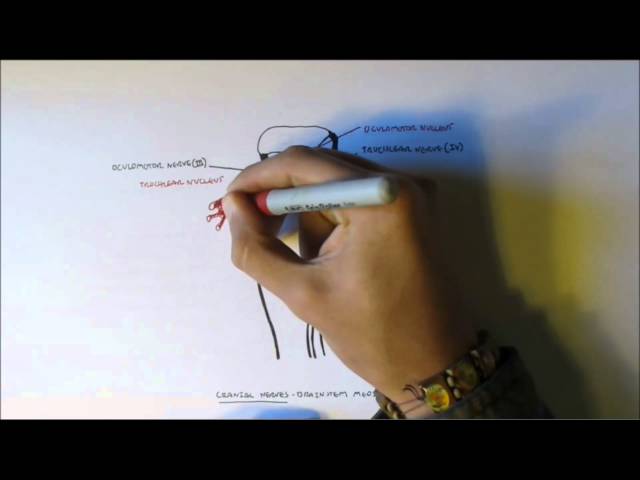
Neuroanatomy – Cranial Nerves
Master the Cranial Nerves in this neuroanatomy video, covering all 12 nerves, their functions, and clinical relevance. Perfect for exams and practical review, this video breaks down origin, pathways, and key deficits associated with each cranial nerve.
Our mission
Medical science is complex. Understanding it should feel possible.
Armando Hasudungan turns difficult medical science into clear visual explanations and connected learning experiences—so learners can see the whole picture, remember what matters and find a clearer way forward.

See it clearly
Turn abstract processes and invisible relationships into something the learner can picture.
Connect the pieces
Build understanding around how concepts fit together—not a pile of isolated facts.
Make it useful
Help learners move from explanation to recall, revision and the next logical step.
What clarity feels like
When the topic stops being a blur.
Learners do not come back because the subject became easy. They come back because the explanation gave them a picture they could work with.
“Armando's teaching style gives me the foundational knowledge.
Jessica Payne-Burnett
Medical Student, Charles Sturt University
“The notes I make during his videos help me retain everything better.
Ayesha RaiStudent, Islamabad Medical and Dental College
“The drawings are amazing and super easy to remember.
Reem Mohamed Khair Abdalrazig
Student, Neelain University
Coming soon: the AH study platform
The explanation is only the start.
The free library helps you find a clear explanation. The AH platform is being built to help you connect the resources, follow a clearer path and check what actually stuck.
- Watch in a focused, ad-free study environment.
- Move between connected videos, notes, diagrams and questions.
- Know what belongs next instead of rebuilding the study path yourself.
- Test your understanding while the topic is still fresh.
New and worth a look
Keep building the picture.
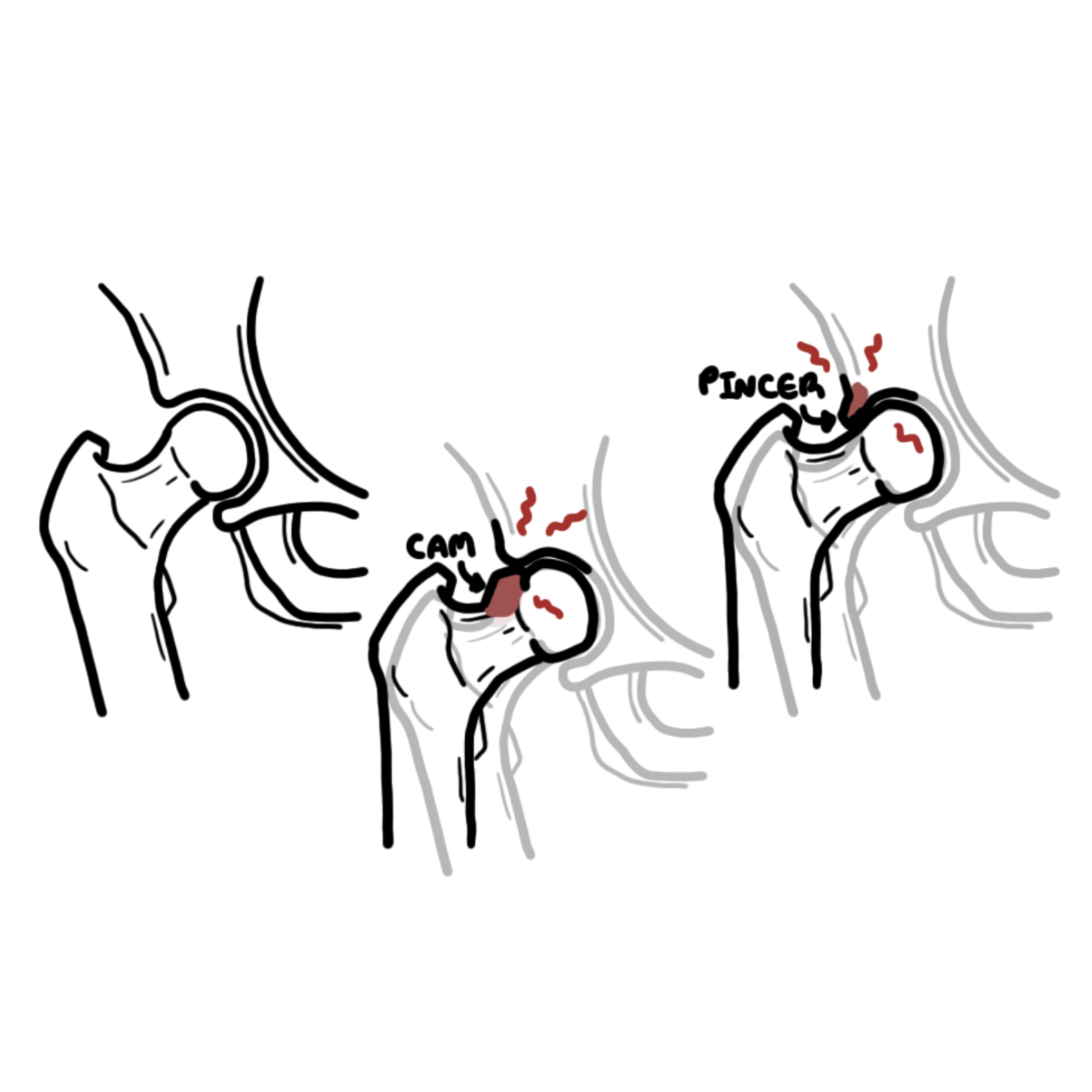
Femoroacetabular Impingement Syndrome
Overview Femoroacetabular impingement syndrome (FAIS) is a motion-related clinical disorder of the hip in which symptoms and clinical signs occur in association with characteristic femoral and/or acetabular morphology. The accepted diagnostic concept is a triad of symptoms, clinical signs and imaging findings ; bone morphology alone does not establish the syndrome. Patients commonly present with…
View this topic ↗Deep Neck Infection Causes, specific syndromes and symptoms, Complications & TreatmentExtensor Tendon Anatomy & Injuries Explained | Zones, Clinical features and examinationApoptosis – internal and external pathwaysMCL Knee Tear Explained Symptoms, Grades and TreatmentPharmacodynamics Explained Agonists, Antagonists, Efficacy & AffinityFlexor Tendon Injury & Anatomy Explained Zones, Anatomy, Diagnosis & Treatment
About Visualising Medicine
Good education does not remove complexity. It makes complexity feel simple.
Visualising Medicine is the team behind Armando Hasudungan. We bring together medicine, illustration, writing and technology to make difficult ideas clearer—and build better ways for learners to use them.