

Visual explanationFree resource
Visual medical education by Armando Hasudungan
Medical science, drawn into focus.
Explore visual explanations that reveal how the facts, processes and clinical patterns fit together—then discover the coming AH study platform, built to guide what you study next and check what stuck.
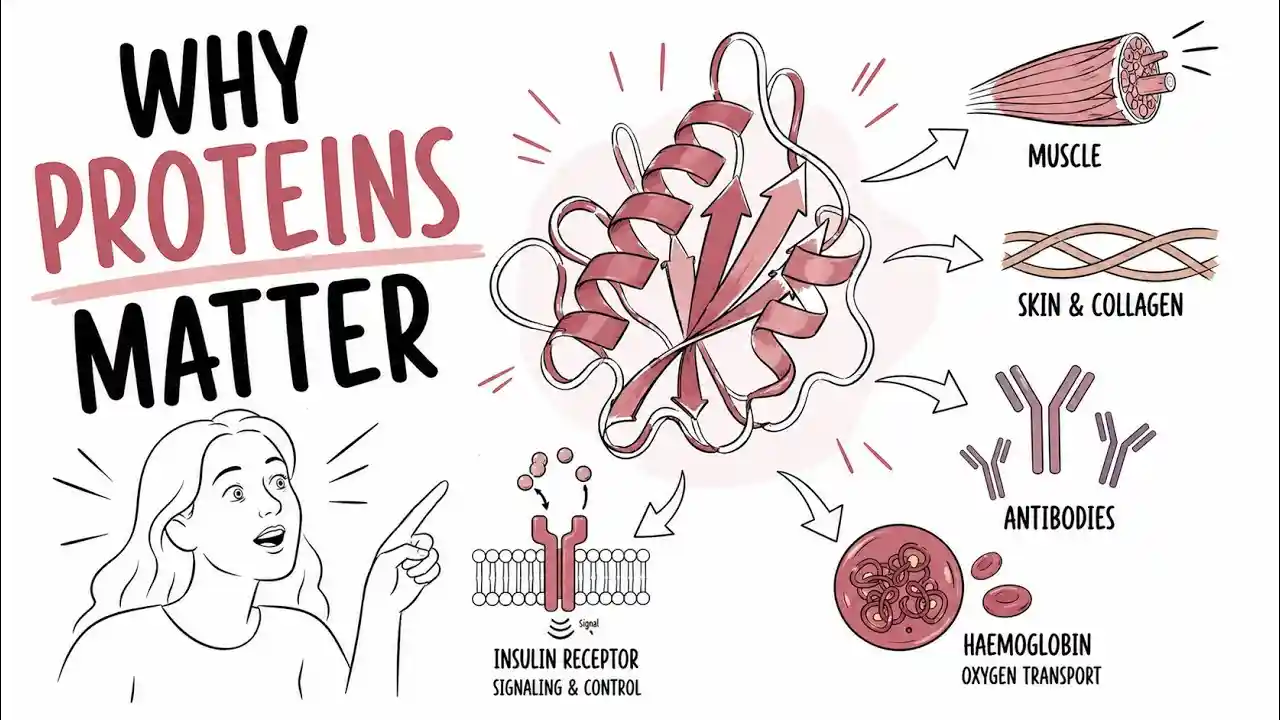
Connected studyComing soon
Clear visual explanations used by medical and allied-health learners around the world.
Explore the free library
Start with the topic in front of you.
Browse by subject or jump straight into the explanation you need. No account required.
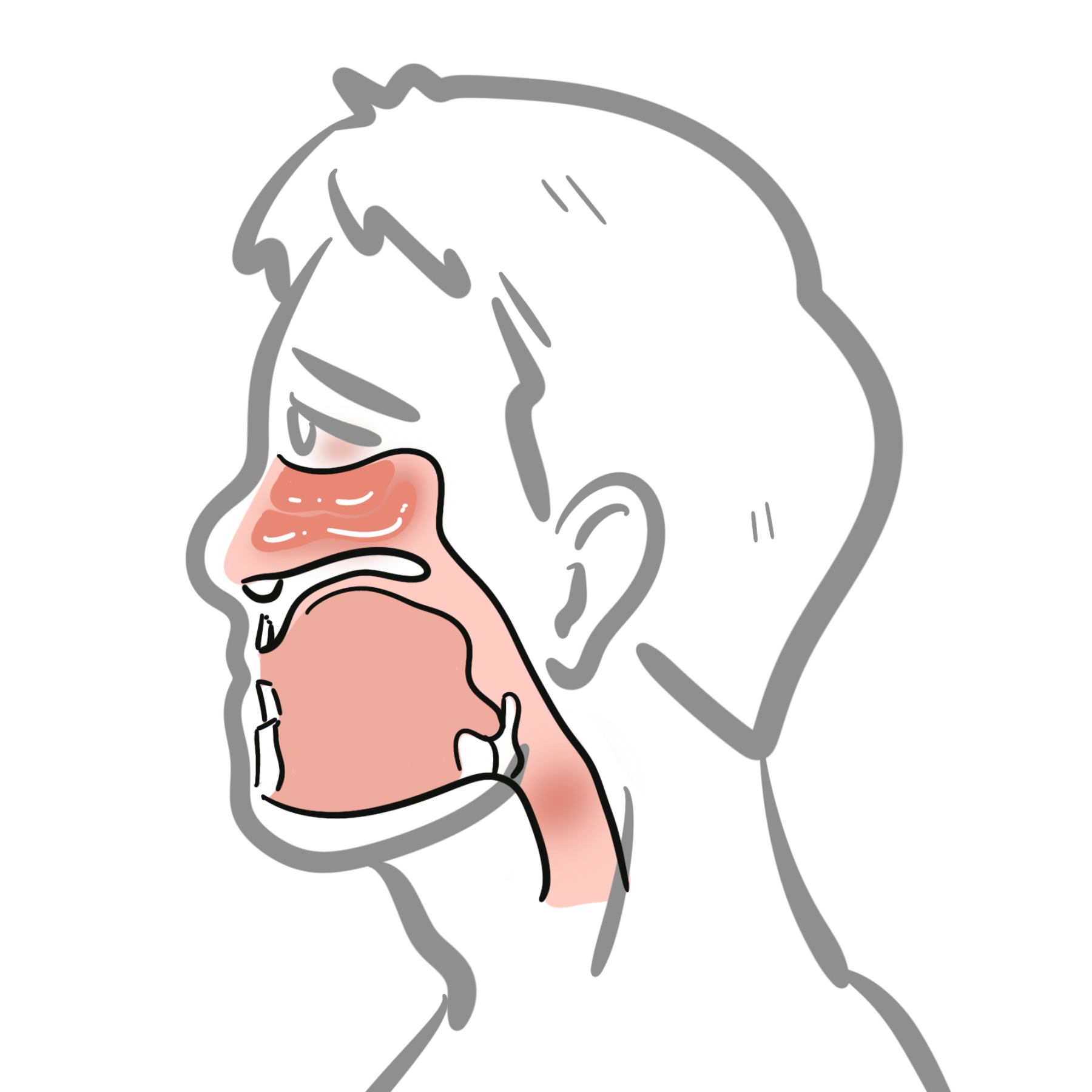
Allergic Rhinitis
Overview Allergic rhinitis is an immunoglobulin E-mediated inflammatory disorder of the nasal mucosa caused by exposure to an aeroallergen. It typically presents with sneezing, nasal itching, clear rhinorrhoea and nasal obstruction , often accompanied by allergic conjunctivitis. 1 Allergic rhinitis is the most common allergic disorder in Australia and New Zealand. In the 2022–2023 Australian…
View topic ↗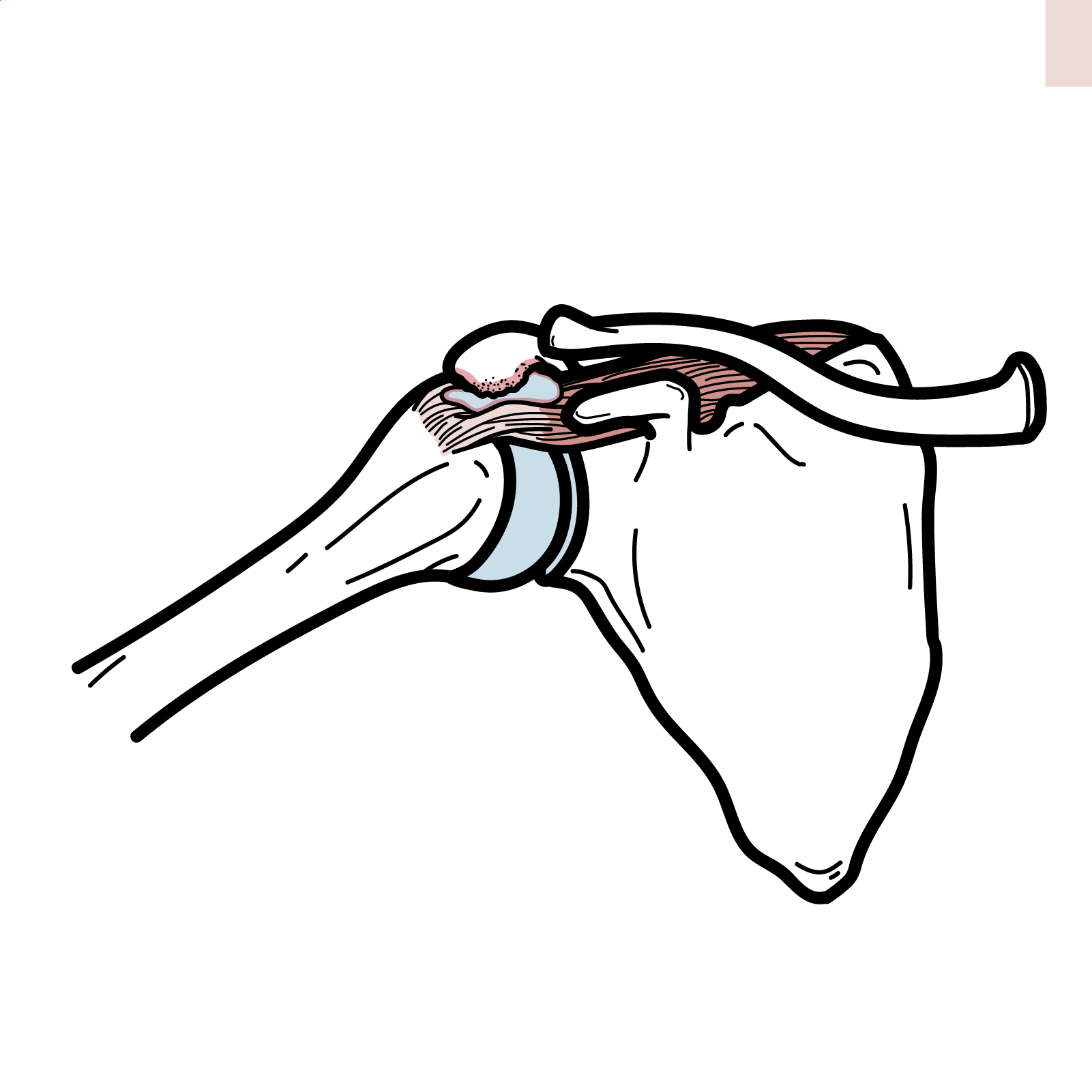
Shoulder Impingement Syndrome (Subacromial Pain Syndrome)
Overview Shoulder impingement syndrome, now more commonly referred to as subacromial pain syndrome (SAPS) , is one of the most frequent causes of shoulder pain. It accounts for ~40–65% of shoulder complaints in primary care and sports medicine settings. It occurs due to mechanical compression of the rotator cuff tendons (most commonly supraspinatus) and subacromial…
View topic ↗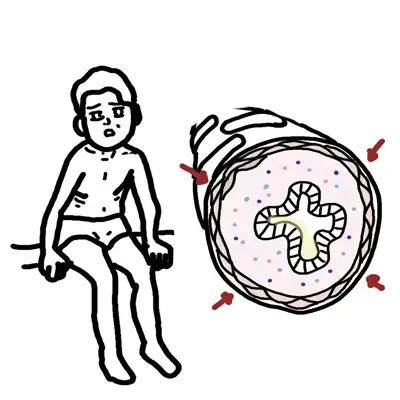
Asthma in Emergency
Introduction Most asthma deaths occur outside hospital and are: In patients with chronic severe disease In those receiving inadequate medical treatment In those who have been symptomatically deteriorating, and may have already sought medical help Associated with adverse behavioural and psychological factors Asthma Assessment Assess severity and start bronchodilators! Mild-Moderate (maybe admitted to hospital or…
View topic ↗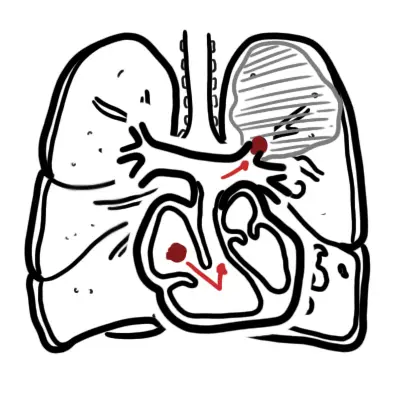
Pulmonary Embolism
Overview Pulmonary embolism occurs most often from a dislodged thrombus from the lower limb (DVT). The embolus travels towards the lung and becomes lodged in the pulmonary artery resulting in infarction of the lung tissue. Pulmonary Embolism: Deep Vein Thrombosis (DVT): Blood clot in the deep venous system that usually affects the lower extremities or…
View topic ↗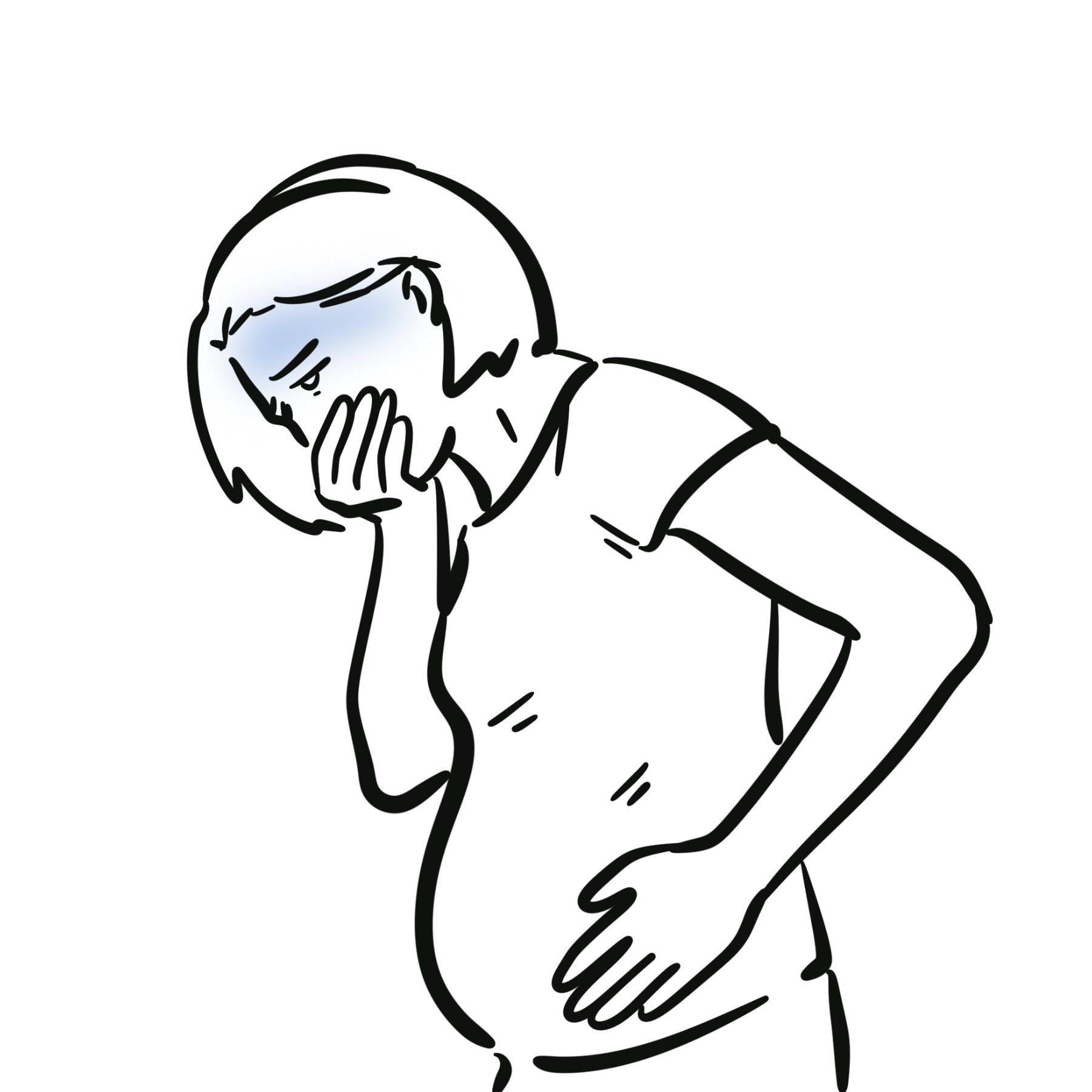
Hyperemesis Gravidarum
Overview Hyperemesis gravidarum (HG) exists on a spectrum of nausea and vomiting in pregnancy (NVP). NVP refers to symptoms of nausea, vomiting or dry retching commencing in the first trimester, with no other cause identified. 1 HG refers to severe, persistent vomiting that may result in malnutrition, dehydration, weight loss and debility due to illness.…
View topic ↗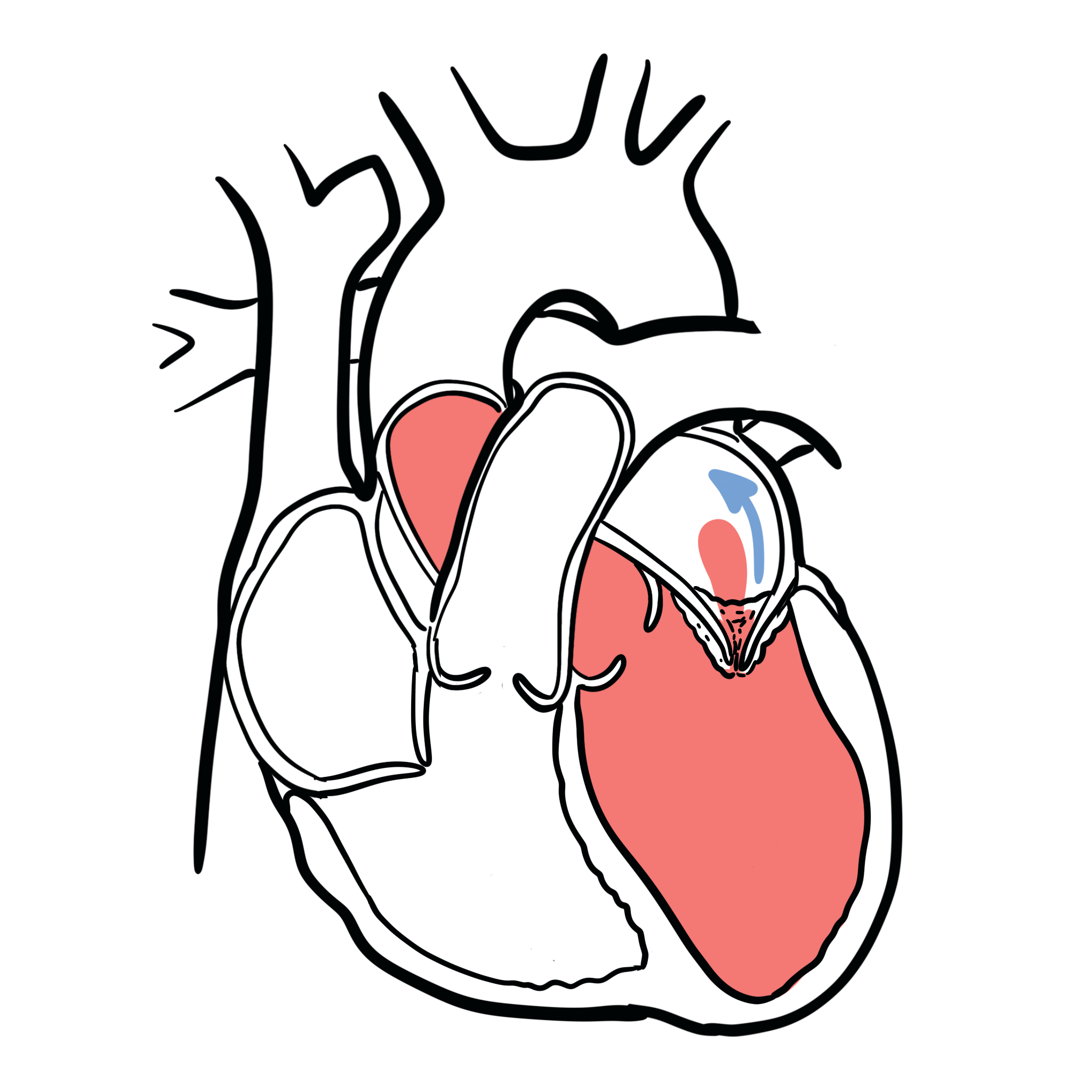
Mitral Regurgitation (Incompetence)
Overview Mitral regurgitation (MR), which is also known as mitral insufficiency, is a common heart valve disorder. When MR is present, blood leaks backwards through the mitral valve when the heart contracts. This reduces the amount of blood that is pumped out to the body. Patients with acute mitral regurgitation (MR) are often gravely ill with…
View topic ↗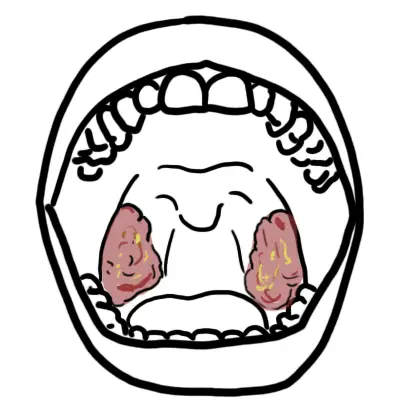
Tonsilitis
Overview Tonsillitis is an acute inflammation of the palatine tonsils, which form part of Waldeyer's mucosal-associated lymphoid ring at the entrance of the upper aerodigestive tract. It is one of the most common infectious presentations in pediatric and young adult populations, presenting as a spectrum from mild viral pharyngitis to severe bacterial infection with life-threatening…
View topic ↗Full resource library
Browse all topics ↗Choose how you learn
One idea. More than one way to see it.
Use the format that helps the topic click, then switch formats when you need to reinforce it.
01 / WATCH02 / READ03 / SEE04 / CHECK
Videos
Hand-drawn explanations that build the big picture as the concept unfolds.
Notes
Clear written explanations for review, reference and filling in the details.
Diagrams
Visual snapshots that help you easily review topics.
Questions
Test whether the explanation stayed with you—not just whether it looked familiar.
Good places to begin
Explanations learners return to.

Methotrexate – Pharmacology (DMARDs, mechanism of action, side effects)
Learn about methotrexate, a key disease-modifying antirheumatic drug (DMARD) used to treat autoimmune conditions and certain cancers. This video explains its mechanism of action, pharmacologic properties, and common side effects such as liver toxicity and bone marrow suppression.

Urinary tract infection overview
Learn about urinary tract infections (UTIs), including their common signs and symptoms, underlying pathophysiology, causes, and treatment strategies. This video provides a clear clinical overview to aid in diagnosis and management of both lower and upper UTIs.

Dactylitis (Sausage Digit) Explained Causes, Symptoms & Associations
An examination of dactylitis as a clinical manifestation of spondyloarthropathies, focusing on the involvement of flexor tendon sheaths, joints, and surrounding soft tissues. The analysis covers the diagnostic criteria to differentiate between inflammatory conditions like psoriatic arthritis, infectious causes such as pyogenic tenosynovitis, crystal-induced arthritis, trauma, sarcoidosis, and sickle cell-related hand-foot syndrome.
Our mission
Medical science is complex. Understanding it should feel possible.
Armando Hasudungan turns difficult medical science into clear visual explanations and connected learning experiences—so learners can see the whole picture, remember what matters and find a clearer way forward.
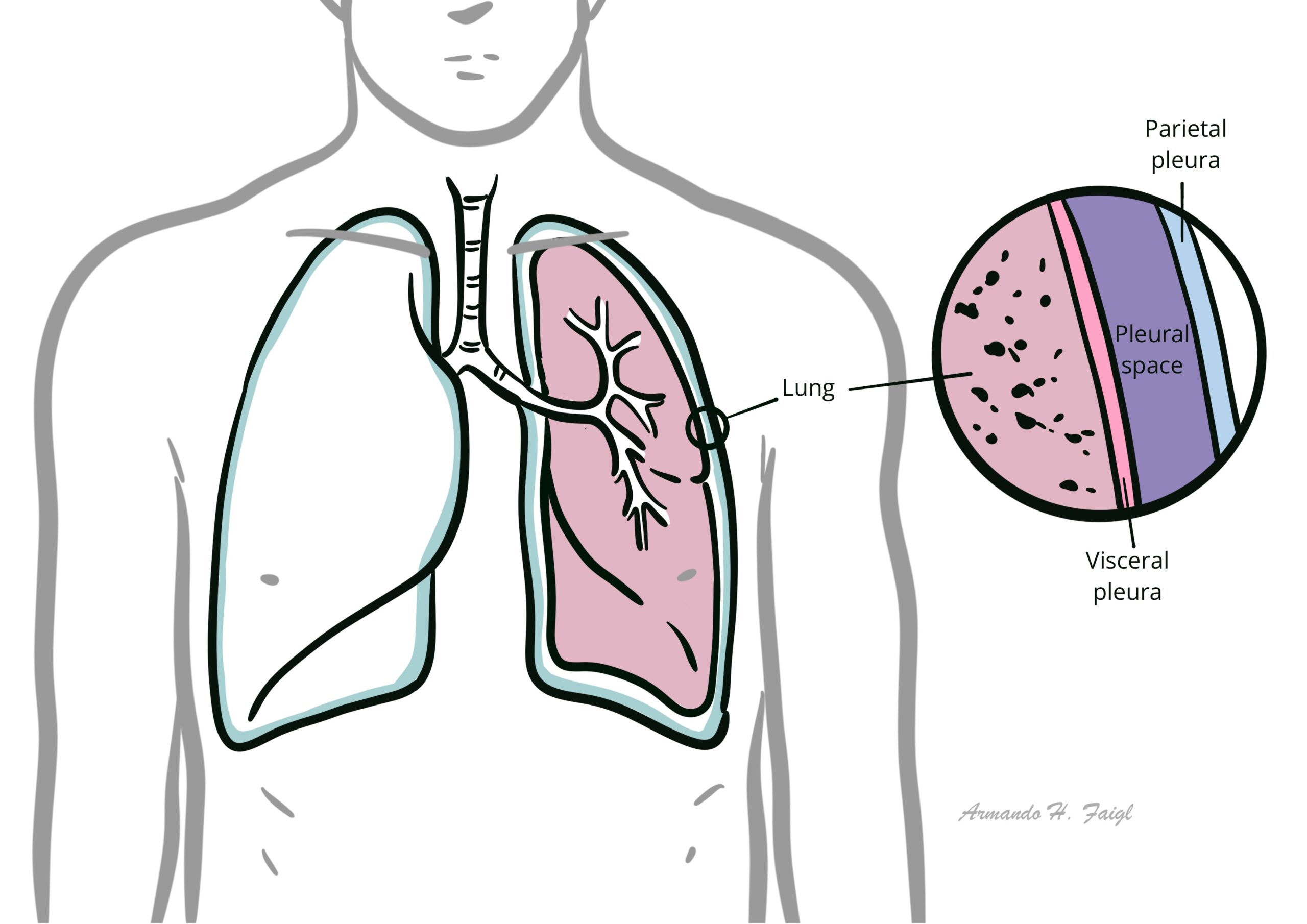

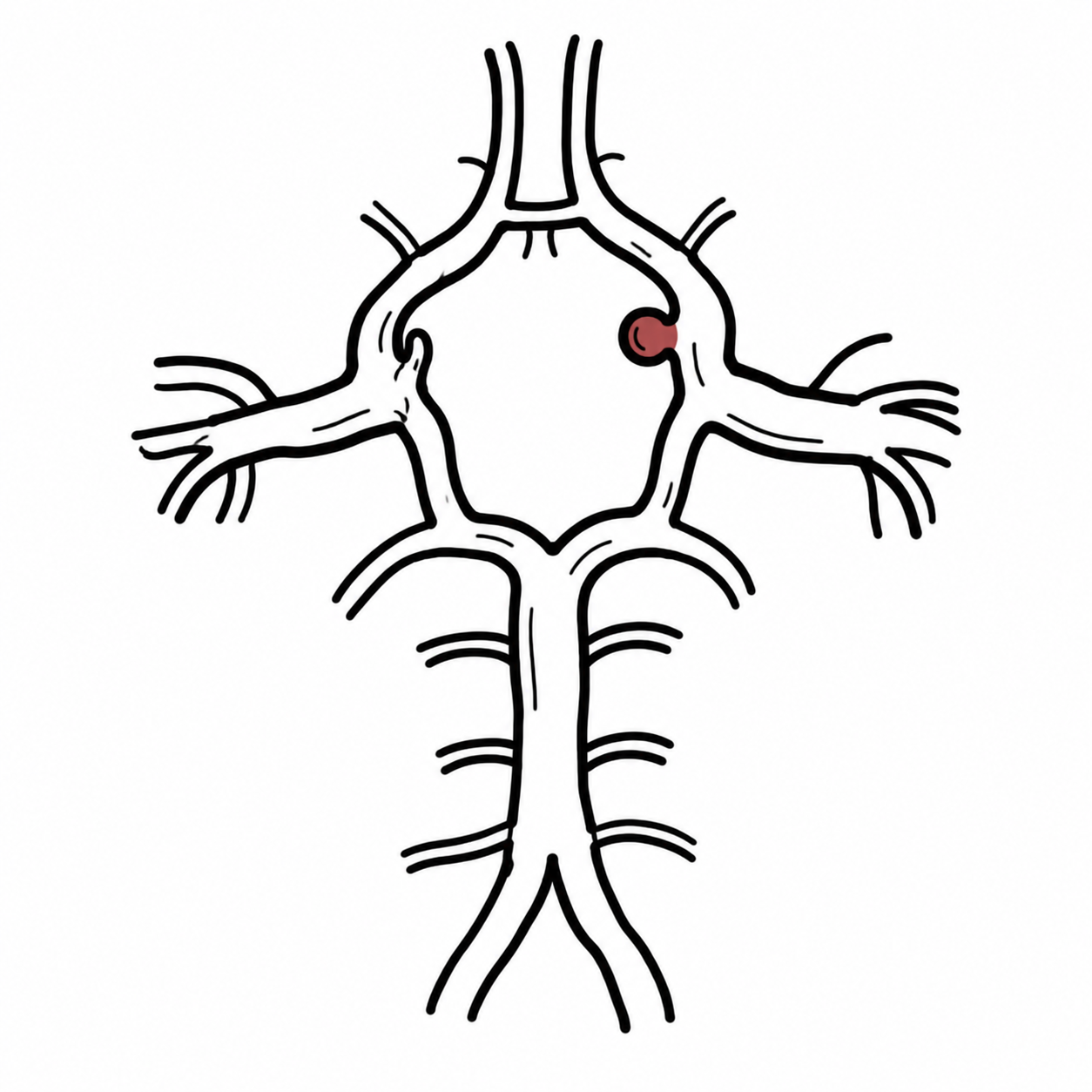
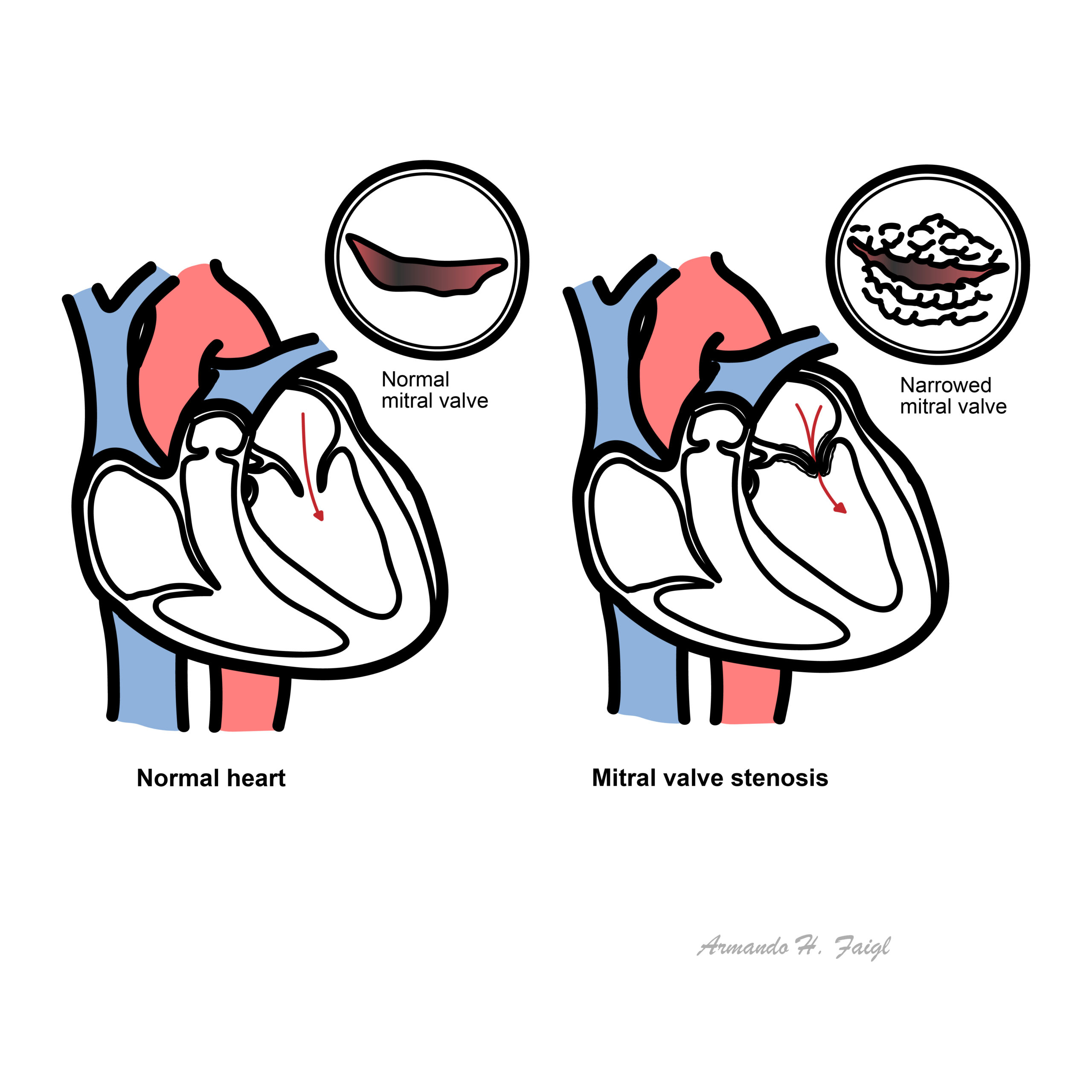
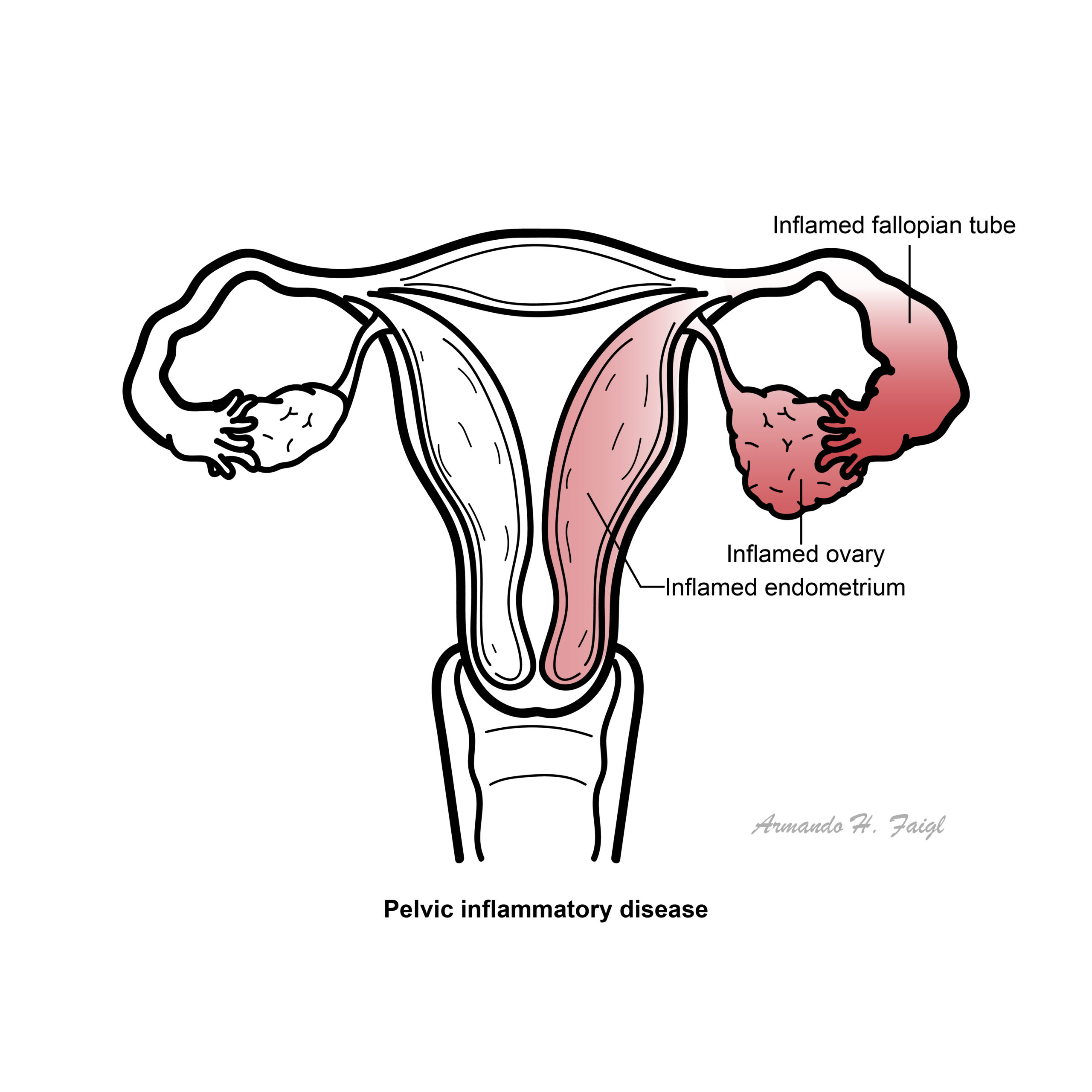
See it clearly
Turn abstract processes and invisible relationships into something the learner can picture.
Connect the pieces
Build understanding around how concepts fit together—not a pile of isolated facts.
Make it useful
Help learners move from explanation to recall, revision and the next logical step.
What clarity feels like
When the topic stops being a blur.
Learners do not come back because the subject became easy. They come back because the explanation gave them a picture they could work with.
“Armando's teaching style gives me the foundational knowledge.
Jessica Payne-Burnett
Medical Student, Charles Sturt University
“The notes I make during his videos help me retain everything better.
Ayesha RaiStudent, Islamabad Medical and Dental College
“The drawings are amazing and super easy to remember.
Reem Mohamed Khair Abdalrazig
Student, Neelain University
Coming soon: the AH study platform
The explanation is only the start.
The free library helps you find a clear explanation. The AH platform is being built to help you connect the resources, follow a clearer path and check what actually stuck.
- Watch in a focused, ad-free study environment.
- Move between connected videos, notes, diagrams and questions.
- Know what belongs next instead of rebuilding the study path yourself.
- Test your understanding while the topic is still fresh.
New and worth a look
Keep building the picture.
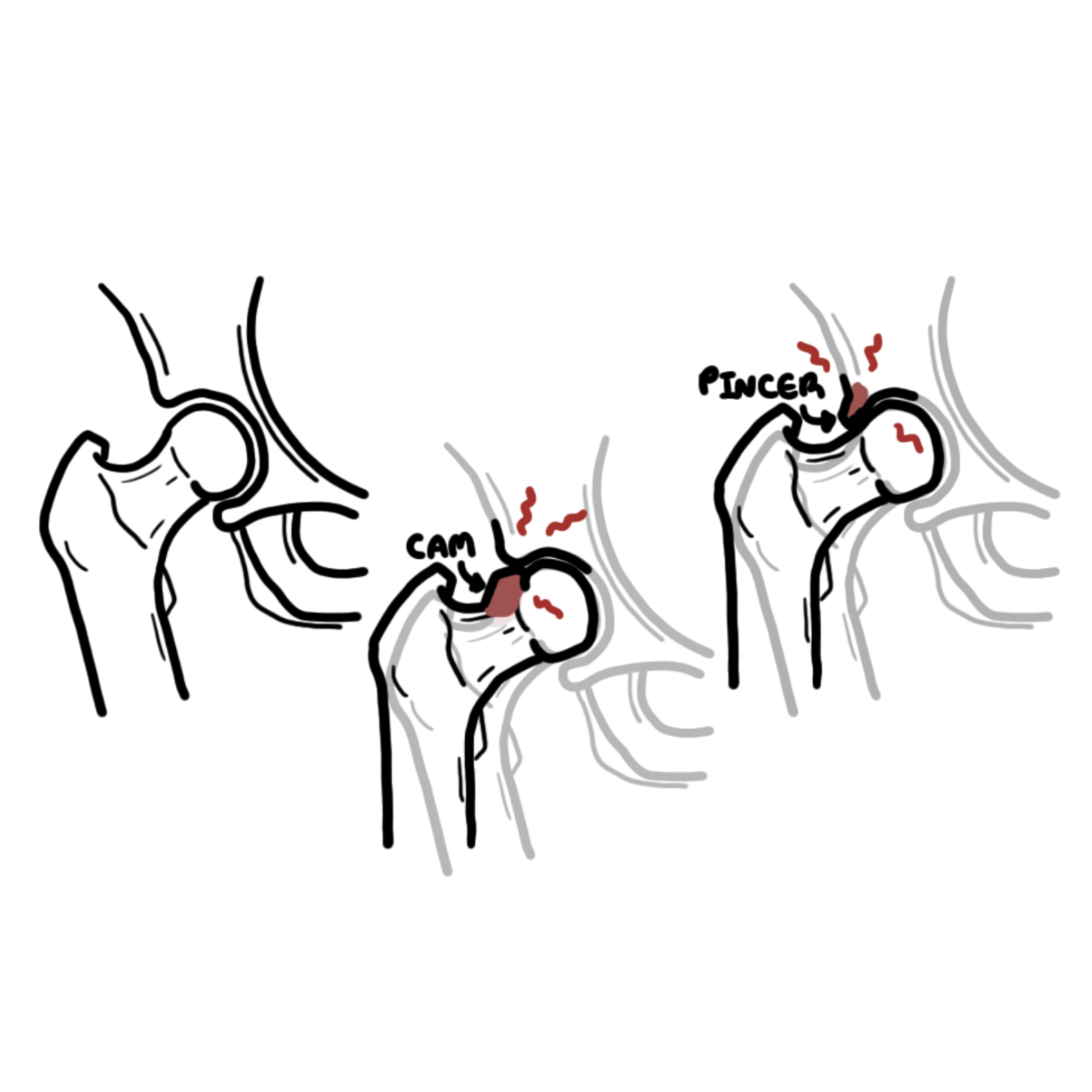
Femoroacetabular Impingement Syndrome
Overview Femoroacetabular impingement syndrome (FAIS) is a motion-related clinical disorder of the hip in which symptoms and clinical signs occur in association with characteristic femoral and/or acetabular morphology. The accepted diagnostic concept is a triad of symptoms, clinical signs and imaging findings ; bone morphology alone does not establish the syndrome. Patients commonly present with…
View this topic ↗Deep Neck Infection Causes, specific syndromes and symptoms, Complications & TreatmentExtensor Tendon Anatomy & Injuries Explained | Zones, Clinical features and examinationApoptosis – internal and external pathwaysMCL Knee Tear Explained Symptoms, Grades and TreatmentPharmacodynamics Explained Agonists, Antagonists, Efficacy & AffinityFlexor Tendon Injury & Anatomy Explained Zones, Anatomy, Diagnosis & Treatment
About Visualising Medicine
Good education does not remove complexity. It makes complexity feel simple.
Visualising Medicine is the team behind Armando Hasudungan. We bring together medicine, illustration, writing and technology to make difficult ideas clearer—and build better ways for learners to use them.