

Mixed Connective Tissue Disease (MCTD)
Overview
MCTD is a systemic autoimmune rheumatic disease characterized by overlapping clinical features of systemic lupus erythematosus (SLE), systemic sclerosis (SSc), polymyositis, with rheumatoid arthritis with high titres of anti-U1 RNP antibodies. It typically affects women aged 20–40 years. Prevalence is estimated at 3.8 per 100,000; more common in females (F:M ~9:1). The disease course may evolve toward a predominance of one specific connective tissue disease phenotype over time.
Definition
Mixed Connective Tissue Disease (MCTD): A distinct autoimmune condition with overlapping features of SLE, SSc, and polymyositis, and high anti-U1 RNP antibodies.
Anti-U1 RNP antibodies: Autoantibodies targeting U1 small nuclear ribonucleoprotein complex; hallmark of MCTD.
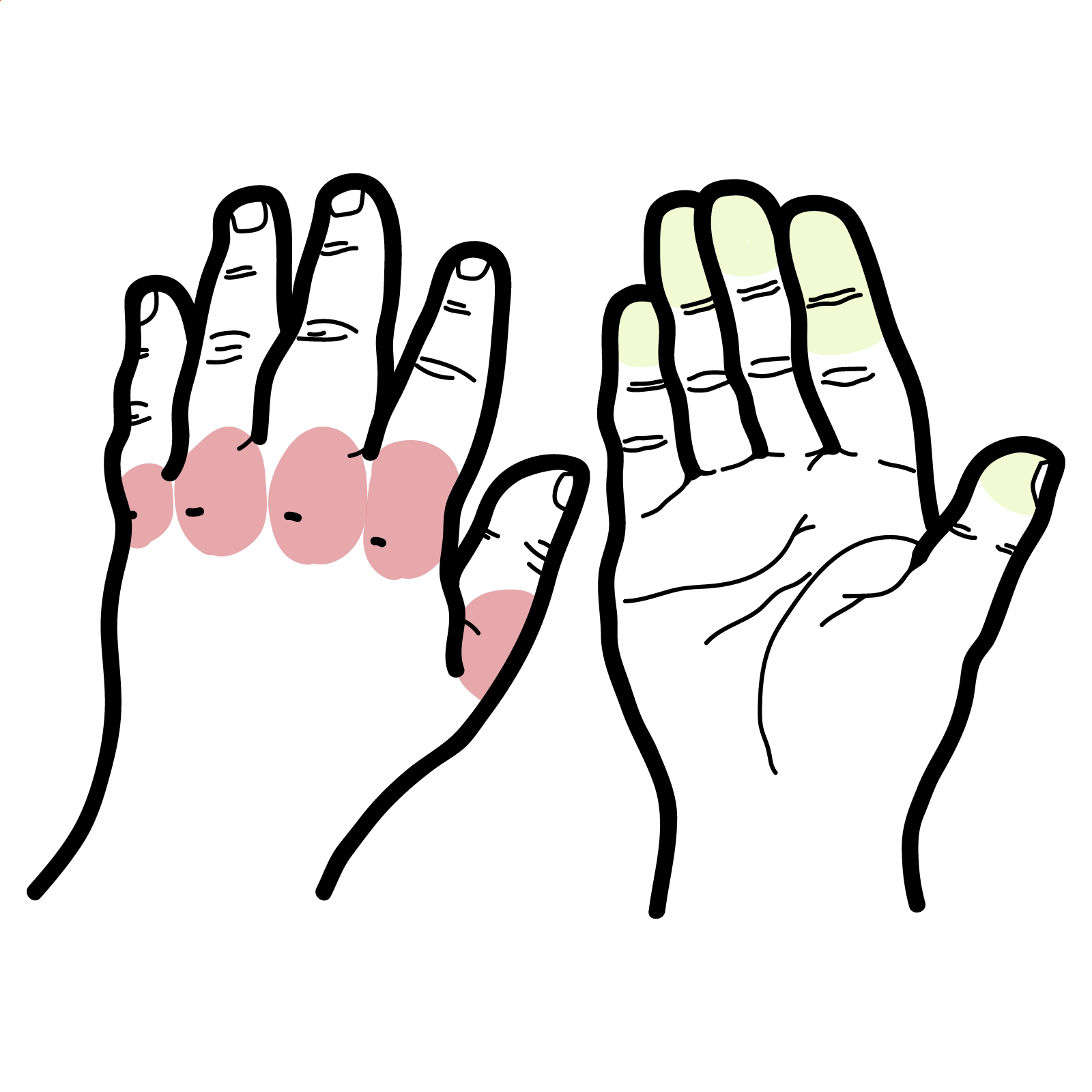
Raynaud’s phenomenon: Episodic digital ischemia triggered by cold/stress causing triphasic color change (white-blue-red).
Aetiology & Risk Factors
Aetiology
- Autoimmune dysregulation with production of high-titre anti-U1 RNP antibodies.
- Likely multifactorial: genetic predisposition, hormonal influence, and environmental triggers.
- Female sex
- Age 20–40
- HLA-DR4 and HLA-DR2 alleles
- Family history of autoimmune disease.
Pathophysiology
- Trigger (e.g. infection or environmental antigen) leads to immune dysregulation.
- Overproduction of autoantibodies—especially anti-U1 RNP.
- Immune complexes deposit in target tissues → complement activation → inflammation.
- Chronic inflammation leads to fibrosis (especially pulmonary and dermal) and vascular damage (Raynaud’s).
Anti-U1 RNP not only aids in diagnosis but may drive immune complex deposition and systemic effects.
Clinical Manifestations
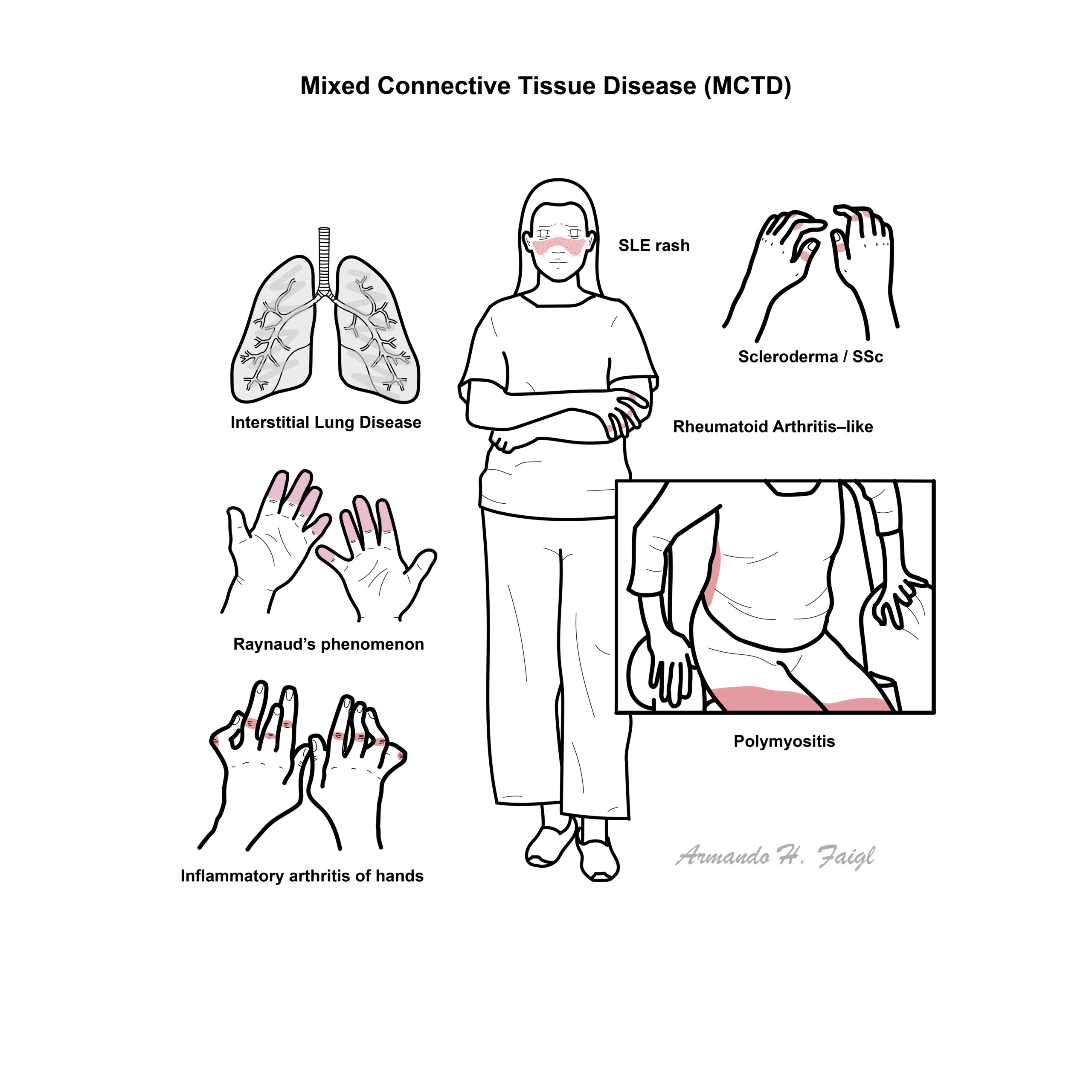
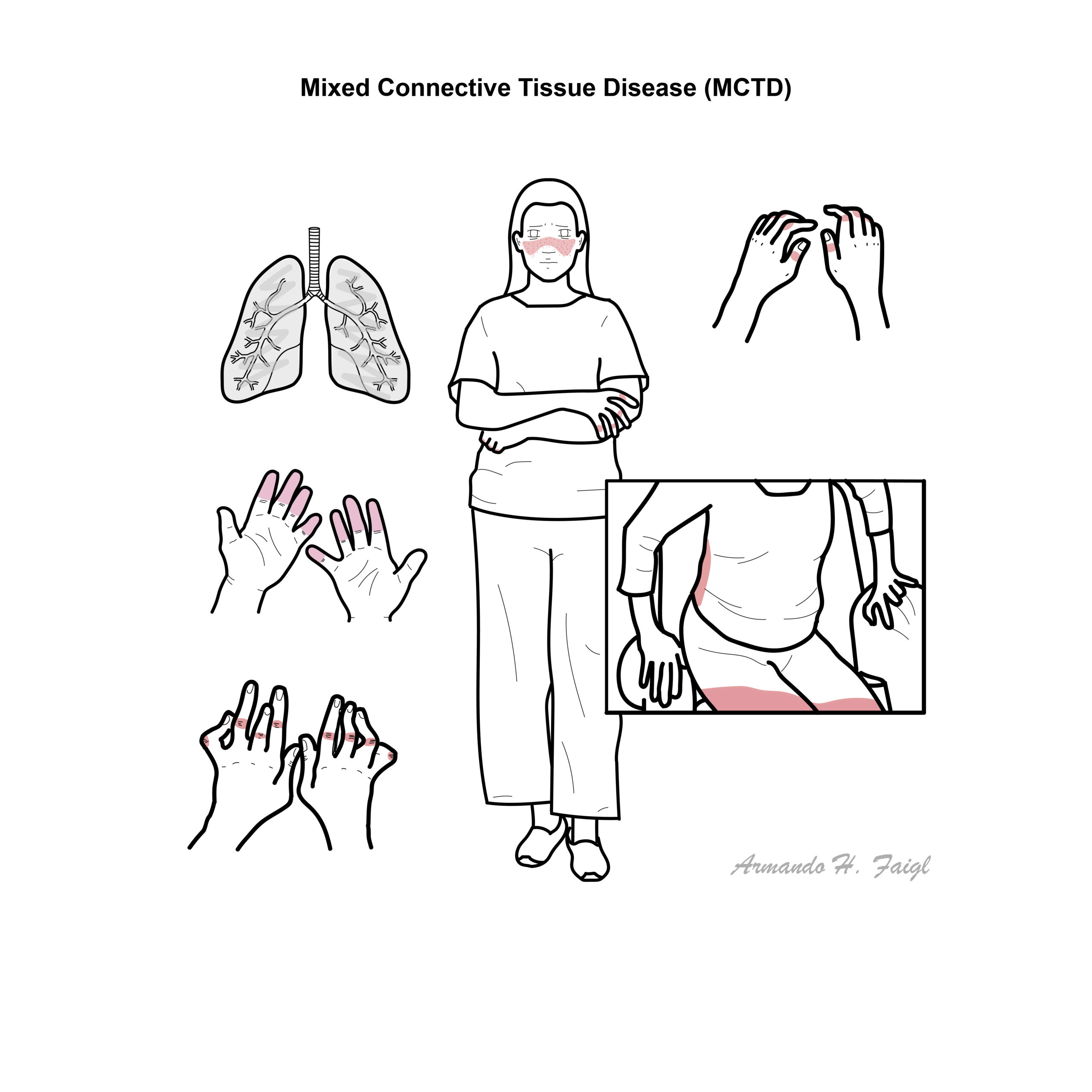
Common Features mixture or overlap of the following:
- SLE
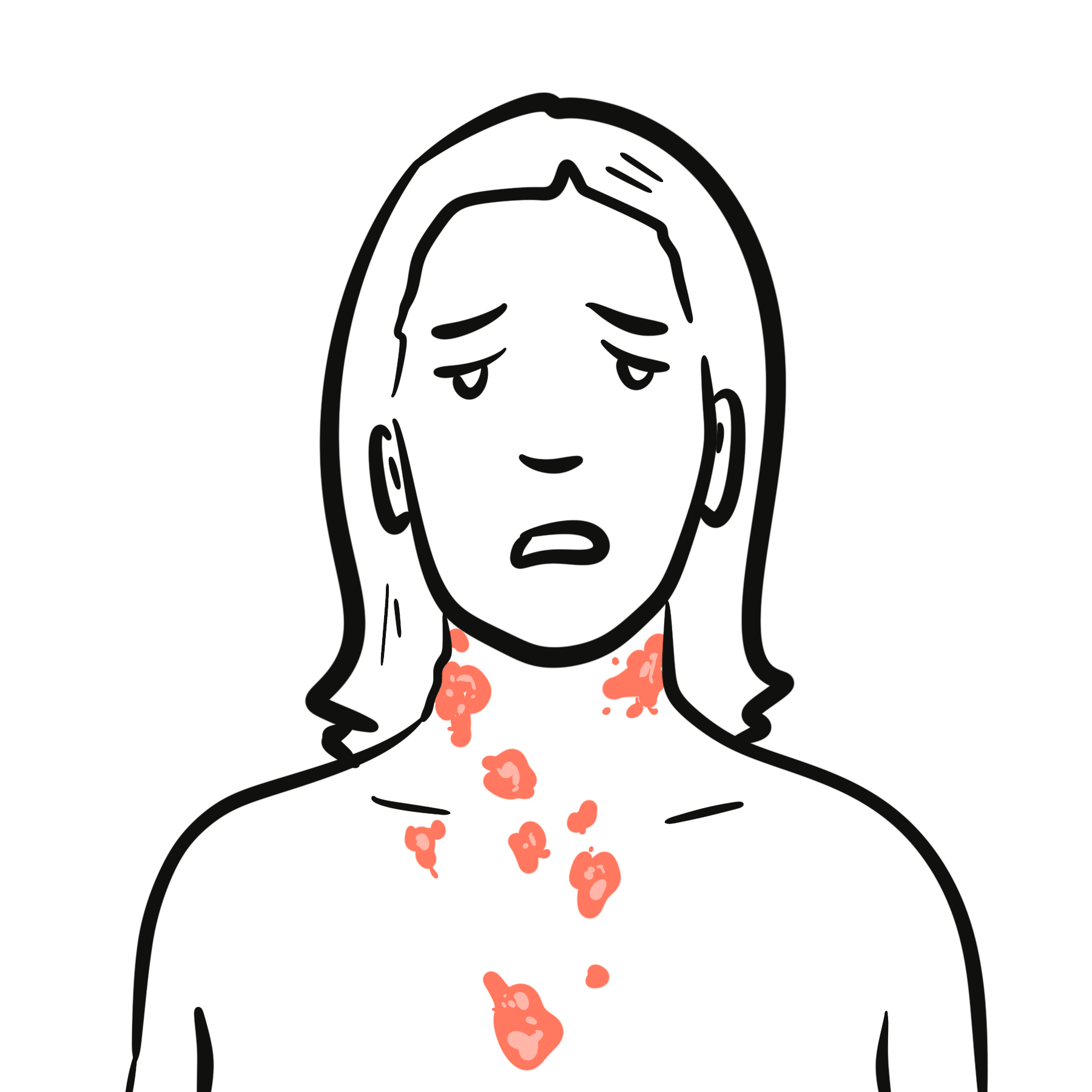
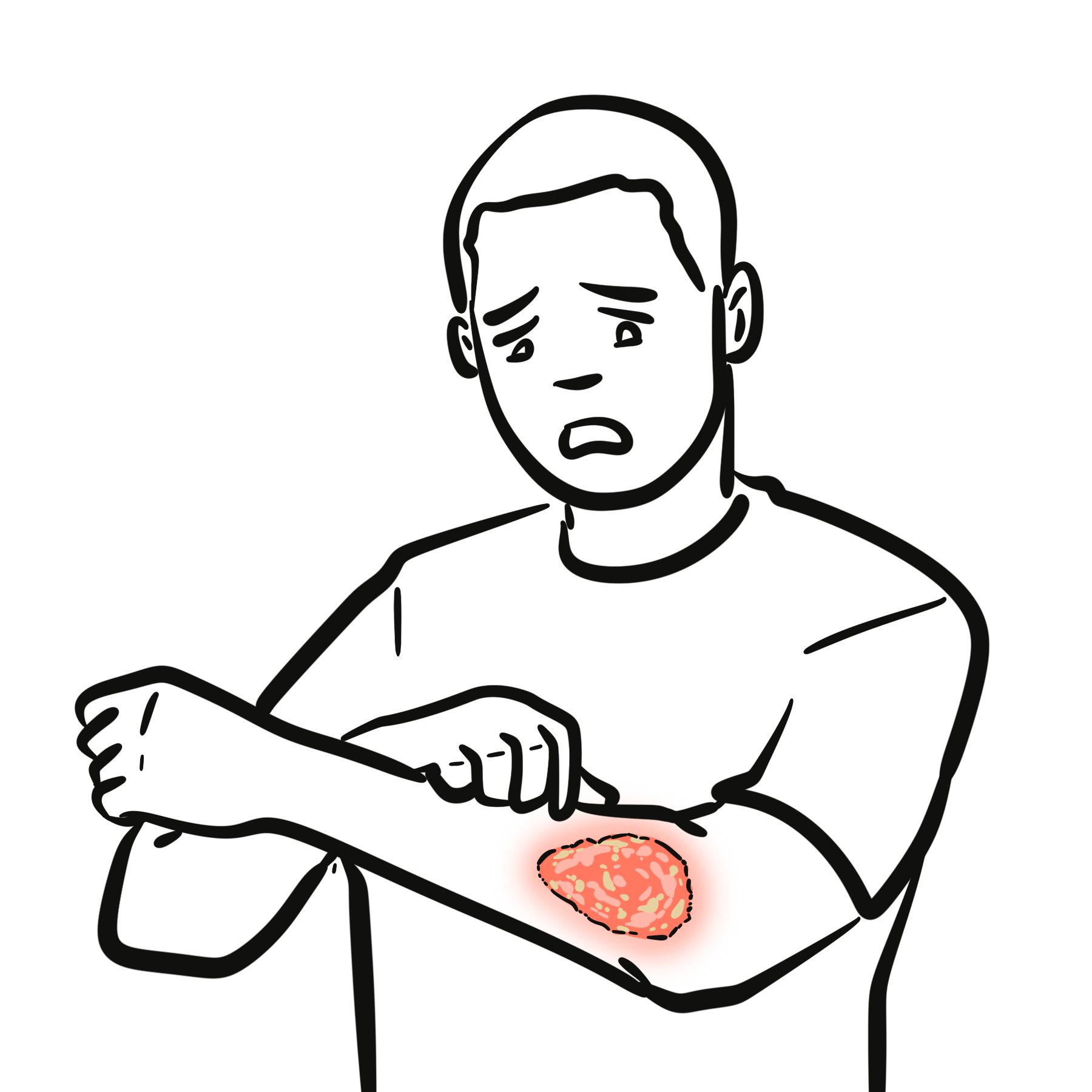
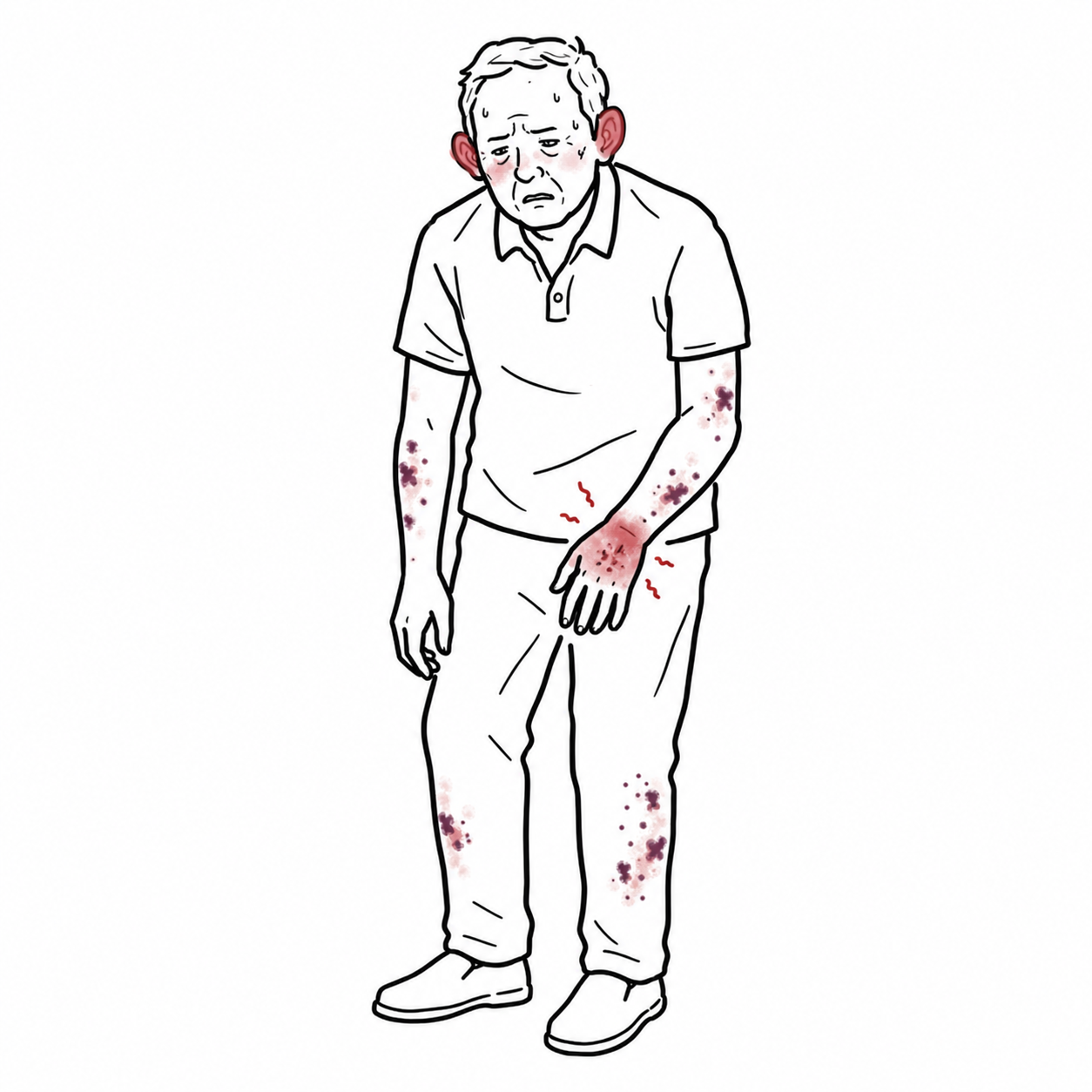
- Photosensitive rash
- Systemic sclerosis
- Pulmonary involvement (interstitial lung disease, pulmonary hypertension)
- Raynaud’s phenomenon (often earliest sign)
- Puffy/swollen hands (“sausage digits”)
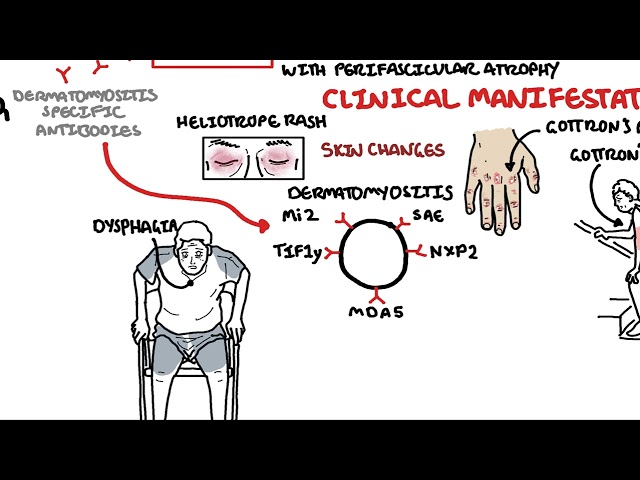
- Esophageal dysmotility (dysphagia, reflux)
- Sclerodactyly and telangiectasia
- Rheumatoid arthritis
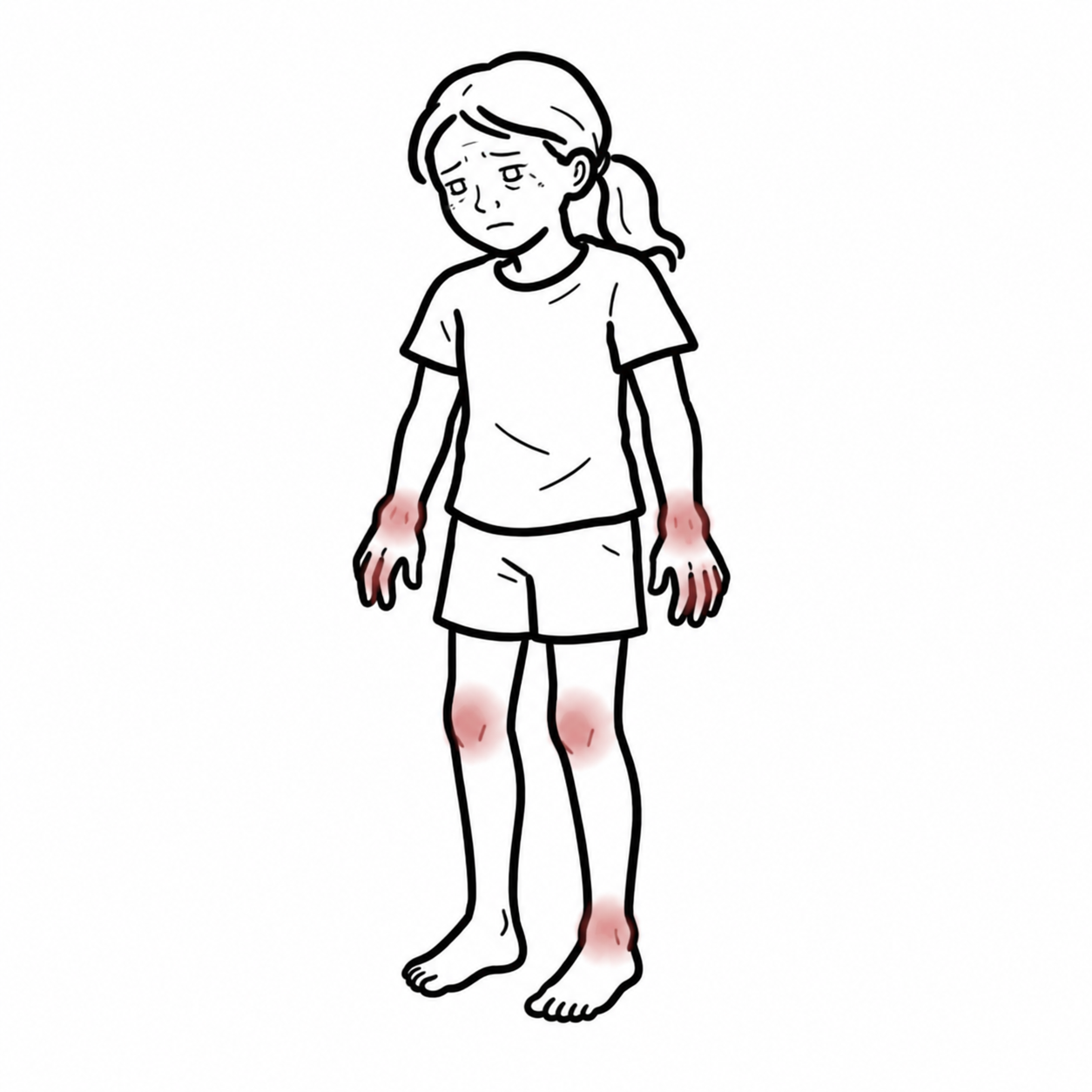
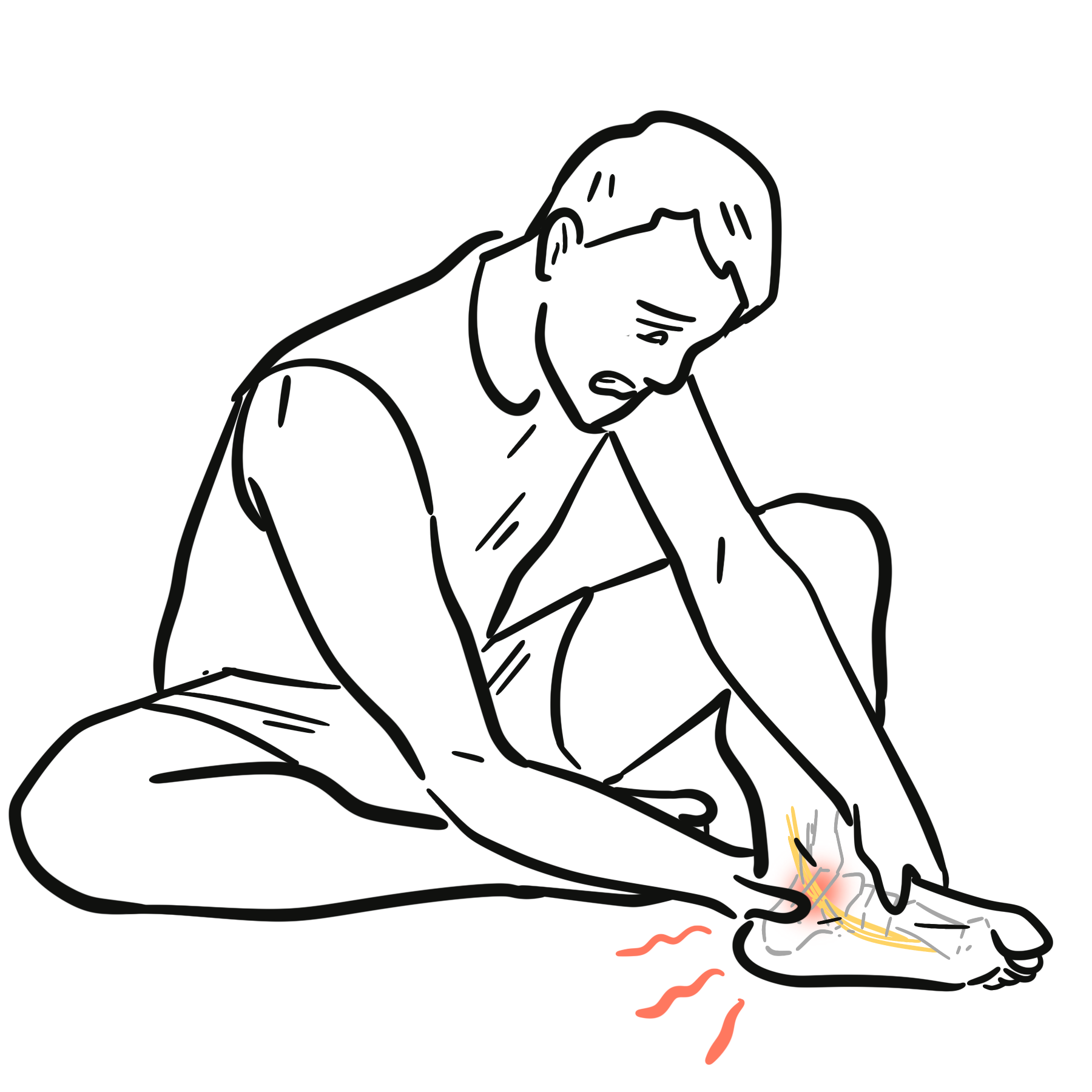
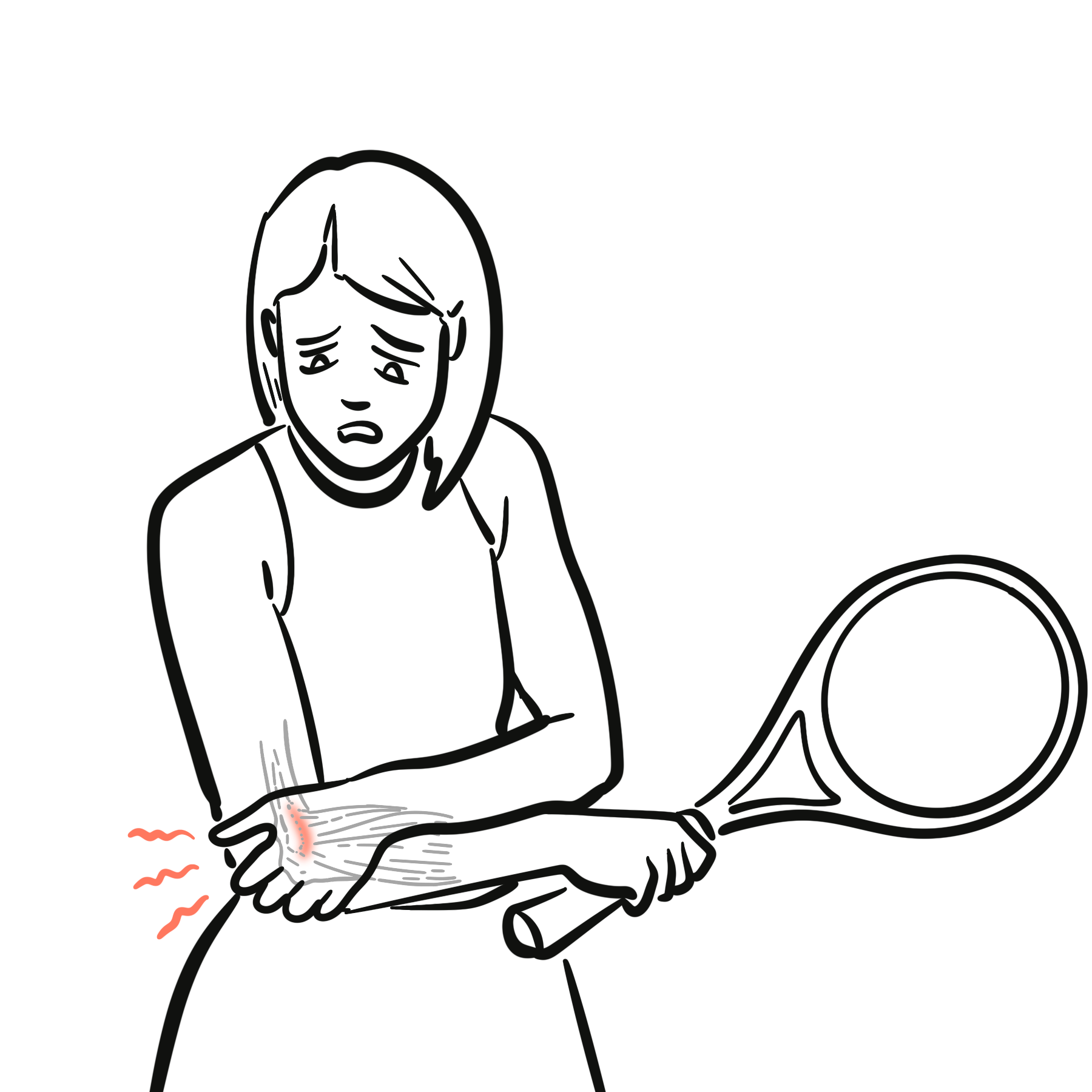
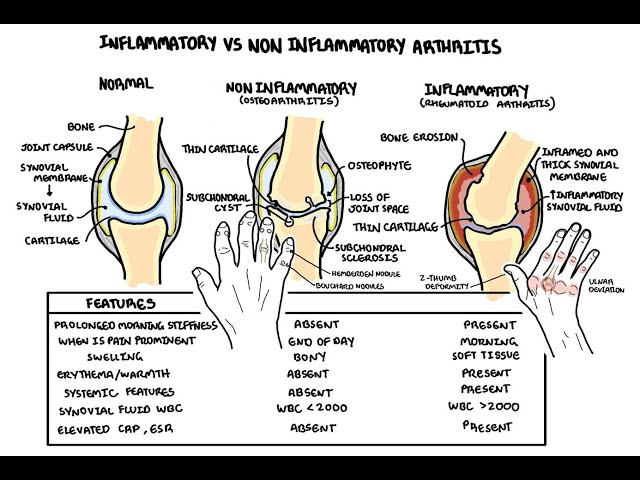
- Arthralgia/arthritis (similar to RA, but non-erosive)
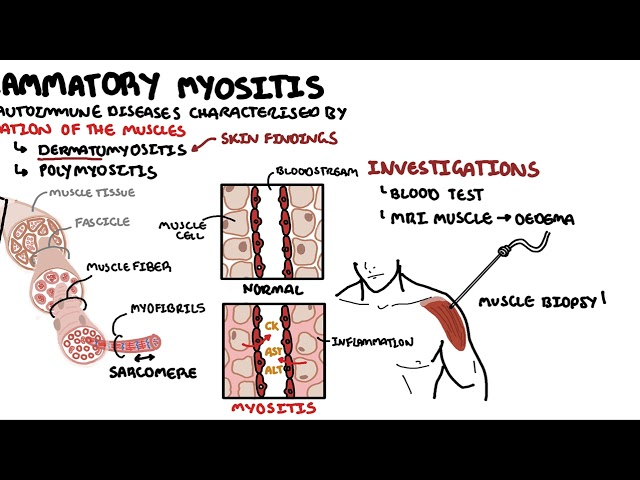
- Inflammatory myopathy
- Proximal muscle weakness
Systemic Symptoms
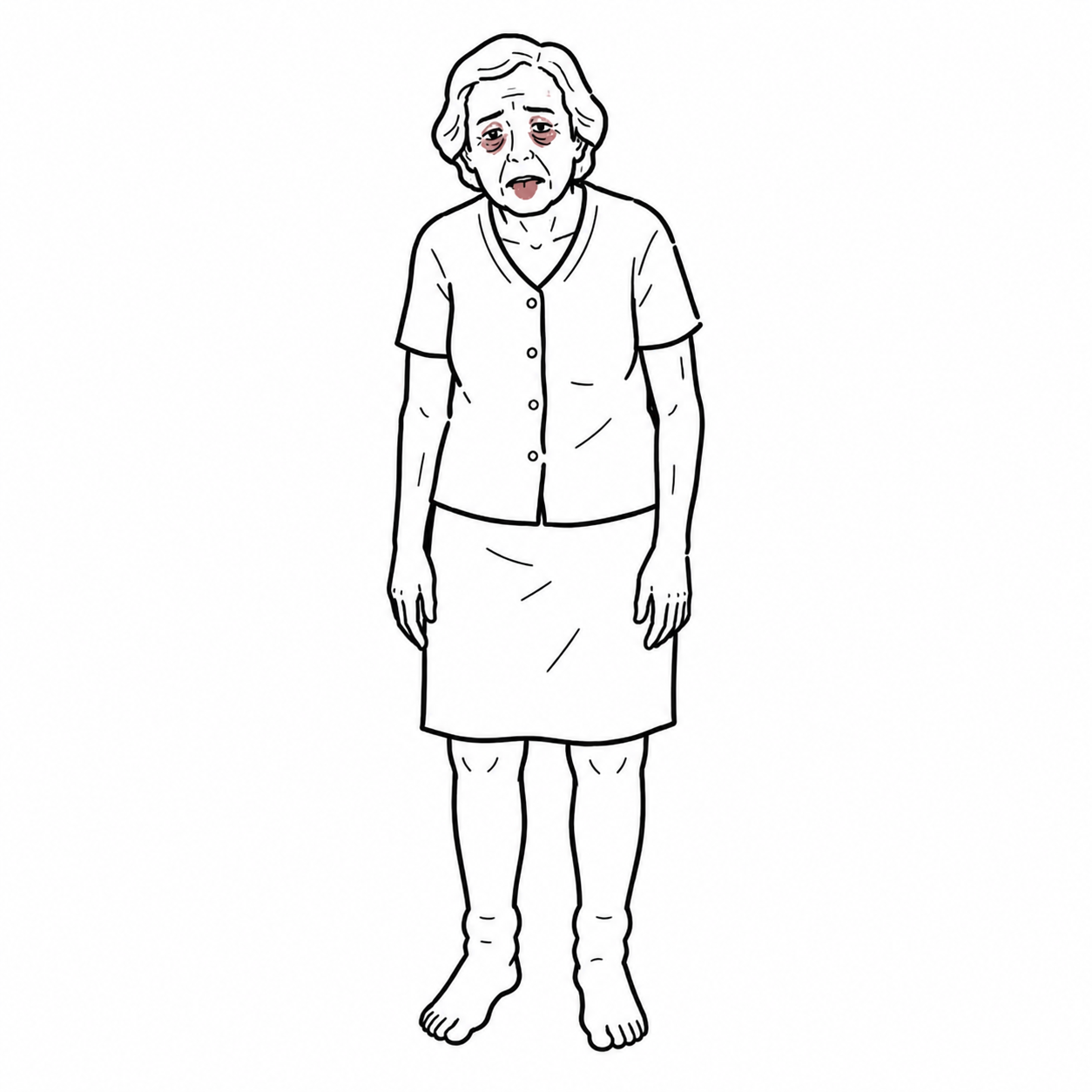
- Fatigue, low-grade fever, weight loss
Diagnosis
Diagnostic Criteria (Alarcón-Segovia, 1987 – widely used):
- Positive anti-U1 RNP antibodies (high titre)
- At least 3 of the following:
- Raynaud’s phenomenon
- Swollen hands
- Synovitis
- Myositis
- Acrosclerosis
Investigations:
- ANA (usually positive, speckled pattern)
- Anti-U1 RNP (high titre)
- ESR/CRP (elevated)
- Creatine kinase (↑ if myositis)
- Pulmonary function tests (↓ DLCO in ILD or PH)
- HRCT chest (for ILD)
- ECG/Echo (screen for pulmonary hypertension)
Differential Diagnoses
| Condition | Differentiating Features |
| SLE | dsDNA, anti-Sm, renal involvement more prominent |
| Systemic sclerosis | Scl-70, diffuse skin thickening |
| Polymyositis | No Raynaud’s or sclerodactyly |
| RA | Erosive arthritis, anti-CCP positivity |
High anti-U1 RNP titre with overlapping features is diagnostic and may correlate with disease activity.
Always screen for pulmonary hypertension in MCTD patients with breathlessness or abnormal PFTs
Treatment
- Individualized based on predominant features.
Mild disease (arthralgia, Raynaud’s):
- NSAIDs
- Hydroxychloroquine
- Nifedipine for Raynaud’s
Moderate-to-severe disease:
- Corticosteroids (e.g. prednisolone 0.5–1 mg/kg for myositis or ILD)
- DMARDs (methotrexate, azathioprine, mycophenolate)
- Rituximab (if refractory or ILD)
- PPI and prokinetics for esophageal symptoms
Pulmonary hypertension: endothelin receptor antagonists, sildenafil.
Complications & Prognosis
- Interstitial lung disease (most common and serious)
- Pulmonary hypertension (common)
- Secondary Sjögren’s syndrome
Poor Prognostic Factors
- Severe ILD or pulmonary hypertension
- Cardiac involvement
High corticosteroid requirement.
References
- Sharp GC et al. Autoantibodies to ribonucleoprotein in MCTD. Arthritis Rheum. 1972;15(6):629-35.
- Alarcón-Segovia D et al. Mixed connective tissue disease: An overview. Rheum Dis Clin North Am. 2005;31(3):605-23.
- Gunnarsson R et al. Mixed connective tissue disease criteria review. Scand J Rheumatol. 2005;34(1):48–53.
- Greidinger EL. Advances in the understanding of MCTD. Curr Rheumatol Rep. 2015;17(7):39.
- Burdt MA et al. Long-term outcomes of MCTD. Medicine (Baltimore). 1999;78(6):378-90.






Members only discussions coming soon…