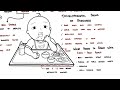
0:00 When to introduce solid foods to your infant? 0:08 The answer is really around 6 months. 0:11 Both the Australian and United States guidelines agree that solid foods should 0:15 be introduced 0:15 at around 6 months of age, but not before 4 months. 0:19 For the first 6 months, breast milk and infant formula is all your baby needs 0:24 for their nutrition. 0:26 At around 6 months babies iron stores, particularly in breastfed infants, start 0:31 to deplete or 0:32 go down. 0:34 And solid foods become necessary to meet their growing energy and nutrient 0:39 needs. 0:40 Continuing to offer breast milk or formula alongside solid food until at least 0:45 12 months 0:46 and even beyond is highly recommended by both set of guidelines. 0:52 The most crucial aspect is that your baby shows developmental signs of radiness 0:56 to have 0:57 solid foods. 0:59 And these signs indicate that their digestive system and motor skills are 1:02 mature enough 1:03 to handle solid safely and effectively. 1:07 So what you want to look for are a number of things. 1:10 Firstly, good head and neck control. 1:14 Your baby should be able to hold their head up steadily and sit with minimal 1:18 support, 1:19 whether in your lap or a high chair. 1:22 This is vital for safe swallowing and preventing choking. 1:26 Number two, they are opening their mouth when food is offered. 1:30 They should show interest and eagerly open their mouth when you bring food or a 1:34 spoon 1:35 to their lips. 1:36 Thirdly, swallowing food rather than pushing it out. 1:41 The tongue thrust reflex is where they push food out with their tongue. 1:47 This should have diminished before introducing solid foods. 1:52 Fourth, that they show interest in their food. 1:55 They might watch you eat, lean forward or even try to reach for your food. 2:00 And finally, they start bringing objects to their mouth. 2:04 This indicates developing hand-to-mouth coordination necessary for self-feeding 2:09 later on. 2:10 If your baby isn't showing these signs by around six months or you have any 2:15 concern, 2:15 it's always best to discuss it with your maternal, child health nurse or doctor 2:25 . 2:25 So what foods to start with? 2:27 Well, both guidelines emphasize that there is no really strict order for 2:32 introducing 2:33 most foods. 2:34 However, they both strongly recommend starting with iron-rich foods, especially 2:41 as the baby's 2:42 natural iron stores decline around six months. 2:46 Iron is critical for their growth and brain development. 2:50 Excellent first food options that are rich in iron and widely recommended 2:54 include iron-fortified 2:56 infant cereals. 2:58 These are often mixed with breast milk, formula or cooled boiled water to a 3:05 smooth consistency. 3:07 Both guidelines suggest offering a variety of fortified cereals - oats, barley, 3:11 multigrain, 3:11 rather than just rice cereal to limit potential arsenic exposure. 3:17 Pureed or finely minced meats. 3:20 So lean, red meat, chicken, turkey or fish, ensure that there are no bones, are 3:25 excellent 3:25 sources of highly absorbable iron and zinc. 3:29 Legumes cooked or pureed beans, lentils or tofu are also good sources of iron, 3:36 as well 3:36 as well cooked eggs. 3:39 Beyond these iron-rich foods, you can introduce a wide variety of other healthy 3:44 foods from 3:45 all food groups such as pureed or soft-cooked fruits and vegetables. 3:51 When introducing foods, both guidelines suggest offering one new food at a time 3:56 and waiting 3:57 three to five days before introducing another. 4:00 This can help easily identify any potential allergic reaction. 4:07 So really by 12 months, your baby should be eating three small meals a day, 4:15 including 4:16 breast milk or infant formula. 4:22 Now let's talk about some important consideration. 4:25 What do you start with? 4:27 What texture progression should you do? 4:30 It's always important to start with smooth purees or finely mashed foods. 4:35 This is at six months. 4:37 As your baby gains experience and develops chewing skills, gradually increase 4:42 the texture 4:43 to more lumpy, mashed and eventually finely chopped foods. 4:49 This is important for developing oral motor skills and preventing feeding 4:54 difficulties. 4:55 By the time your baby is 12 months, they should be eating the same foods that 4:59 the rest 5:00 of the family is eating hopefully. 5:02 But you might still have to chop some of the foods into much smaller pieces 5:07 though and 5:08 obviously cook the vegetables more until they're soft. 5:12 Another important consideration is allergenic foods. 5:15 Now current advice from some of the guidelines out there is that there is 5:20 really no benefit 5:21 to delaying the introduction of common allergic foods to prevent allergies. 5:28 What do I mean by allergenic foods? 5:30 Well these include well cooked eggs, peanut butter, wheat, cow's milk product 5:35 which include 5:36 yogurt and cheese and fish. 5:39 In fact, for some babies, early and regular introduction from around six months 5:44 may even 5:45 help reduce the risk of developing food allergies. 5:49 If your baby has severe eczema or already has an existing food allergy, you 5:54 will probably 5:54 discuss the introduction of food, allergenic foods with your doctor. 6:02 Another important consideration are choking hazards. 6:06 Now it's very important to look out for foods that are potentially choking 6:13 hazards. 6:14 Avoid giving babies whole nuts, seeds, popcorn, whole grapes or cherry tomatoes 6:20 unless they're 6:21 cut up, avoid giving babies large chunks of meat or cheese. 6:28 Hot dogs should be avoided unless they're cut into very small thin strips, 6:33 avoid giving 6:34 hot candies, any raw hot vegetables or even raw hot fruits, again unless they 6:42 're grated 6:42 or cooked until they're soft, that is okay. 6:46 Always supervise your baby while they're eating and ensure they are seated 6:51 upright. 6:52 There are foods to avoid especially under 12 months of age. 6:55 These include honey due to the risk of infant botulism, cow's milk as a primary 7:01 drink. 7:02 It's fine in small amounts in cooking, yogurt or cheese but they should not 7:05 replace breast 7:06 milk or formula as a main drink before 12 months. 7:11 Avoid giving infants 12 months or under unpasteurized foods or drinks due to 7:17 bacterial risk. 7:18 Any added sugars and salt as this is not really good for babies development. 7:23 Babies kidneys are still developing and can be influenced by too much salt 7:29 intake. 7:30 Fruit juice should also be avoided and not recommended for infants 12 months or 7:35 younger. 7:36 Water is the best drink to offer alongside milk feeds and solids. 7:42 Introducing solids is an exciting journey of discovery for your baby. 7:46 Remember to be patient, allow for messiness and follow your baby's cues for 7:50 hunger and 7:51 fullness. 7:53 Breast milk or formula remains their primary source of nutrition for the first 7:57 year. 7:57 So the initial focus of solid is on exploration and developing healthy eating 8:02 habits. 8:11 You