

Severe Combined Immunodeficiency (SCID)
Overview
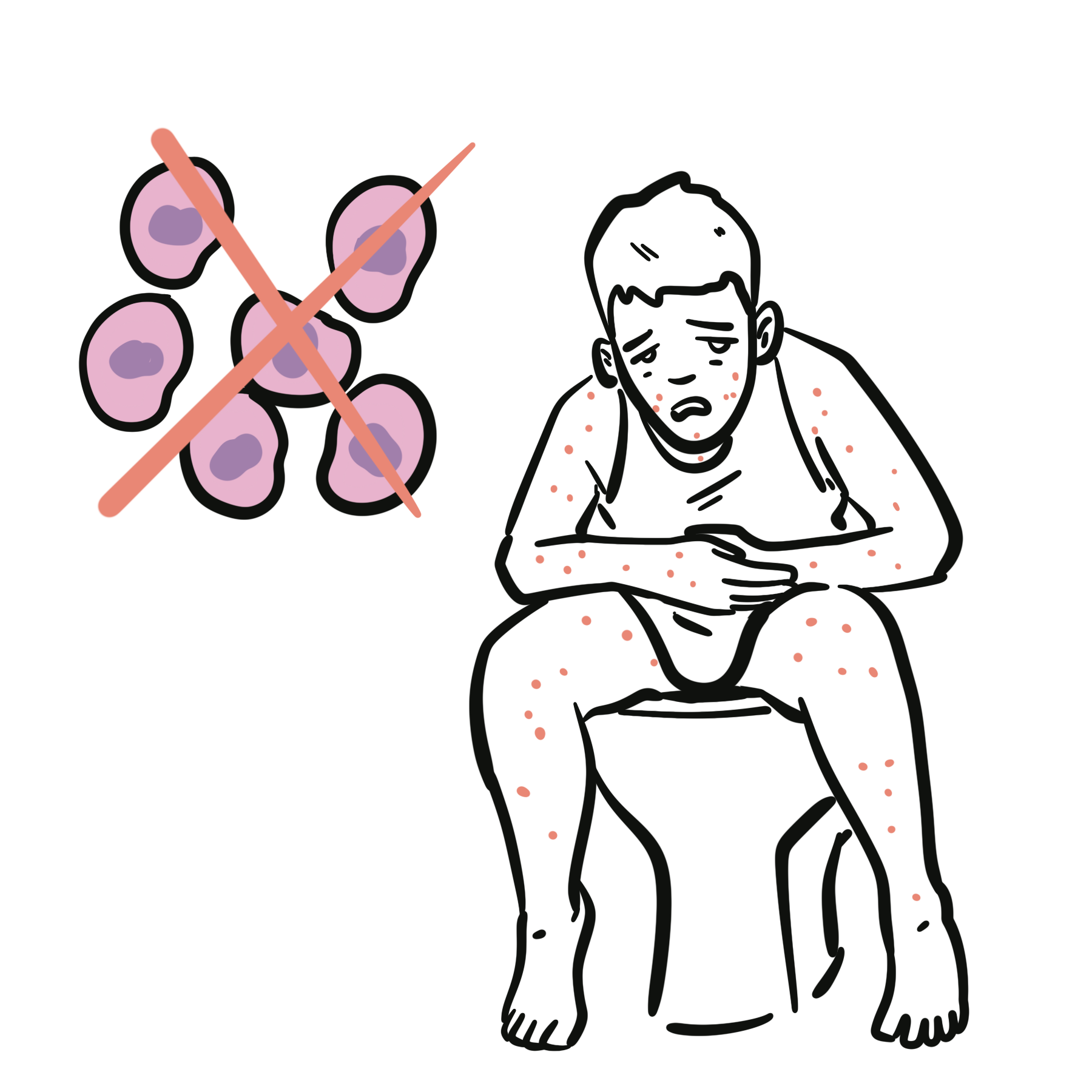
Severe combined immunodeficiency (SCID) is the most severe form of primary immunodeficiency, characterised by profound defects in both humoral (B-cell) and cellular (T-cell) immunity. It presents in infancy with recurrent, severe, and opportunistic infections, chronic diarrhoea, and failure to thrive. Without curative therapy, most infants die within the first year of life. Incidence is ~1 in 50,000–100,000 live births. Newborn screening with T-cell receptor excision circles (TRECs) has enabled earlier detection.
Definition
Opportunistic infection: Infection by organisms that usually do not cause disease in immunocompetent hosts (e.g., Candida, Pneumocystis jirovecii).
TRECs: T-cell receptor excision circles, used in newborn screening to detect impaired thymic T-cell production.
X-linked SCID: Caused by mutations in the common γ-chain (IL2RG gene), the most common form.
ADA deficiency: Adenosine deaminase deficiency; a metabolic cause of SCID.
Anatomy & Physiology
- Normal lymphocyte development:
- T cells mature in the thymus → mediate cellular immunity, help B cells.
- B cells mature into plasma cells → produce immunoglobulins.
- In SCID → T-cell development is severely impaired → defective cellular and humoral immunity.
- NK cell numbers may also be reduced depending on subtype.
In SCID, defective T cells mean defective B-cell, even if B cells are present.
Aetiology & Risk Factors
Aetiology
- Genetic causes (major):
- X-linked SCID (IL2RG mutation, defective common γ-chain).
- ADA deficiency.
- JAK3 deficiency.
- RAG1/2 mutations (V(D)J recombination defect).
- IL-7 receptor mutations.
- Inheritance: Mostly X-linked (IL2RG), others autosomal recessive.
- Family history of early infant deaths due to infections.
- Consanguinity (in AR forms).
Pathophysiology
- Genetic mutation affecting lymphocyte development/signalling.
- Severe impairment of T-cell development (± B and NK cells).
- Absent/ineffective cellular immunity → viral, fungal, protozoal infections.
- Absent/ineffective humoral immunity (no T-cell help) → bacterial infections.
- Consequence: recurrent, severe, opportunistic infections early in life.
“No T = No B help.”
Clinical Manifestations
- Onset in first months of life.
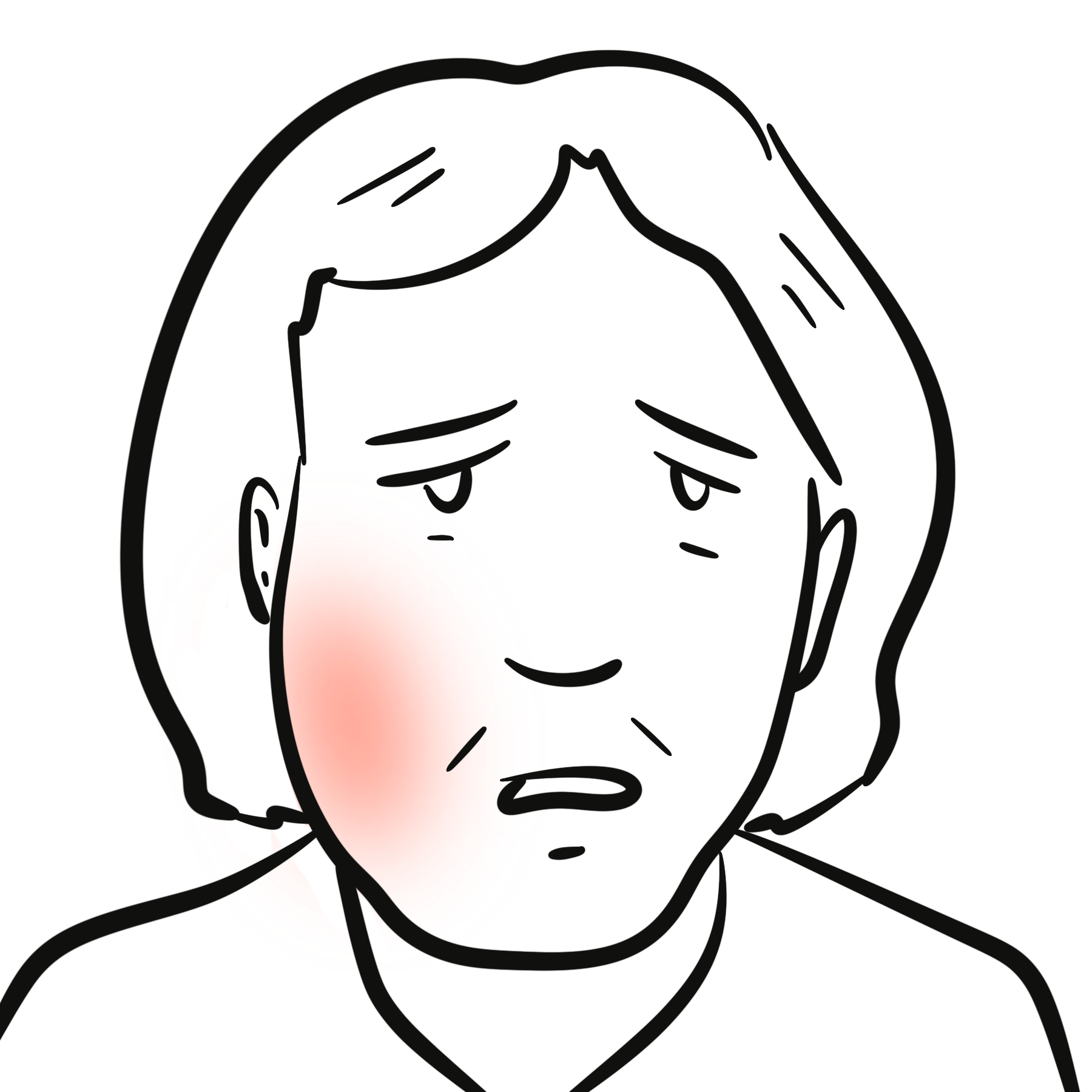
- Severe, recurrent infections:
- Failure to thrive, chronic diarrhoea.
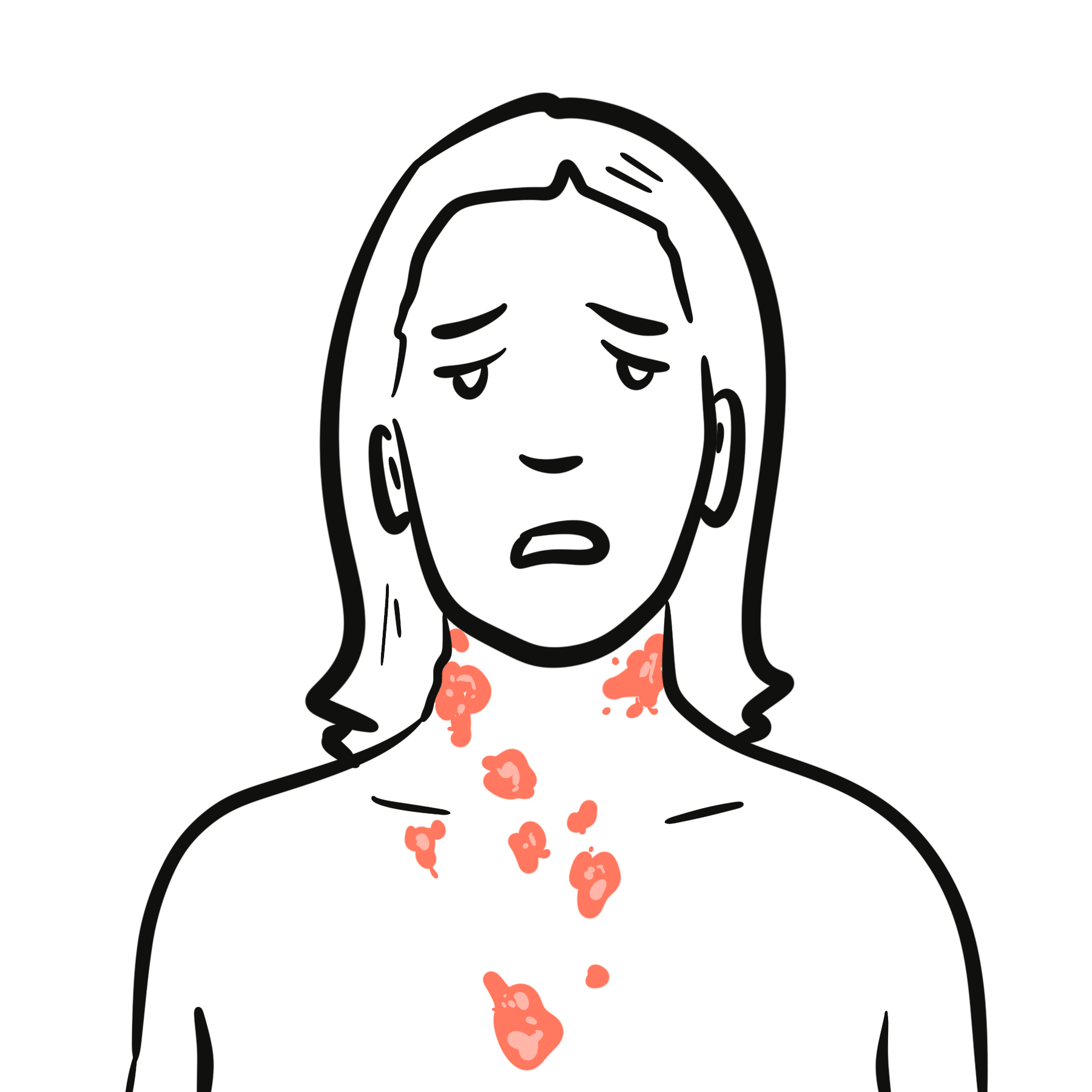
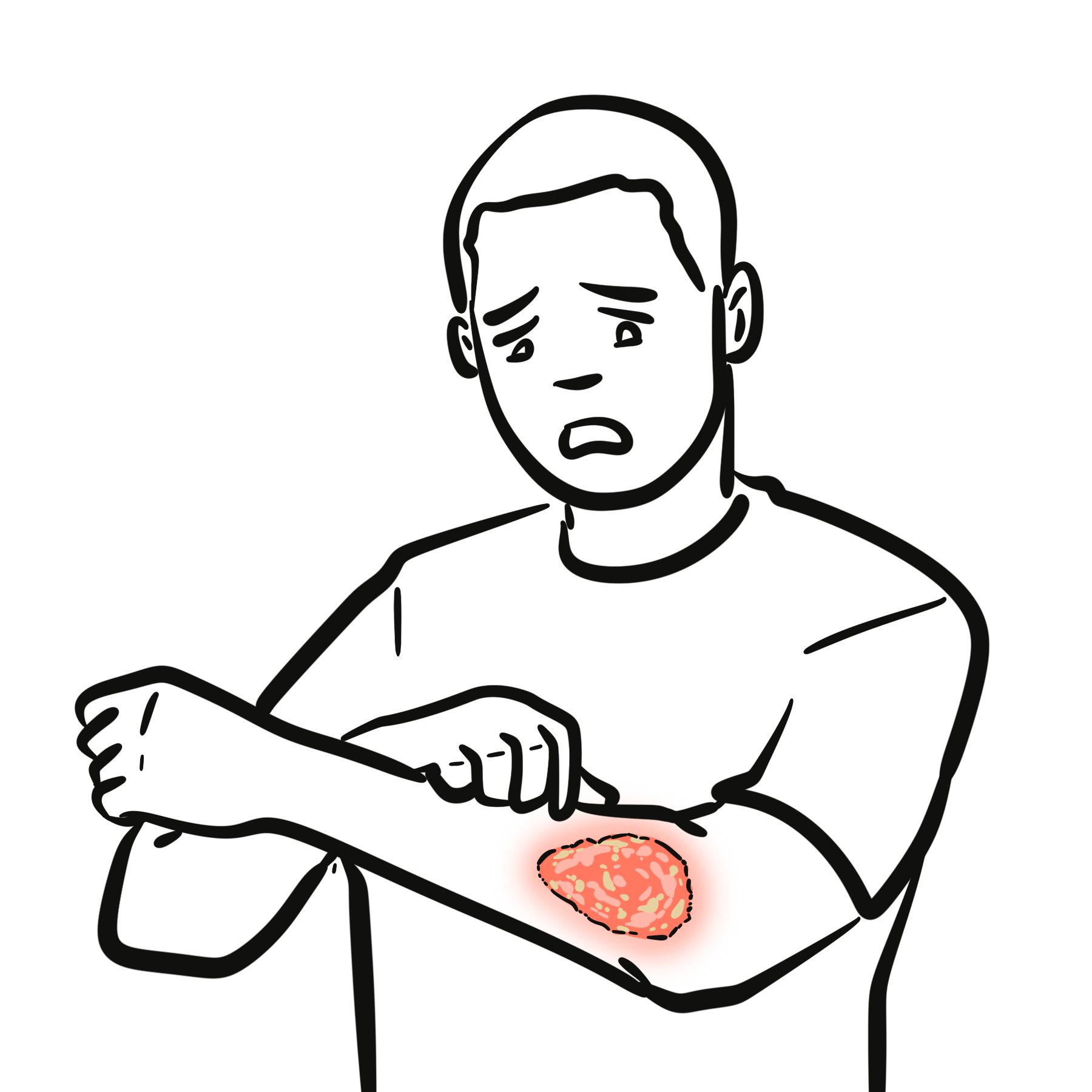
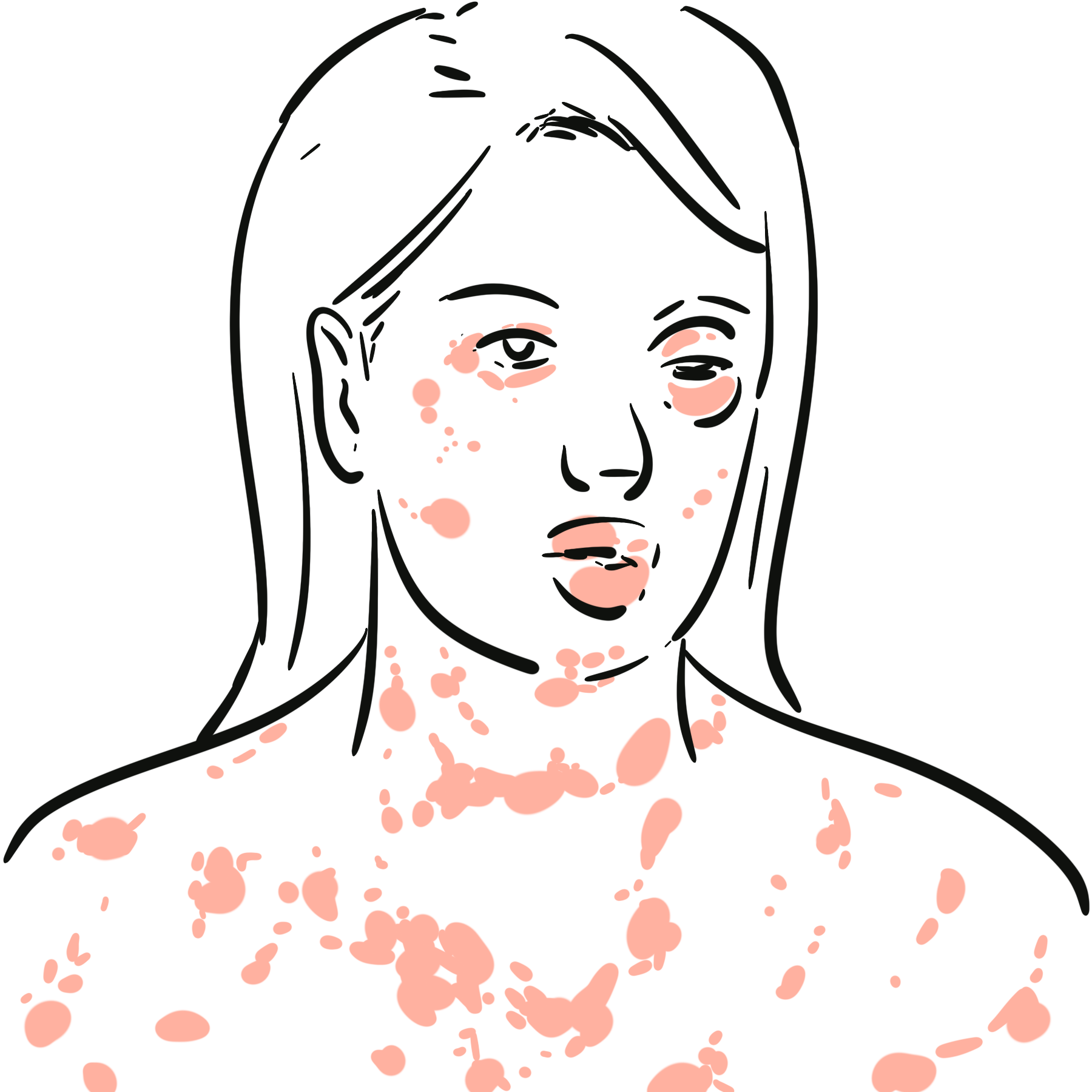
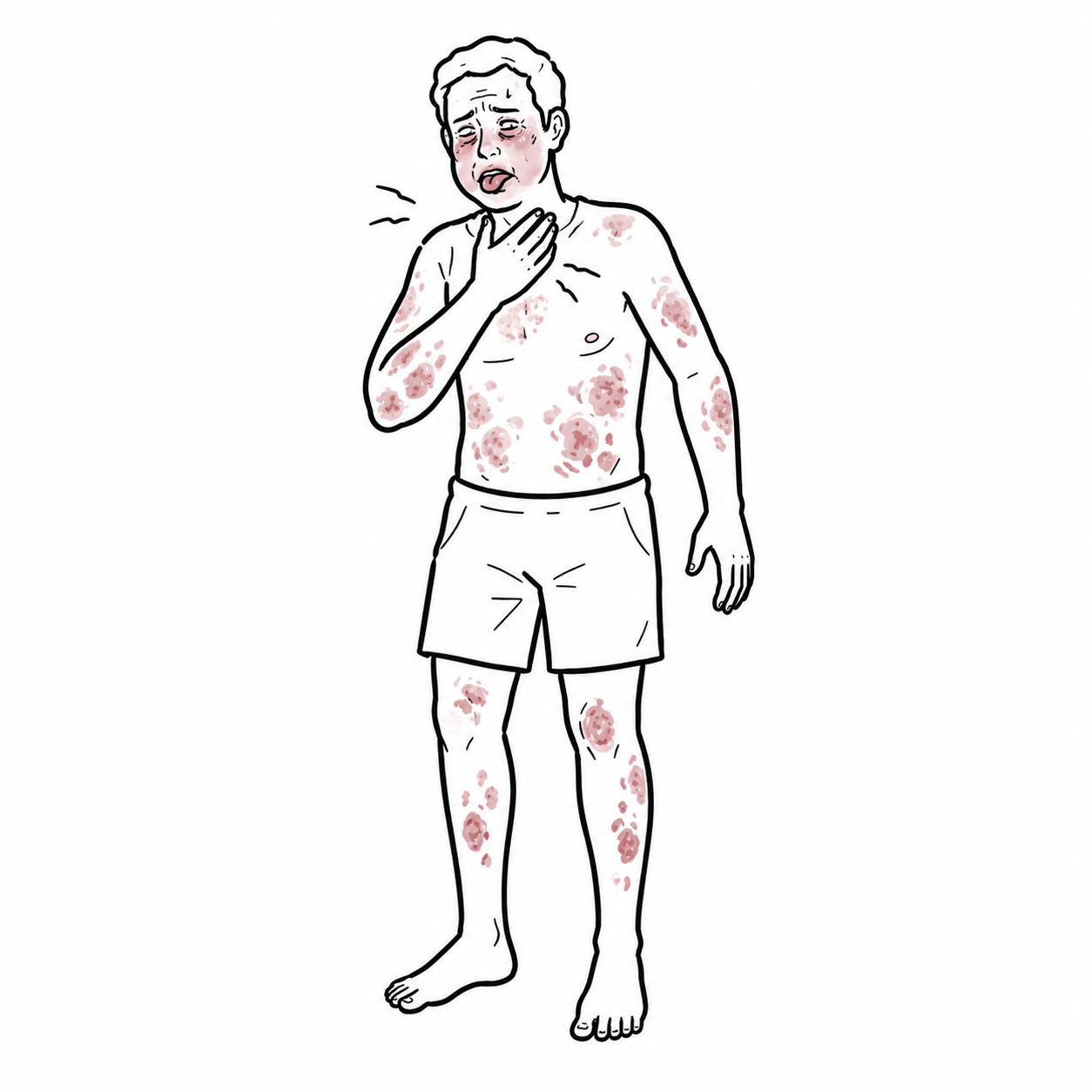
- Persistent thrush, severe eczema-like rashes.
- BCGosis (disseminated BCG after vaccination).
- Absent tonsils and lymph nodes (due to absent lymphocytes).
“Severe infections + failure to thrive + absent lymphoid tissue in an infant” = SCID.
Diagnosis
- Newborn screening: Low TRECs.
- CBC: Lymphopenia.
- Flow cytometry: Absent/low T cells; classify by T/B/NK phenotype.
- Immunoglobulin levels: Very low IgG, IgA, IgM.
- Genetic testing: Identify mutation (IL2RG, ADA, RAG, etc).
- Exclude secondary causes (HIV).
| Condition | Differentiator |
| HIV in infancy | Maternal transmission, positive HIV PCR |
| DiGeorge syndrome | Absent thymus, hypocalcaemia, heart defects |
| CVID | Later onset, not in early infancy |
| Chronic mucocutaneous candidiasis | Candida infections only, not combined defect |
Classification
SCID Subtypes (T/B/NK classification)
| Subtype | Mutation | T cells | B cells | NK cells | Notes |
| X-linked (IL2RG) | Common γ-chain | – | + | – | Most common |
| JAK3 deficiency | JAK3 | – | + | – | Similar to X-linked |
| ADA deficiency | ADA enzyme | – | – | – | Toxic metabolite buildup |
| RAG1/2 deficiency | RAG recombination | – | – | + | V(D)J recombination defect |
| IL-7R deficiency | IL-7 receptor | – | + | + | Isolated T-cell defect |
Treatment
- Curative:
- Haematopoietic stem cell transplantation (HSCT) = standard of care.
- Gene therapy (IL2RG, ADA) increasingly available.
- Supportive:
- Antimicrobial prophylaxis (TMP-SMX for Pneumocystis).
- Antifungal, antiviral prophylaxis as indicated.
- IVIG replacement.
- Isolation (“bubble boy”).
- Avoid live vaccines (e.g., BCG, MMR, rotavirus).
HSCT early in life (<3 months) → best outcomes.
“Bubble boy disease” – historical description, emphasising extreme infection risk and need for isolation.
Complications & Prognosis
- Fatal in first year if untreated.
- Severe opportunistic infections (viral, fungal, bacterial).
- GVHD if transfused with unirradiated blood.
- Long-term: survival improving with newborn screening and early HSCT.
Without HSCT/gene therapy, SCID is uniformly fatal.
References
- Notarangelo LD. Primary immunodeficiencies. J Allergy Clin Immunol. 2010;125(2 Suppl 2):S182–94.
- Pai SY, Logan BR, Griffith LM, et al. Transplantation outcomes for severe combined immunodeficiency. N Engl J Med. 2014;371(5):434–46.
- Kohn DB, Booth C, Kang EM. Gene therapy for SCID: progress and challenges. J Allergy Clin Immunol. 2020;146(4):948–961.
- Al-Herz W, Bousfiha A, Casanova JL, et al. Primary immunodeficiency diseases: IUIS classification. J Clin Immunol. 2014;34(8):896–907.
- Buckley RH. The multiple causes of human SCID. J Clin Invest. 2004;114(10):1409–11.




Members only discussions coming soon…