

Alcohol Withdrawal Delirium (delirium tremens)

Overview
Alcohol withdrawal delirium, traditionally called delirium tremens, is the most severe manifestation of alcohol withdrawal. It is characterised by acute, fluctuating disturbances in attention, awareness and cognition accompanied by marked autonomic hyperactivity. It is a medical emergency requiring hospital admission, intensive monitoring and prompt benzodiazepine treatment.1–3
Symptoms typically begin 48–72 hours after alcohol cessation or a substantial reduction in intake, although onset may be later. Untreated disease can cause seizures, hyperthermia, arrhythmia, aspiration, cardiovascular collapse and death.1,2
Definition
- Alcohol withdrawal delirium
- Delirium caused by withdrawal following cessation or substantial reduction of prolonged, heavy alcohol consumption.
- Delirium tremens
- Traditional term for alcohol withdrawal delirium, particularly when accompanied by severe autonomic hyperactivity.
- Alcohol withdrawal seizure
- A usually generalised tonic–clonic seizure occurring after cessation or substantial reduction of heavy alcohol consumption.
- Kindling
- Increasing withdrawal severity associated with repeated episodes of alcohol withdrawal.
Anatomy & Physiology
Alcohol enhances inhibitory gamma-aminobutyric acid type A receptor activity and suppresses excitatory N-methyl-D-aspartate glutamate receptor activity. With sustained exposure, the central nervous system adapts by reducing inhibitory signalling and increasing excitatory signalling.
Alcohol also influences dopaminergic and noradrenergic pathways involved in reward, arousal and autonomic activity. These adaptive changes allow the nervous system to function in the continuing presence of alcohol but create vulnerability when alcohol exposure abruptly falls.
Aetiology & Risk Factors
Aetiology
Alcohol withdrawal delirium occurs when a person with physiological alcohol dependence abruptly stops drinking or substantially reduces their alcohol intake. It may also develop during hospitalisation when alcohol use is interrupted unintentionally.
The syndrome can emerge despite a measurable blood alcohol concentration if the concentration has fallen substantially from the person’s usual level.
Risk Factors
- previous alcohol withdrawal delirium or withdrawal seizures
- repeated withdrawal episodes
- prolonged, heavy and regular alcohol consumption
- marked withdrawal symptoms at presentation
- autonomic hyperactivity
- concurrent benzodiazepine or other sedative dependence
- older age
- acute medical illness, infection or trauma
- traumatic brain injury or structural brain disease
- hepatic, cardiac or renal disease
- dehydration, electrolyte disturbance or malnutrition
- delayed or inadequate withdrawal treatment
- poor social support or inability to undergo supervised withdrawal.
A previous episode of withdrawal delirium or withdrawal seizures is one of the most important predictors of future complicated withdrawal. Planned withdrawal should occur in a medically supervised setting.1,2
Pathophysiology
Abrupt reduction in alcohol exposure removes its inhibitory effect before the adapted central nervous system can restore normal receptor activity. Unopposed glutamatergic and noradrenergic activity produces neuronal and autonomic hyperexcitability.
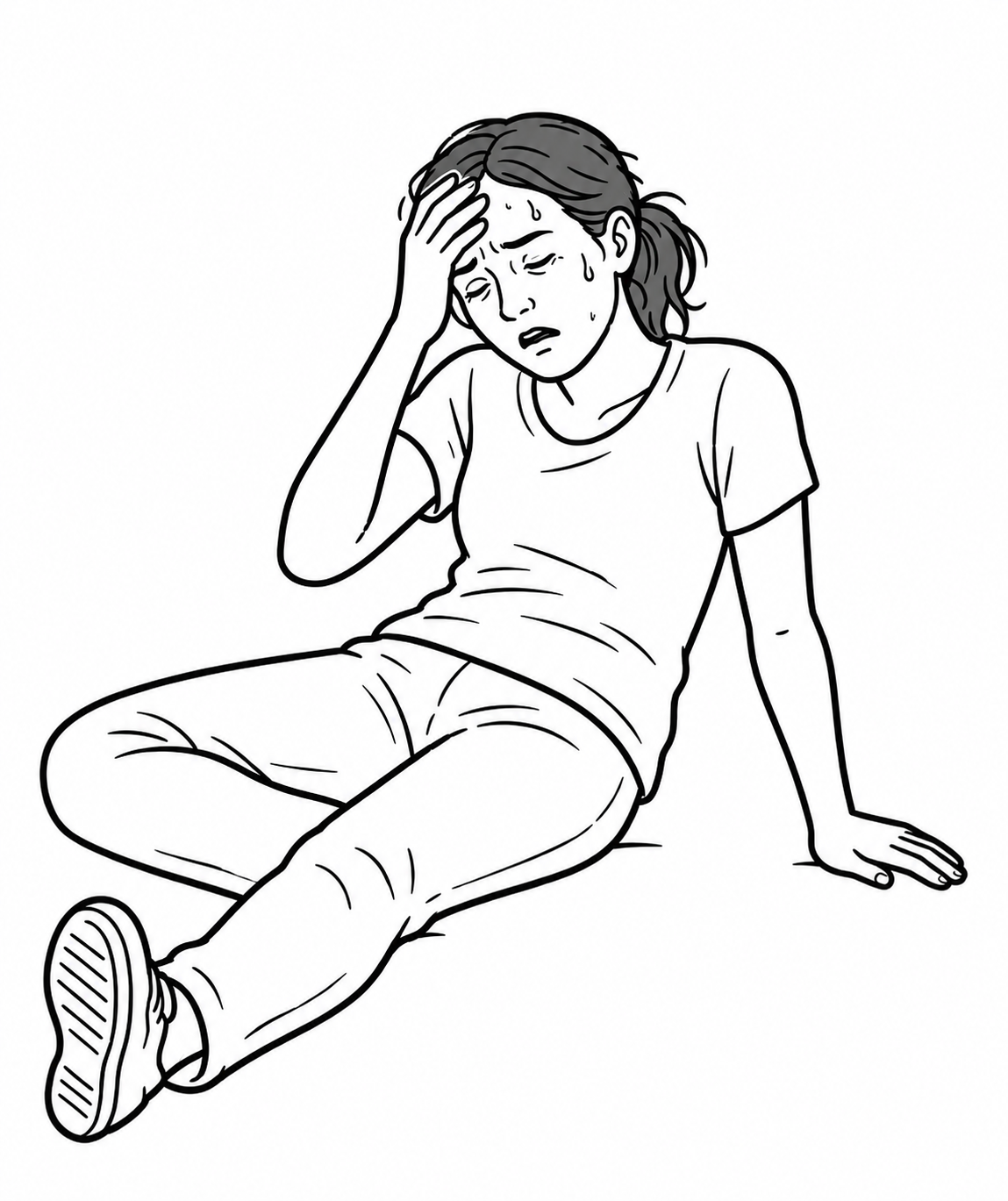
Early manifestations include tremor, anxiety, insomnia, nausea, diaphoresis and tachycardia. Increasing excitation may produce hallucinations and generalised seizures. Severe widespread dysfunction causes delirium, agitation, disorientation, perceptual disturbance, fever, hypertension and marked sympathetic activation.
Repeated withdrawal episodes may progressively lower the threshold for severe withdrawal through kindling. Concurrent illness, dehydration, malnutrition and metabolic disturbance can amplify the syndrome and independently contribute to delirium.
Alcohol withdrawal delirium is not simply severe agitation. The defining feature is delirium—a fluctuating disturbance of attention, awareness and cognition—occurring in the appropriate withdrawal context.
Clinical Manifestations
Delirium
Core manifestations include:
- impaired attention and reduced awareness of the environment
- acute onset with a fluctuating course
- disorientation and confusion
- impaired memory, language or visuospatial function
- agitation, fear or behavioural disturbance
- disturbed sleep–wake cycle
- visual, tactile or auditory hallucinations
- paranoid ideas or delusions.
Although hyperactive delirium is typical, hypoactive or mixed presentations may occur and can be overlooked.
Autonomic Hyperactivity
Common findings include:
- coarse tremor
- diaphoresis
- tachycardia
- hypertension
- fever or hyperthermia
- tachypnoea
- nausea and vomiting
- psychomotor agitation.
Associated Findings
Patients may also have dehydration, malnutrition, electrolyte abnormalities, withdrawal seizures, trauma, infection, gastrointestinal bleeding, pancreatitis, liver disease or Wernicke encephalopathy.
Clinical Course
The timing of symptoms provides an important diagnostic clue, although considerable overlap occurs:1,2
| Approximate time after cessation or substantial reduction | Typical manifestations |
|---|---|
| 6–24 hours | Tremor, anxiety, insomnia, nausea, diaphoresis, tachycardia and hypertension |
| 12–48 hours | Generalised withdrawal seizures, most occurring within 48 hours |
| 12–48 hours | Alcohol-withdrawal hallucinosis may develop while orientation and attention remain relatively preserved |
| 48–72 hours, sometimes later | Alcohol withdrawal delirium with fluctuating inattention, confusion and autonomic hyperactivity |
Alcohol withdrawal delirium commonly lasts several days but may persist longer, particularly when treatment is delayed or medical complications coexist.1
Diagnosis & Investigations
Alcohol withdrawal delirium is a clinical diagnosis. It requires:
- an acute disturbance of attention and awareness that fluctuates in severity
- an additional cognitive or perceptual disturbance
- evidence that the syndrome developed during or shortly after cessation or substantial reduction of prolonged, heavy alcohol use
- exclusion of alternative or additional causes of delirium.1,2
Do not attribute delirium to alcohol withdrawal solely because the patient drinks heavily. Infection, head injury, hepatic encephalopathy, intoxication, medication toxicity, metabolic disturbance and other causes commonly coexist.
Immediate Assessment
- airway, breathing and circulation
- level of consciousness and ability to protect the airway
- blood pressure, pulse, respiratory rate, temperature and oxygen saturation
- bedside blood glucose
- time of the last drink and the recent change in alcohol intake
- usual alcohol consumption and duration of heavy use
- previous withdrawal delirium or seizures
- concurrent substance use and prescribed medicines
- recent falls, head injury, seizures, infection or gastrointestinal bleeding
- hydration and nutritional status
- features of Wernicke encephalopathy.
Collateral history from family, carers, ambulance staff or previous records is often essential because delirium makes self-report unreliable.
Investigations
- full blood count
- electrolytes, urea, creatinine and glucose
- magnesium, phosphate and calcium
- liver function tests and coagulation profile
- blood alcohol concentration
- electrocardiogram
- venous or arterial blood gas and lactate when clinically indicated
- blood cultures, urinalysis, chest imaging or other infection investigations when indicated
- toxicology testing when co-ingestion or another withdrawal syndrome is possible
- creatine kinase when severe agitation, prolonged restraint or rhabdomyolysis is suspected
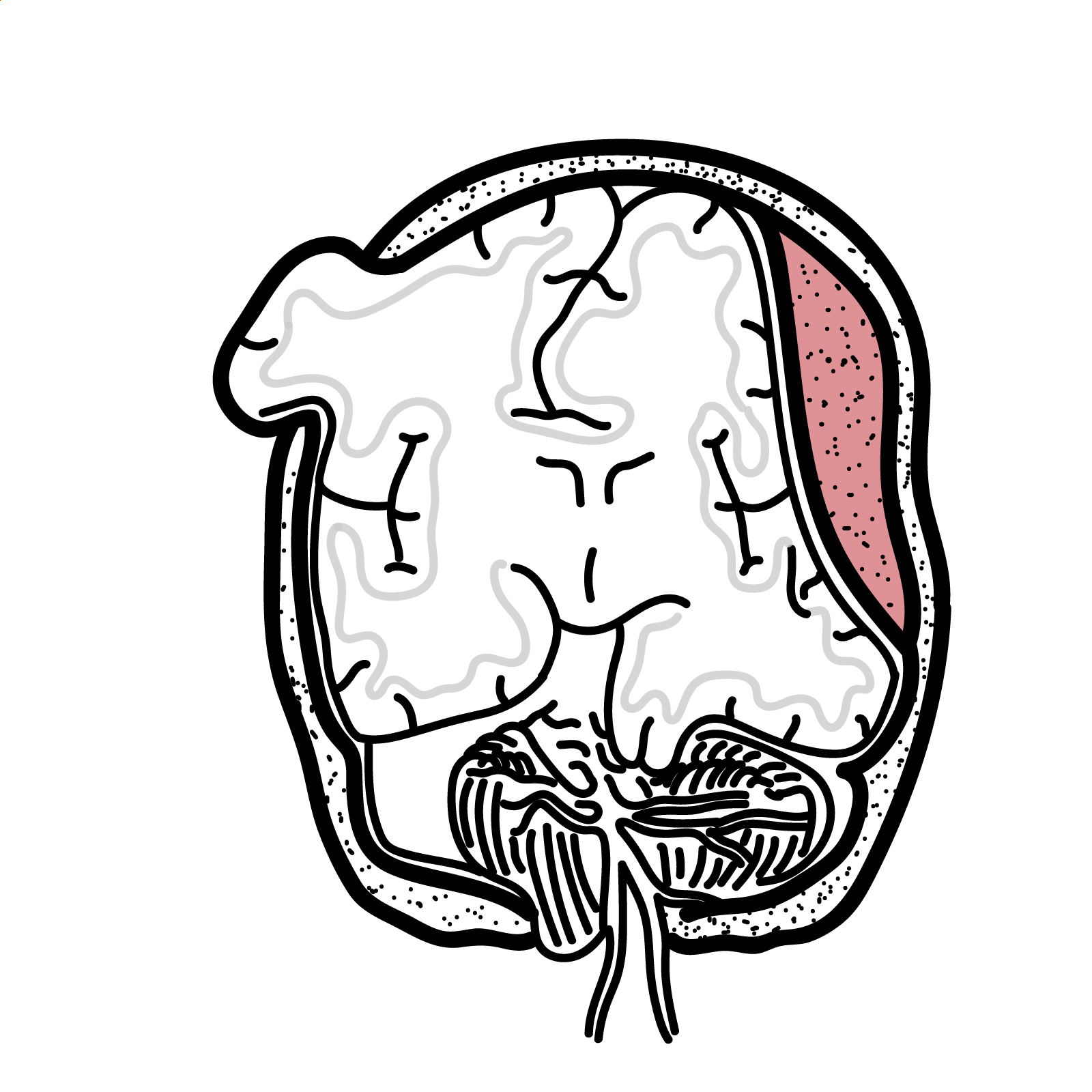
- computed tomography of the brain when there is head trauma, focal neurology, an atypical seizure, prolonged reduced consciousness or another intracranial concern.
Monitoring
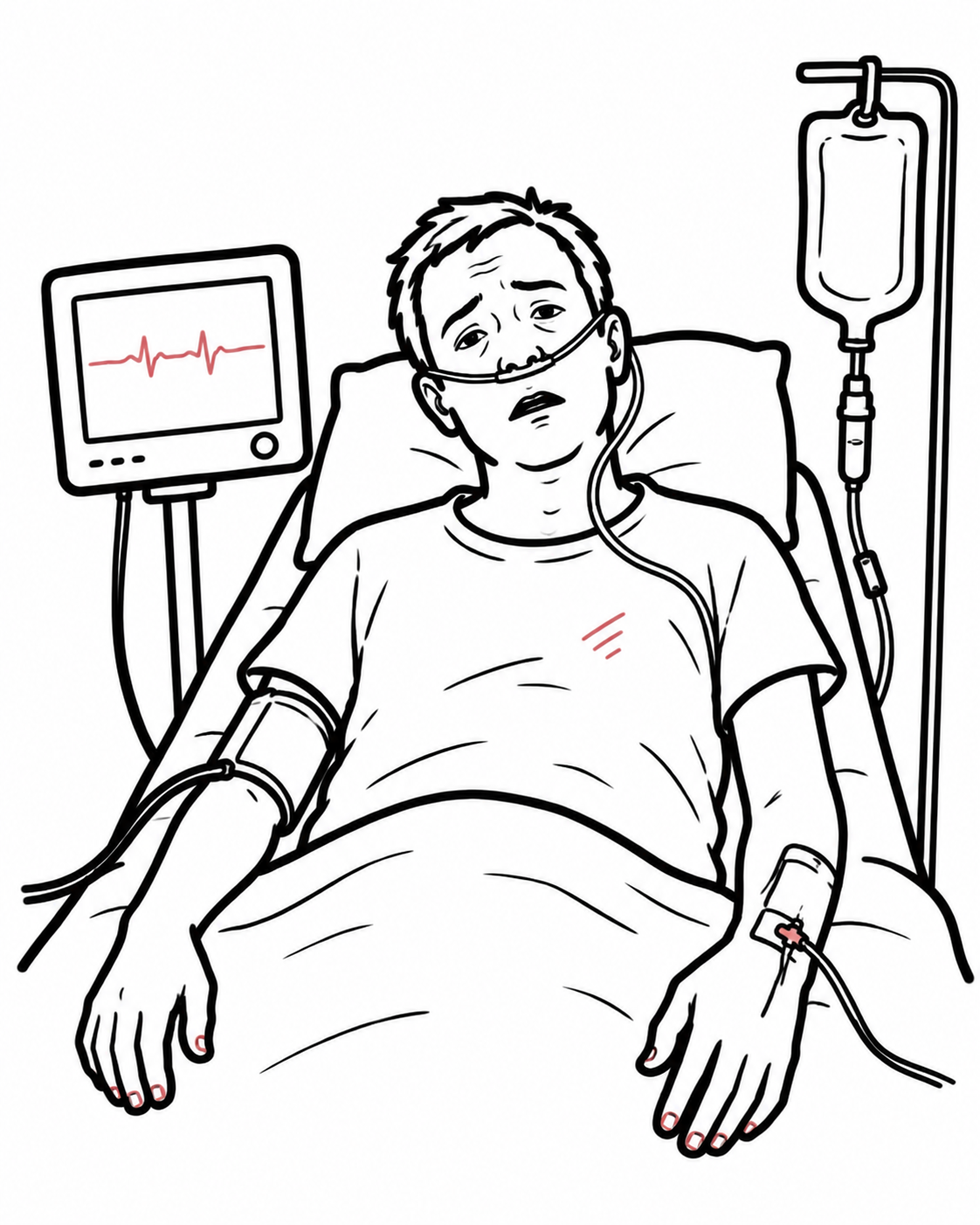
Monitor vital signs, hydration, fluid balance, mental state, sedation and response to medication frequently. Continuous cardiac and oxygen-saturation monitoring may be required in severe disease.
The Clinical Institute Withdrawal Assessment for Alcohol–Revised (CIWA-Ar) can assist before delirium develops but depends on reliable patient responses. It should not guide treatment once a patient is delirious or unable to communicate reliably. Objective monitored-care tools, such as the Richmond Agitation–Sedation Scale or a locally approved delirium-withdrawal protocol, are more appropriate.2
A high CIWA-Ar score is not diagnostic of alcohol withdrawal delirium, and CIWA-Ar becomes unreliable when delirium prevents meaningful communication. Use clinical assessment and an objective monitored-care protocol.2
Important Differential Diagnoses
| Differential | Distinguishing features |
|---|---|
| Alcohol-withdrawal hallucinosis | Hallucinations with relatively preserved attention, orientation and consciousness |
| Wernicke encephalopathy | Altered mental state with ocular abnormalities, gait or truncal ataxia; the complete triad is often absent |
| Hepatic encephalopathy | Liver decompensation, asterixis and a typically hypoactive mental state; may coexist with withdrawal |
| Sepsis or meningoencephalitis | Infective source, hypotension, meningism or focal neurological findings |
| Head injury or intracranial haemorrhage | Recent fall or trauma, focal deficit, headache or unexplained reduction in consciousness |
| Sedative withdrawal | Benzodiazepine or barbiturate reduction; may closely resemble alcohol withdrawal |
| Substance intoxication | Exposure history, toxidrome or impaired consciousness inconsistent with uncomplicated withdrawal |
| Metabolic delirium | Hypoglycaemia, hypoxia, renal failure or major electrolyte disturbance |
| Primary psychosis | Usually preserved attention and orientation without marked autonomic withdrawal signs |
Treatment
Alcohol withdrawal delirium requires urgent inpatient treatment in a setting capable of close observation, frequent medication, cardiorespiratory monitoring and escalation to critical care.1–3
Immediate Management
- Stabilise the airway, breathing and circulation.
- Place the patient in a quiet, well-lit and closely observed environment.
- Administer benzodiazepines promptly and titrate to control agitation while maintaining safe respiration and an arousable state.
- Give parenteral thiamine when Wernicke encephalopathy is suspected or the patient is significantly malnourished.
- Correct hypoglycaemia, dehydration and electrolyte abnormalities.
- Identify and treat precipitating or coexisting illness.
- Escalate severe agitation, respiratory compromise, hyperthermia, haemodynamic instability or refractory symptoms to critical care.
Benzodiazepines
Benzodiazepines are first-line therapy. Repeated doses may be required because patients with alcohol withdrawal delirium can need substantially greater doses than those with uncomplicated withdrawal.1–3
An Australian diazepam-loading approach for severe withdrawal uses 10–20 mg orally every 1–2 hours, titrated to light sedation, commonly to a cumulative 60–80 mg, with medical review if agitation persists. Dosing must be individualised and delivered with close monitoring.1
Intravenous treatment may be required when oral administration is unsafe or rapid control is necessary. Shorter-acting agents without active metabolites, such as lorazepam, may be preferred when severe hepatic impairment increases the risk of diazepam accumulation.
Monitor for respiratory depression, excessive sedation, aspiration and accumulation of long-acting metabolites. Physical restraint should be avoided when possible and used only when necessary for immediate safety under appropriate clinical governance.
Refractory Withdrawal
If symptoms remain uncontrolled:
- confirm that an adequate benzodiazepine dose has been given
- reassess for sepsis, head injury, hypoxia, hepatic encephalopathy, intoxication or another cause of delirium
- seek senior and critical-care support
- consider phenobarbital as an adjunct in a closely monitored setting under an experienced protocol
- consider intensive-care sedation when agitation remains dangerous despite appropriate therapy.
Antipsychotics may be used cautiously as an adjunct for persistent severe agitation or hallucinations after adequate benzodiazepine treatment. They must not replace benzodiazepines because they do not treat the underlying withdrawal physiology and may lower the seizure threshold.1,2
Thiamine and Supportive Care
Give thiamine early to patients undergoing alcohol withdrawal. Patients with suspected Wernicke encephalopathy require high-dose parenteral treatment according to local guidance; do not rely on oral thiamine alone.1,3
Additional supportive care includes:
- cautious intravenous or oral fluid replacement
- correction of magnesium, potassium and phosphate abnormalities
- nutritional assessment and support
- prevention of aspiration, pressure injury, venous thromboembolism and falls
- regular orientation and sleep–wake support
- treatment of infection, trauma, bleeding or organ dysfunction.
Thiamine should be administered before carbohydrate when feasible, but treatment of hypoglycaemia must never be delayed while awaiting thiamine.1
Antipsychotics are adjuncts, not primary treatment. Benzodiazepines remain essential because they treat the underlying withdrawal state and reduce withdrawal-related seizures.1,2
After Stabilisation
Once delirium resolves:
- taper withdrawal medication according to clinical response and local protocol
- reassess cognition and neurological function
- evaluate alcohol dependence and coexisting psychiatric or substance-use disorders
- offer relapse-prevention treatment, psychosocial support and addiction-medicine follow-up
- develop a plan for any future medically supervised withdrawal
- educate the patient and family about the risk of recurrent, potentially more severe withdrawal.
Complications & Prognosis
Complications
Complications include:
- generalised seizures and status epilepticus
- aspiration pneumonia
- respiratory depression associated with sedative treatment
- hyperthermia and severe dehydration
- electrolyte disturbance and cardiac arrhythmia
- rhabdomyolysis
- falls, trauma and intracranial injury
- Wernicke encephalopathy
- infection, pancreatitis or gastrointestinal bleeding
- cardiovascular collapse
- prolonged delirium
- death.
Prognosis
With prompt recognition, adequate benzodiazepine treatment, supportive care and management of associated illness, most patients recover over several days. Contemporary mortality is substantially lower than historical rates but increases when treatment is delayed or when infection, trauma, seizures, hyperthermia, major electrolyte disturbance or organ failure coexist.1,2
A previous episode places the patient at high risk of recurrence. Future abrupt cessation should be avoided outside a medically supervised withdrawal plan.
References
- Haber PS, Riordan BC. Guidelines for the treatment of alcohol problems. 4th ed. Sydney: Specialty of Addiction Medicine, Faculty of Medicine and Health, University of Sydney; 2021. Available from: https://alcoholtreatmentguidelines.com.au
- Wong J, Saver B, Scanlan JM, Gianutsos LP, Bhakta Y, Walsh J, et al. The ASAM clinical practice guideline on alcohol withdrawal management. J Addict Med. 2020;14(3S Suppl 1):1–72. doi:10.1097/ADM.0000000000000668
- National Institute for Health and Care Excellence. Alcohol-use disorders: diagnosis and management of physical complications [Internet]. London: NICE; 2010 [updated 2017 Apr 12; cited 2026 Aug 10]. Available from: https://www.nice.org.uk/guidance/cg100



Members only discussions coming soon…