thromboembolism
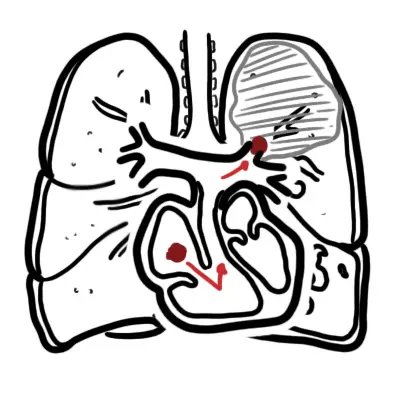
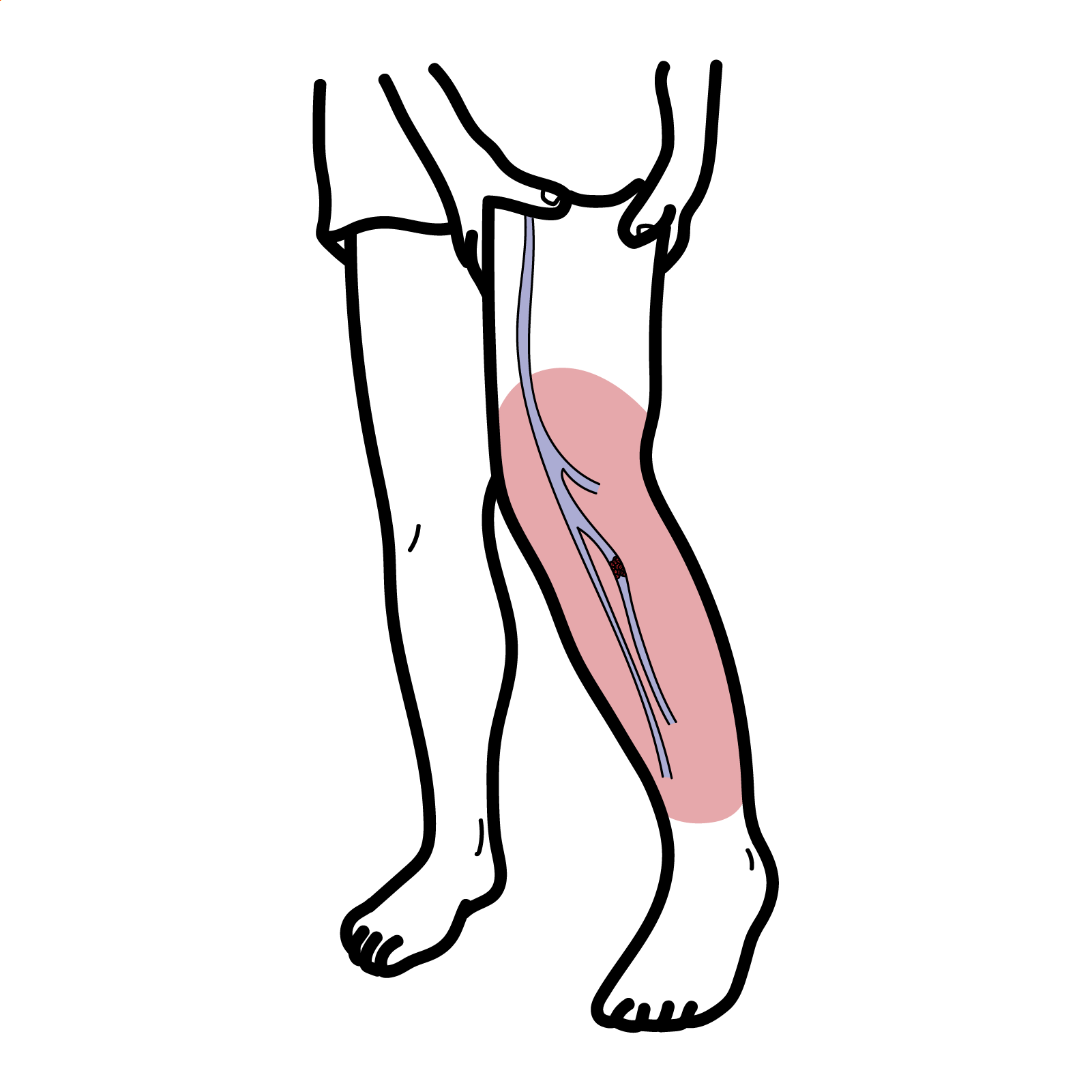
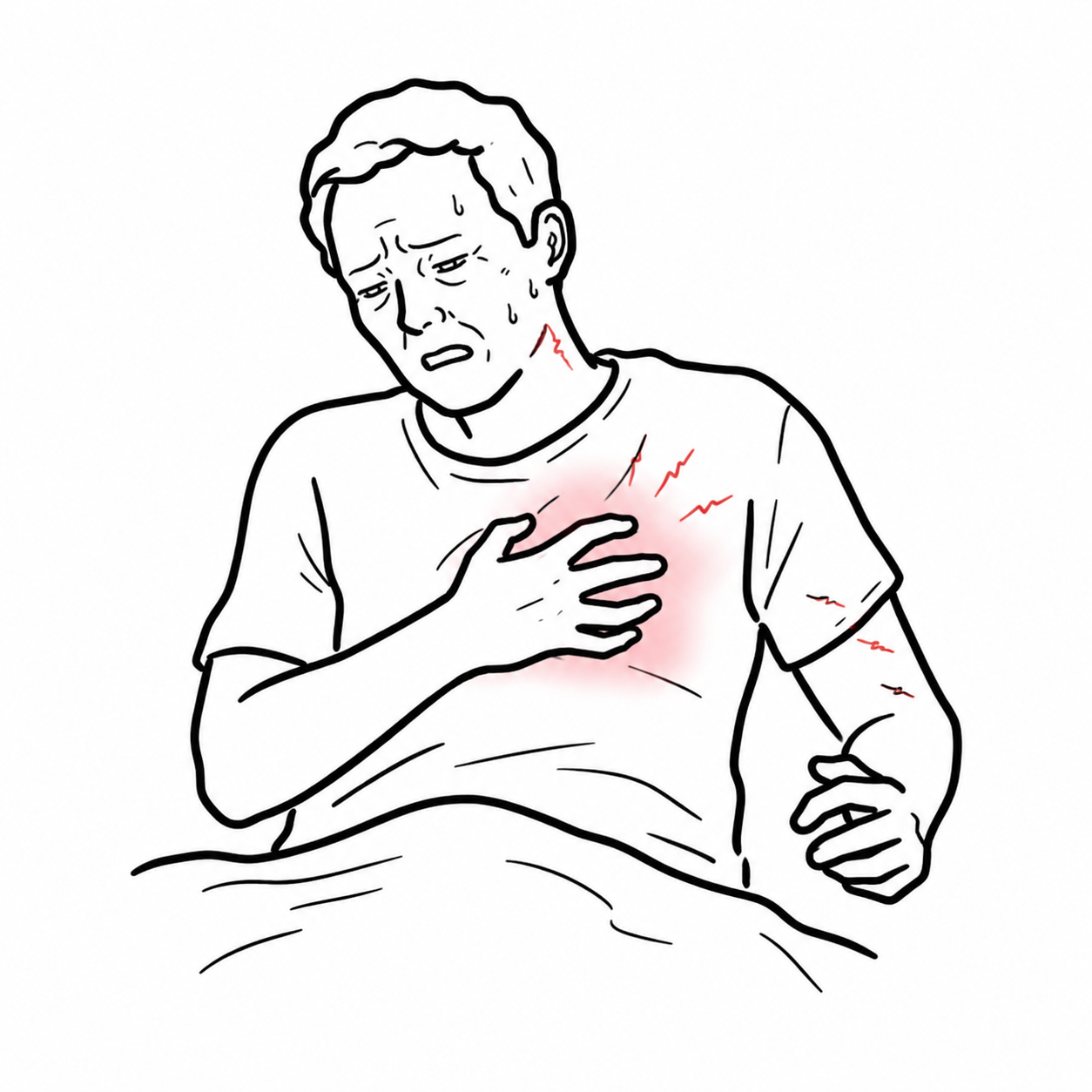
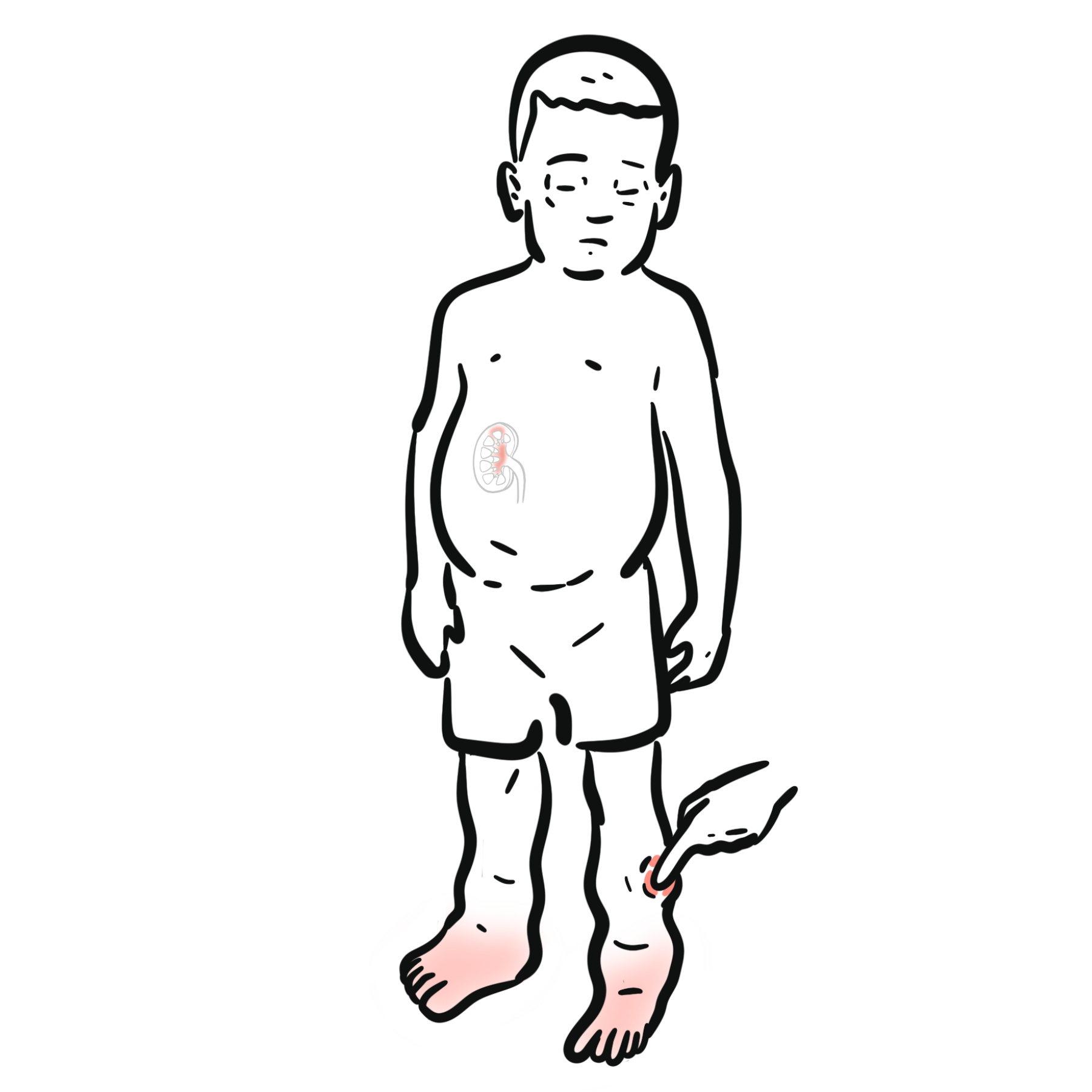
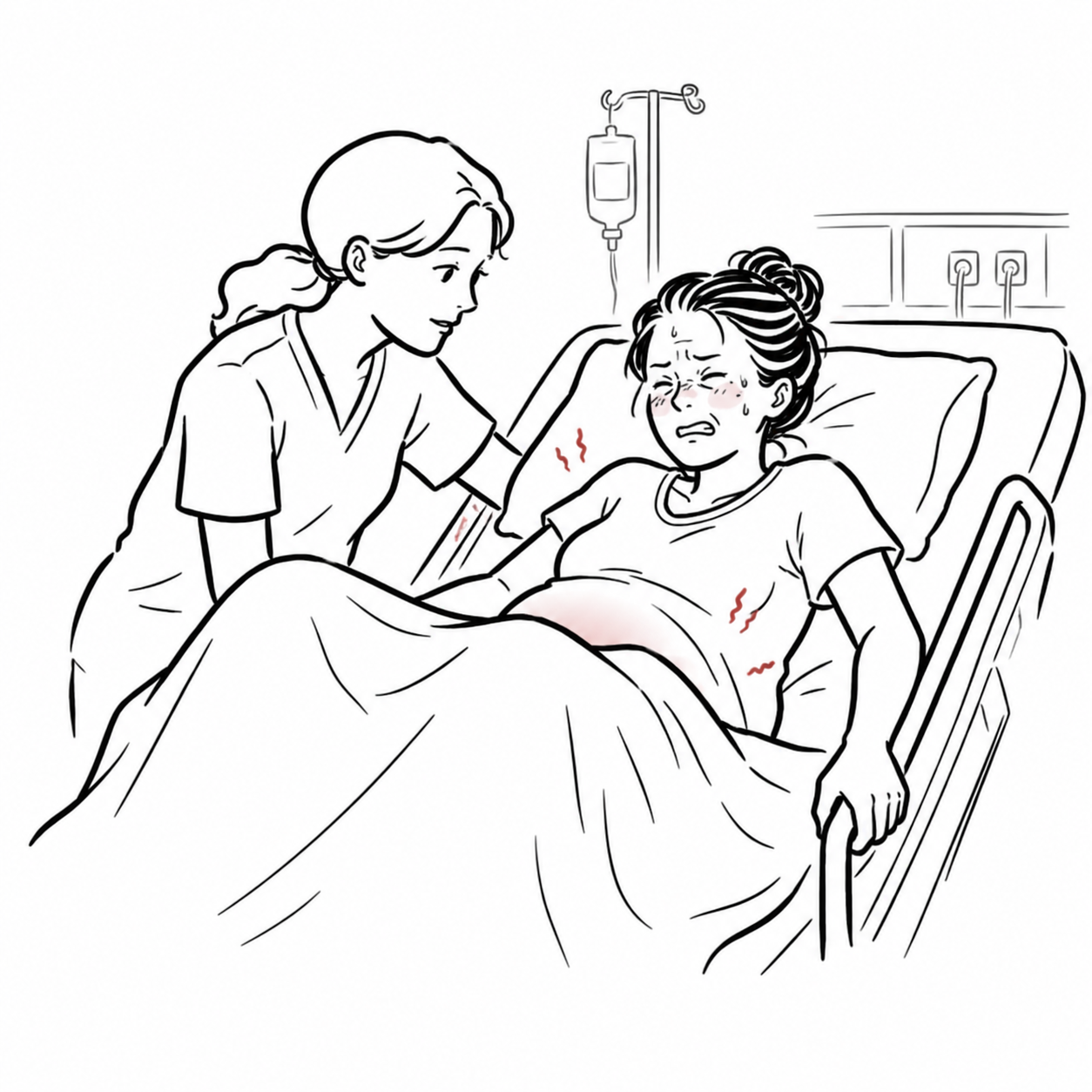
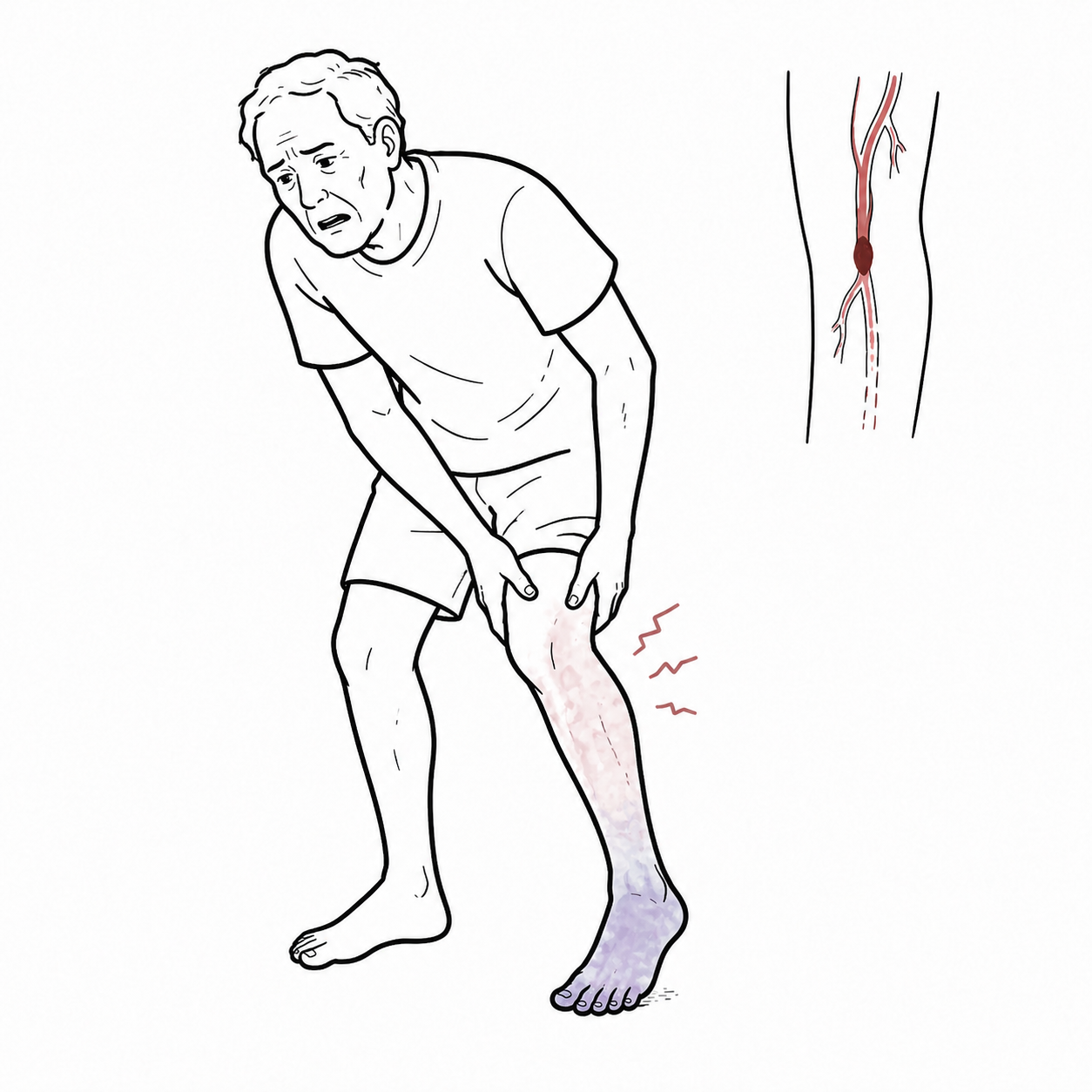
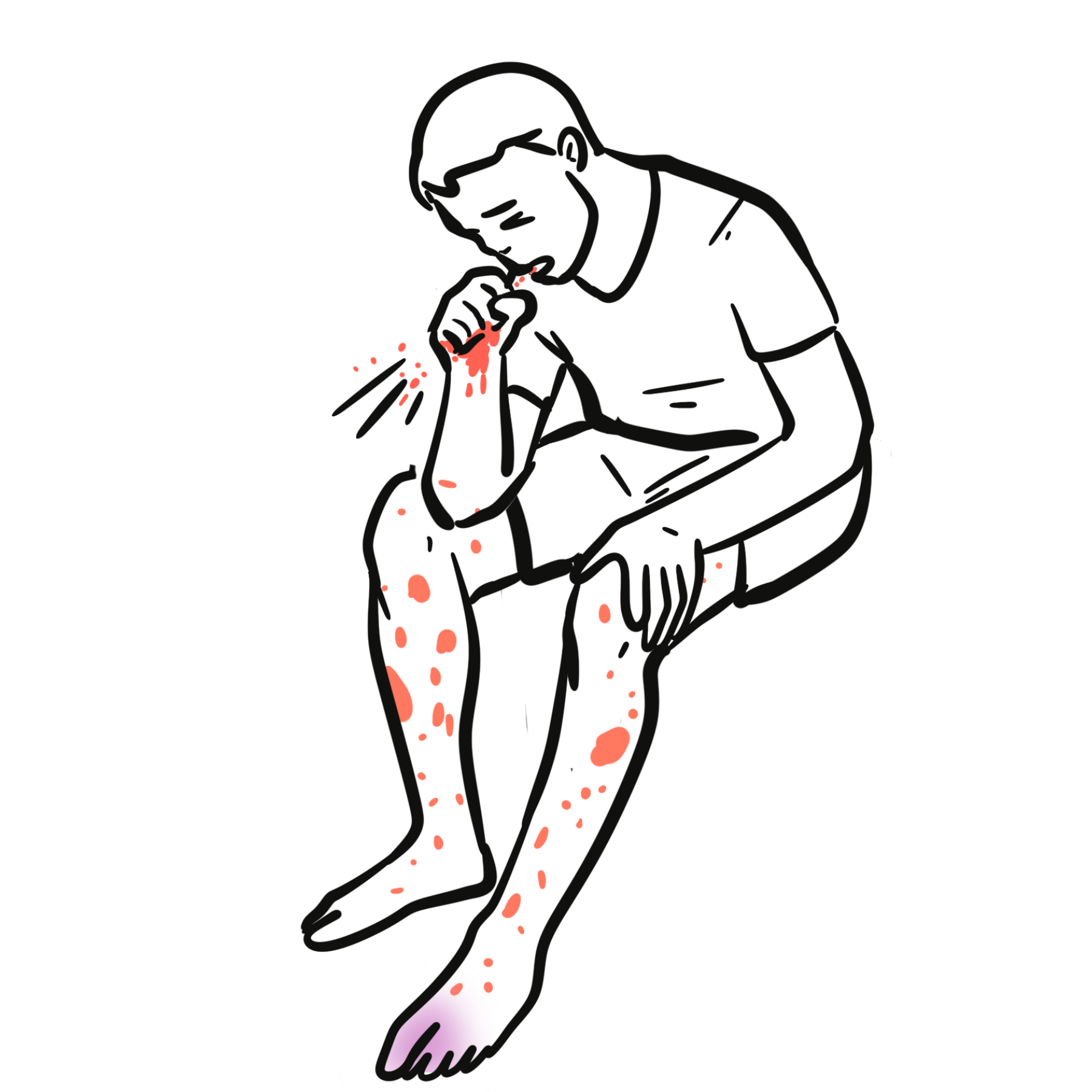
Thromboembolism is the obstruction of a blood vessel by a clot (thrombus) that has dislodged and travelled through the bloodstream (embolus), impairing blood flow to downstream tissues. It is clinically significant because it can cause acute ischemia, leading to organ damage or death if not promptly diagnosed and treated. A common and serious example is pulmonary embolism, where a clot blocks pulmonary arteries, compromising respiratory and cardiovascular function.