

Visual explanationFree resource
Visual medical education by Armando Hasudungan
Medical science, drawn into focus.
Explore visual explanations that reveal how the facts, processes and clinical patterns fit together—then discover the coming AH study platform, built to guide what you study next and check what stuck.
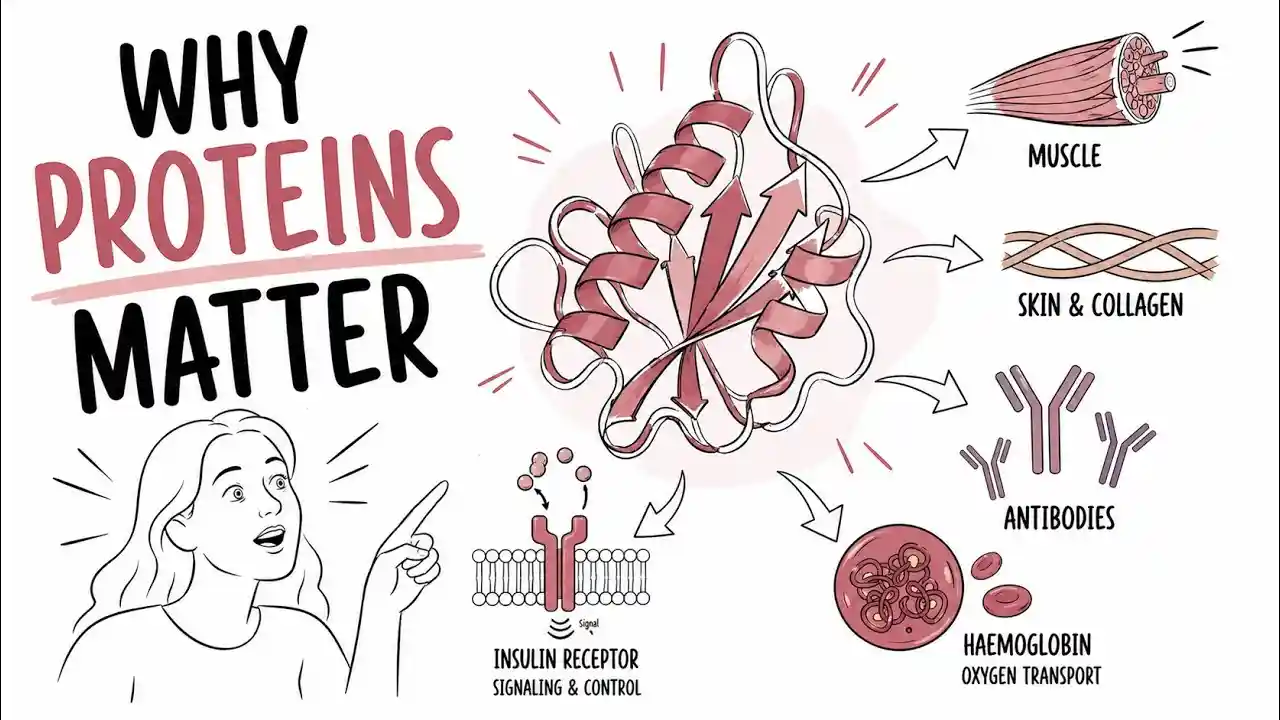
Connected studyComing soon
Clear visual explanations used by medical and allied-health learners around the world.
Explore the free library
Start with the topic in front of you.
Browse by subject or jump straight into the explanation you need. No account required.
Hypercholesterolaemia
Overview Higher levels of cholesterol associated with worse CV outcomes. Three main types that are measured: VLDL, LDL and HDL. High LDL is associated with a significant increase in cardiovascular problems. Hypercholesterolaemia can also run in families. Lifestyle modification aim to reduce cardiovascular risk. Pharmacological agents are lipid lowering drugs, statins being first-line. Lipid Physiology…
View topic ↗Biceps Tendon Rupture
Overview A biceps tendon rupture is a partial or complete tear of the tendon attaching the biceps muscle to the shoulder or elbow. Proximal ruptures, usually involving the long head of the biceps at the shoulder, are more common and often result from age-related degeneration or associated rotator-cuff disease. They typically cause upper-arm pain, bruising…
View topic ↗Chronic Lower Limb Ischaemia: Intermittent Claudication
Overview Chronic lower limb ischemia can be classified using the Fontaine classification: I – asymptomatic II – intermittent claudication III – rest pain IV – ulcers/gangrene Grades III and IV are classified as Critical Limb Ischemia. Intermittent claudication is a type of chronic lower limb ischemia that presents with muscle pain on exercise and is…
View topic ↗Somatoform Disorders
Overview Doctors and patients often experience frustration and helplessness in consultations around medically unexplained symptoms. Up to 50 percent of primary care patients present with physical symptoms that cannot be explained by a general medical condition. Although most do not meet the strict psychiatric diagnostic criteria for one of the somatoform disorders, they can be referred to…
View topic ↗Mitral Stenosis
Overview Mitral stenosis causes an obstruction to blood flow from the left atrium to left ventricle usually as a result of rheumatic heart disease. The stenosis results in increased pressure in the left atrium, pulmonary vasculature and right side of heart. Mitral valve disease is a frequent cause of heart failure and death. Mitral valve area:…
View topic ↗Acute Respiratory Distress Syndrome
Overview ARDS is an acute, diffuse, inflammatory lung injury that leads to increased pulmonary vascular permeability, increased lung weight, and a loss of aerated tissue. Clinical hallmarks of ARDS are hypoxemia and bilateral radiographic opacities, while the pathological hallmark is diffuse alveolar damage. Pathophysiology Aetiology Indirect lung injury: sepsis, shock, trauma, pancreatitis, drug OD, intracranial haemorrhage,…
View topic ↗Prostatitis
Overview Prostatitis refers to a spectrum of conditions involving inflammation of the prostate gland, ranging from acute bacterial infection to chronic pelvic pain syndromes. It is a common urological condition affecting men of all ages, particularly those aged 30–50 years. The National Institutes of Health (NIH) classifies prostatitis into four categories: acute bacterial, chronic bacterial, chronic…
View topic ↗Full resource library
Browse all topics ↗Choose how you learn
One idea. More than one way to see it.
Use the format that helps the topic click, then switch formats when you need to reinforce it.
01 / WATCH02 / READ03 / SEE04 / CHECK
Videos
Hand-drawn explanations that build the big picture as the concept unfolds.
Notes
Clear written explanations for review, reference and filling in the details.
Diagrams
Visual snapshots that help you easily review topics.
Questions
Test whether the explanation stayed with you—not just whether it looked familiar.
Good places to begin
Explanations learners return to.
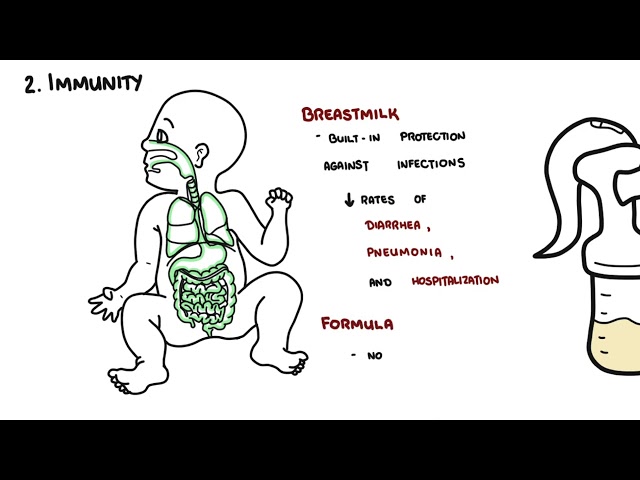
Is my baby getting enough to eat? – Newborn feeding signs
Is my baby eating enough? Learn clear feeding signs, diaper cues, weight milestones, and hunger signals to know your newborn is well nourished. In this video you'll discover how to tell if your baby is getting enough breast milk or formula by tracking diaper output, typical feeding frequency, weight patterns, and observable hunger cues. Learn…

Congenital Hypertrophic Pyloric Stenosis
Understand Pyloric Stenosis, a condition that affects infants and causes severe vomiting due to the narrowing of the pylorus. This video explains the causes, symptoms, diagnosis, and treatment options, including the importance of early intervention. Ideal for parents, medical students, and healthcare professionals seeking clear, concise information on this common pediatric condition.
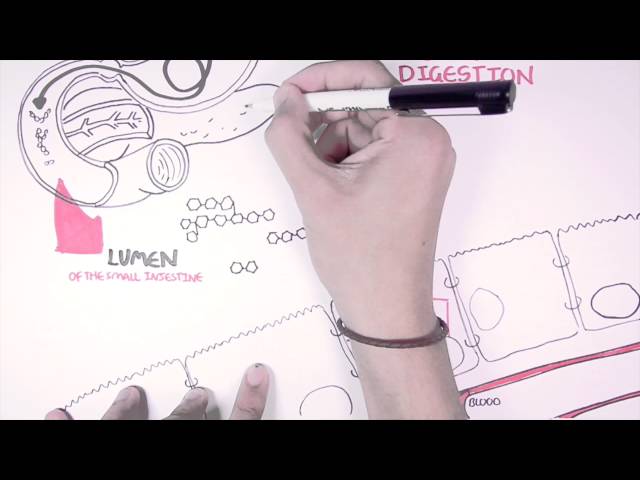
Starch (Carbohydrate) Digestion and Absorption
Learn how starch is digested and absorbed in the human body, starting with enzymatic breakdown by salivary and pancreatic amylases. This video explains the process of starch hydrolysis, glucose absorption in the intestines, and its importance in energy metabolism.
Our mission
Medical science is complex. Understanding it should feel possible.
Armando Hasudungan turns difficult medical science into clear visual explanations and connected learning experiences—so learners can see the whole picture, remember what matters and find a clearer way forward.
See it clearly
Turn abstract processes and invisible relationships into something the learner can picture.
Connect the pieces
Build understanding around how concepts fit together—not a pile of isolated facts.
Make it useful
Help learners move from explanation to recall, revision and the next logical step.
What clarity feels like
When the topic stops being a blur.
Learners do not come back because the subject became easy. They come back because the explanation gave them a picture they could work with.
“Armando's teaching style gives me the foundational knowledge.
Jessica Payne-Burnett
Medical Student, Charles Sturt University
“The notes I make during his videos help me retain everything better.
Ayesha RaiStudent, Islamabad Medical and Dental College
“The drawings are amazing and super easy to remember.
Reem Mohamed Khair Abdalrazig
Student, Neelain University
Coming soon: the AH study platform
The explanation is only the start.
The free library helps you find a clear explanation. The AH platform is being built to help you connect the resources, follow a clearer path and check what actually stuck.
- Watch in a focused, ad-free study environment.
- Move between connected videos, notes, diagrams and questions.
- Know what belongs next instead of rebuilding the study path yourself.
- Test your understanding while the topic is still fresh.
New and worth a look
Keep building the picture.
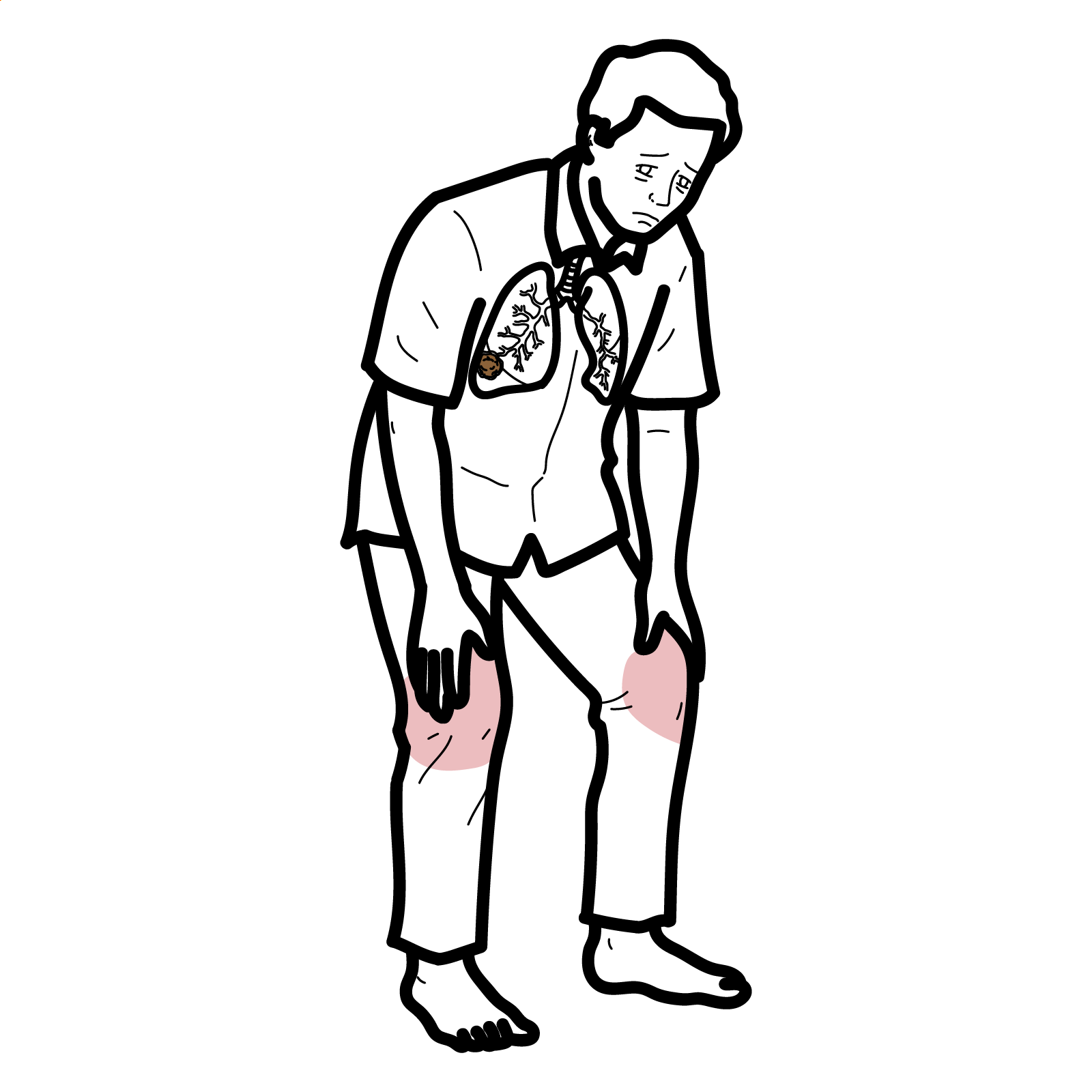
Lambert-Eaton Myasthenic Syndrome
Overview Lambert–Eaton myasthenic syndrome (LEMS) is a rare autoimmune disorder of the presynaptic neuromuscular junction. It causes impaired acetylcholine release, producing the characteristic triad of proximal muscle weakness, reduced reflexes and autonomic dysfunction. LEMS may occur as a paraneoplastic syndrome—most commonly associated with small-cell lung cancer (SCLC)—or as a non-tumour-associated autoimmune disorder. Neuromuscular junction: connection…
View this topic ↗About Visualising Medicine
Good education does not remove complexity. It makes complexity feel simple.
Visualising Medicine is the team behind Armando Hasudungan. We bring together medicine, illustration, writing and technology to make difficult ideas clearer—and build better ways for learners to use them.