

Visual explanationFree resource
Visual medical education by Armando Hasudungan
Medical science, drawn into focus.
Explore visual explanations that reveal how the facts, processes and clinical patterns fit together—then discover the coming AH study platform, built to guide what you study next and check what stuck.
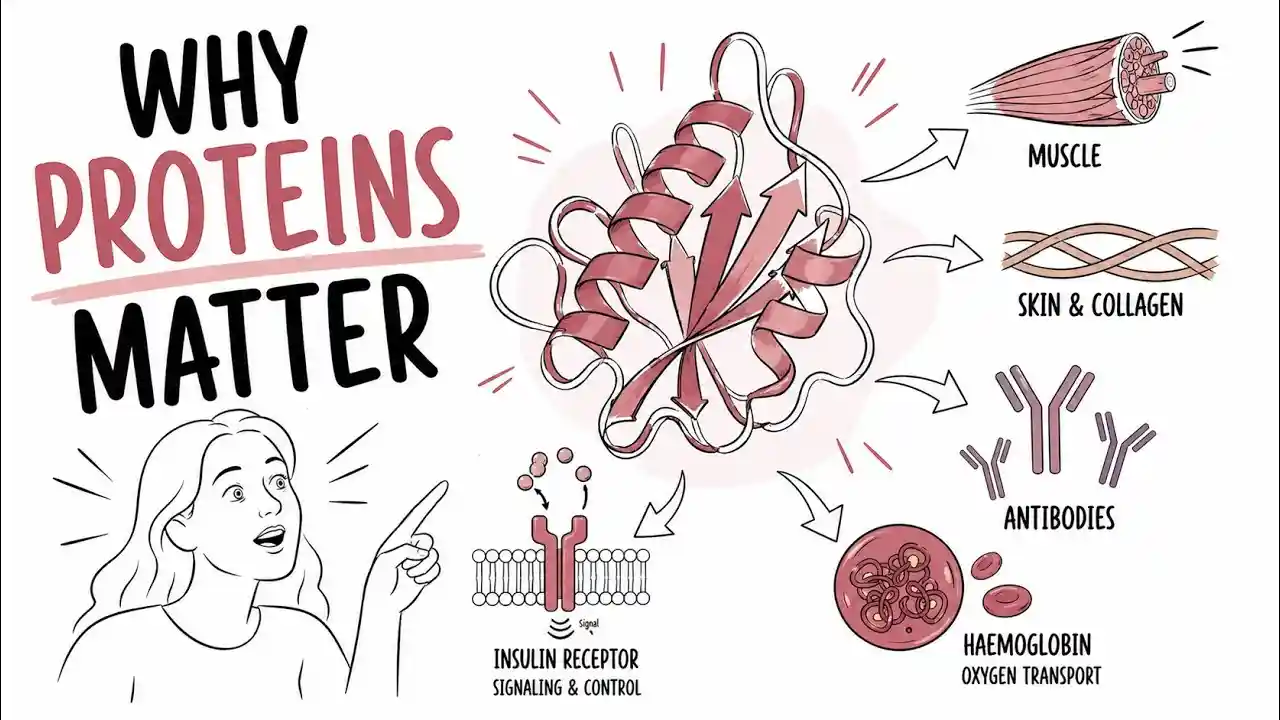
Connected studyComing soon
Clear visual explanations used by medical and allied-health learners around the world.
Explore the free library
Start with the topic in front of you.
Browse by subject or jump straight into the explanation you need. No account required.
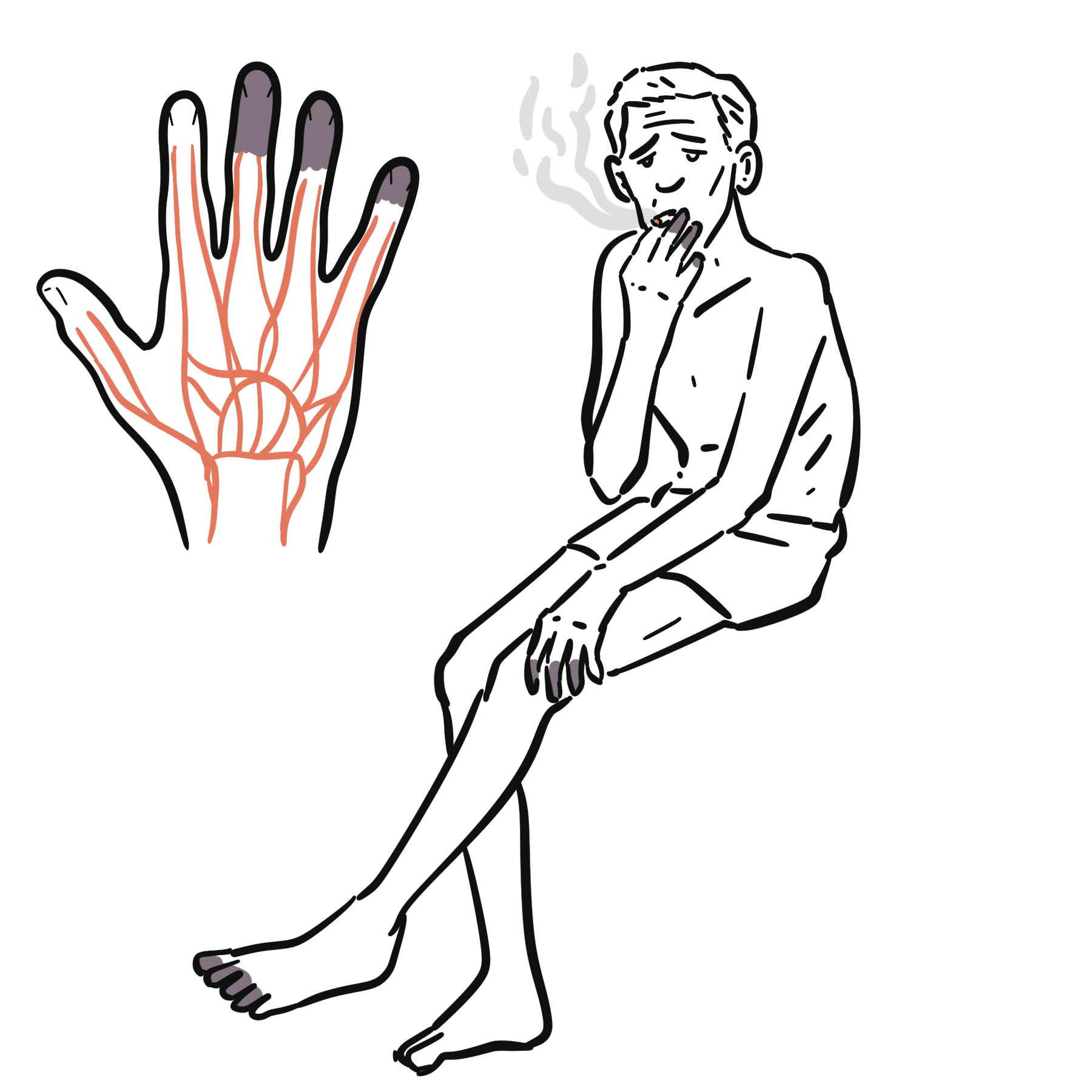
Buerger’s Disease
Overview Buerger’s disease, also called thromboangiitis obliterans , is a non-atherosclerotic inflammatory and thrombotic disorder affecting small- and medium-sized arteries and veins, predominantly in the distal limbs. It is strongly associated with tobacco exposure and causes progressive digital ischaemia, superficial thrombophlebitis, painful ulcers and gangrene. 1–3 The disease classically affects younger people who smoke and…
View topic ↗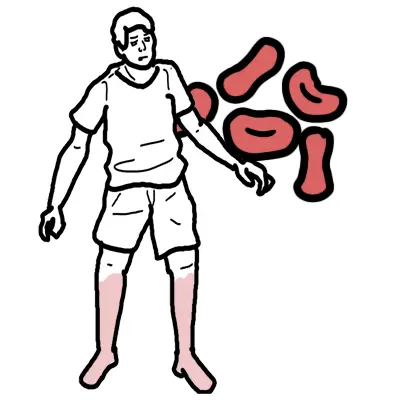
Vitamin B12 Deficiency Anaemia
Overview Vitamin B 12 (cobalamin) deficiency is a common cause of megaloblastic anemia , a variety of neuropsychiatric symptoms, and elevated serum homocysteine levels, especially in older persons. The recognition and treatment of vitamin B 12 deficiency is critical since it is a reversible cause of bone marrow failure and demyelinating nervous system disease. Physiology of…
View topic ↗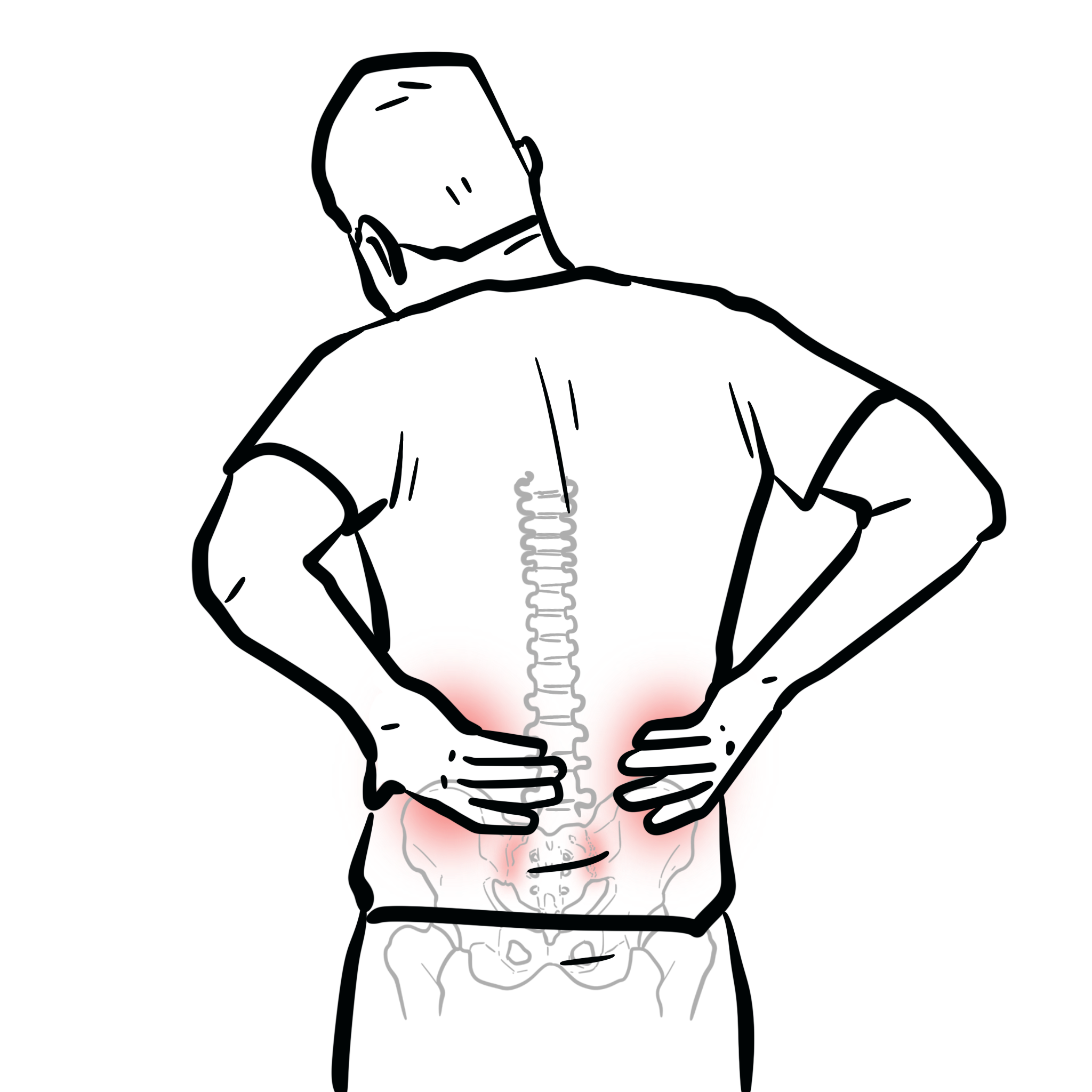
Anklylosing Spondylitis (AS)
Overview Ankylosing spondylitis (AS) is a chronic, progressive inflammatory arthritis that primarily affects the axial skeleton, especially the sacroiliac joints and spine. It is a subtype of the seronegative spondyloarthropathies and is characterised by inflammatory back pain, morning stiffness, and eventual spinal fusion in severe cases. AS often presents in young adults, typically males, and…
View topic ↗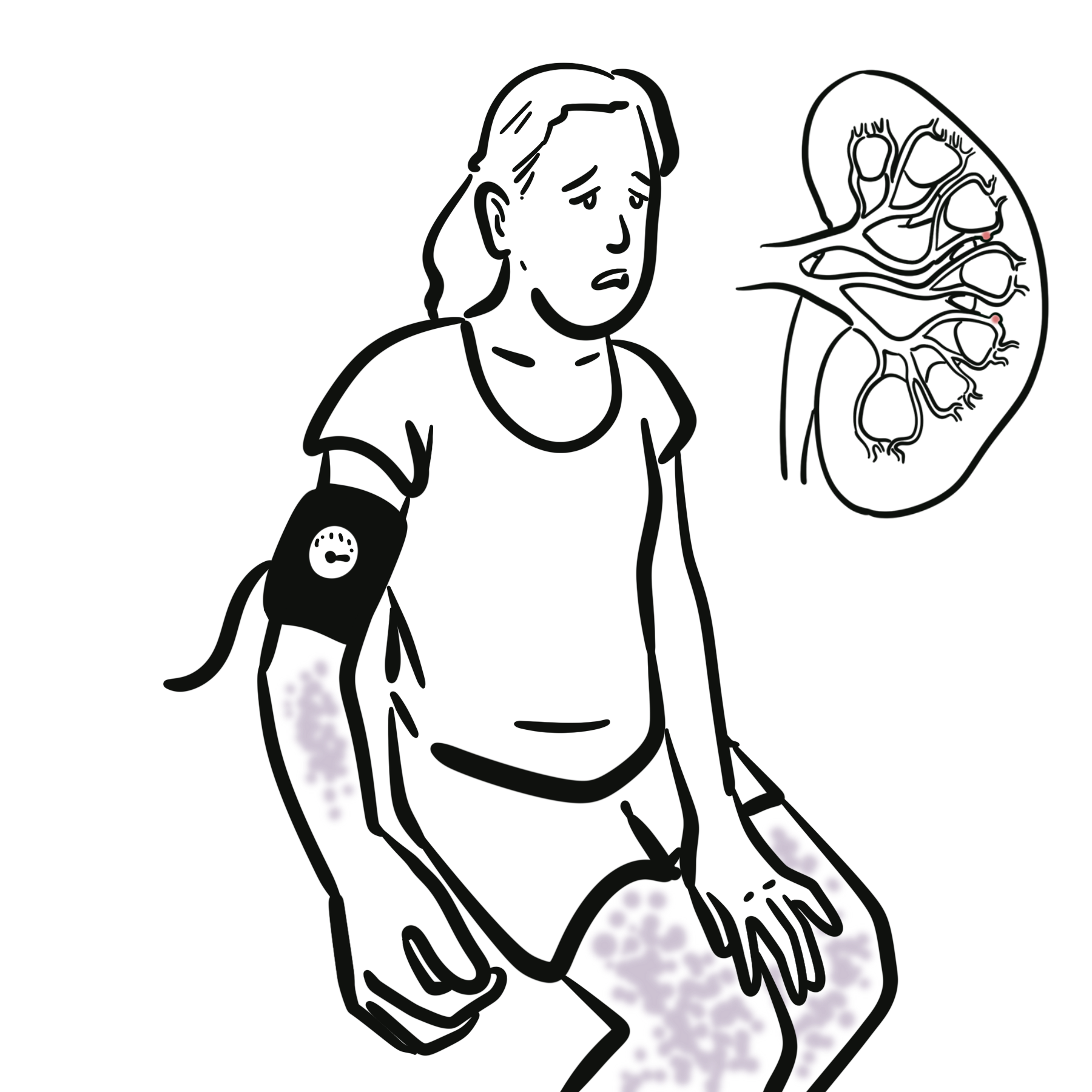
Polyarteritis Nodosa
Overview Polyarteritis Nodosa (PAN) is a necrotising vasculitis that affects medium-sized muscular arteries, leading to transmural inflammation, fibrinoid necrosis, and subsequent aneurysm formation or ischemia. It does not involve arterioles, capillaries, or venules, and is not associated with ANCA. PAN can affect any organ except the lungs. It typically presents in middle-aged adults, more commonly…
View topic ↗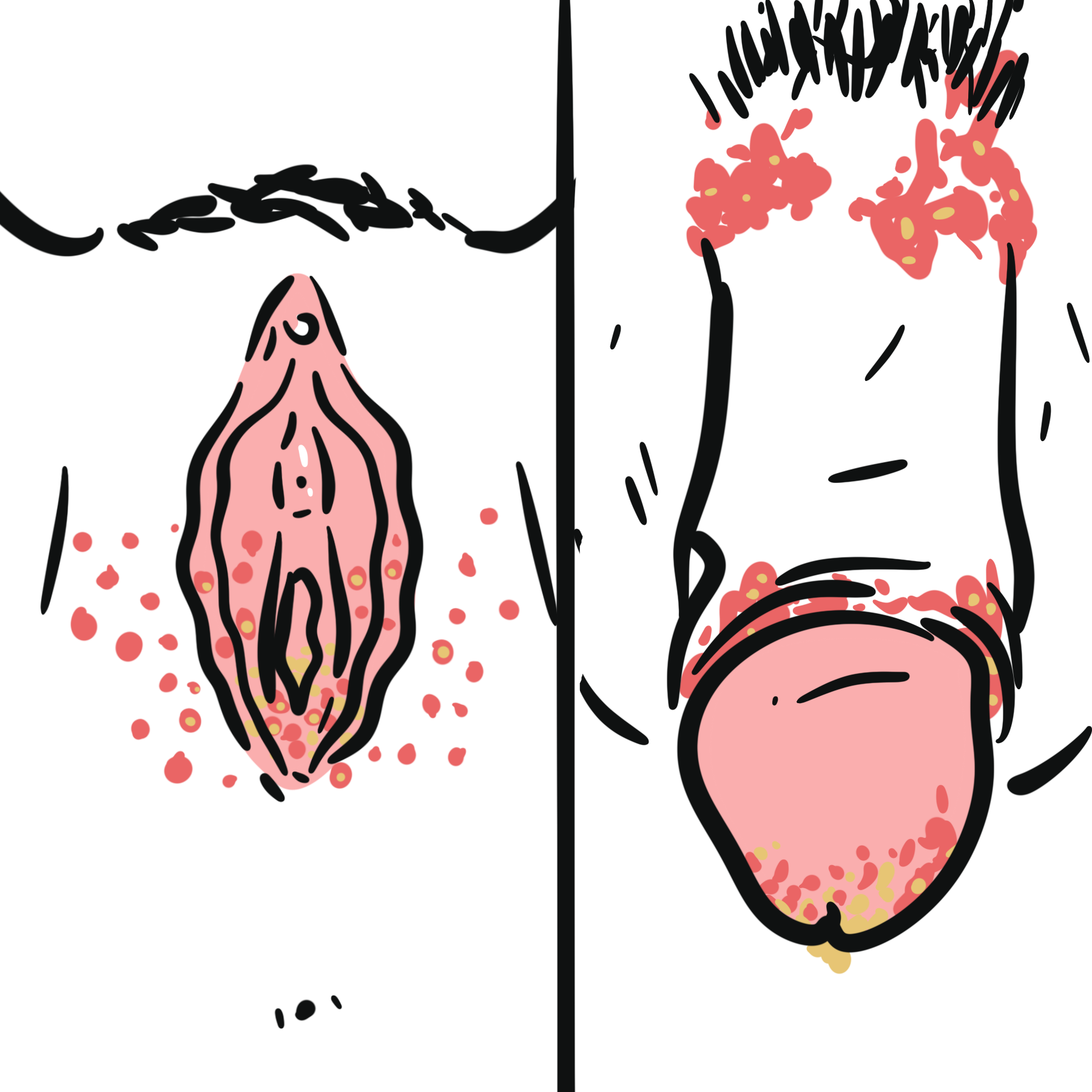
Sexual Transmitted Infection
Overview Sexually transmitted infections (STI) are a significant public health worldwide. STI can result in chronic disease, pregnancy complications, infertility, and even death. Globally, congenital syphilis is still a leading cause of stillbirth and neonatal death. Antibiotic-resistant Neisseria gonorrhoeae continues to be a significant public health concern. Chlamydia trachomatis infection is the most frequently reported…
View topic ↗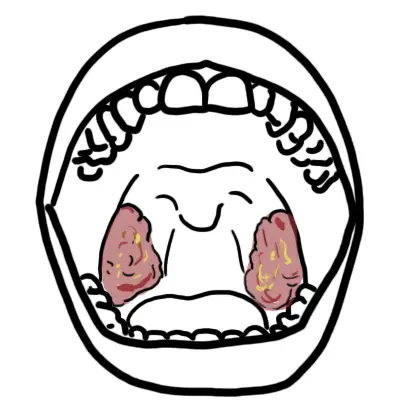
Tonsilitis
Overview Tonsillitis is an acute inflammation of the palatine tonsils, which form part of Waldeyer's mucosal-associated lymphoid ring at the entrance of the upper aerodigestive tract. It is one of the most common infectious presentations in pediatric and young adult populations, presenting as a spectrum from mild viral pharyngitis to severe bacterial infection with life-threatening…
View topic ↗
Piriformis Syndrome
Overview Piriformis syndrome describes buttock pain attributed to irritation or entrapment of the sciatic nerve near the piriformis muscle. Pain may radiate down the back of the thigh and resemble lumbar sciatica. Prolonged sitting often aggravates symptoms. Diagnosis can be difficult because buttock and leg pain have several possible causes and there is no single…
View topic ↗Full resource library
Browse all topics ↗Choose how you learn
One idea. More than one way to see it.
Use the format that helps the topic click, then switch formats when you need to reinforce it.
01 / WATCH02 / READ03 / SEE04 / CHECK
Videos
Hand-drawn explanations that build the big picture as the concept unfolds.
Notes
Clear written explanations for review, reference and filling in the details.
Diagrams
Visual snapshots that help you easily review topics.
Questions
Test whether the explanation stayed with you—not just whether it looked familiar.
Good places to begin
Explanations learners return to.
Immunology Map III – T cell development I
Understand the early stages of T cell development, from progenitor cells in the bone marrow to maturation in the thymus. This video explains key processes like positive and negative selection that shape a functional and self-tolerant T cell repertoire.
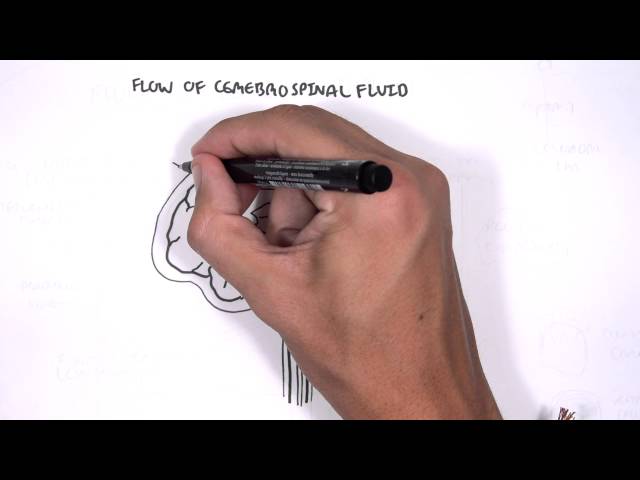
Hydrocephalus
Learn what hydrocephalus is, including its types, underlying pathophysiology, and common signs and symptoms. This video also explores diagnostic methods and treatment options such as shunting procedures.
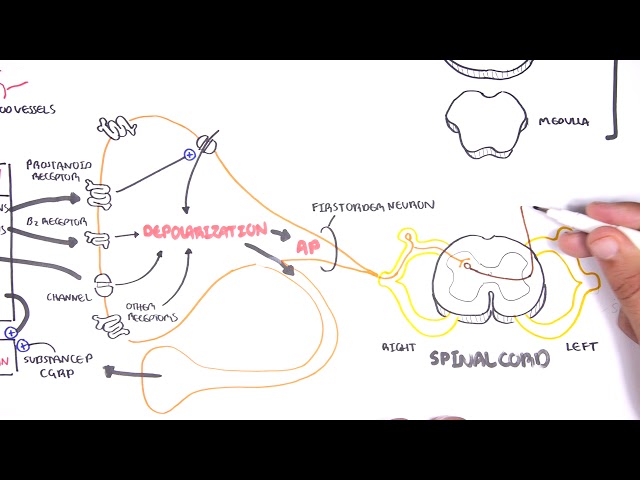
NSAIDs mechanism – COX, prostaglandins & pain pathway
Explore the pharmacology of Nonsteroidal Anti-Inflammatory Drugs (NSAIDs), including their mechanisms of action, therapeutic uses, and common side effects. This video highlights how NSAIDs reduce inflammation, pain, and fever while addressing potential risks and contraindications.
Our mission
Medical science is complex. Understanding it should feel possible.
Armando Hasudungan turns difficult medical science into clear visual explanations and connected learning experiences—so learners can see the whole picture, remember what matters and find a clearer way forward.
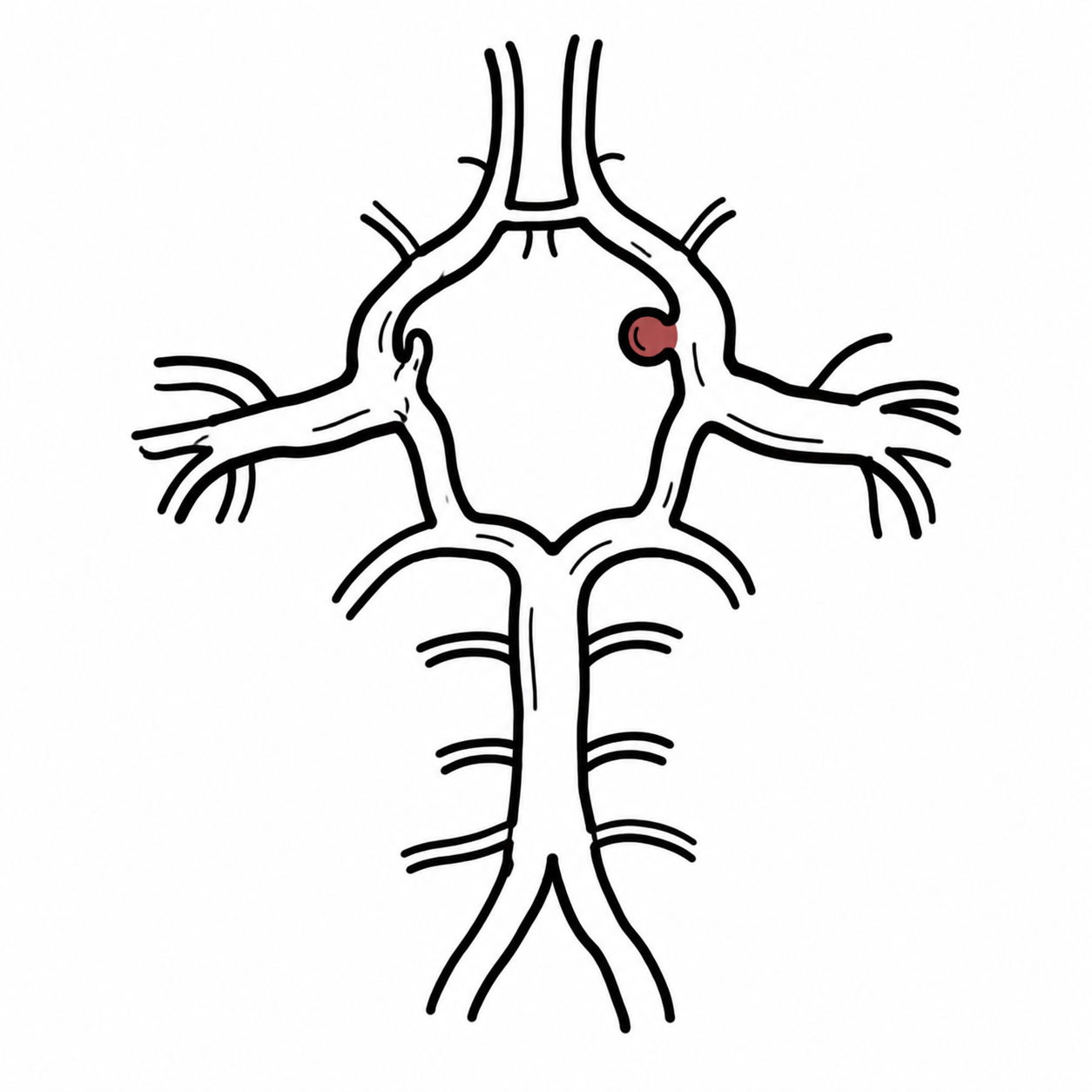
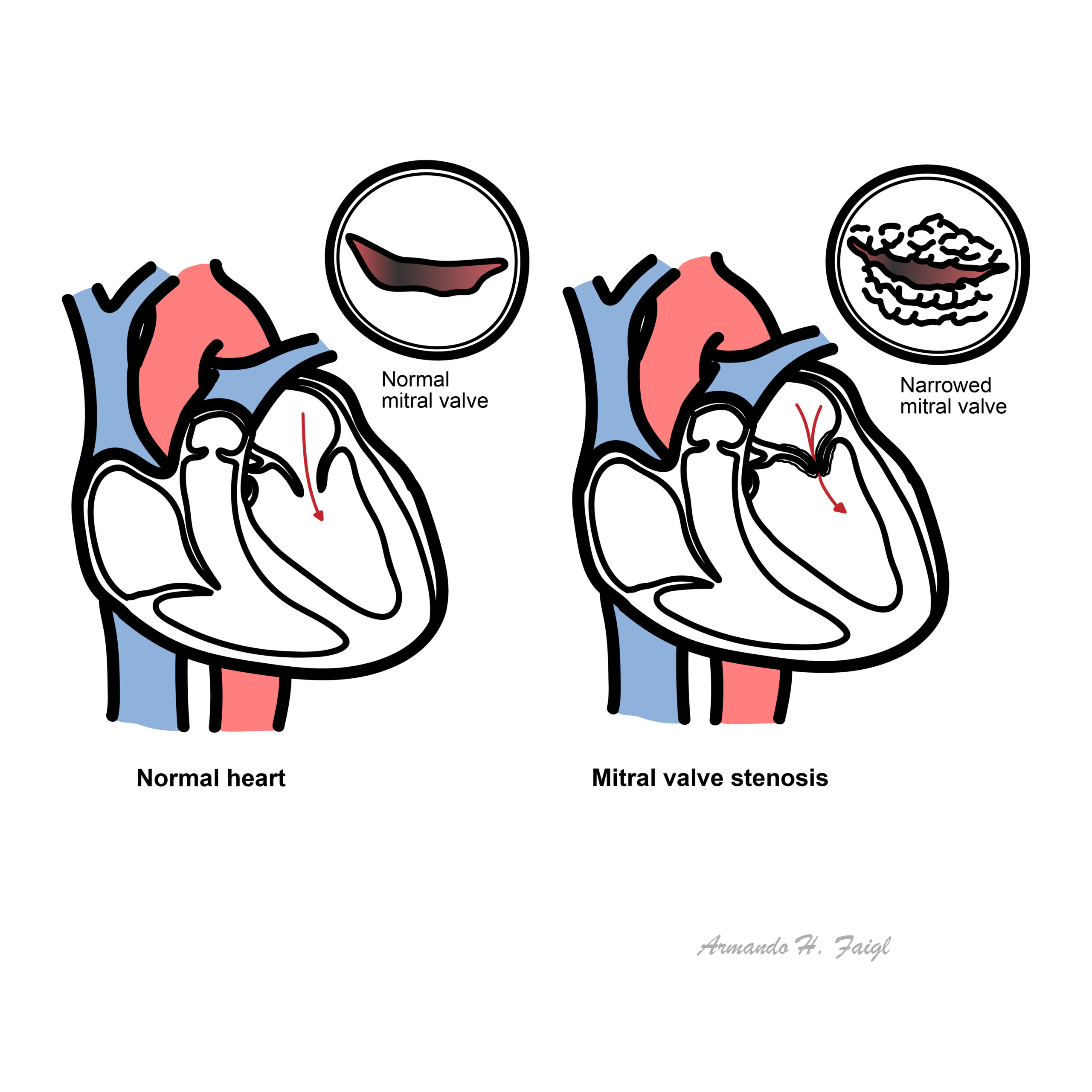
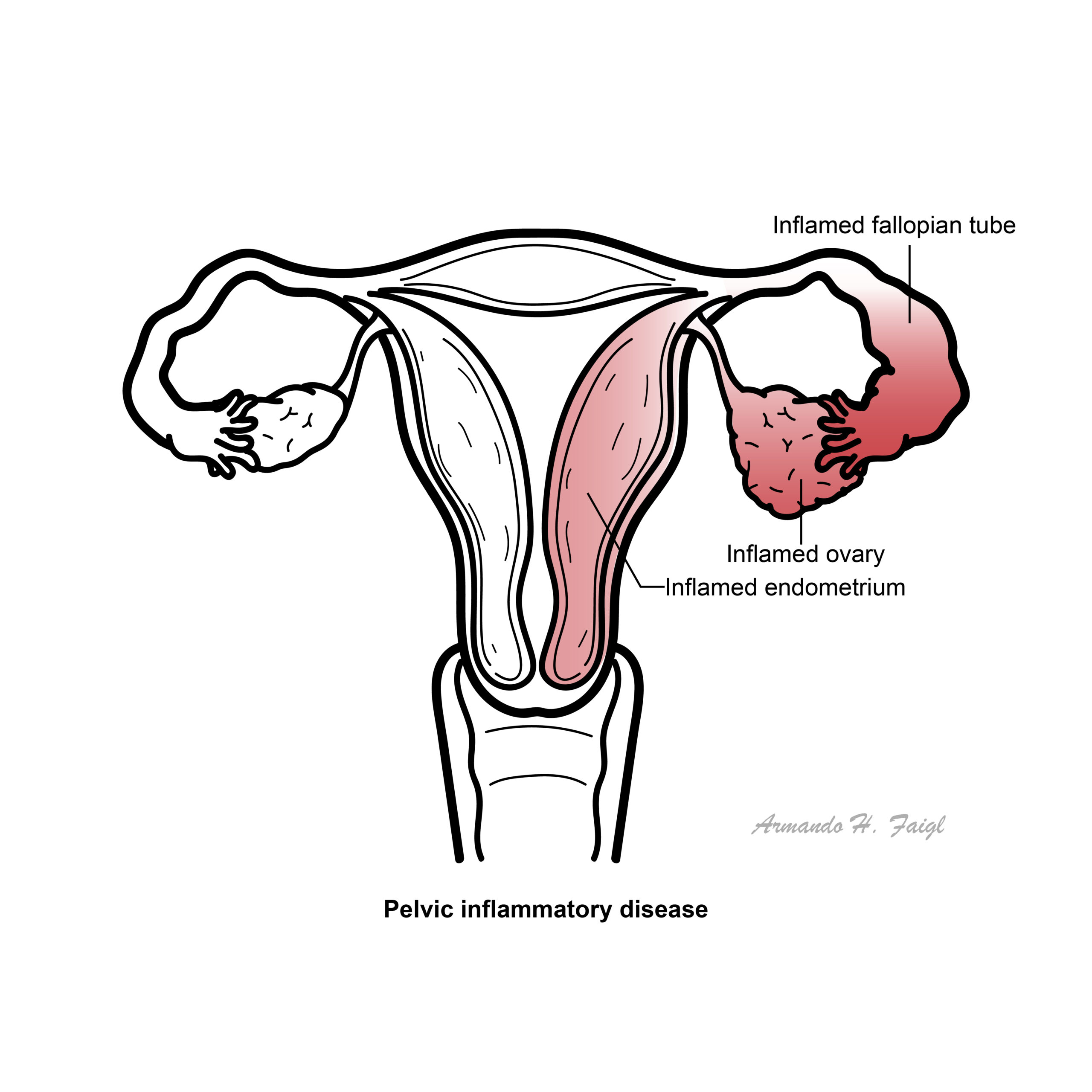
See it clearly
Turn abstract processes and invisible relationships into something the learner can picture.
Connect the pieces
Build understanding around how concepts fit together—not a pile of isolated facts.
Make it useful
Help learners move from explanation to recall, revision and the next logical step.
What clarity feels like
When the topic stops being a blur.
Learners do not come back because the subject became easy. They come back because the explanation gave them a picture they could work with.
“Armando's teaching style gives me the foundational knowledge.
Jessica Payne-Burnett
Medical Student, Charles Sturt University
“The notes I make during his videos help me retain everything better.
Ayesha RaiStudent, Islamabad Medical and Dental College
“The drawings are amazing and super easy to remember.
Reem Mohamed Khair Abdalrazig
Student, Neelain University
Coming soon: the AH study platform
The explanation is only the start.
The free library helps you find a clear explanation. The AH platform is being built to help you connect the resources, follow a clearer path and check what actually stuck.
- Watch in a focused, ad-free study environment.
- Move between connected videos, notes, diagrams and questions.
- Know what belongs next instead of rebuilding the study path yourself.
- Test your understanding while the topic is still fresh.
New and worth a look
Keep building the picture.
Cervical Radiculopathy
Overview Cervical radiculopathy is dysfunction of a cervical nerve root caused by irritation or compression as it leaves the spine. It commonly produces pain radiating from the neck into one arm, sometimes with paraesthesia, numbness, weakness or altered reflexes. A disc herniation or degenerative narrowing of the neural foramen is a common cause. Diagnosis is…
View this topic ↗About Visualising Medicine
Good education does not remove complexity. It makes complexity feel simple.
Visualising Medicine is the team behind Armando Hasudungan. We bring together medicine, illustration, writing and technology to make difficult ideas clearer—and build better ways for learners to use them.